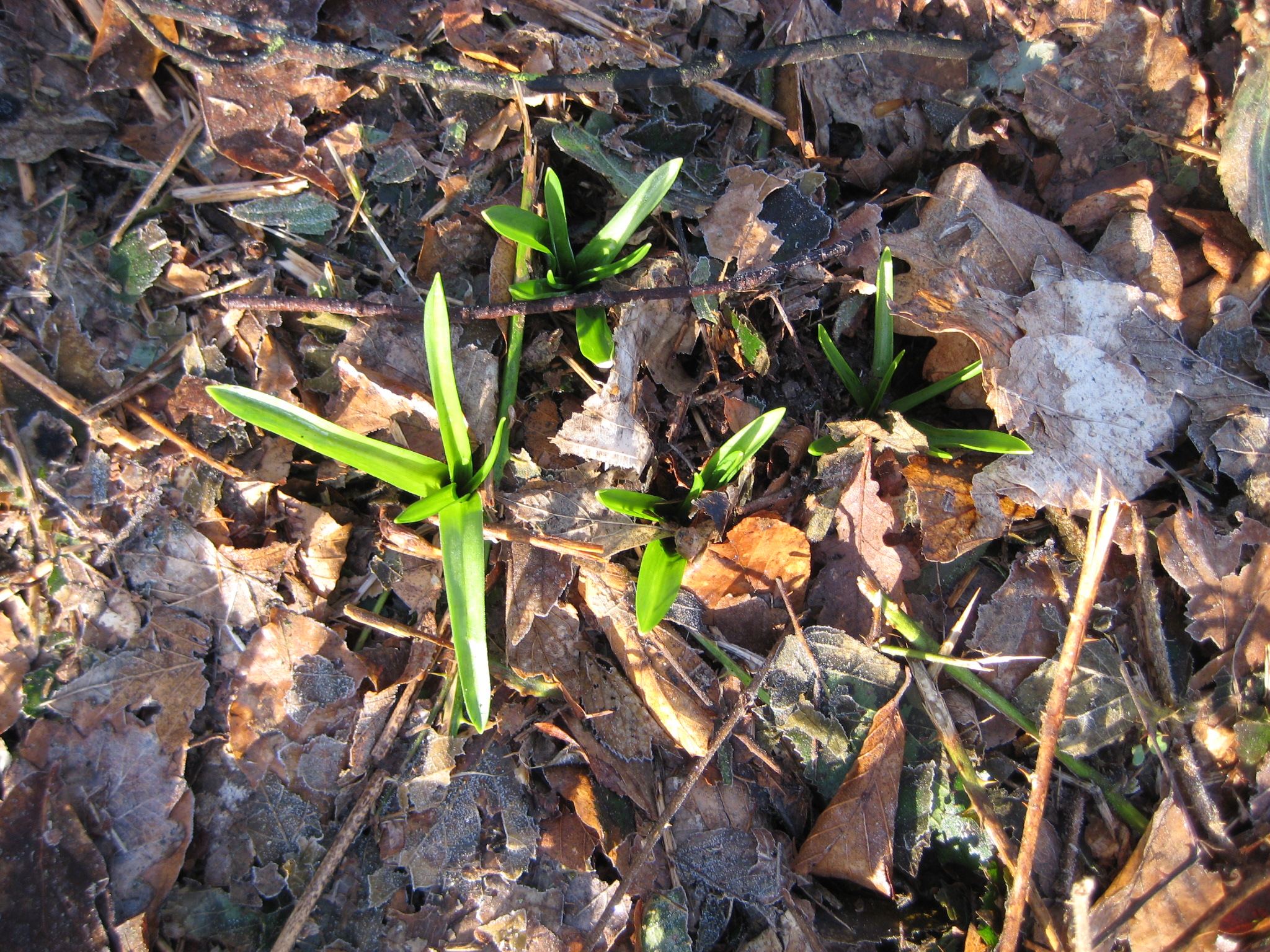
Two days ago and it was a lovely sunny day again. There’s a feeling of spring just around the corner. I noticed patches of Arum Maculatum or Lords and Ladies also know as Cuckoopint coming through here and there. They produce white lily type flowers which turn to bright orange berries. Poisonous but beautiful.
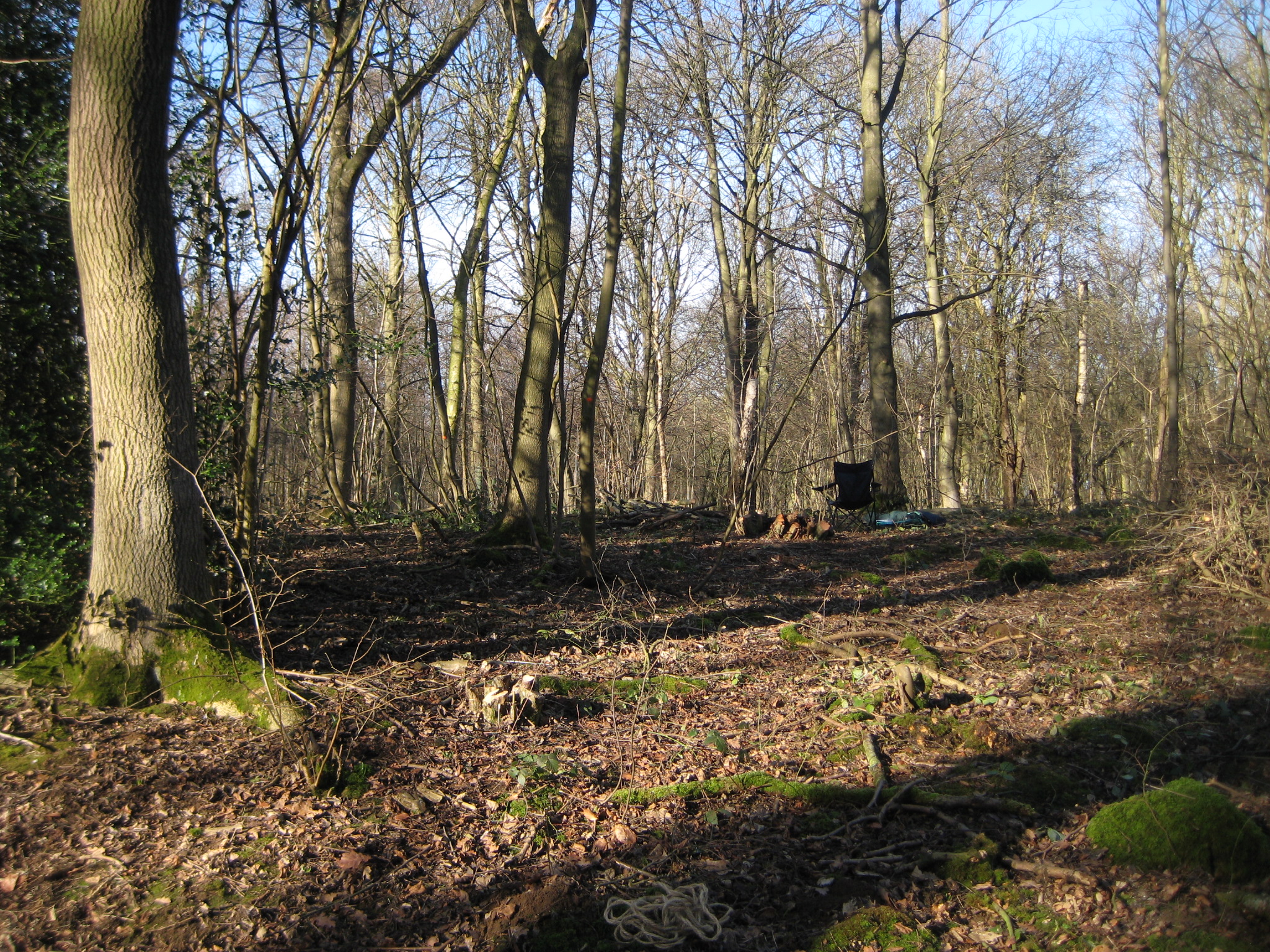
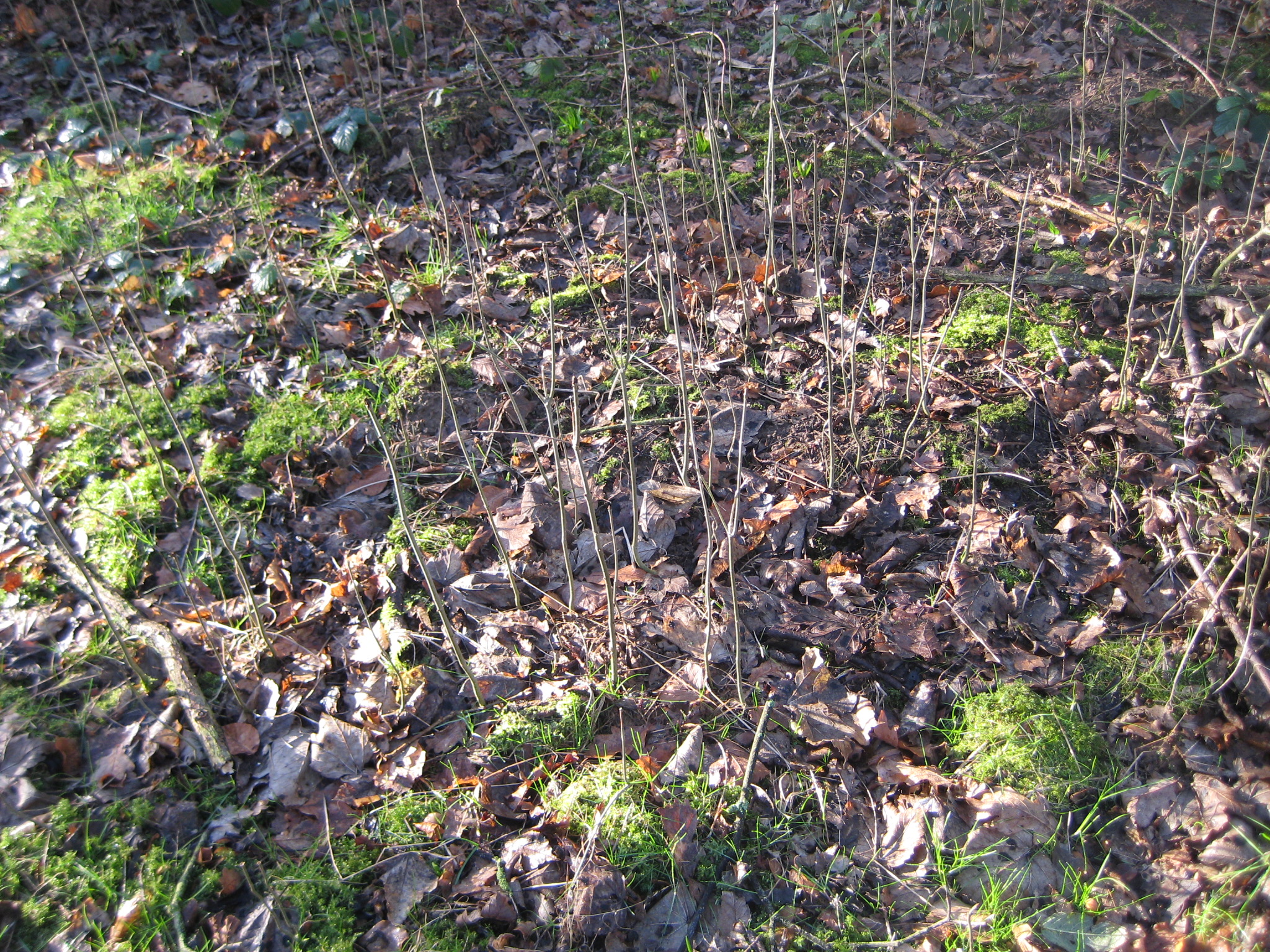
I’d made a new bird-box out of an old flower pot and commandeered another old but usable wooden box and wanted to put them up. Small birds will be busy sussing out possible nesting places now so my first job was to find suitable spots for them. I placed one on the edge of the sycamore plantation next to the sunny open glade. The other down in the area near where I have been re-coppicing hazel. There were lots of the tit family of birds around so hopefully they will use them.
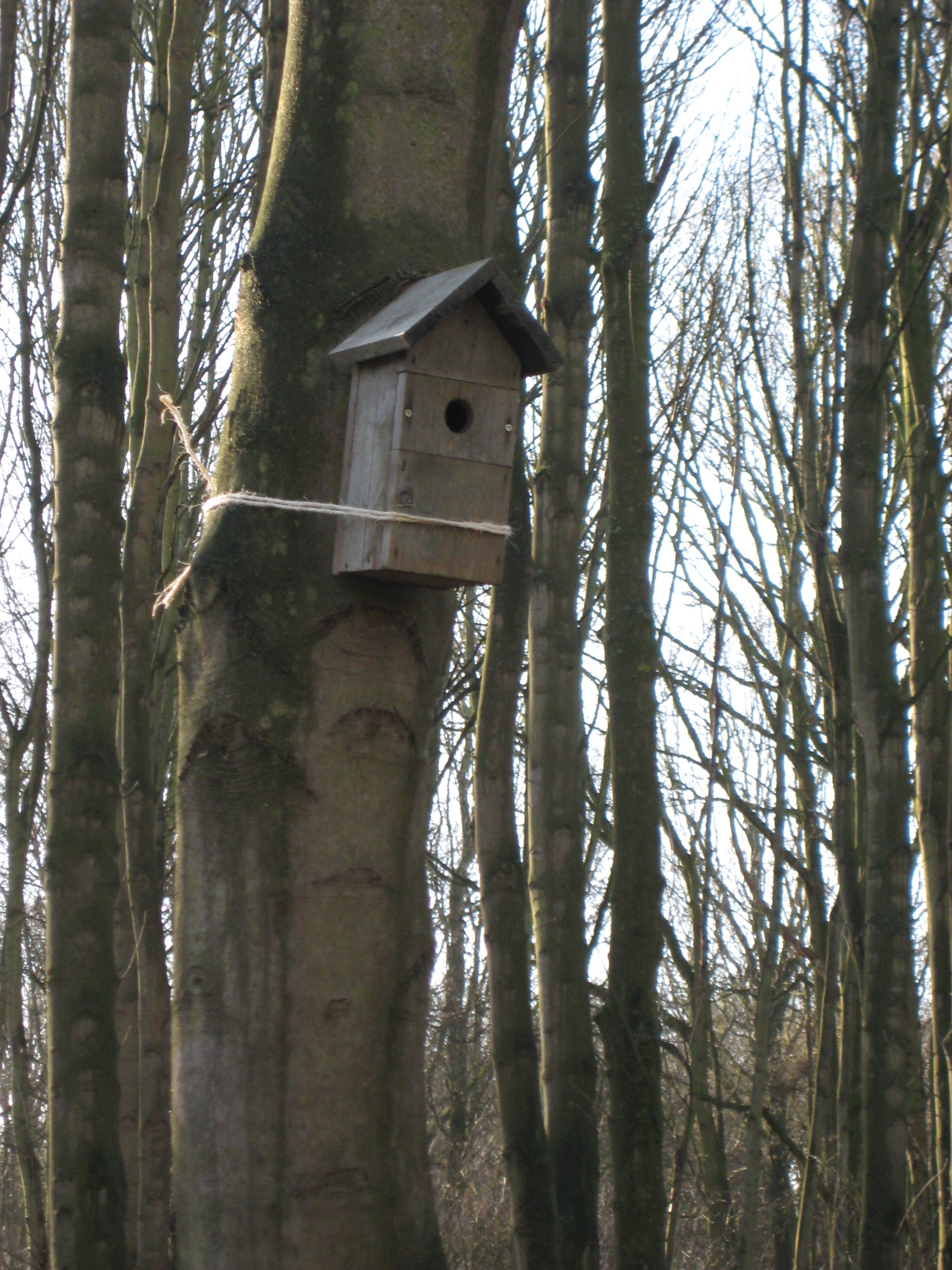
Birdbox by the glade
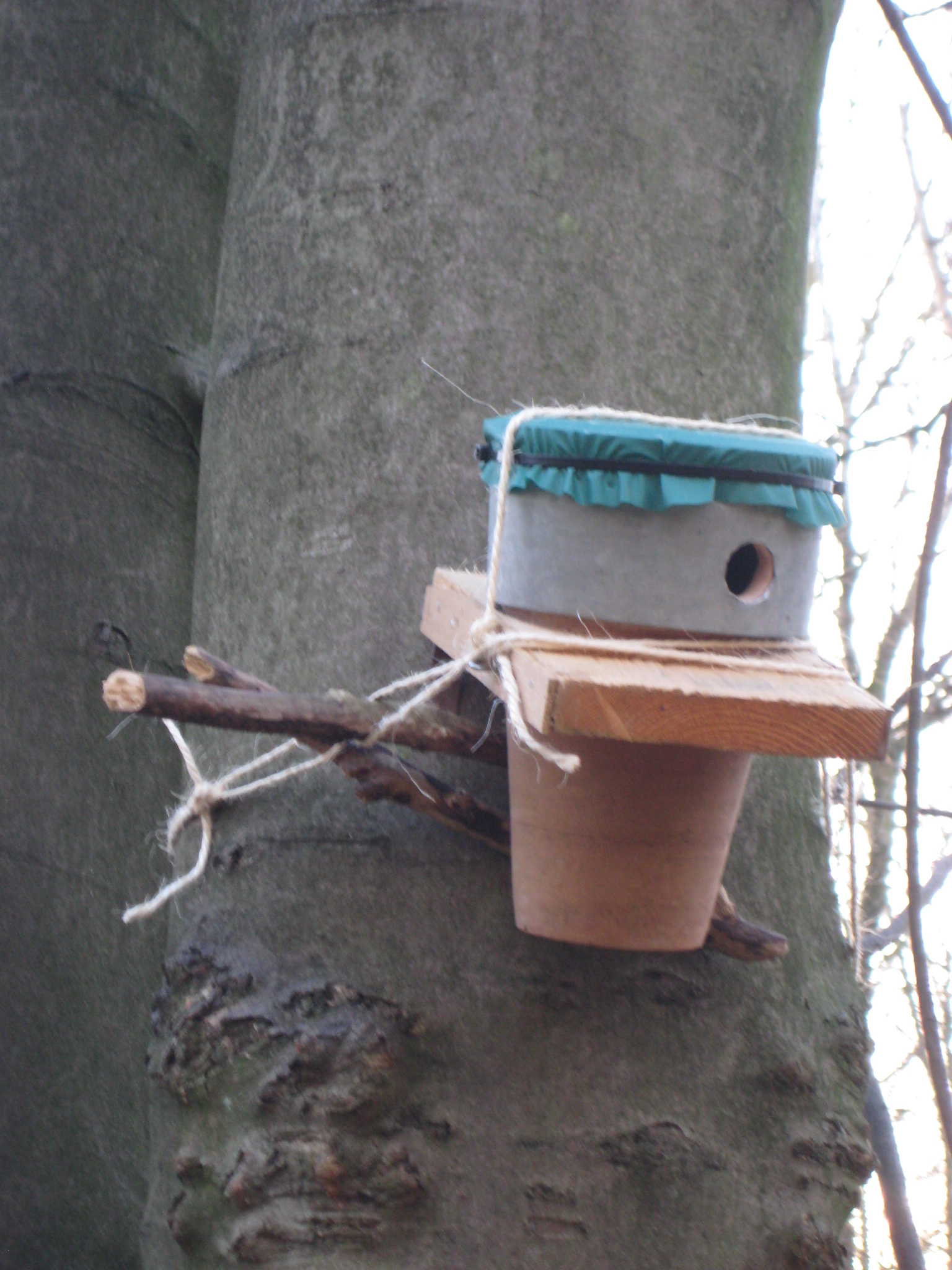
Bird box placed near the hazel coppice
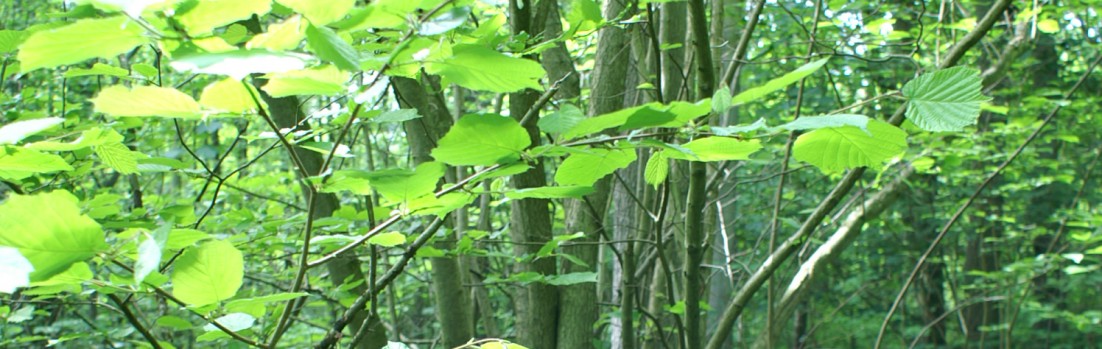
It was another day of hard graft. I had ten new hazel saplings to plant and stake up which took me to lunch time. In the afternoon I settled into some more tree felling. The holly I thinned last time needed more work and clearing away to reveal a huge hazel next to it. There were about 6 large branches. Two of them proved quite tricky as they were very tall and got hung up in other trees. They had to be cut in several places to release them and make them safe. It’s quite unpredictable how they are going to fall when you cut. Even though they appear to lean one way, the weight of branches pulling another way often causes them to twist and behave unpredictably. At first it seems a straightforward job and easy to tackle but experience is teaching me to think differently and treat each cut with respect and forethought. There is a lot of weight in these branches and getting it wrong could prove quite dangerous. I ran out of time before I was able to clear those away so that’ll be a job for next visit.
The branches are dressed by cutting off the twiggy tops and side shoots, leaving more or less straight poles and rods of varying diameters. They can be used for all sorts of projects. The bigger stuff will provide good logs for burning. The thin twiggy stuff is called brash. In the past, foresters often made huge fires to dispose of it. I’m not in favour of that as it damages the ground underneath. You need deadwood for fungi and insects to feed off so leaving piles of brash here and there is good. It also provides safe havens for small mammals and birds. Eventually it will rot down and feed nutrients back into the earth. The trouble is, I will have huge amounts before long. I have two very large piles already which look a bit unsightly. So I have ideas of making some dead or brash hedges. Basically you hammer a double row of posts into the ground spaced about two or three feet apart. You fill the space between these post with brash, compacting it down. You build it up layer by layer and it creates a dead hedge. As it rots and settles you keep topping it up. It makes a great habitat for insects, small animals and birds whilst using up your felling waste in a more orderly manner. I have a few ideas as to where I will build them but that is a job for later in the year. Here’s a good example of one.
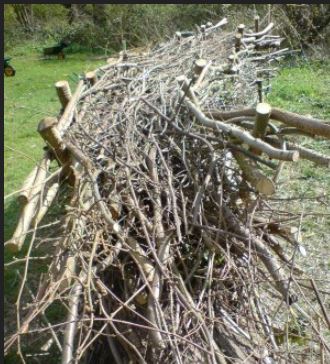
A good example of a dead or brash hedge