Diary of a man and his woodland

A blog about a man's dream to own a small woodland.


Leave a comment

What a difference two weeks makes

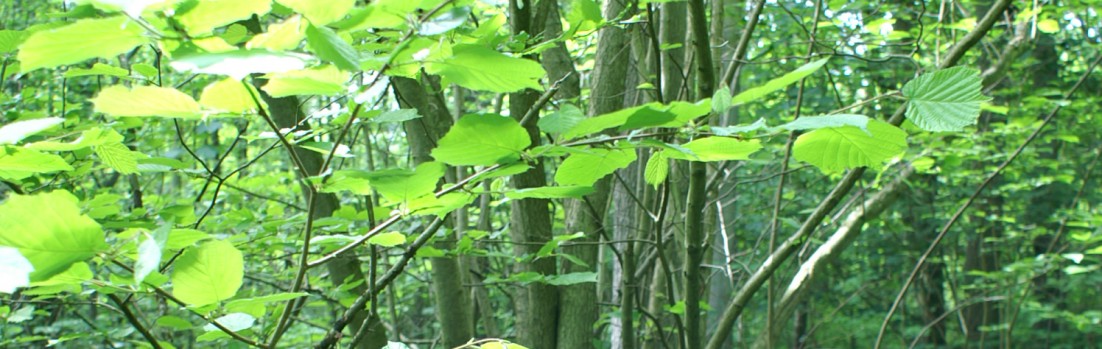
It was about two weeks since I last went due to a holiday in between. I am amazed at how much the wood has changed since then. In fact I almost felt like I was in someone else’s wood. I had a strange feeling of almost being a stranger to it. I tried to analyse why and figured that over winter I have become ultra familiar with the wood, feeling that I knew it very well. Of course it doesn’t change all that much for several months so when spring starts to kick in and everything comes back to life, it is totally transformed. It felt like it was having a party whilst I was away. I took an extra long and leisurely wander around to see just what was growing now. At least half the trees are leafing up, notably the beech, hawthorn, elder, hazel and sycamore. Oak and ash are always the last ones to break bud but there are signs of that happening too. Interestingly, the ash saplings are well ahead of the big mature ash trees. I guess that’s youth for you!
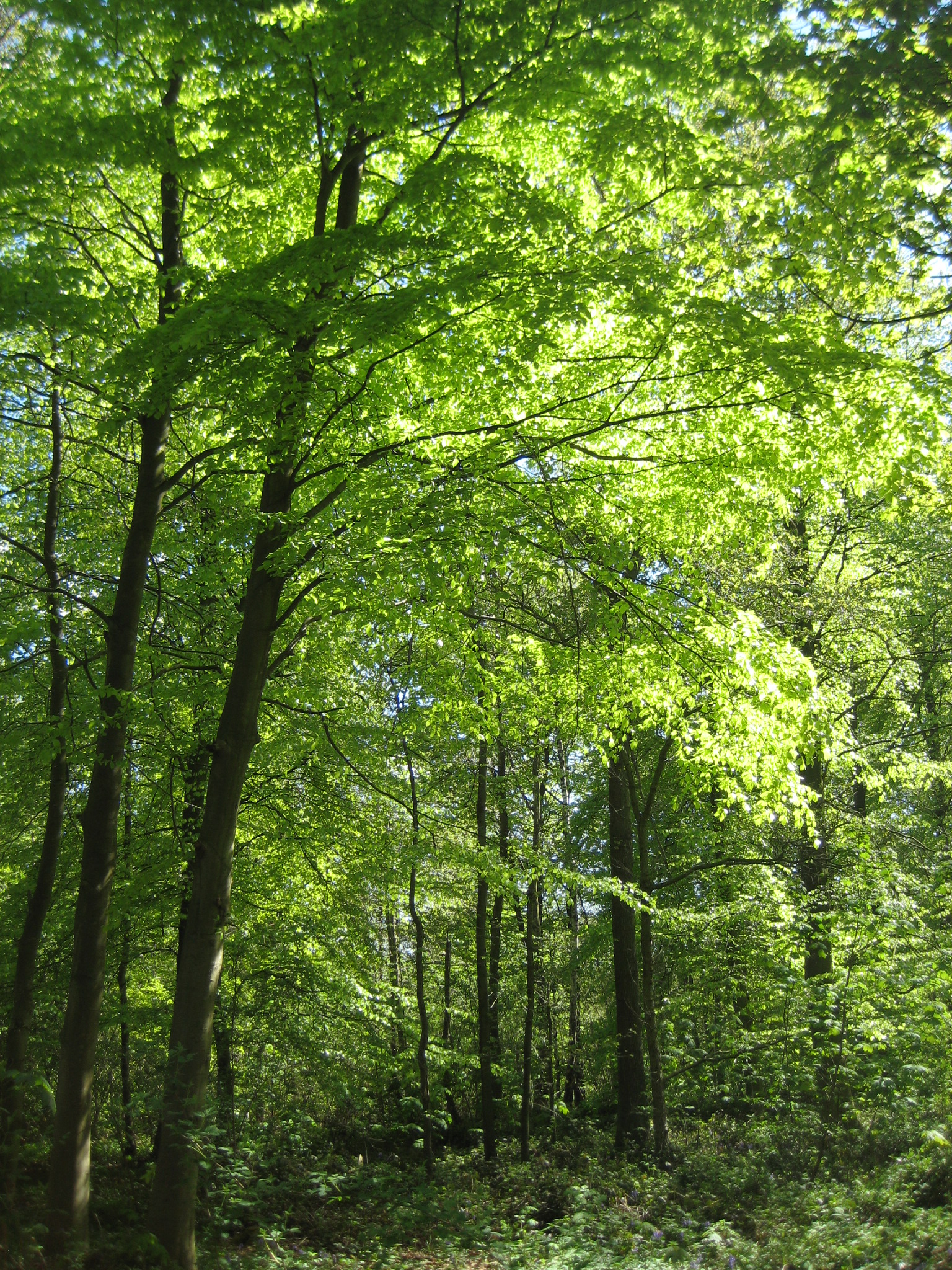
Some of the beautiful new leaves on the beech trees

Some of the beautiful new leaves on the beech trees

The sun was out again and I was happy just to do a few jobs and enjoy a more leisurely day than usual. I was surprised on my arrival to see a number of items strewn on the ground that were previously tucked away in my logshed, a plastic basket and the sealed tub I keep bird seed in. Had someone been trespassing? A closer look and it became clear. The “bovver boys” (aka grey squirrels) had been having the party. How did they know there was food in that tub and how did they manage to drag it out from it’s hiding place? A trail camera would have made very interesting viewing!
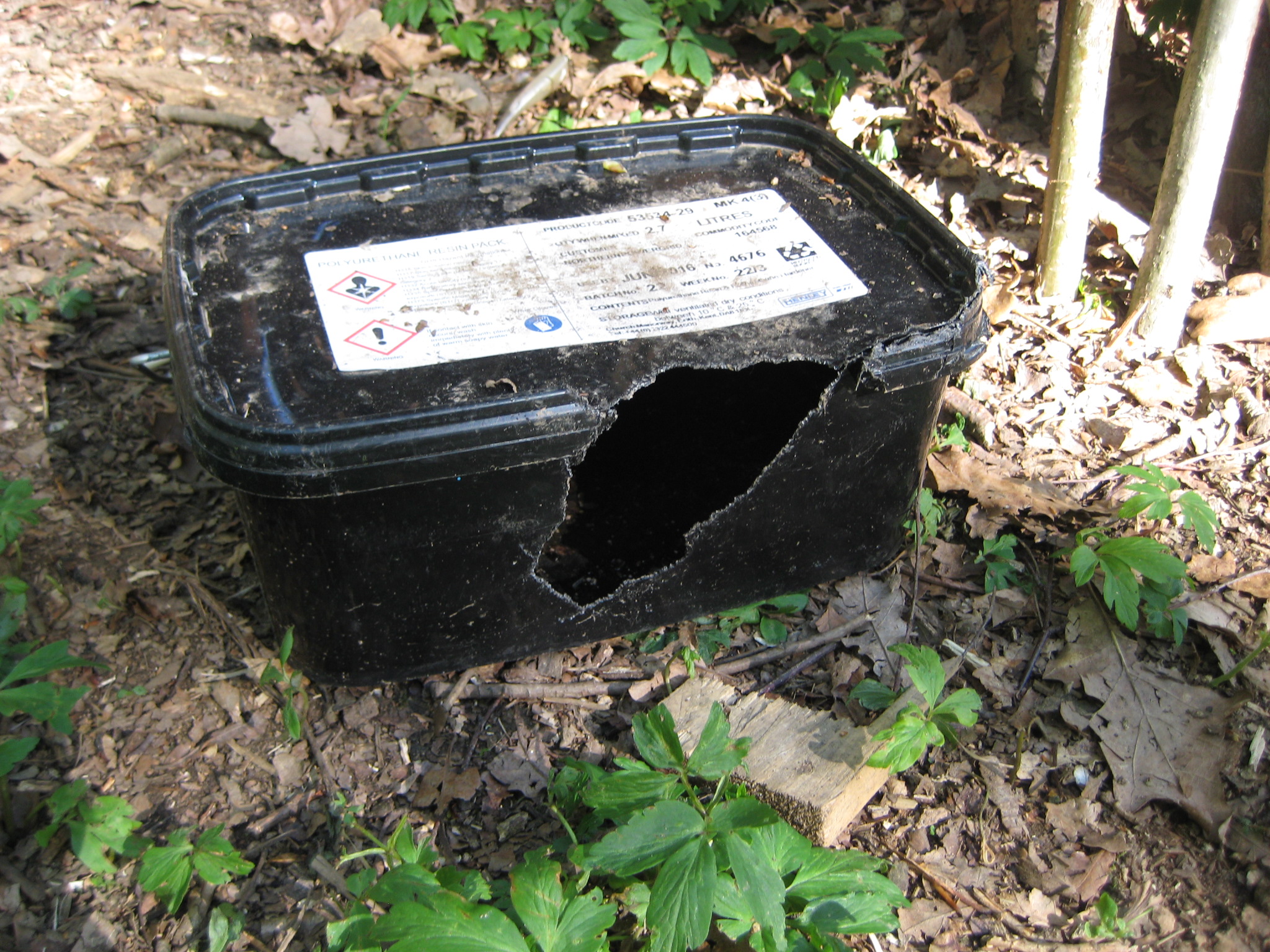
Someone had a party whilst I was away.

Someone had a party whilst I was away.

My main job was to make something called a cleaving or riving brake. It’s a wooden frame that allows you to wedge a hazel pole between two horizontal bars by applying pressure. The pole is gripped so that you can then work on it with a froe or billhook to split or “cleave” it. It’s a traditional method which the old woodlanders used to split larger hazel rods down to make wattle for fences and other useful crafts. I have some large poles that I am hoping to split into two pieces so I can make fencing posts to support deer netting and my brash hedges. I had a go with two of them and although I was successful (and it’s not easy) I was surprised and a bit disappointed to find that the split poles are now twisted and not straight. Then I remembered reading that the fibres in trees do actually spiral as the tree grows. In hazel it seems to be quite pronounced. So I’m not sure my plan to use them as posts is going to work. Anyway here’s a picture of the riving brake I made. It’s also useful for holding long longs while you saw them down. I used it to cut up some fallen ash for firewood and it was very effective.
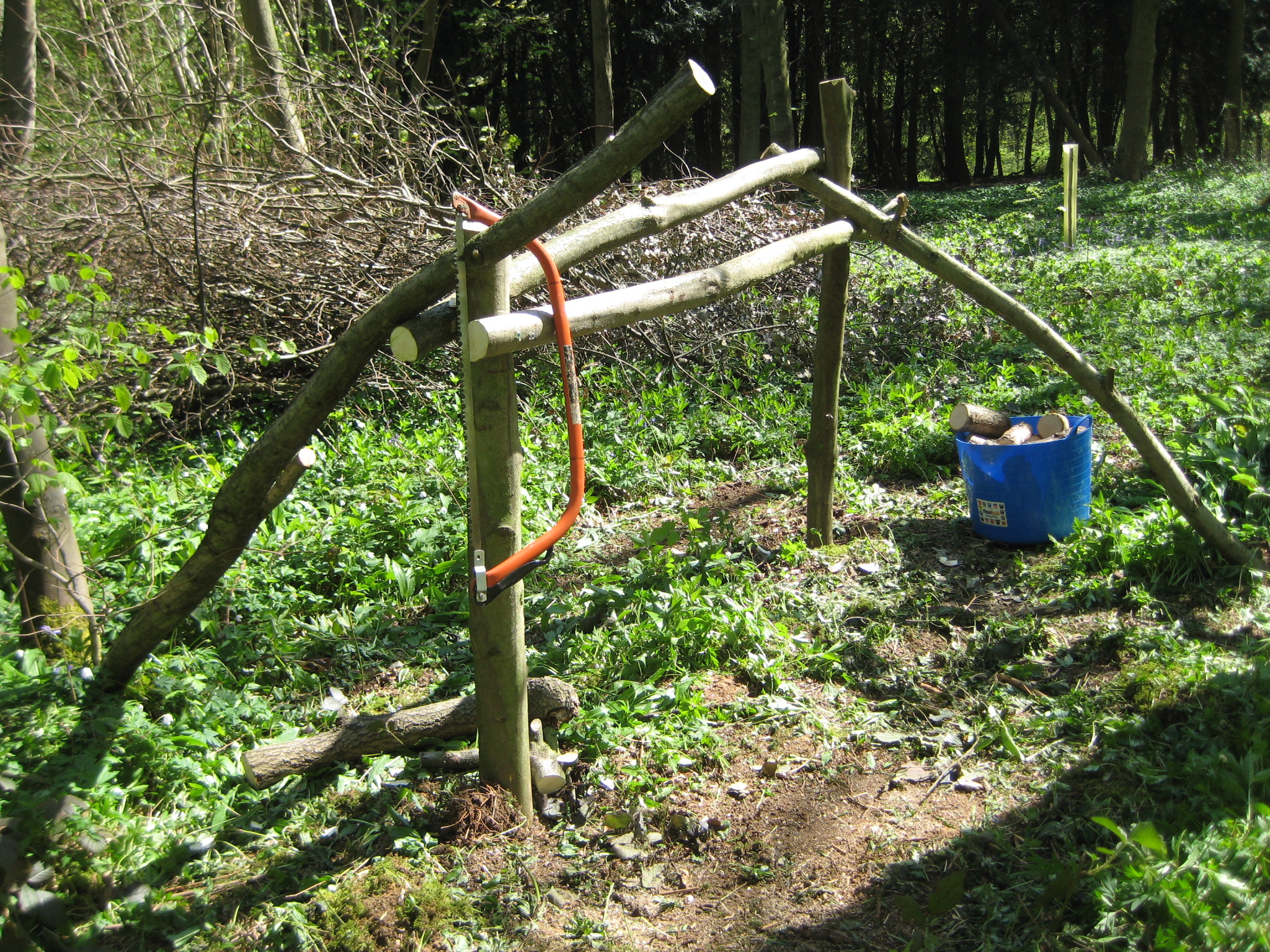
Cleaving or riving brake

Cleaving or riving brake

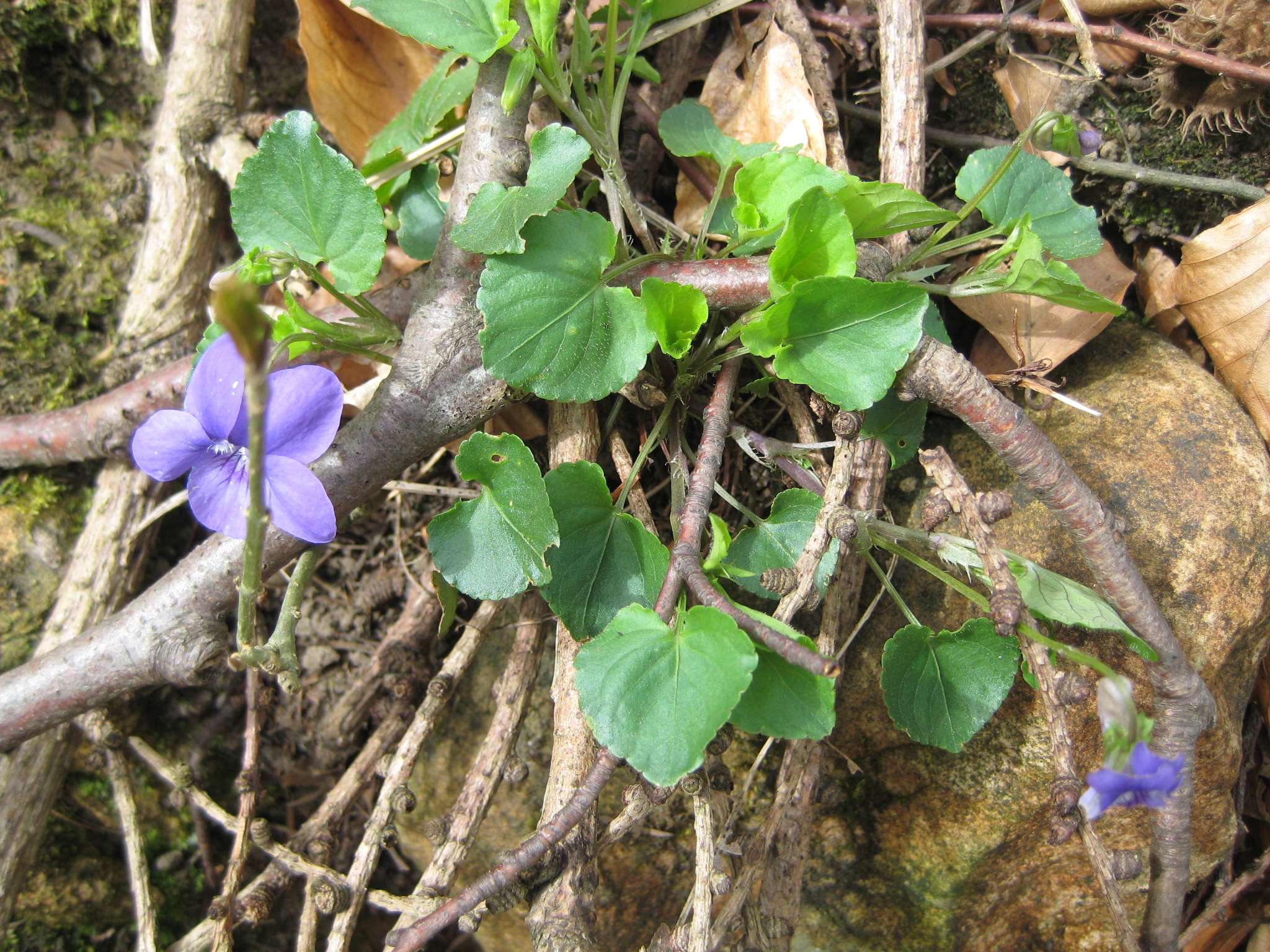
I was pleased to find lots more of the tiny wood violas growing along the ride edges and the area I cleared of bramble is starting to green up with new grasses, willowherb, speedwell and of course new bramble and bracken because I haven’t removed the roots. The plan is to keep hacking the new growth down before it gets established and hope that eventually they die back. I sat on my homemade plank-bench with my coffee for while in this area with two beautiful beech trees close by, just enjoying the sun, the peace and quiet and the peacock butterflies that were flirting with each other. It doesn’t get much better that that does it?
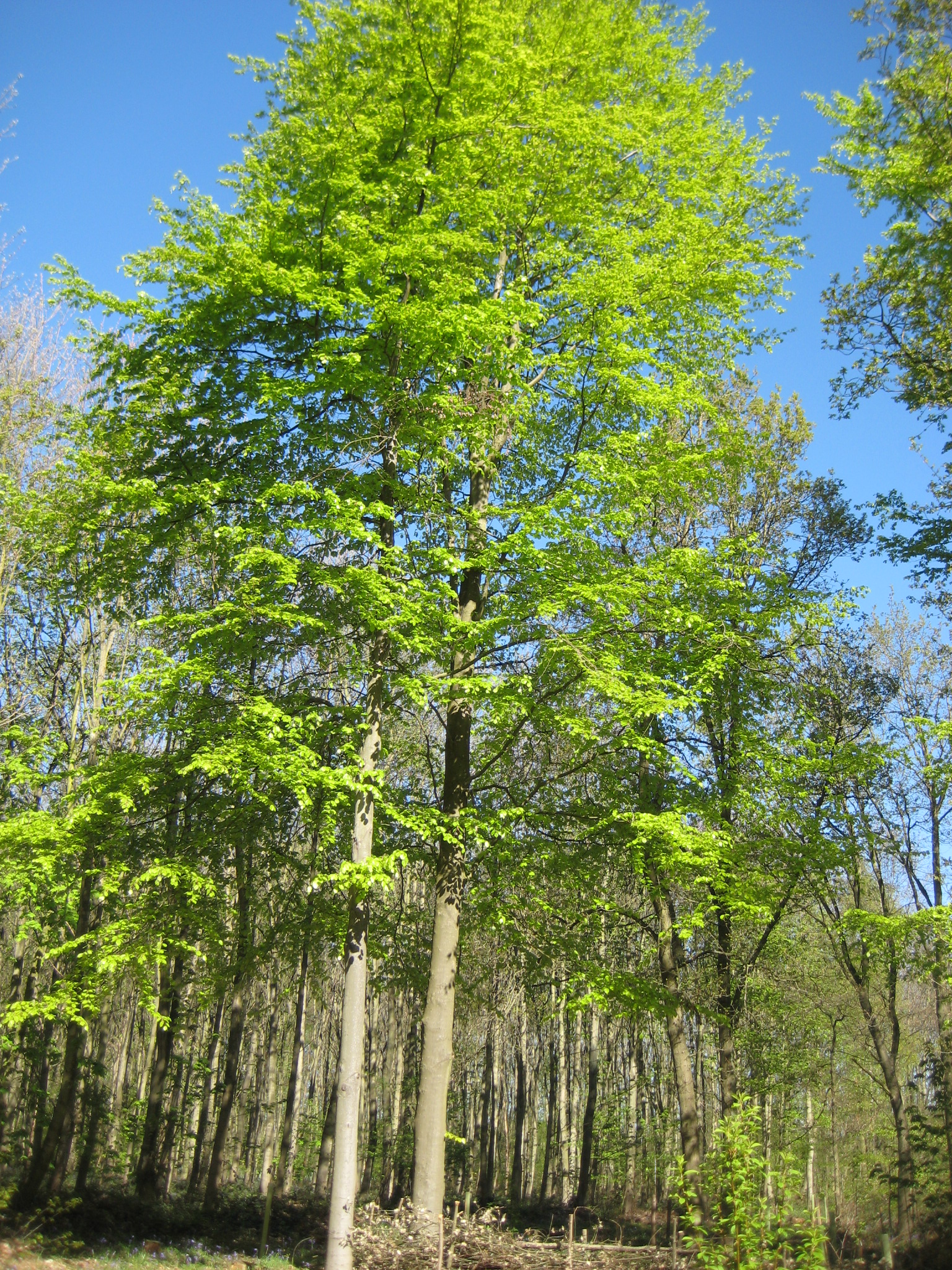
The beech trees in my sunny glade
The beech trees in my sunny glade

1 Comment

An amazing spring sight

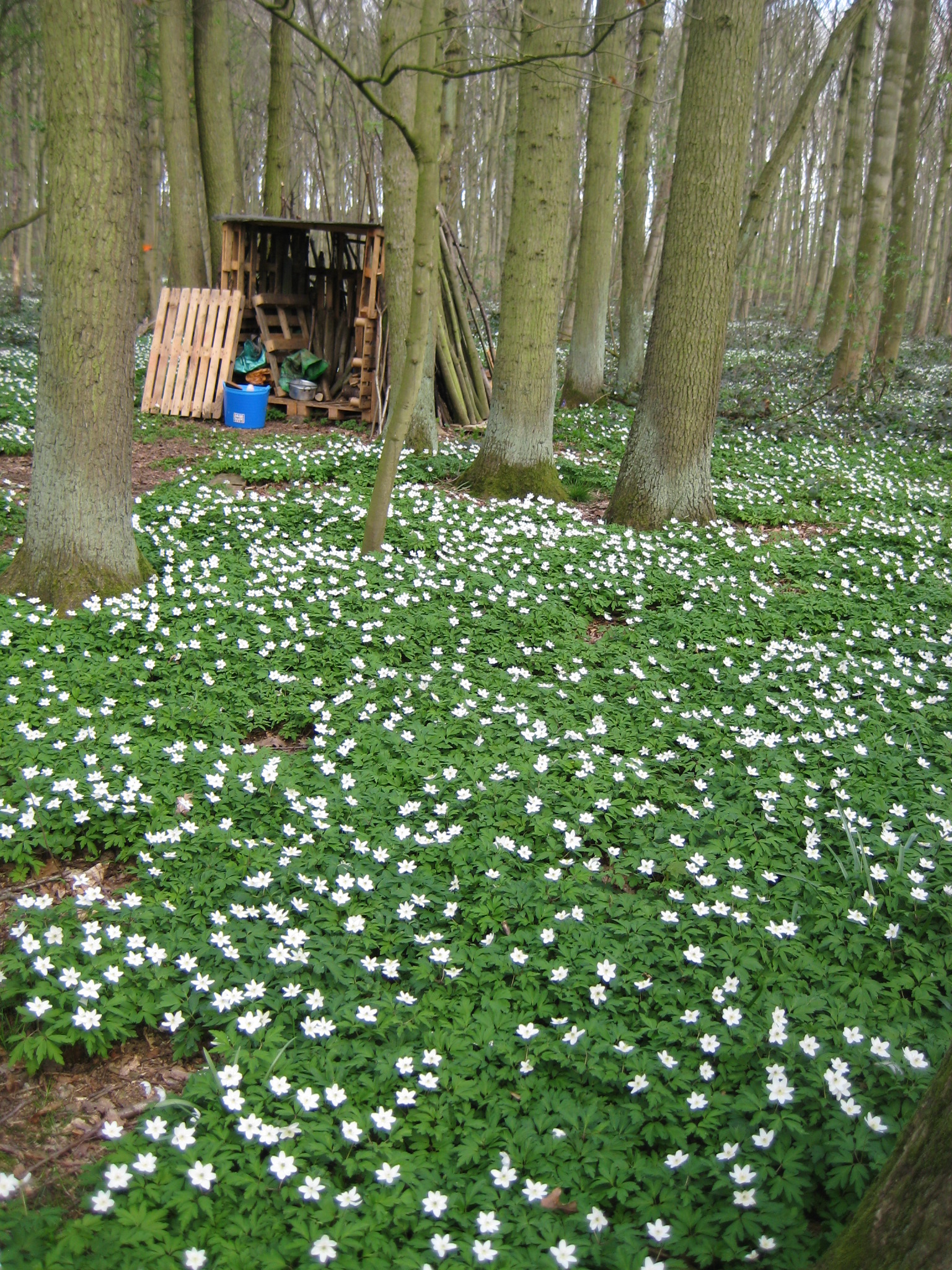
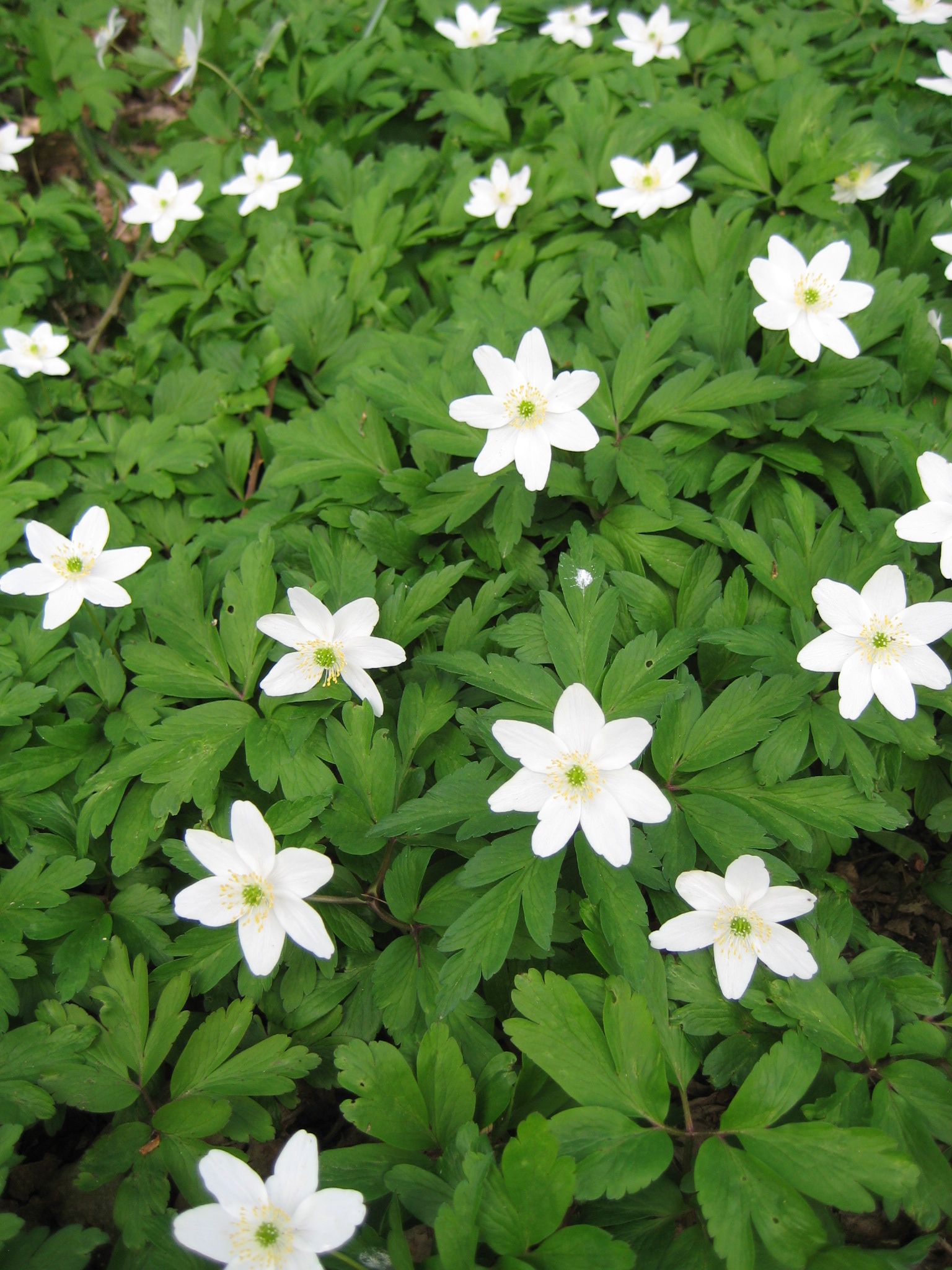
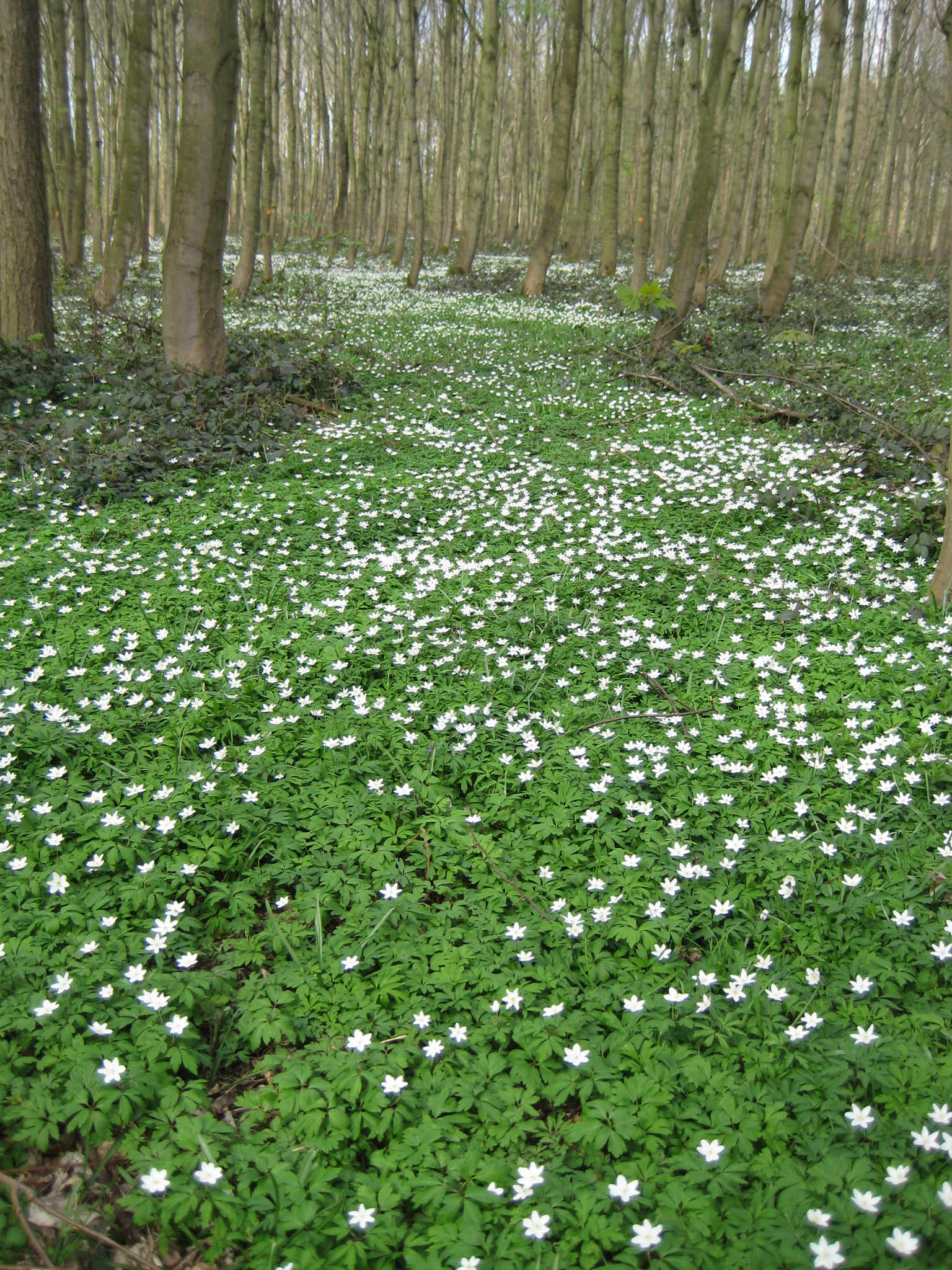
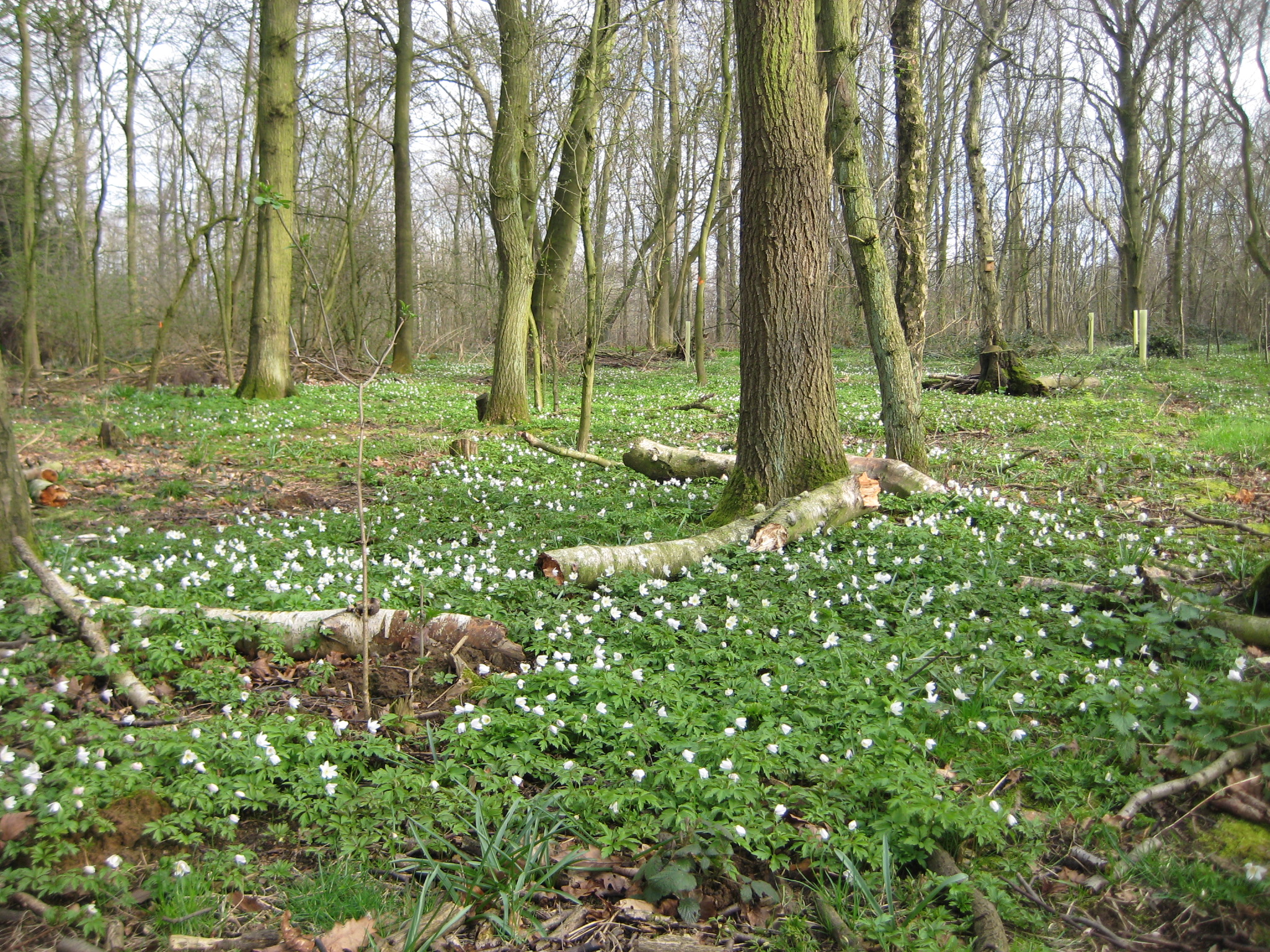
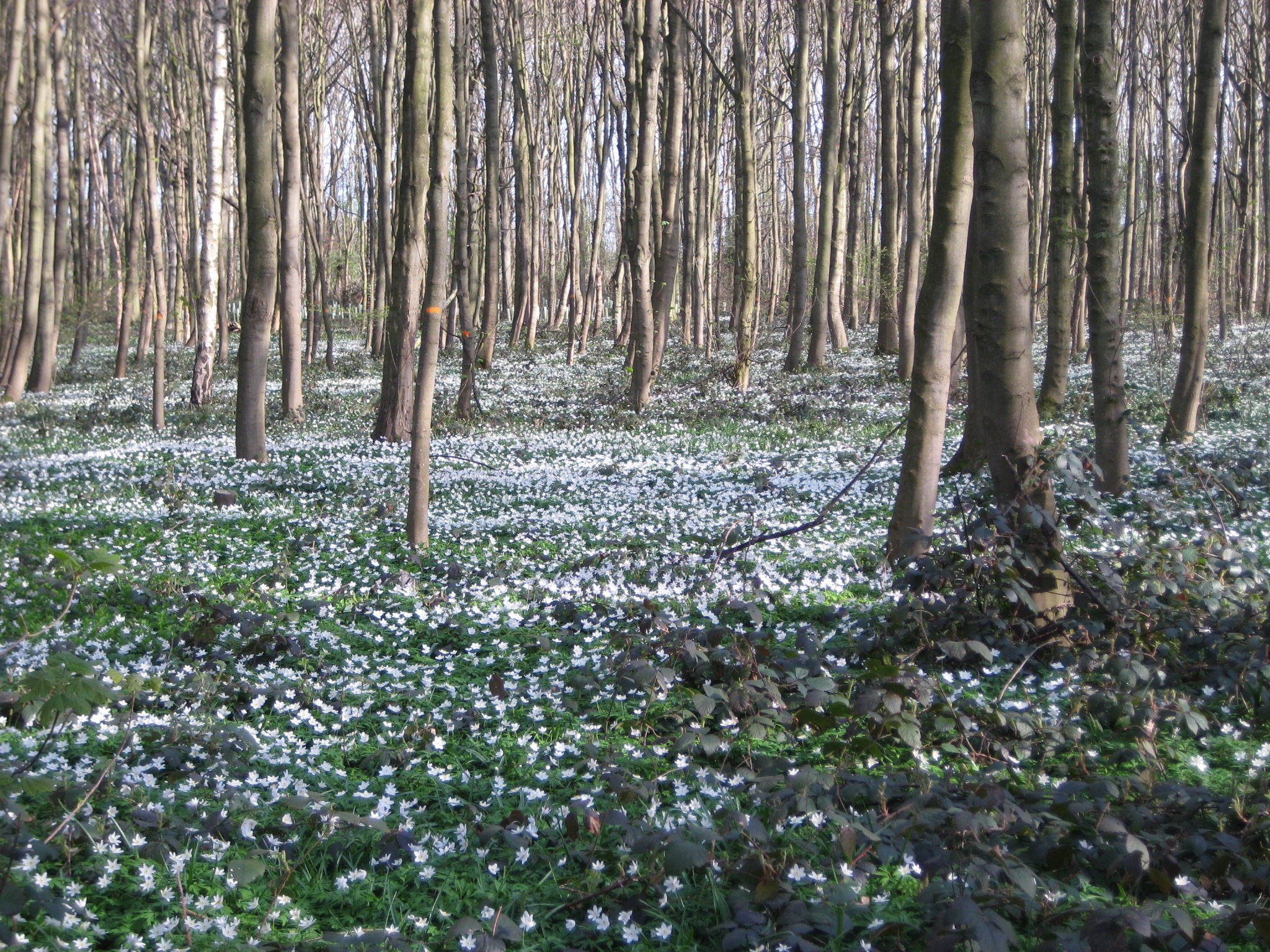
An amazing sight of wood anemonies greeted me today

An amazing sight of wood anemonies greeted me today

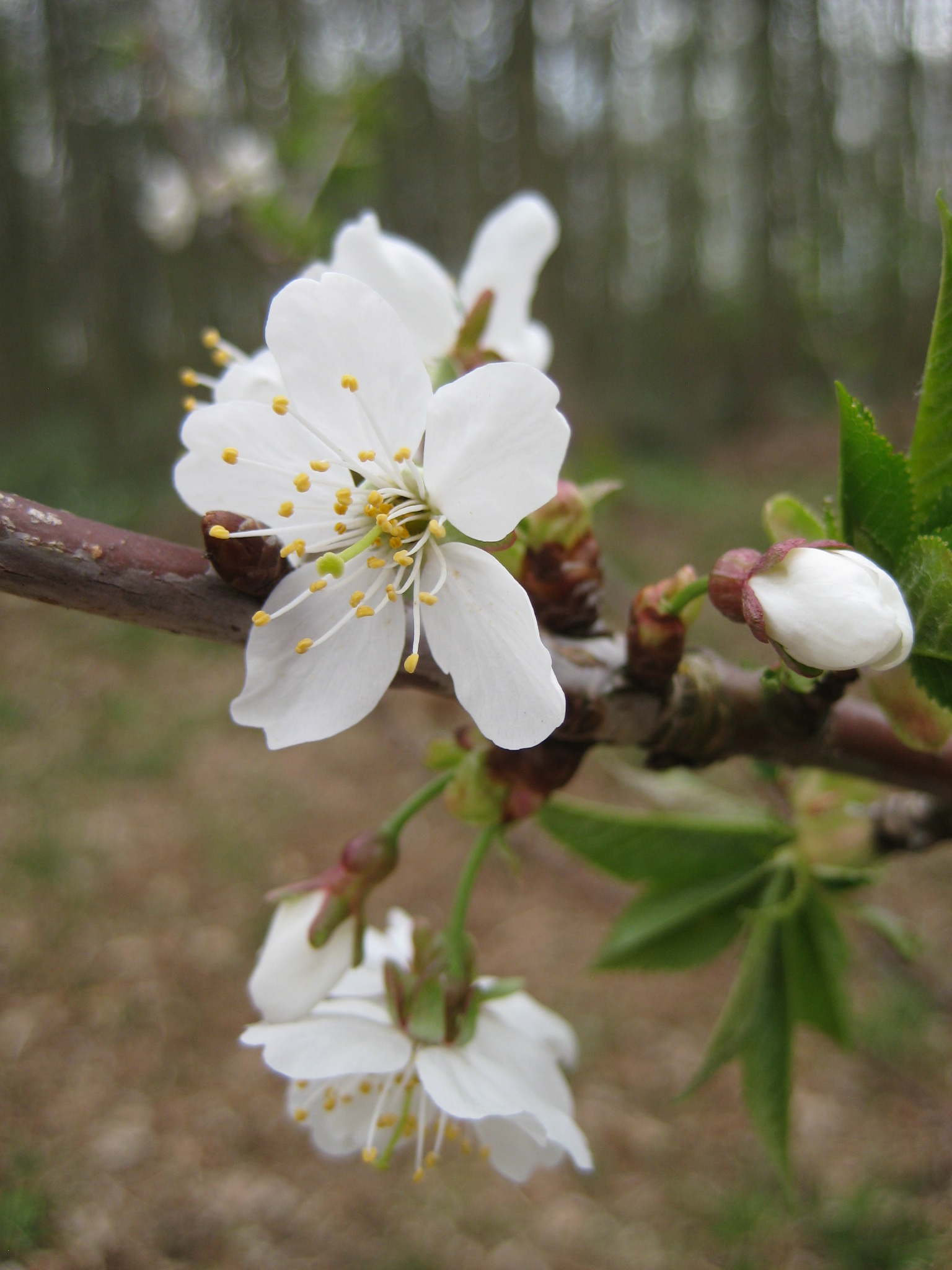
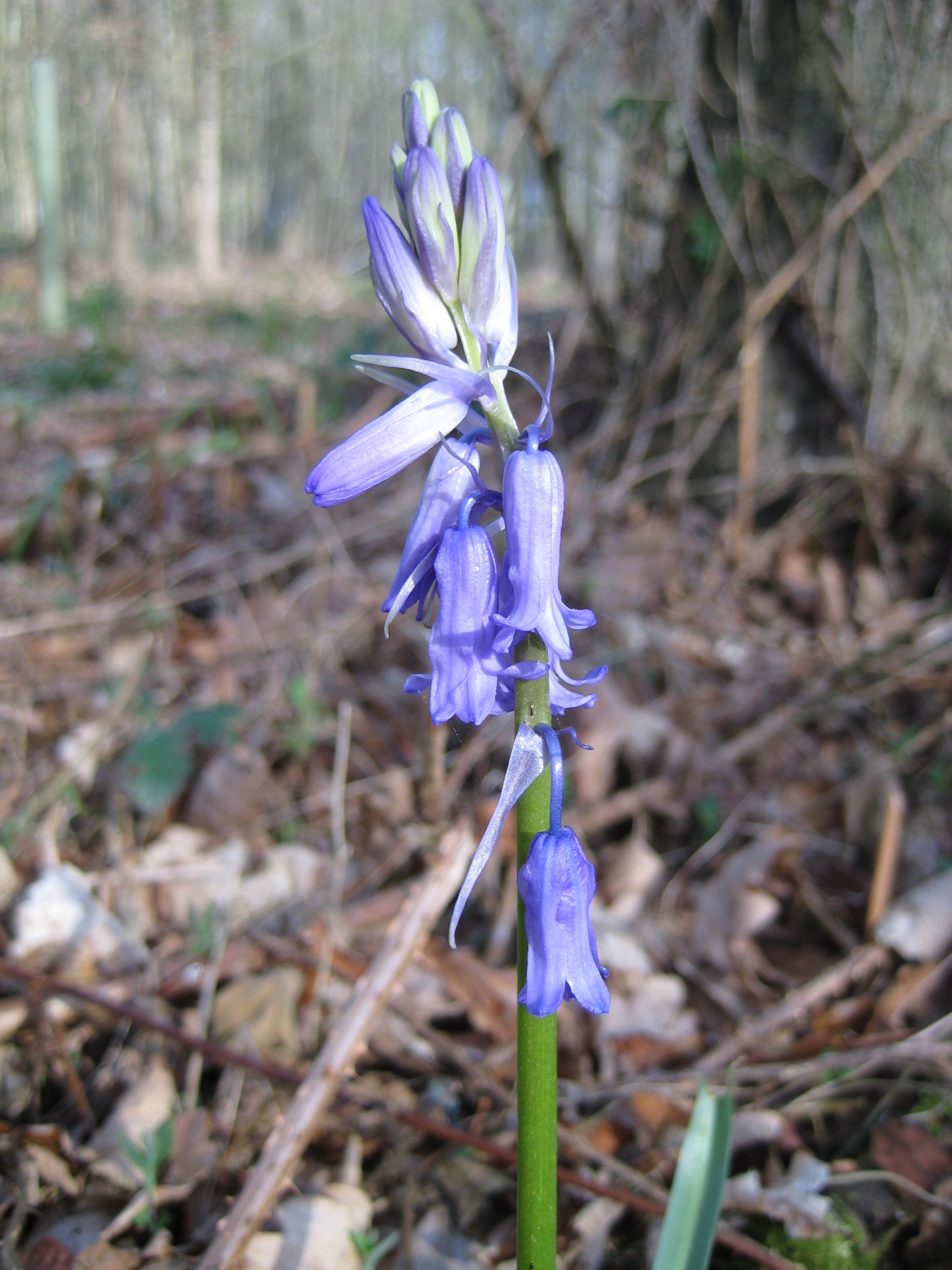
This was the sight that greeted me when I arrived yesterday. The wood anemonies are in full flower looking like it had snowed overnight. The sun was out, the temperature rising and the wood is flourishing. I had planned to do lots of jobs but just had to take the time to have a slow wander around, take lots of photos and some video. This has to be one of the most beautiful times of the year in the woods and has to be savoured. In a few weeks all these anemonies will have disappeared, including the leaves. A few bluebells are starting to flower too and I found a small area where wood violas were showing. My newly planted wild cherry are bursting bud and also showing some beautiful flowers. This is what I’ve been looking forward to all winter,

One of the first bluebells to flower

One of the first bluebells to flower

Tiny wood viola in flower

Tiny wood viola in flower

Newly planted wild cherry in flower

Newly planted wild cherry in flower

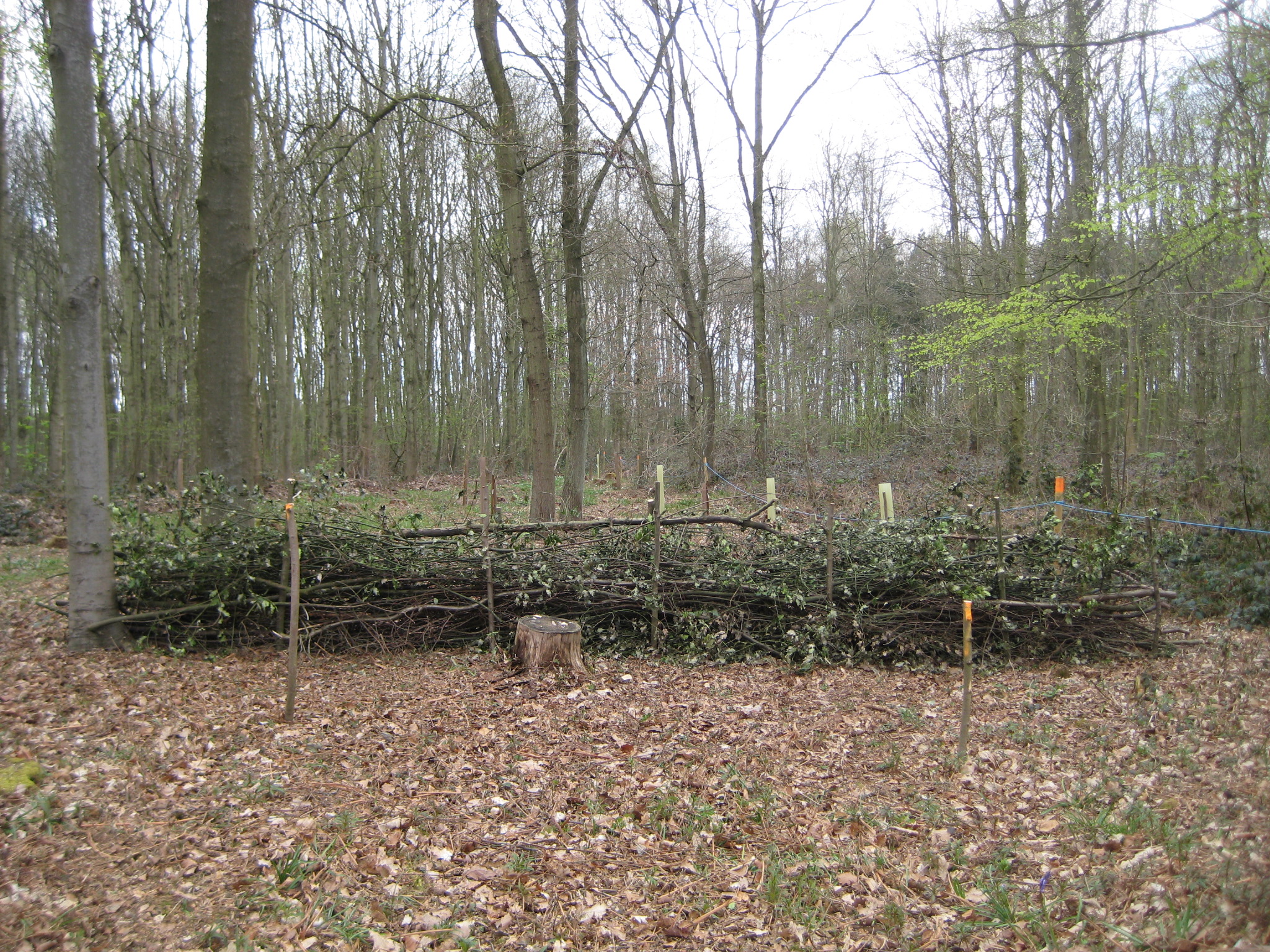
So after a leisurely walk around I got stuck into some productive work. I wanted to clear more of the huge brash pile I ended up with after coppicing and start fencing the area off from deer browsing. I don’t want to burn the brash and have started to build a dead hedge from it. So before I could move it, I needed to hammer some more posts into the ground to support it. Having done that it was a labourious and tiring job, dragging the dead brash branches half the length of the wood and weaving it into the hedge. I told myself not to panic over getting the deer netting up as there are no new shoots showing yet and this job needed doing. The result is looking quite pleasing, adding some interest to the newly cleared and rather bare looking area. This is where I hope to do some overnight camping. Although it looks bare now, the bramble is already starting to spring up again and will look completely different by summer. Here’s the hedge so far. It will settle and shrink and need topping up occasionally. I eventually plan to make another two sides of hedge to create a sheltered and more private camping area.

The brash dead hedge

The brash dead hedge

Other jobs included cutting some dead logs and collecting honeysuckle bark. Why? Well I attended a one day bushcraft course at the weekend and we covered fire-lighting using fire-steels and bow drills. One of the best tinders for your initial flame is honeysuckle bark. It sheds it’s bark when it gets old and you strip small pieces off and roll them into a ball between your palms. I found loads of it in my woods. I know some bushcrafters will be envious. It’s a precious material when trying to create fire with natural “found” materials. I succeeded in making a glowing ember with a bow drill on the course. Really hard work but immensely satisfying to know I can do it. So now I want to make my own bow drill, hence the need for some dead and seasoned logs.

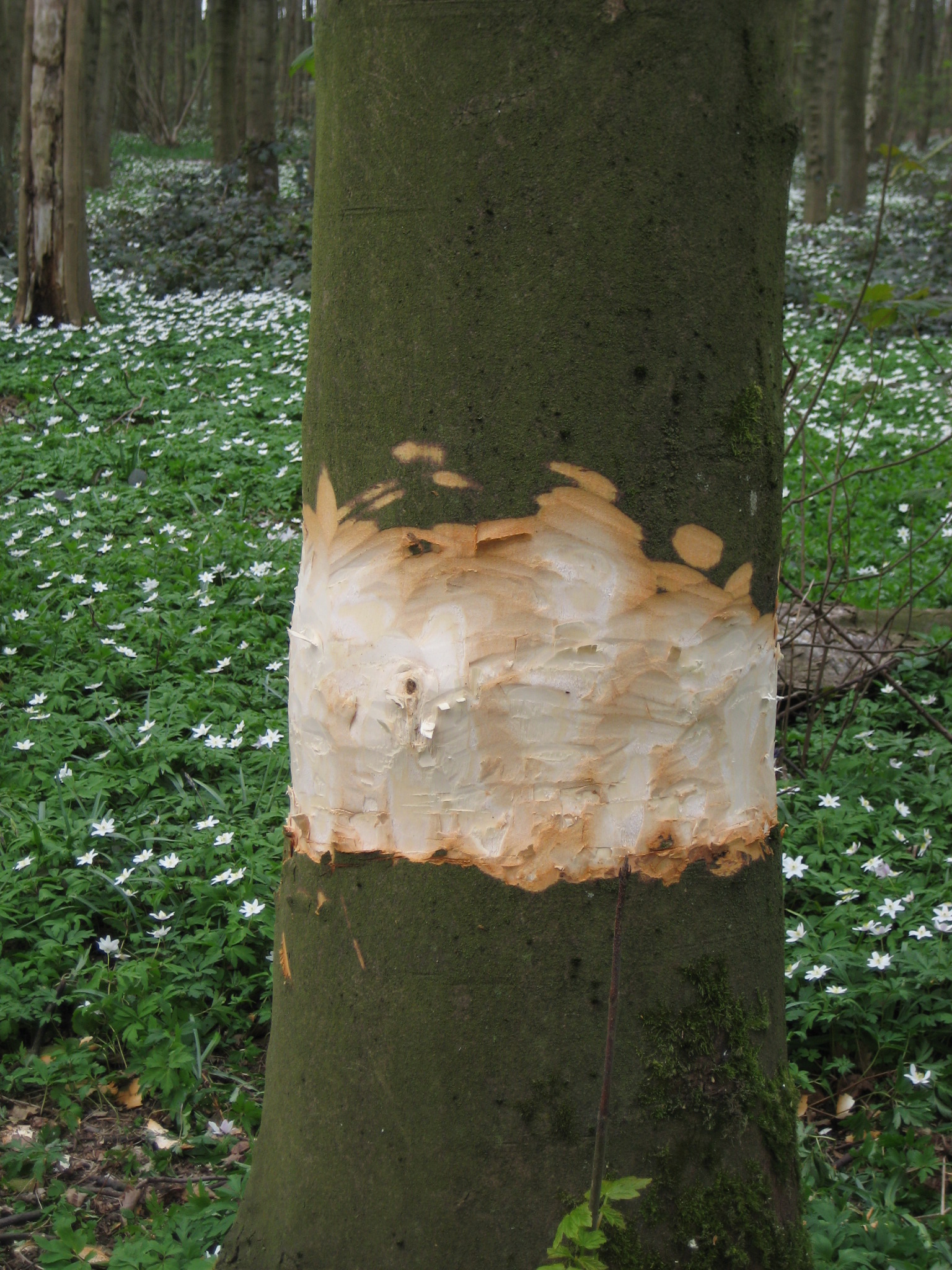
Another job which I wanted to do was ring bark a very large and badly damaged sycamore tree. It has suffered two huge injuries in the past. The top half has been blown so badly by the wind that it completely snapped off. Further down there is a huge scar where a massive limb had also been broken off. The tree was sending up new shoots but it needs to come down for two good reasons. It will never make a good specimen for future timber, only good enough for firewood and secondly, I need to thin some of the sycamore anyway to let more light in. Rather than cut it down for firewood, I decided the least invasive action was to ring bark it so that the top part will die off. The resulting dead tree will slowly decay creating a home for all sorts of other life – fungi, insects and birds that eat them etc. It’s very important to have all types of dead wood around for the ecology of the other species, so this way it benefits the wood as a whole. So it was with a slightly heavy heart I made a mental apology to the tree and hacked a ring of bark from the base. The tree may well sprout again from below the ring so it may not be entirely dead.

Huge ring barked sycamore

Huge ring barked sycamore

So another great day in my woods (one of the best). I’ll leave you with some more wood anemonies and if there is an old woodland near you, get off your backside and have a walk through it over the next few weeks. This is the best time of the year to be there.

2015-04-14 10.55.26
2015-04-14 10.55.40
2015-04-14 15.52.58


Leave a comment

Deer fencing

Yesterday I had intended to clear some of my brash away and continue to build my brash hedge with it and get the newly coppiced area ready for the deer fencing before the new shoots start. As I was taking my roll of netting anyway, I thought I’d do another job first which might take an hour. How wrong that was! There’s an area where dozens, maybe hundreds of ash saplings have sprouted. They’re about a foot high and doing very nicely. I’m guessing they are only a year or two old, and so far have escaped the attention of browsing deer. My plan was to fence off an area around them with the netting to protect them. They can either be a nursery to be transplanted to another spot later or left to grow as a small closely planted grove which would produce lots of tall straight thin stems which could be cut as poles, rather like coppicing. Either way I want to keep the munching deer off them. So that was going to be my first job but it took all day.

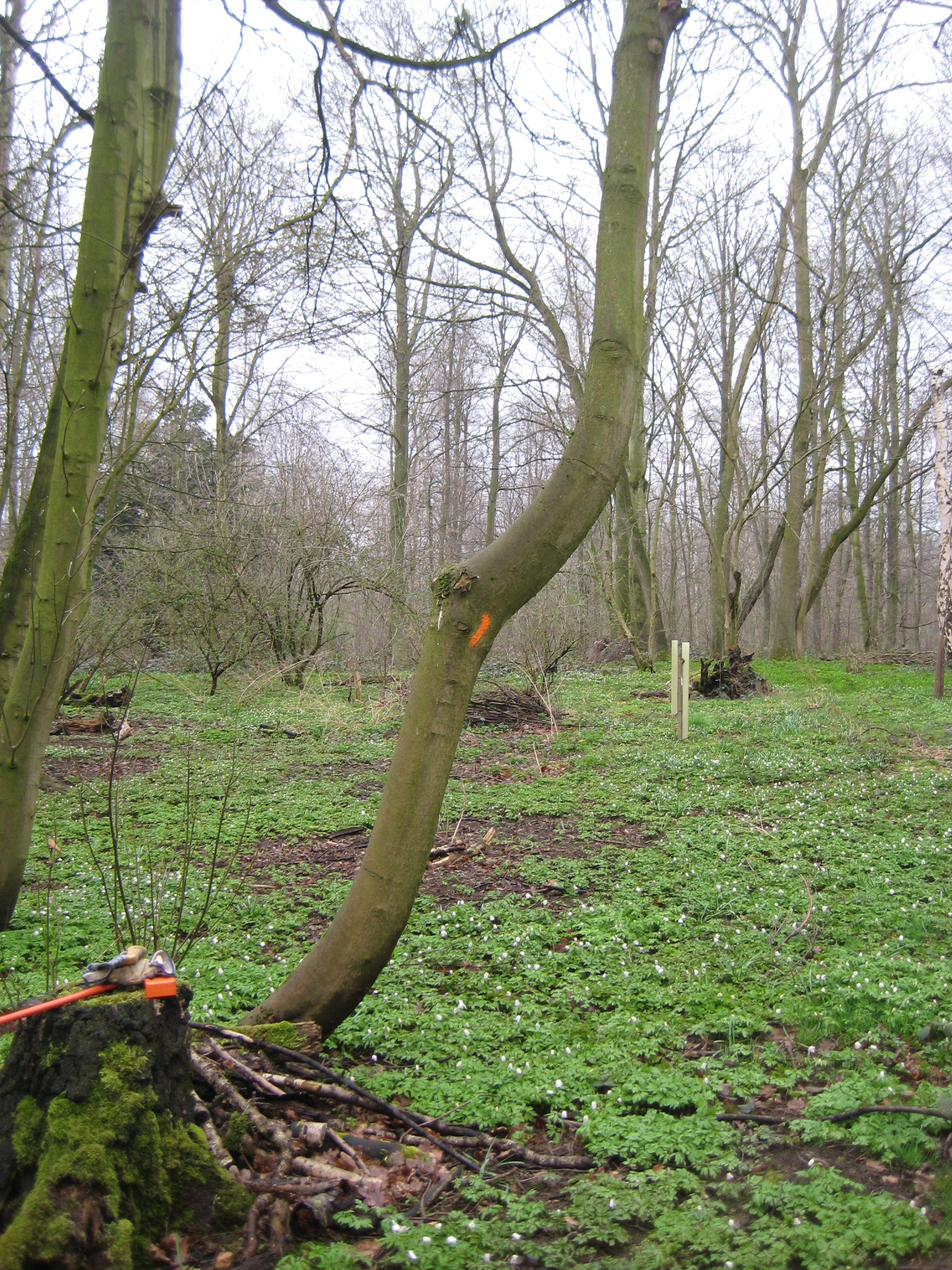
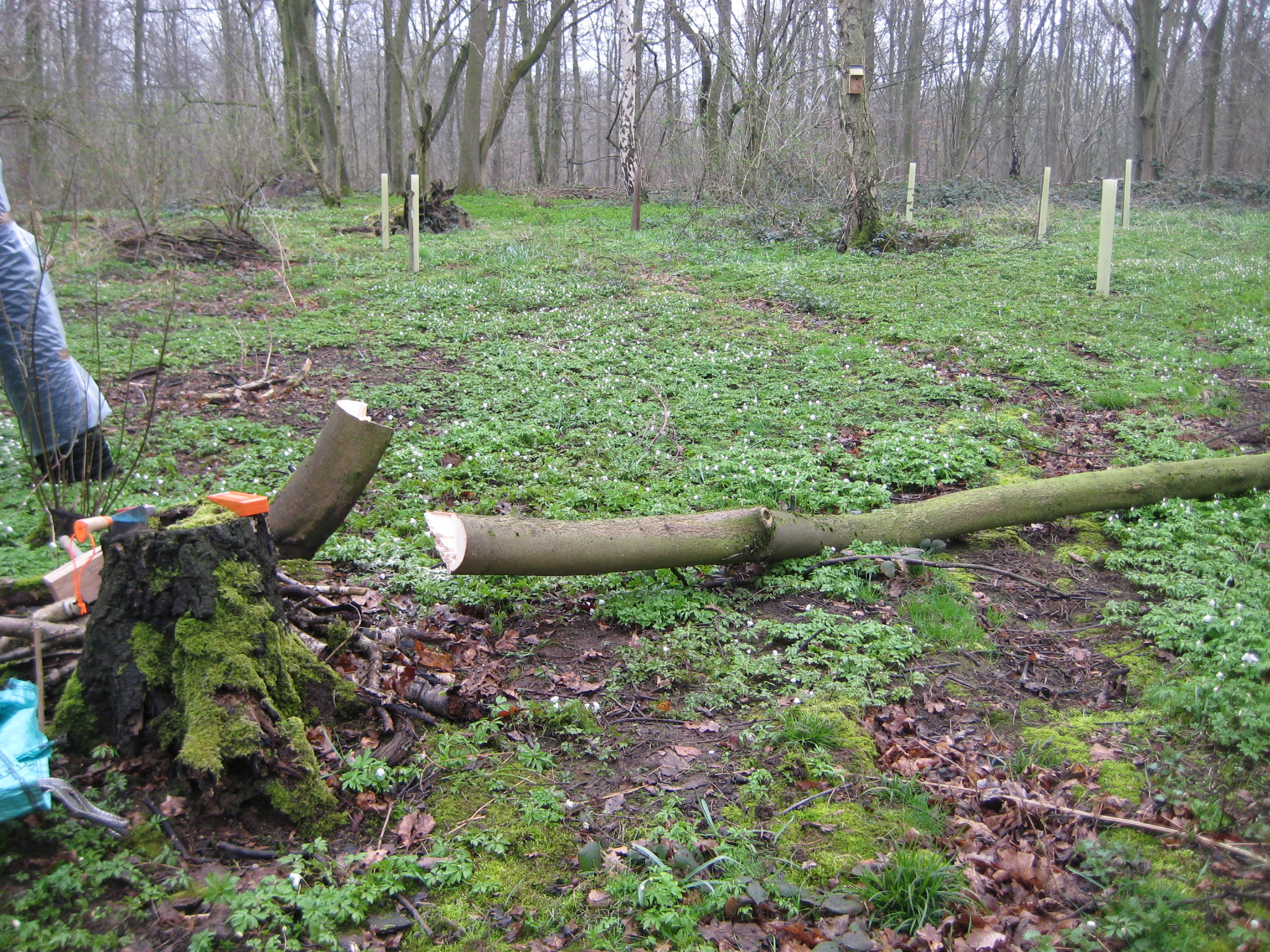
There were three small sycamore trees earmarked for felling. They were poor specimens and removing them will allow more light in to help natural regeneration of ground cover. When felling, you need to assess which way they will naturally fall due to any lean or imbalance of weight and aim to drop them roughly in that direction. They were all in danger of hitting the area to be fenced so they needed to come down first. I’m still using hand saws rather than chainsaws for these small jobs so not a quick, easy job. So once down, they needed clearing away. It’s a case of removing the small side branches from the bigger limbs (called snedding – what a great word) and cutting the limbs into more manageable sizes. So more hand-sawing needed. Some of the straight boughs could be used for the fencing posts along with some hazel previously felled. My aim is to try to use as much material already in the woods, rather than buying posts etc. Still more prep work to do. The area was infested with brambles and although quite low at the moment, they are raring to go again. So it was a case of carefully slashing them at ground level, pulling and tugging at the long leaders without damaging the saplings.

small sycamore before felling

small sycamore before felling

and after....

and after….

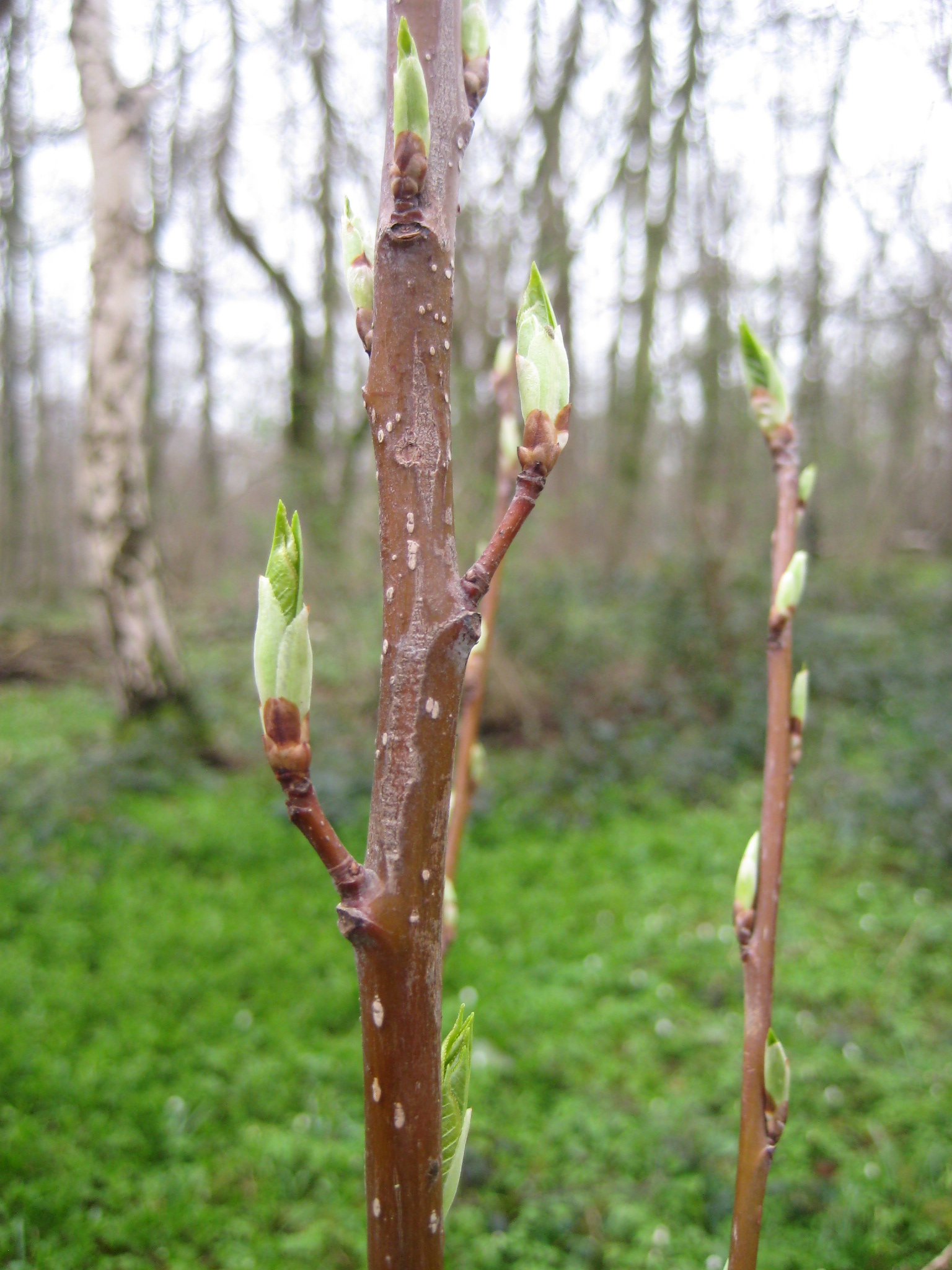
So by this time half the day was gone. A break for lunch (goats cheese and beetroot sarnies). At this point I tell myself I should have a good sit down and rest to regain my energy but you know what? – it’s impossible. If I’m not working hard, then the other occupation is give myself the luxury or a leisurely walk around to see what’s new and interesting. I so lunch time lasted about 15 minutes max. I checked down all the tree guards to see how my newly planted babies were doing. Some are still asleep but many are waking up to spring and showing nice fat buds ready to burst open or already open like the hazel, birch and cherry.

wild cherry or bird cherry (not sure which as I write) just about to break bud.

wild cherry or bird cherry (not sure which as I write) just about to break bud.

The wood is really starting to look pretty now. Most areas are carpeted with a covering of green. Mostly wood anemonies, wild garlic, lords and ladies, mosses and grasses. The anemonies are particularly abundant and flowering now adding a touch of pure magic.

Wood anemonies in flower

Wood anemonies in flower

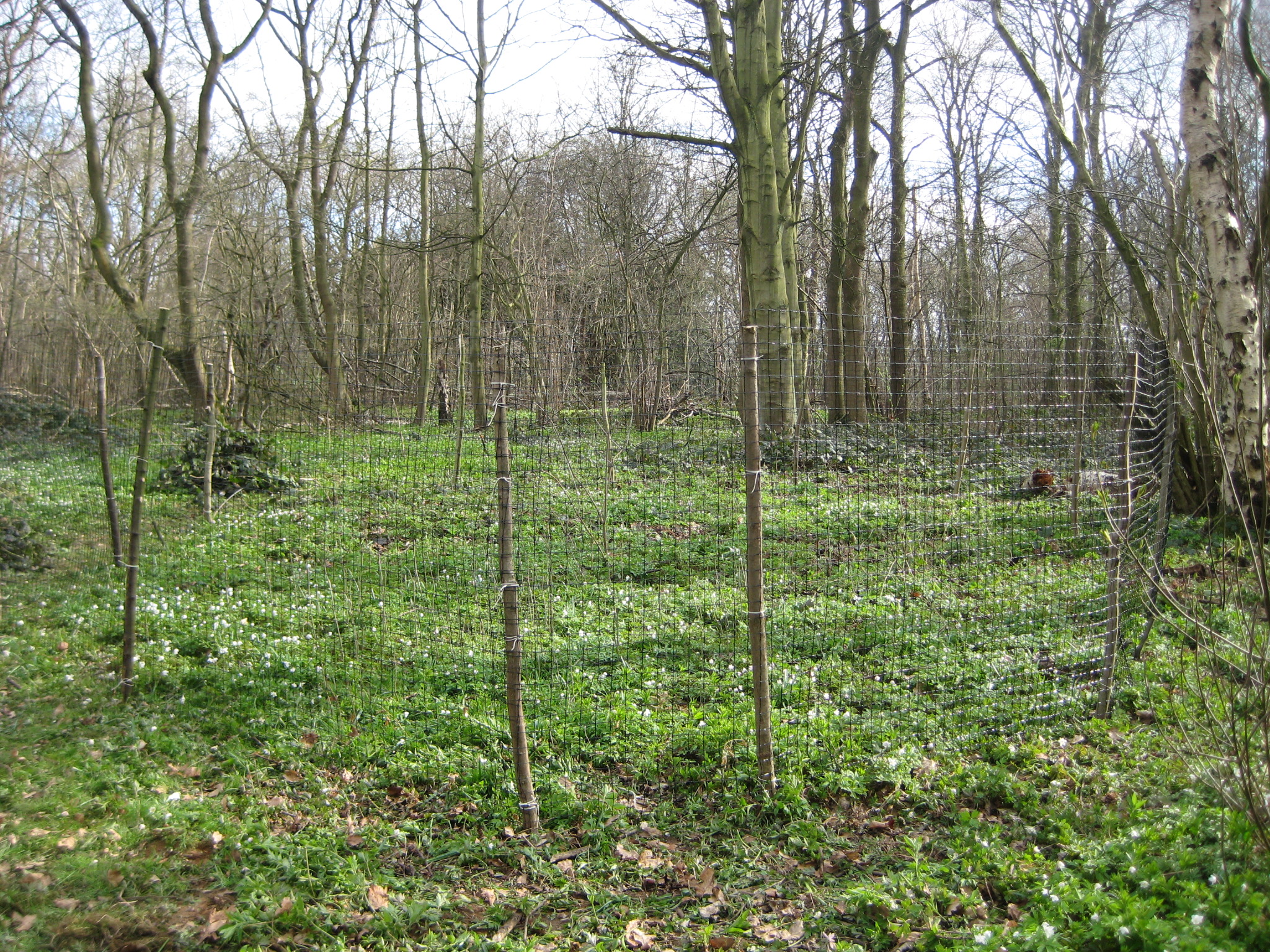
The rest of the day was spent hammering posts into the ground (nice and soft) and tying the netting to them. I made a circular area about 10 metres in diameter. It didn’t enclose all the saplings but would have needed to be twice the size and just not doable in the time I had. The ones outside the enclosure will have to take their chance with the deer and it will be interesting to see how they compare at the end of the year.

At one point I heard a nearby bird calling, not one I could recognise. It was incredibly loud, insistent and quite complex. I couldn’t see it but tried to record some of it on my phone. I omly managed a few seconds, not much to work on. I looked through my bird app on my phone for birds likely to be a woodland and of a reasonable size. The closest I found was a green woodpecker but at this point I can’t be sure. I have only once seen one in my life and it was very fleeting so I’d love to see one in my wood. I’ll keep you posted on that one.

My newly erected deer netted enclosure protecting my ash saplings

My newly erected deer netted enclosure protecting my ash saplings