Diary of a man and his woodland

A blog about a man's dream to own a small woodland.


3 Comments

Woodland harvest and a welcome campfire

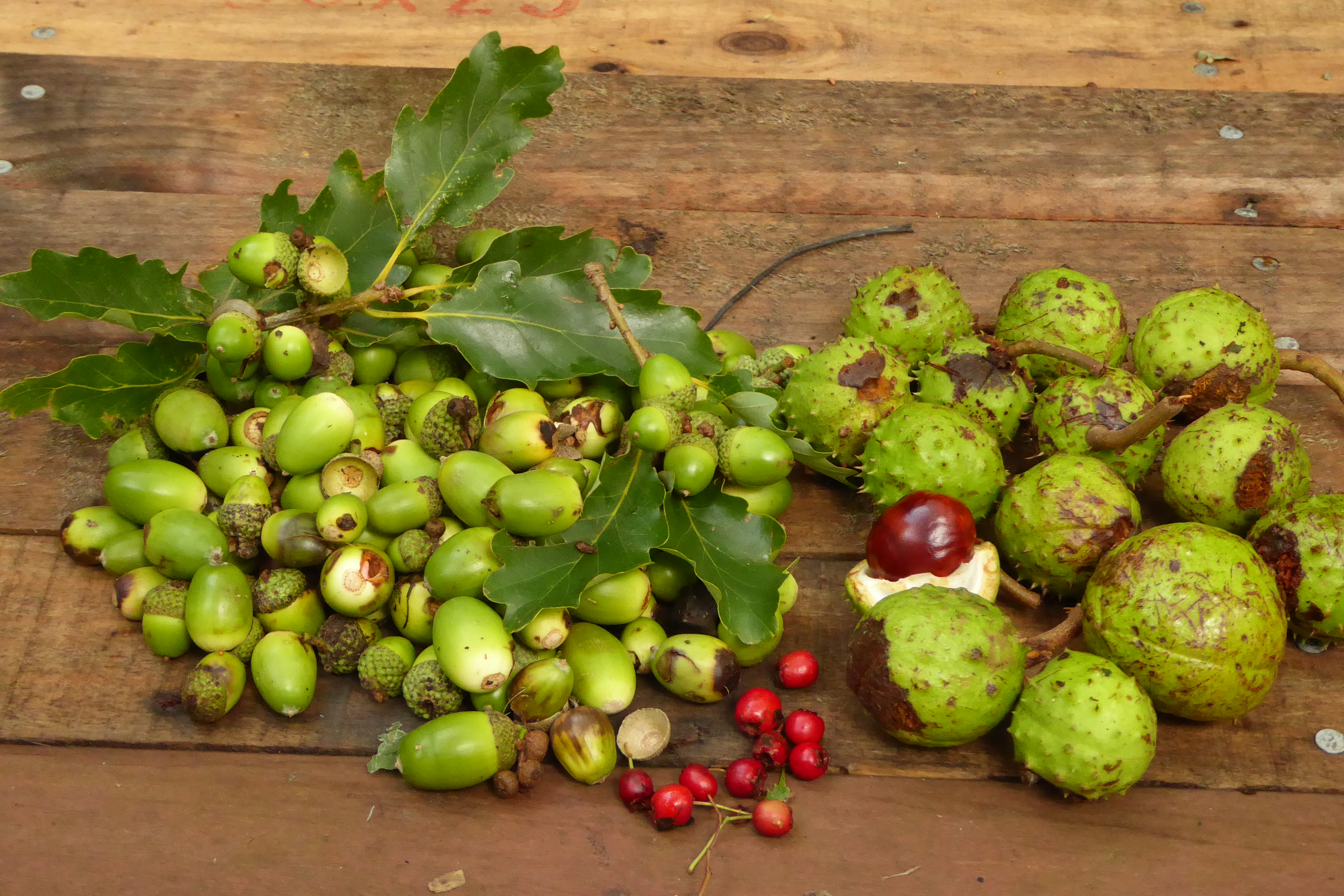
It’s been a wet, dull, depressing week of weather at home, I was ready for another woodland therapy session. There must have been some high winds at the woods, there were lots of acorns and other woodland fruits scattered around. It is extremely rare for me to find acorns even though I do have quite a few oak trees. They just don’t seem to produce many and probably what they do produce, get eaten by the squirrels and mice before I get to them. I gathered a good crop and intend to germinate some to grown on and plant up eventually. The woods were eerily quiet, hardly a bird to be heard or seen. I put some food out for them and still didn’t see any. Not even my friendly robin.

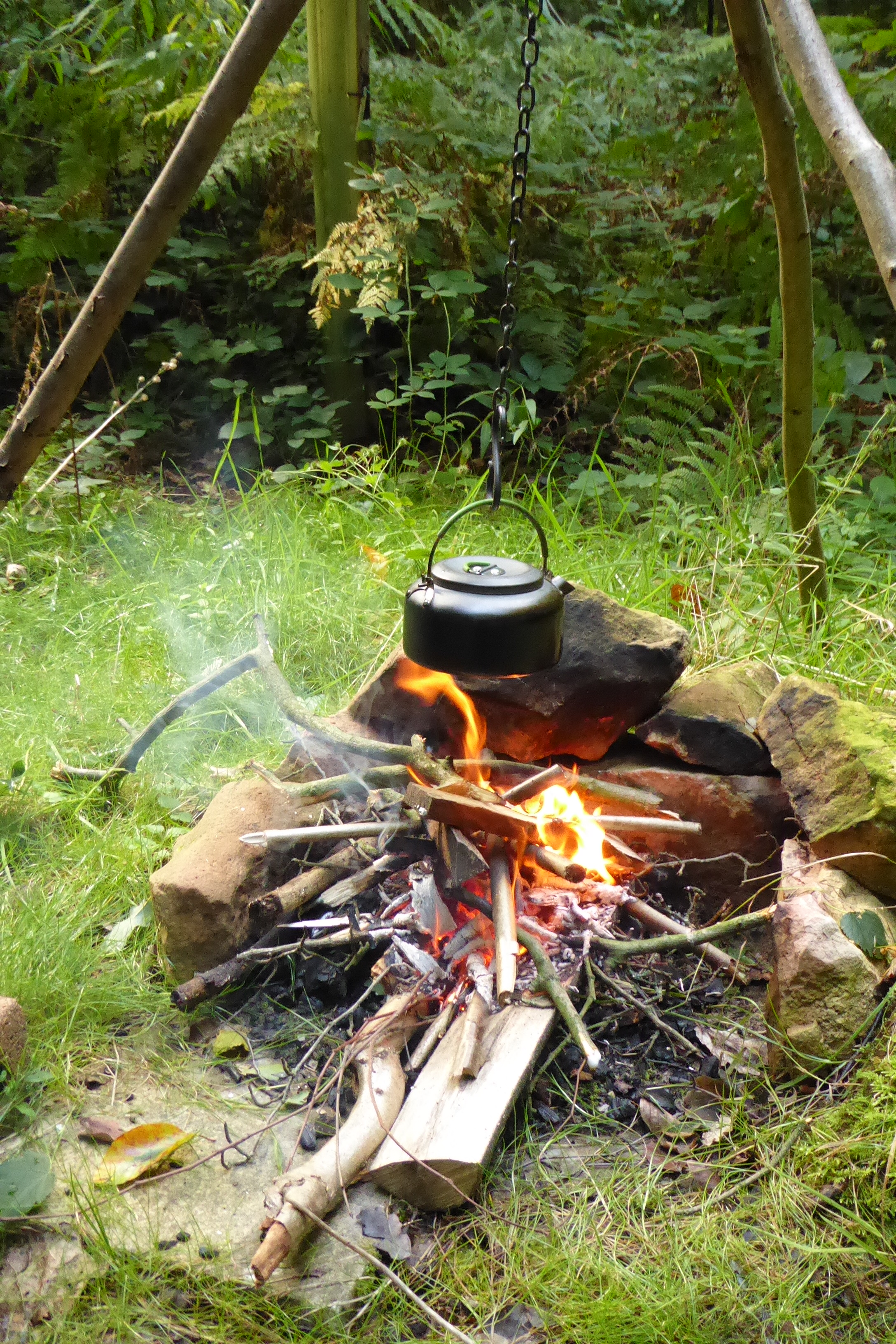
I planned to have a camp fire. It’s one of those wholesome, soul reviving things I love to do. There’s magic and comfort in making and using a fire. It’s built into our ancestral memories and somehow just makes me feel so good. Get the mini kettle on and make a nice filter coffee, sit back and the simplicity of life in the woods.
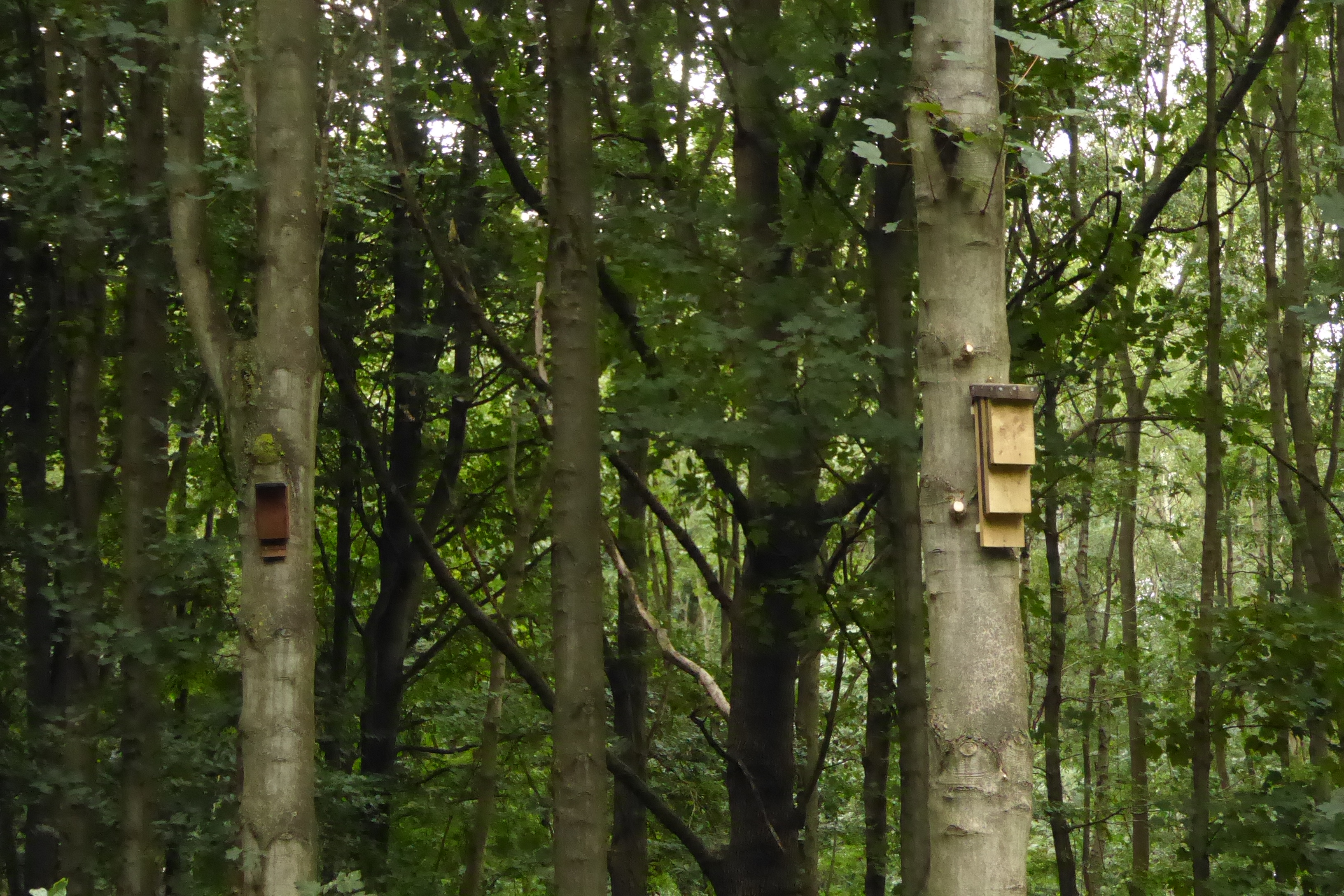
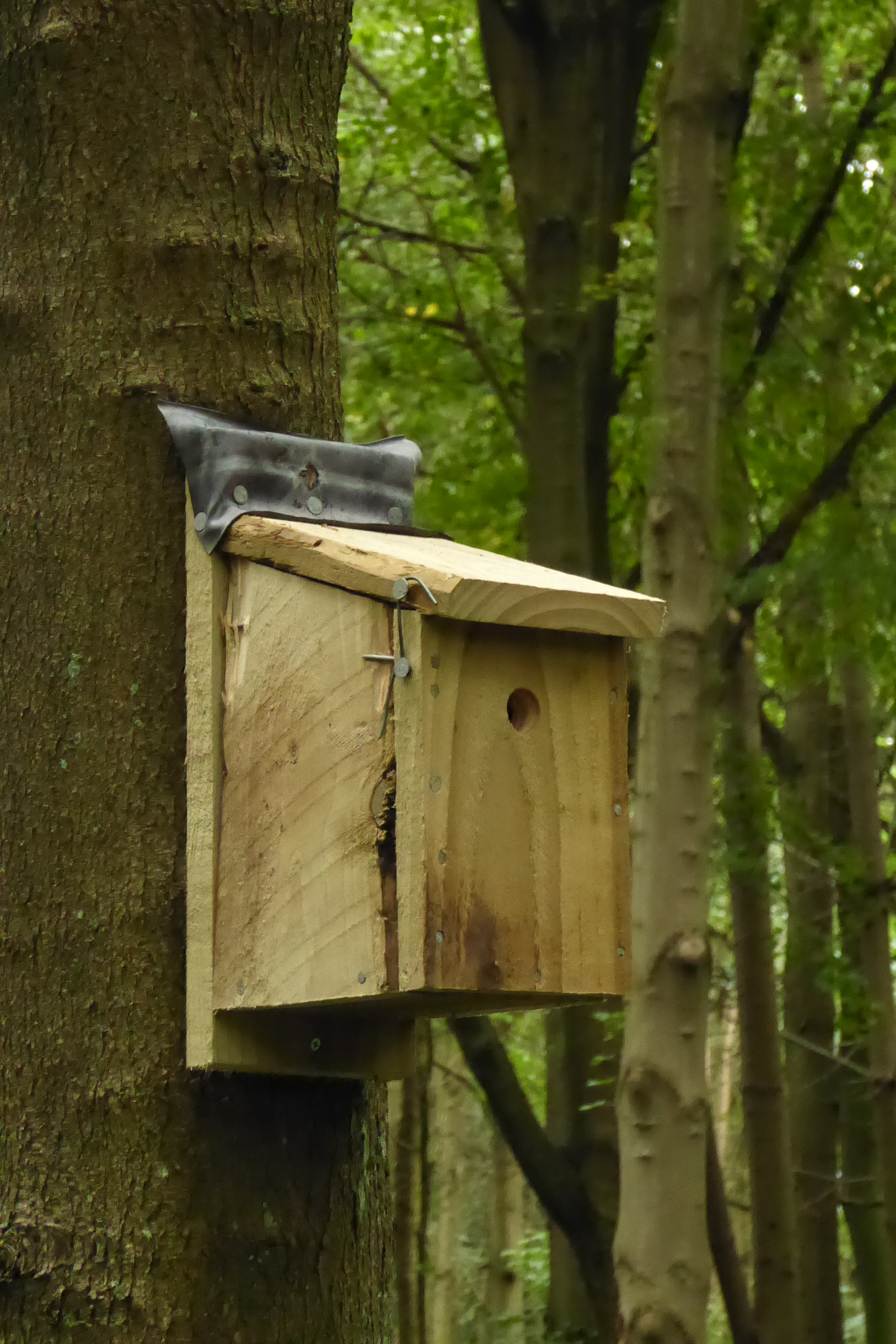
I wanted to do some more metal detecting so had about an hour at it but didn’t find anything much at all. Slightly disappointing but there will be days like that. I had a few jobs in mind, putting up the bat box and two new bird boxes I made earlier this year. The bat box is placed near the one I erected last year. A quick look up the gap with a torch revealed a nest of earwigs living in it and no signs of bat activity. The new one is closer to the edge of the glade and hopefully might attract more bat attention.
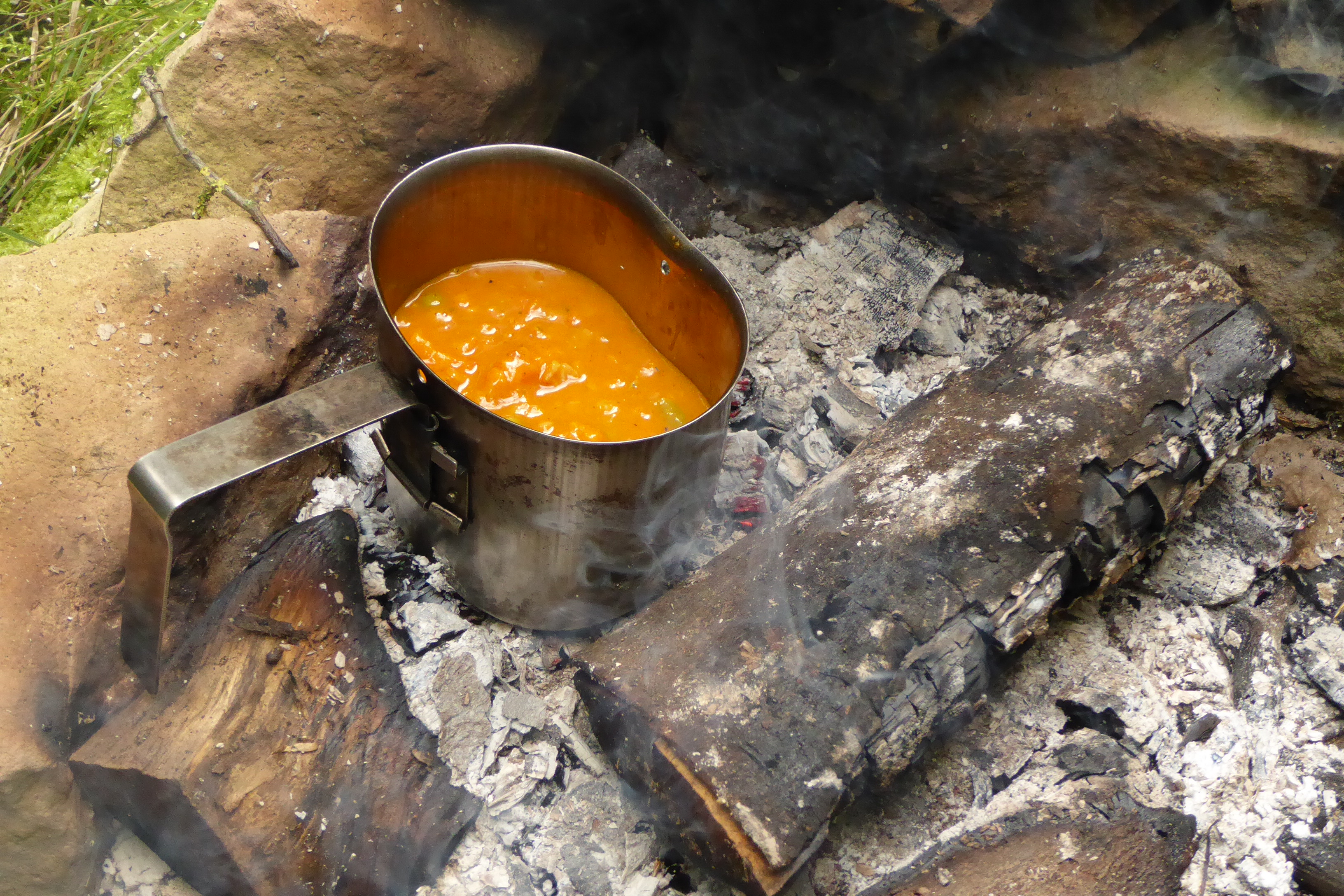
Lunchtime soon came and it was back to the fire to heat up a can of vegetable curry. No need for flames for this exercise, just sit the army canteen on the hot embers for five minutes. Not exactly challenging cuisine but again it was just nice to use the fire in a primitive way and it was delicious!
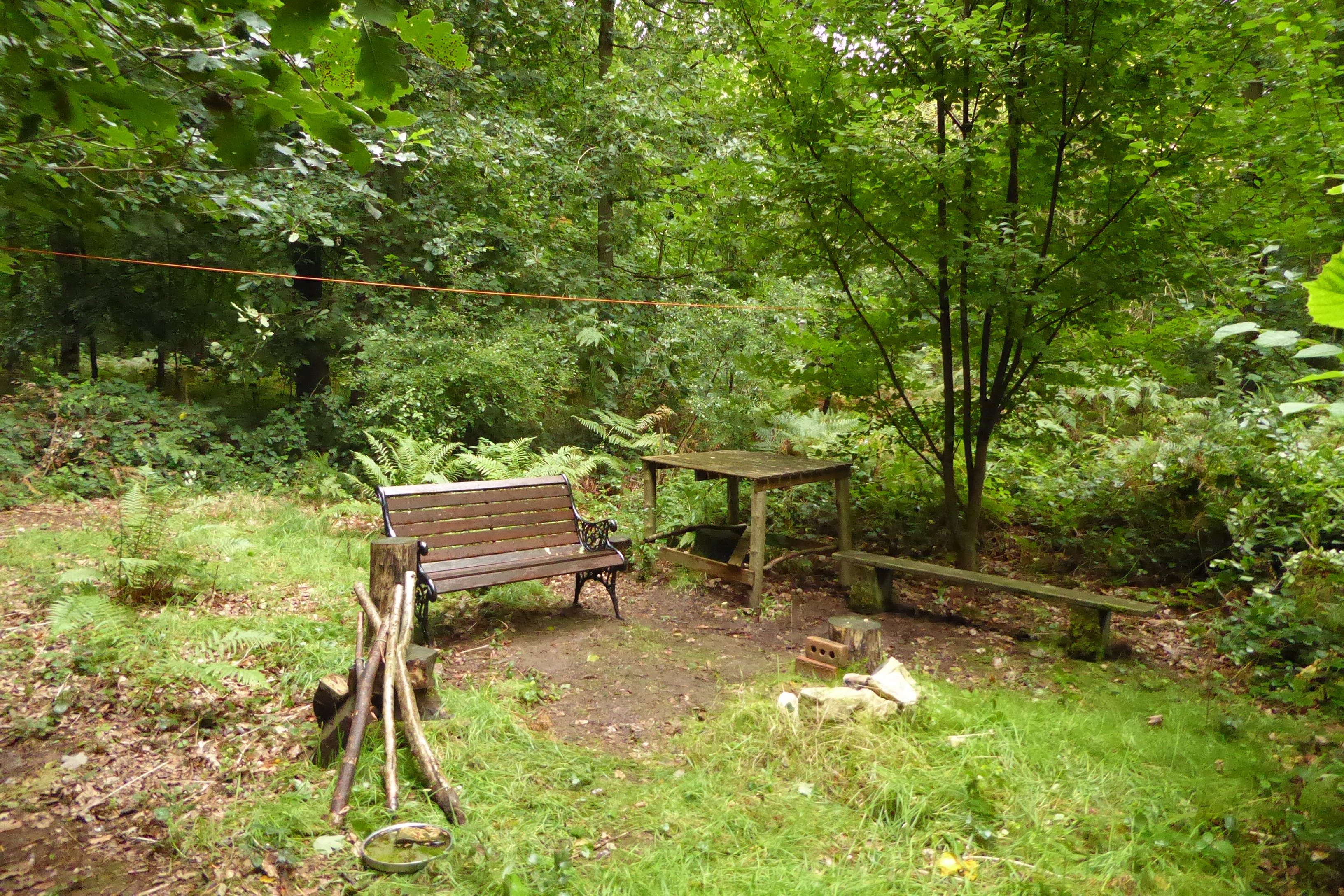
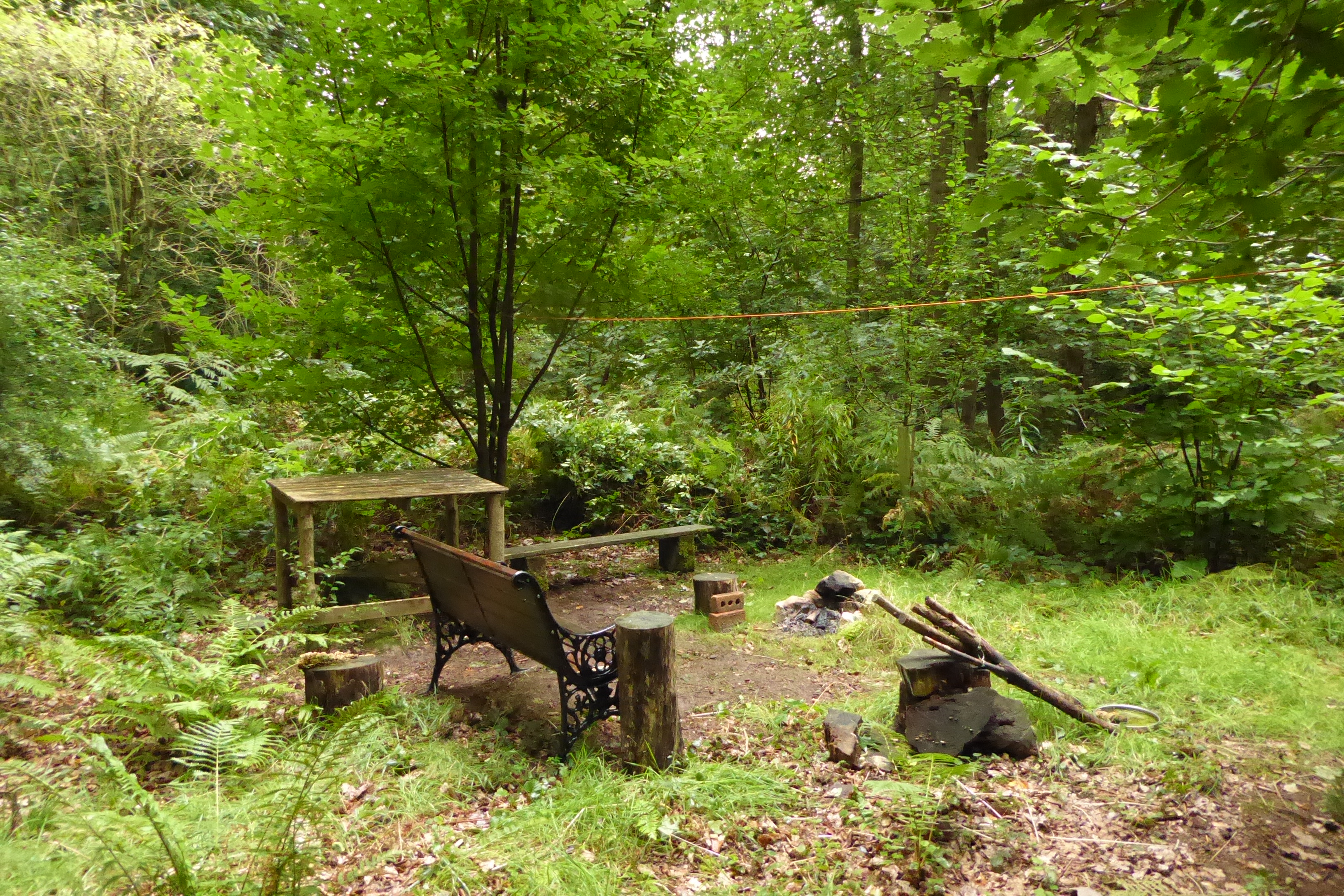
For a while now I have been thinking about changing my camp area slightly to make it more convenient. Mainly so that a tarp can be strung up over the bench and table if the weather turns wet when staying overnight. There weren’t many trees close enough to attach a ridge line to, but behind where the bench used to be, is a young Bird Cherry tree which I planted a few years ago. It has grown remarkably fast and is now strong enough to support a ridge line. It’s just an experiment at the moment. I moved the bench out and at ninety degrees to the old position. It’s still conveniently facing the fire and the view up the entrance path which I like. I strung up the line to see if it ran close enough and will try out the tarp on another occasion. The table might need turning sideways and moving up next to the bench as well. We’ll see but it looks promising. It gives me easy access to the tree for the ridgeline and also a place to hang my rucksack up out of the way.
I cleaned up the utensils and was about to do a bit more detecting when it started raining. I wasn’t expecting any so it was a blow. I hurriedly gathered all my equipment and threw it into the back of the car and sat inside for half an hour until it eased. The break came and I put the other two boxes up. They were to replace two old ones that were falling to bits. There was no sign that birds had used them this year, just various insects and a massive Leopard Slug! Hopefully the new ones will be a more attractive accommodation for them next spring.
Once again my intended metal detecting was thwarted when the rain started once more. Rain in the woods can be enjoyable, listening to the gentle patter on the leaves etc. if you allow yourself to go with it. But it does make any sort of work or activity uncomfortable and difficult. So after half an hour of just sheltering and enjoying the peaceful atmosphere, I decided to call it a day and head home early.


Leave a comment

Brambles and buttons

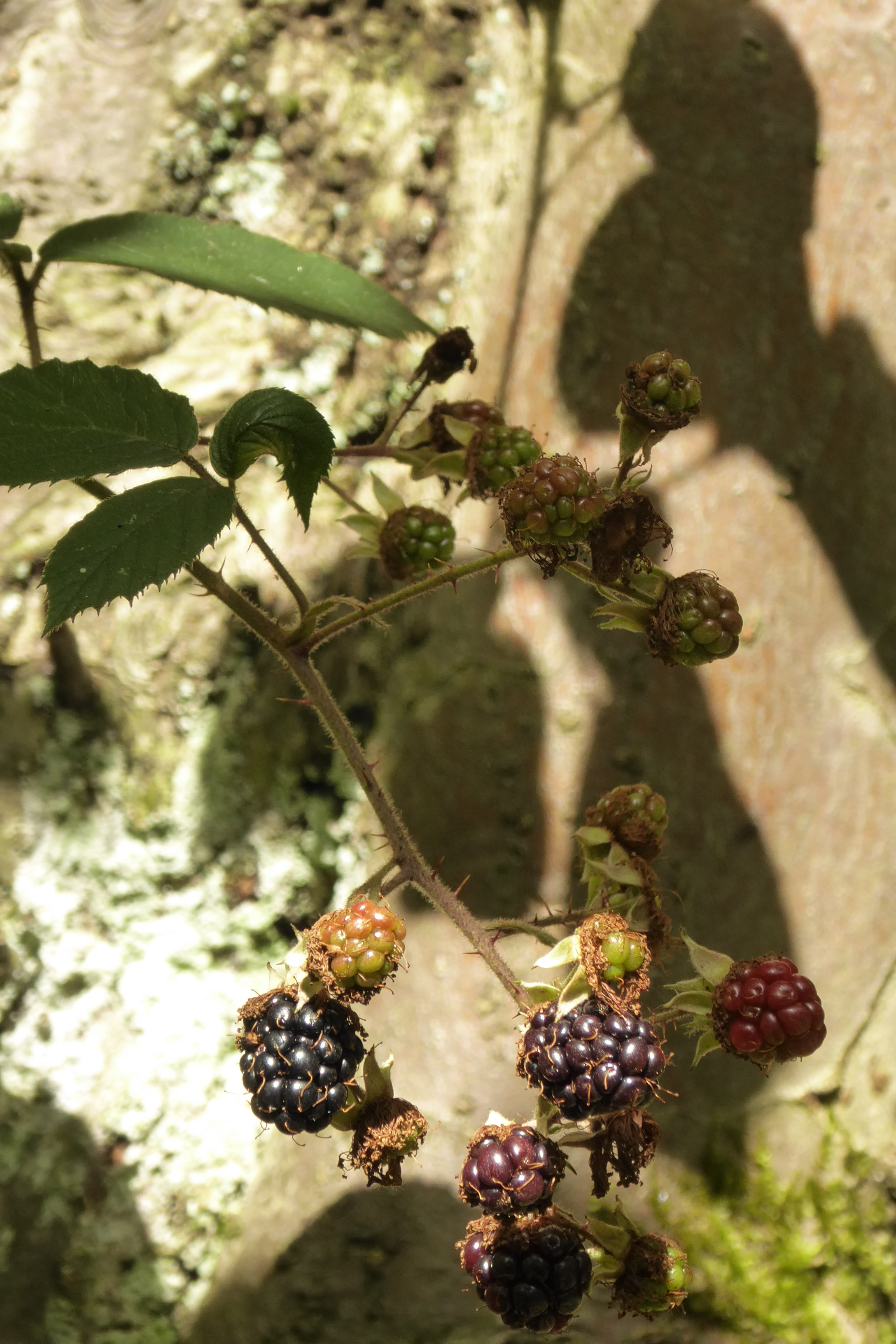
Yesterday’s main job was to continue cutting back the brambles with the brushcutter. This year they have gone crazy and although I am changing my attitude to them, they do need controlling in some areas – mainly my paths and where I have planted saplings. I realise that there is no way I can eradicate them to any significant degree and that they are a useful habitat for a lot of wildlife. Food for insects, birds and small animals and shelter from predators too.

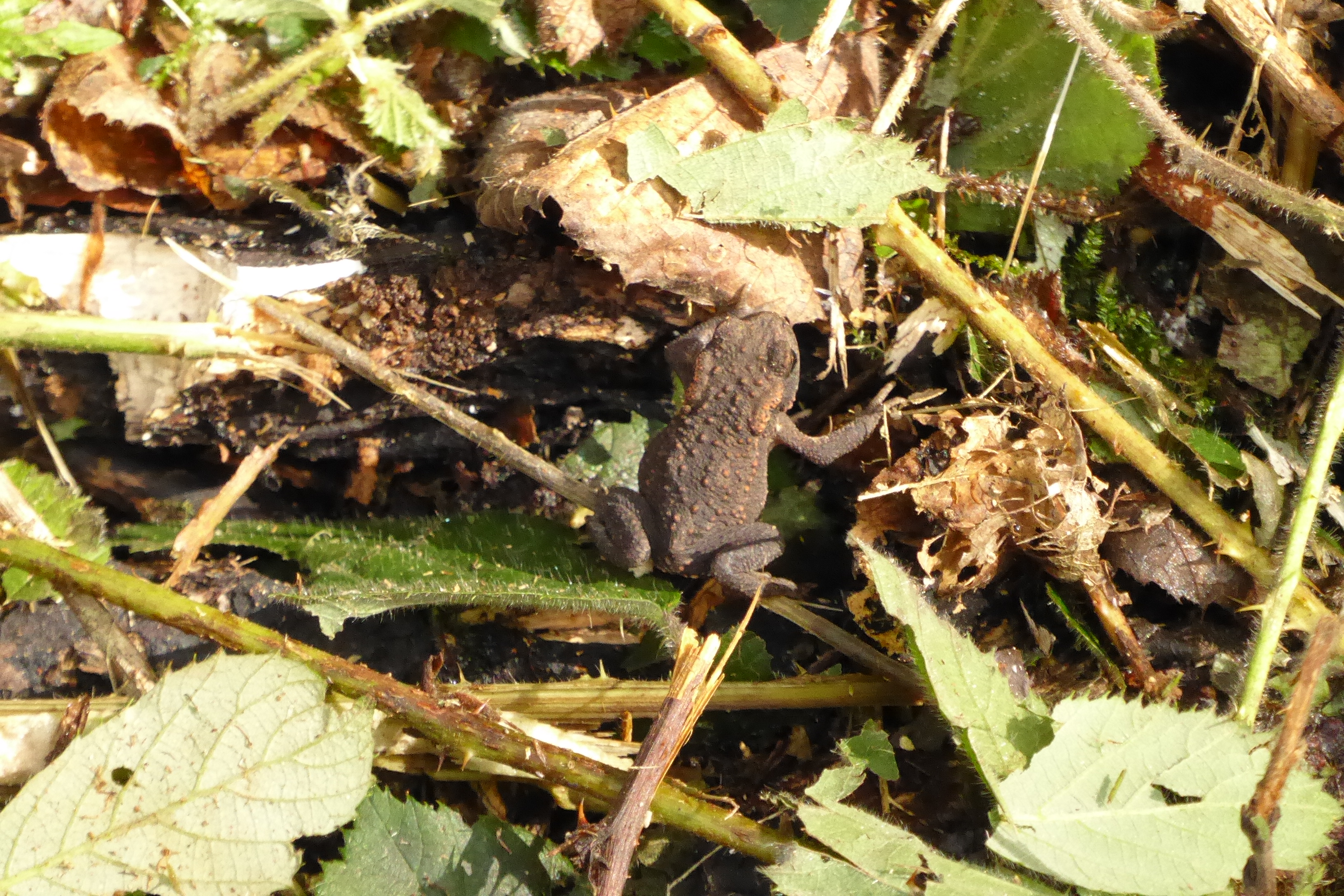
Walking about afterwards I spotted quite a few small young amphibians, I hope I didn’t mash any up! This one is a common toad and was only about 25 mm long. I’m puzzled as to where they breed. It wasn’t my pond and the nearest one I know of is several hundred metres away. I know they can migrate away but why would they not just disperse into their immediate woodlands?

The woods were incredibly quiet on the bird front. Hardly any to be seen or heard. I guess a lot of the summer visitors like the Blackcaps and Chiffchaffs might have returned to where they came from and also after breeding season, there is no need to advertise their presence with songs and calls.

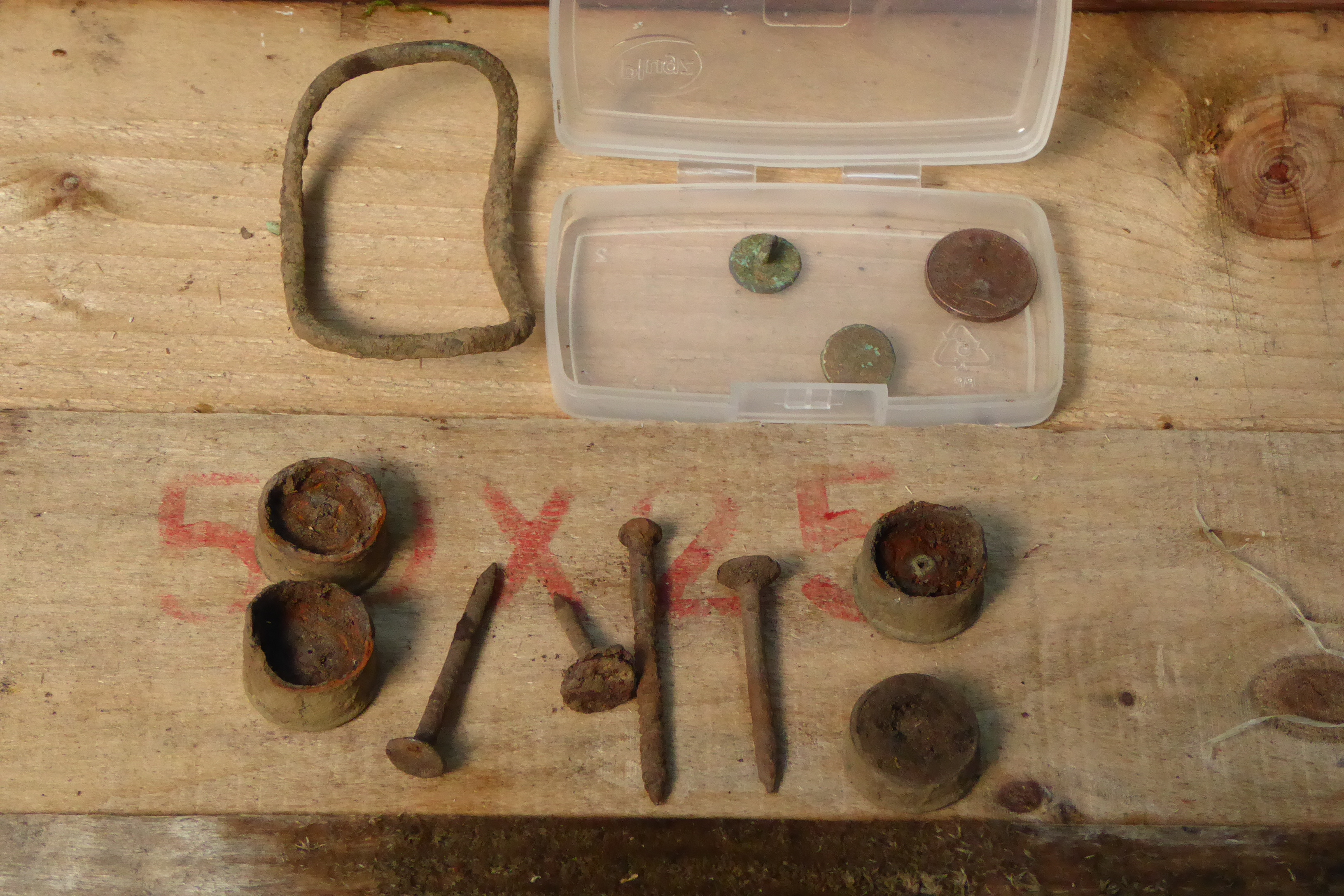
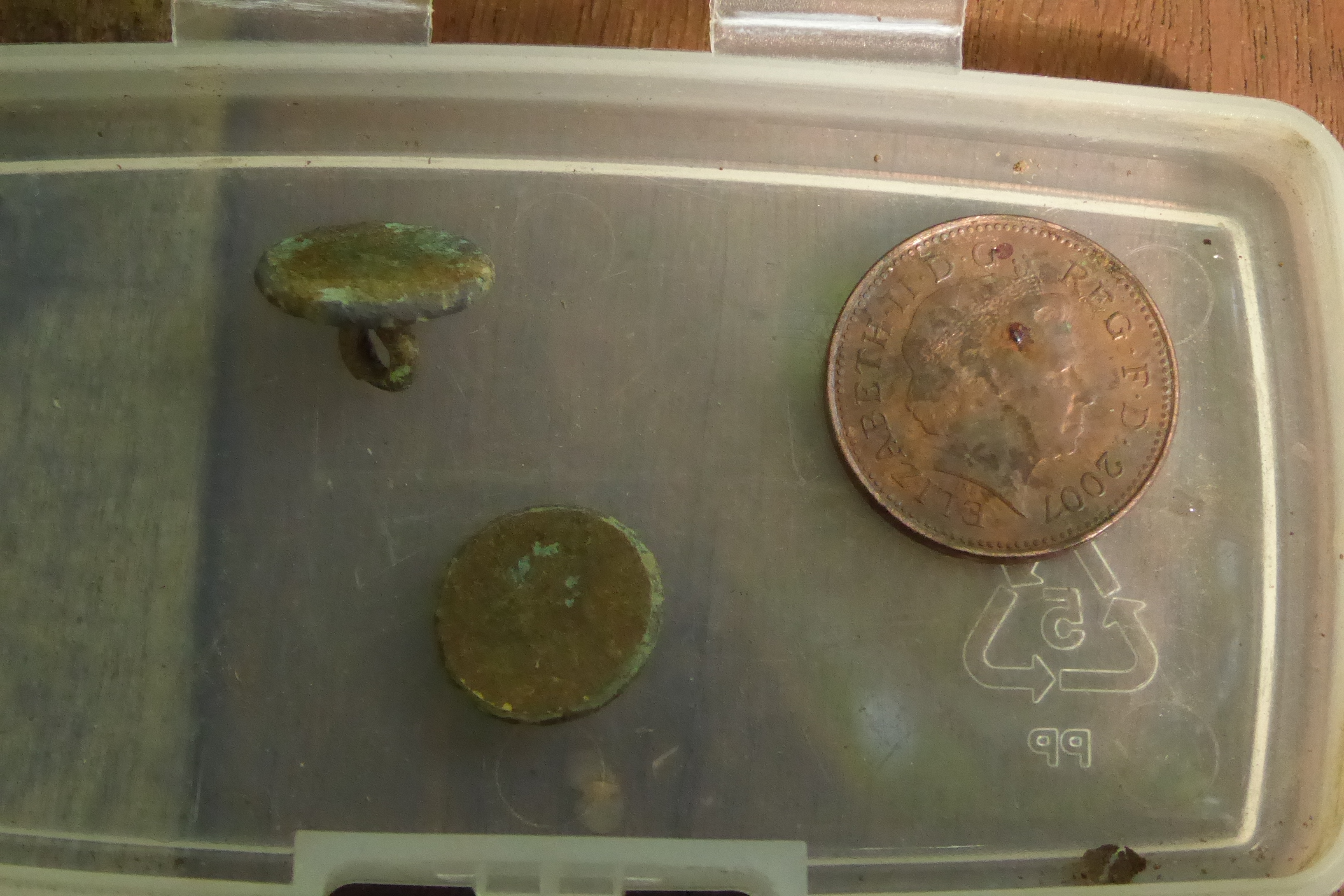
I was keen to have another session with the metal detector and the recent rain has softened the ground a little making it slightly easier to dig. As well as the usual junk – spend cartridge caps, nails etc I found my first coin. Now don’t get too excited, it was just a 2007 penny but a significant find for a beginner. A little more exciting were two small brass buttons. They are tiny and I wonder what type of garment they might have come off and how old they are. They look to be the same type but were actually found in different parts of the woods. Could they have been shirt buttons on a woodland worker who got snagged on a branch or even the brambles! I’ll do some research and see if I can find an approximate age.

I was really dismayed to hear a story from another woodland neighbour. He is a keen nature lover and often walks the rides looking for wildlife to spot and photograph. He came across a distressed female fox calling out and went to investigate and found a young one had been caught in a box trap, set in another neighbour’s plot. He released it. Technically I suppose he was trespassing but in my opinion it was absolutely the right thing to do. He said he had spoken to the owner later and asked why he was trapping them. He said there were too many in the woods and they were killing the chickens and ducks that some neighbours down the road were keeping. I know they can be very destructive in that way but I believe it is the duty of the owners to make their property and birds secure from predators and not to feel they should annihilate them. I have said it before, the woods are not ours, they belong to the creatures that live in them and they have the right to exist there. It makes my blood boil.

Till next time – a few photos.


1 Comment

Brushcutting brambles and a nice little find with the metal detector

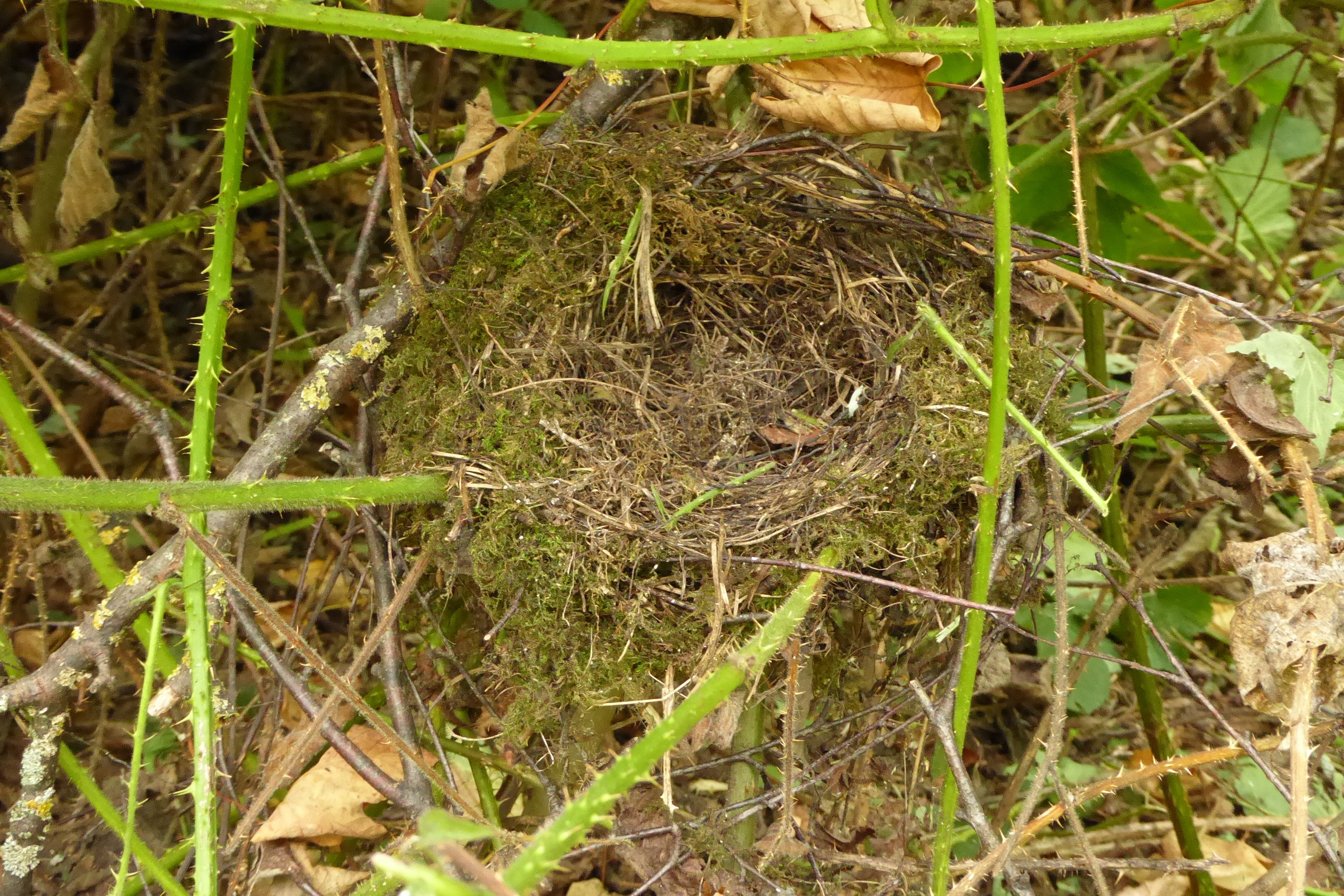
This year the brambles have gone crazy. Was it the rainy winter followed by early sunny weather we had in Spring? I’ve decided that trying to keep them down to any significant degree is impossible. .o my strategy these days is just to keep the paths and work areas clear, keep them down around any plantings I’ve done and blitz the areas where I am intending doing any felling. It’s clear that wildlife benefits from them. Hiding places for small birds and mammals, frogs, toads etc. Food from the flowers and berries and places for certain butterflies and other insects to lay eggs. Whilst clearing one of the paths I came across this old nest. Possibly a robin. So there’s some proof and also to make sure cutting is done before or after nesting season. Pretty sure it’s finished now.

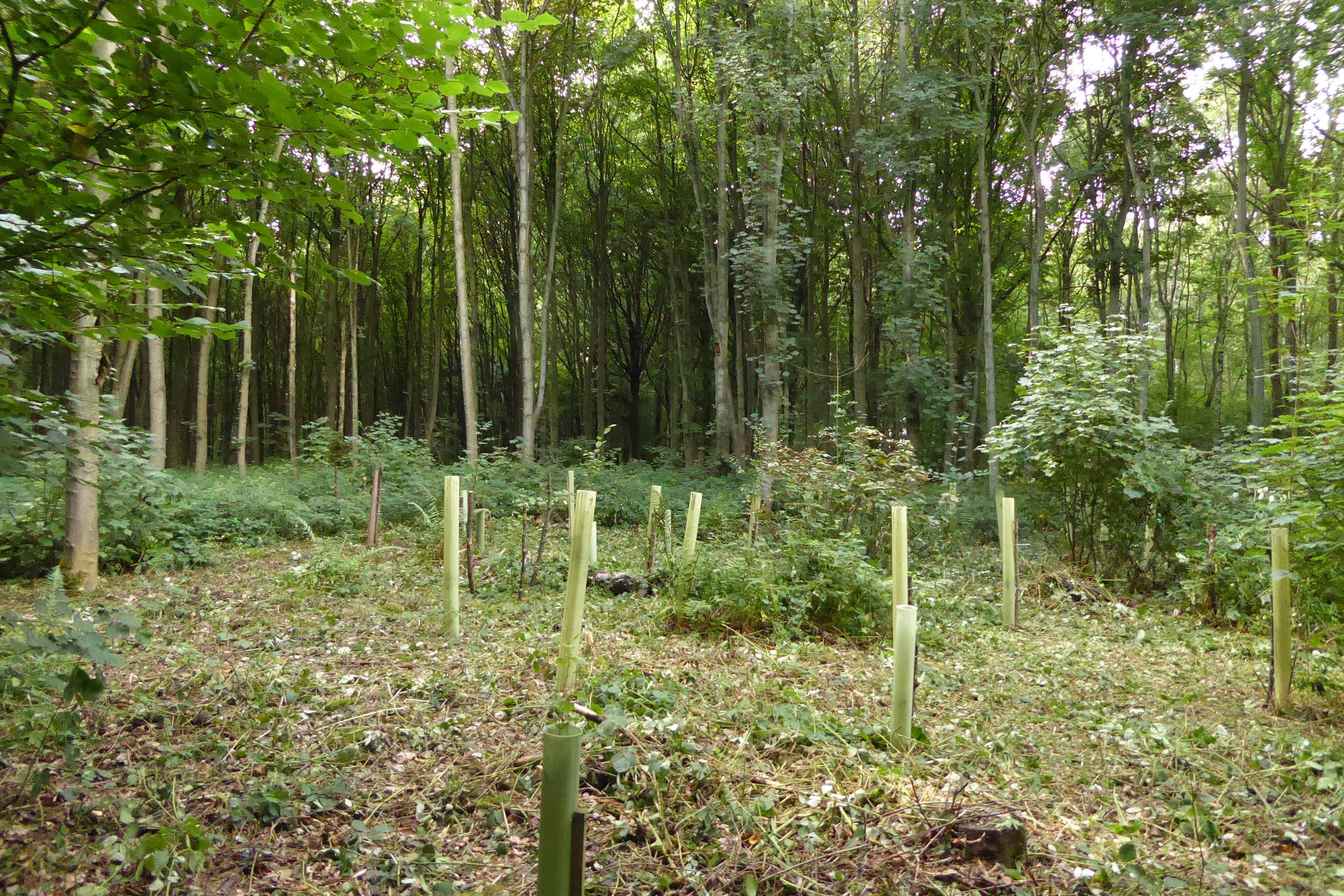
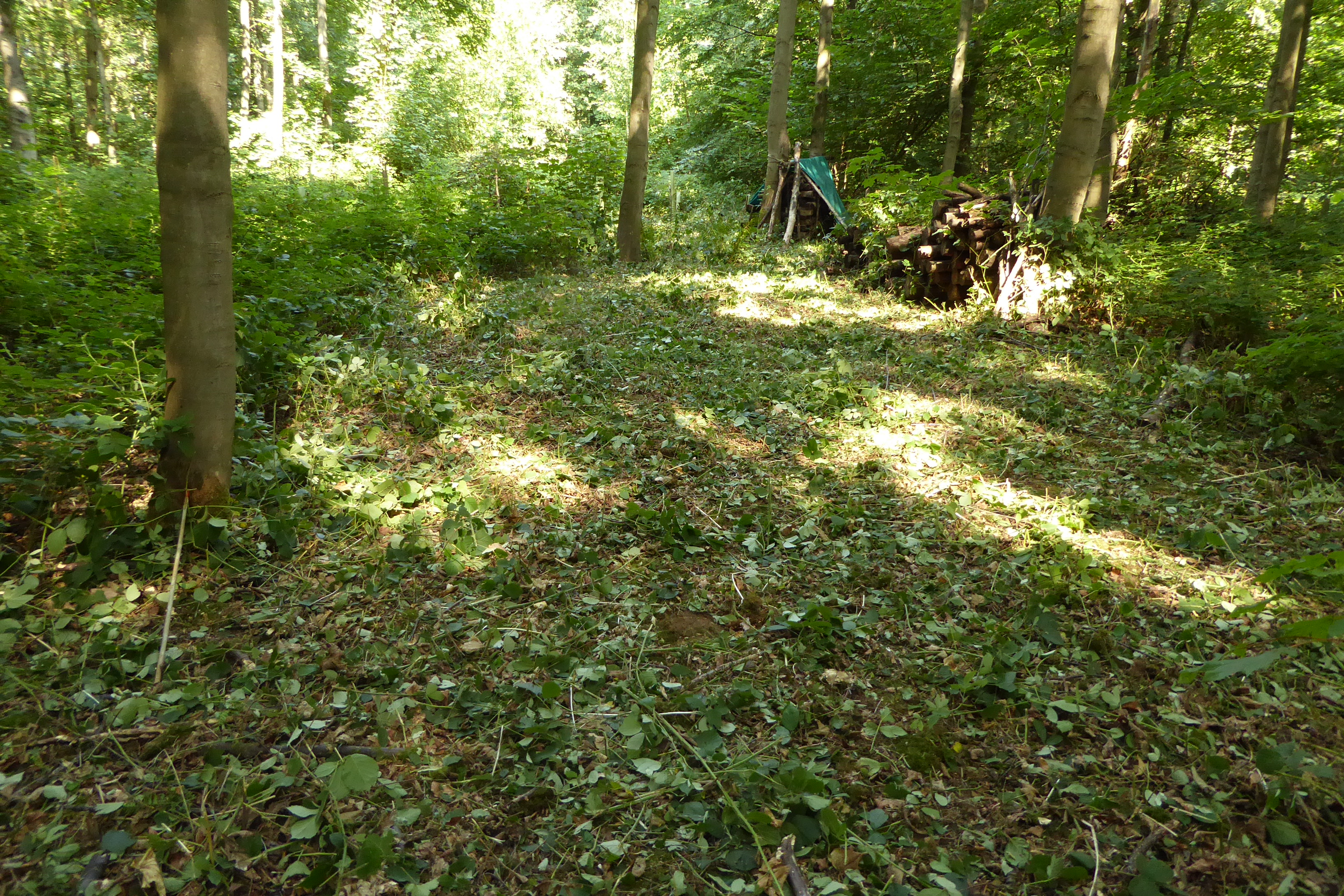
You can see from the photo below where I have cut it back compared to the area behind and to the left. Still some more to do there. It’s the area I felled and replanted, so the extra light has given the bramble a massive boost but that will compete with my saplings for water and nutrients.

I was supposed to be camping on Wednesday night but earlier in the week the forecast showed thunder and rain all night and all day Thursday. So I cancelled. When Wednesday/Thursday came it was wall to wall sunshine. Despite all the satellite and computer technology available to meteorologists, they still can’t be relied on more than a day before!

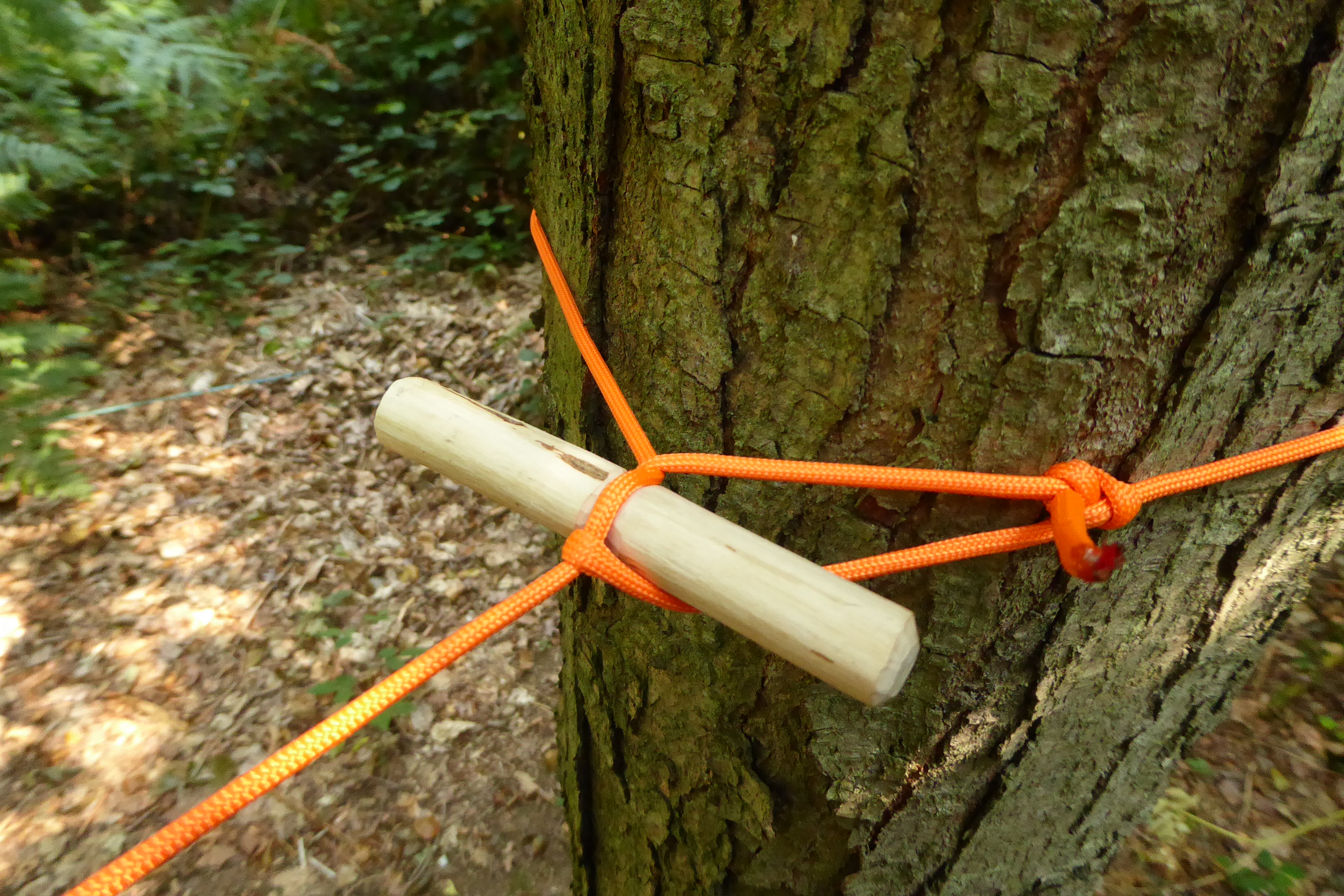
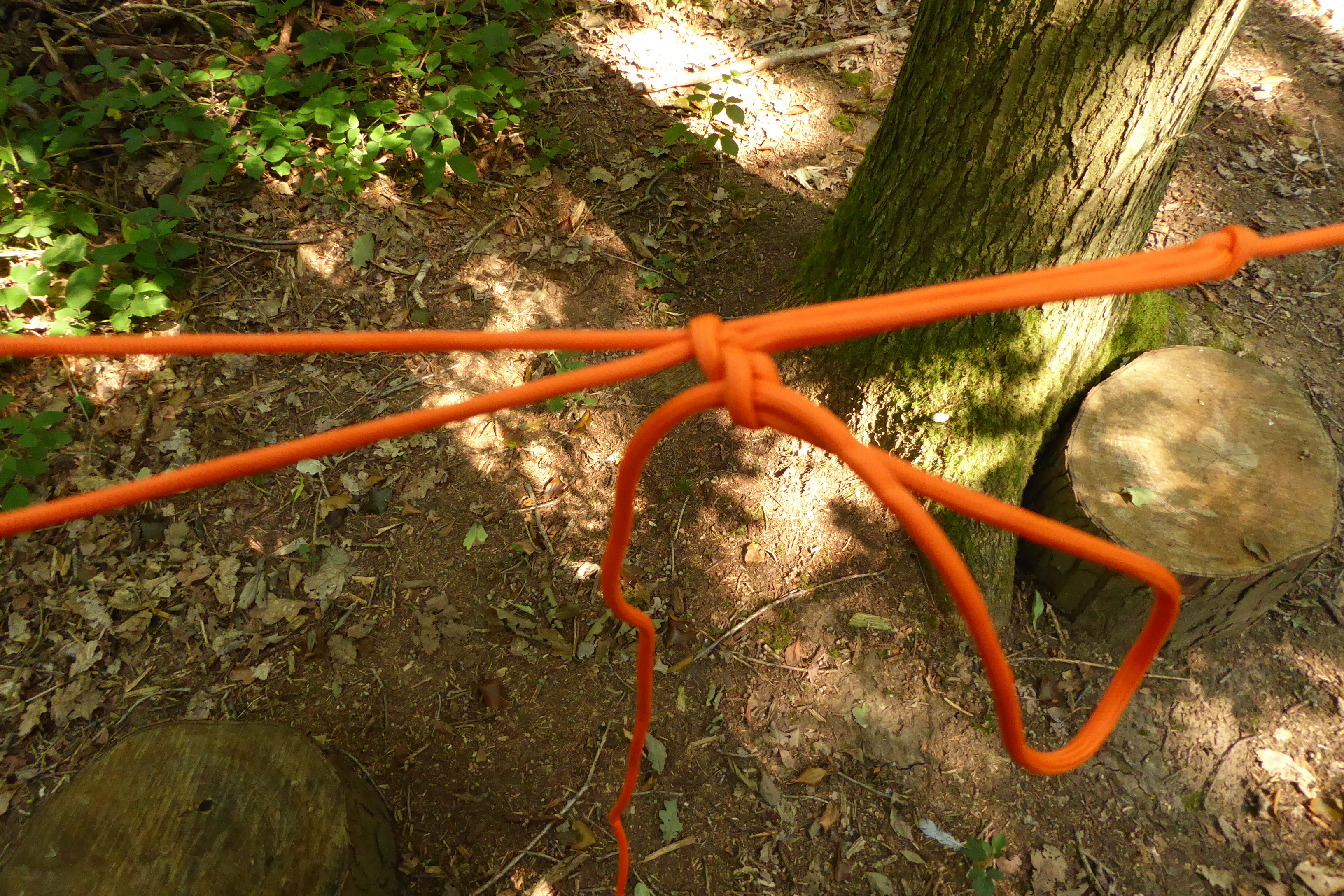
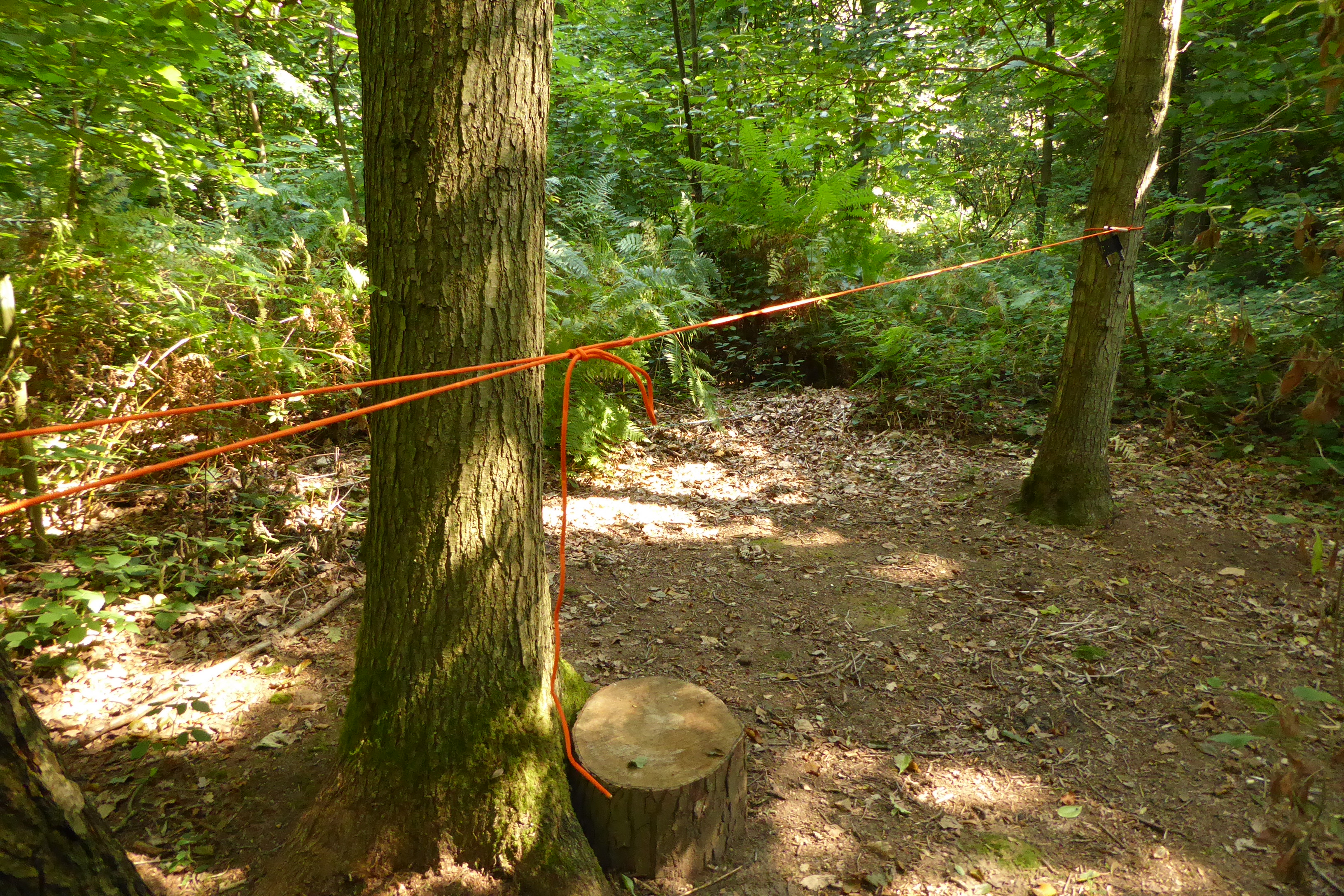
Where I plan to pitch my tarp/tent, I need to erect a ridgeline to hang it on. It needs to be very taut. There are various special knots which allow you to pull the line tight but the one I had normally used (as demonstrated by Ray Mears) wasn’t as good as I wanted. I saw a better one on Youtube called a Trucker’s Hitch. You anchor one end to a tree with a simple Bowline and toggle, then run the other end around the other tree and use the Truckers Hitch. It works like a sort of pulley system. I’m not very good at learning knots but I practiced at home, running a line between the front door handle and the newel post at the bottom of the stairs! So it was time to try it out on the trees. Here’s some photos to clarify it but if any campers/bushcrafters want to know exactly how, then just search for them on Youtube. It’s too hard to explain in simple words.

Here’s the static end using a toggle and bowline

Here’s the Truckers Hitch (sorry it’s blurred)

and here’s the whole thing in situ. It worked very well

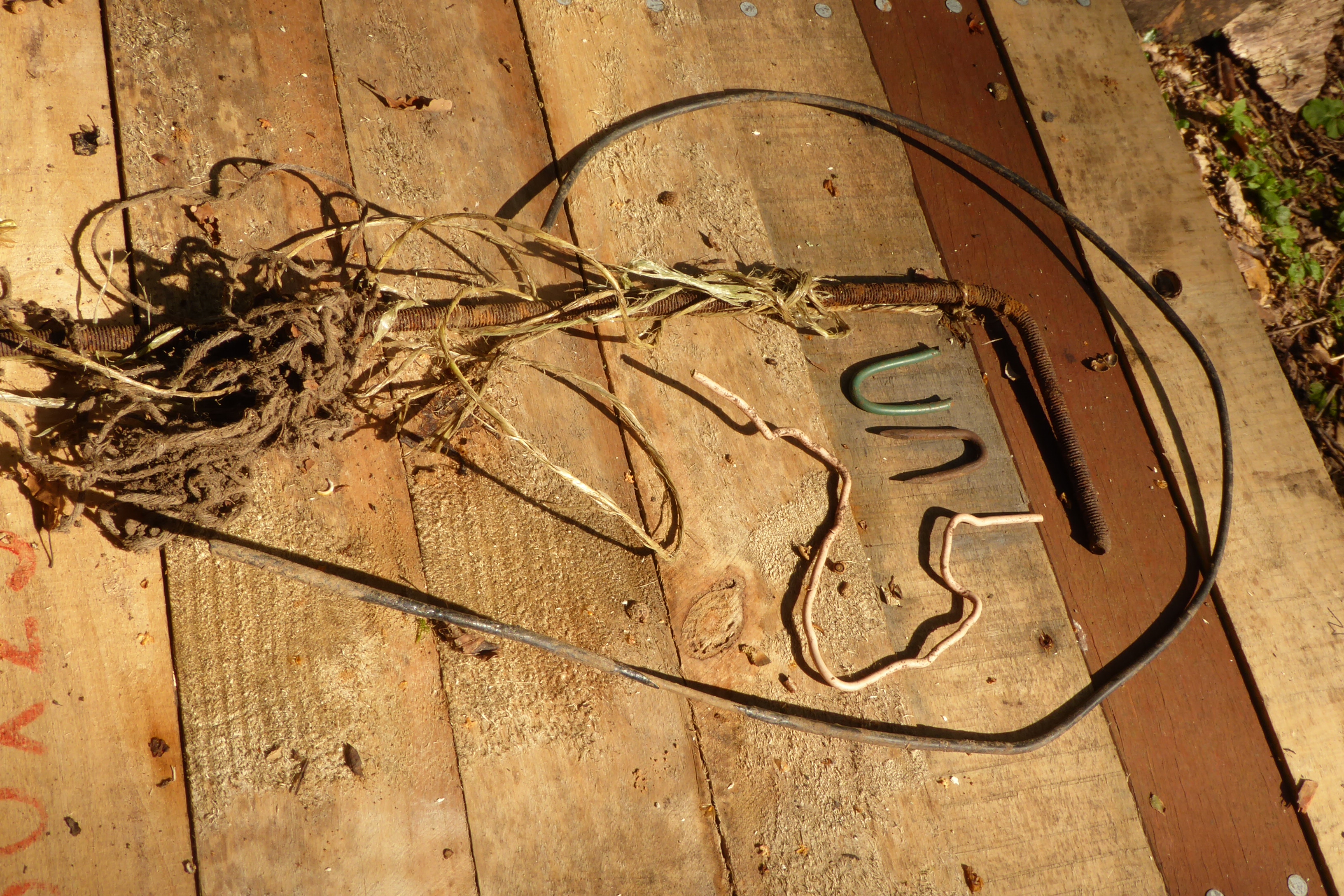
Now what about the special find whilst detecting? I dug up about eight finds. The usual rubbish – wire, a staple and a long threaded piece of steel bar with string around it which had been left by the student archeologists who dug here in the 1990s.

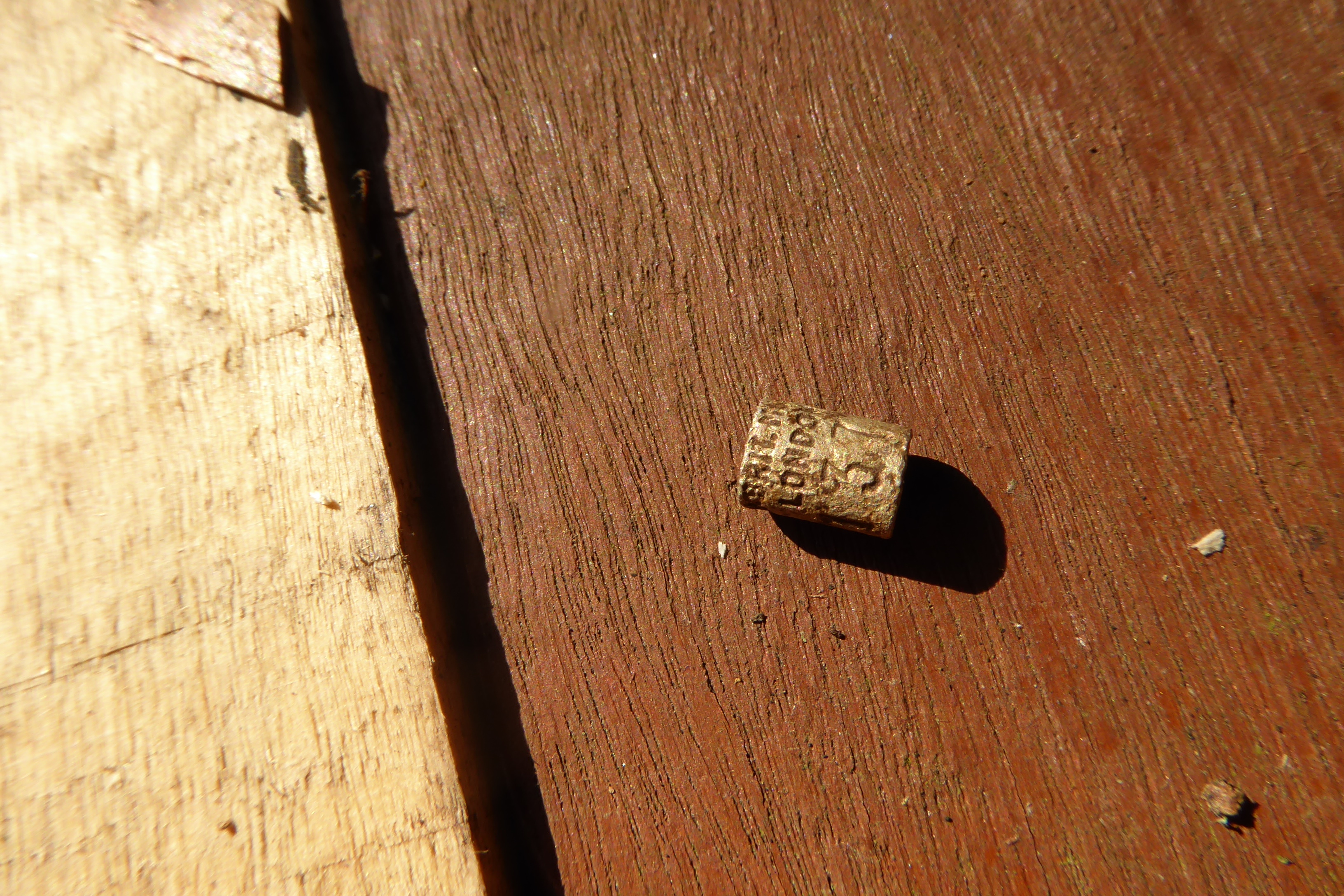
But the little gem was this thing – can you tell what it is?

It’s a leg ring from a small bird. I was well impressed with the sensitivity of my detector to find this tiny object and even more amazed that I actually found it! The inscription says INFORM BRIT. MUSEUM LONDON SW7 and there’s a serial number on it. A bit of research tells me the Natural History Museum used to be called the British Museum up until 1992 but actually they parted ways in 1963. So the ring must be at least pre 1992 and even pre 1963. I have informed the BTO (British Trust for Ornithology) who now request any ring findings, so I am hoping they can supply me with some interesting data – what species of bird, when and where it was ringed etc. I’ll let you know what they say.


Leave a comment

Treasure in the woods?

Intriguing title eh? I’ll come to that in a while. It was a very still and quiet woods when I arrived. Quite surreal, hardly a bird sound and even the noise of traffic on the A1 a few miles away, which can often be heard, seemed absent. It’s rare in our modern lives to be anywhere where there is no sound at all and apart from the occasional wood pigeon cooing, you could have thought you had gone deaf! There was no whisper of a breeze even, to set the leaves rustling and I sat for a while just enjoying being there in the moment on my own (apart from the millions of other little lives that surrounded me and some of which enjoyed a free meal on me).

I was pleased to get several visits from an adult robin. Could it be Bertie, the one I had feeding off my hand? I don’t think it was but I didn’t try offering food and simply left some on a tree stump next to my chair to get it accustomed to the idea.

So what about the treasure? For a while I have toyed with the idea of getting a cheap metal detector to investigate what is under the surface. Small pieces of metallic scrap are always turning up on the surface on my walks but the area in and around the woodlands has a long history of occupation – medieval, Roman and Bronze Age. After losing my knife a couple of times I started looking into it. Turns out that any new machine under £100 is a waste of money, so I ended up buying a decent second hand, entry level machine. Having no garden at home to try it on and finding out that metal detecting on public land is banned by the metropolitan councils, I was really keen to have a go with it at the woods.

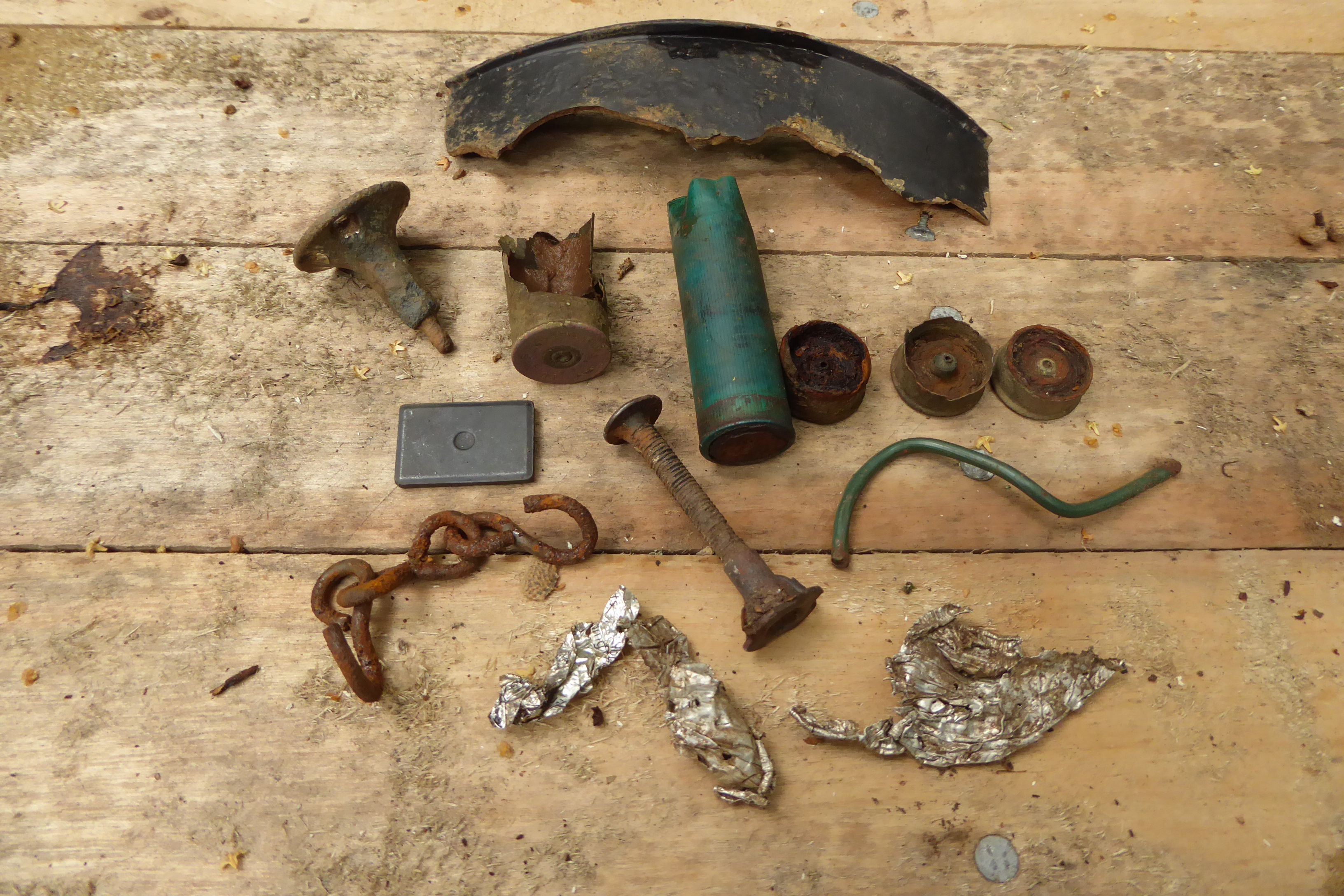
There’s a big learning curve to become proficient but I picked up a few lessons. A casual sweep around brought dozens of beeps ringing out of the machine. It didn’t surprise me at all as that area was used for pheasant rearing and shooting before I bought the woods and I am always finding spent gun cartridges and random bits of wire. What I did learn was that digging in woodlands is hard work due to all the roots (actually I knew that from planting saplings). Also that the machine doesn’t lie. I almost gave up on finding anything in some holes but after persisting and actually finding small pieces of aluminium foil a few times, realised that for every bleep, there is something metallic there. There must be hundreds scattered around and I know I shall only dig a small percentage. Anyway here’s a photo of what I found, all of it trash but there was something exciting about finding them.

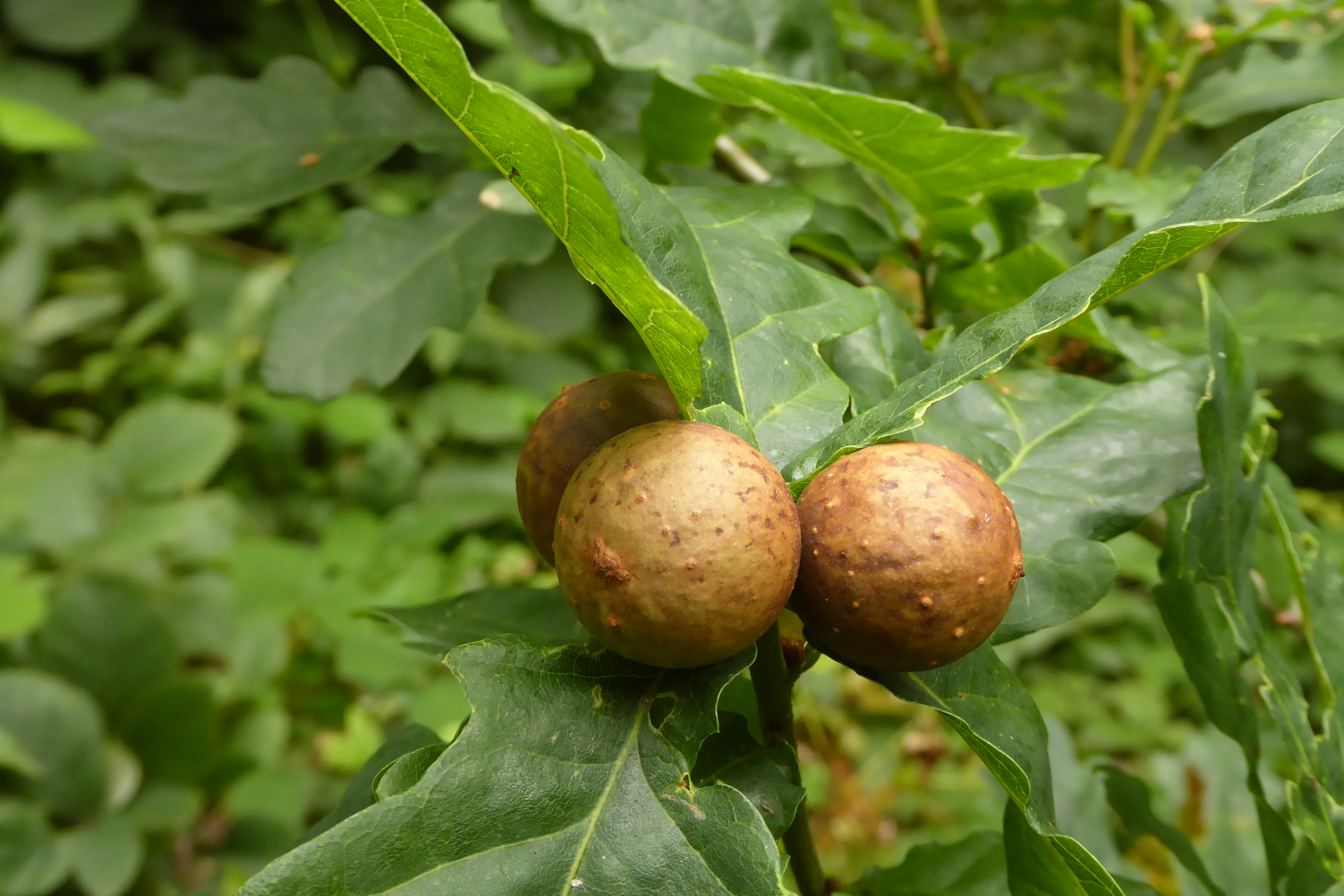
That wasn’t the only “treasure” I found though. Recently I have been looking for Oak galls, sometimes known as Oak apples. They are caused by a small parasitic wasp which lays an egg on a leaf or stalk. It causes the tree to grow a round ball of plant tissue around it. The egg hatches and the grub feeds on the plant, protected until it reaches maturity, then bites a hole in the gall and escapes. The next interesting fact is that the “spent” galls were used to make ink and many of the old historical documents were written with it. The process involves crushing the shells and soaking them to release the oak tannin, then adding ferrous sulphate (rusty nails will do it) and then reducing it down and filtering it. It produces a very dark brown/blackish ink.  Being the type of person I am, I’d like to have a go at making some. I have found quite a few tiny ones but whilst walking around yesterday, I found these newly formed ones. They are huge compared to most I’ve seen. They are still young and I will have to wait till Autumn when the wasps have escaped and the galls dry up before I can pick and use them. So that was the real treasure find!

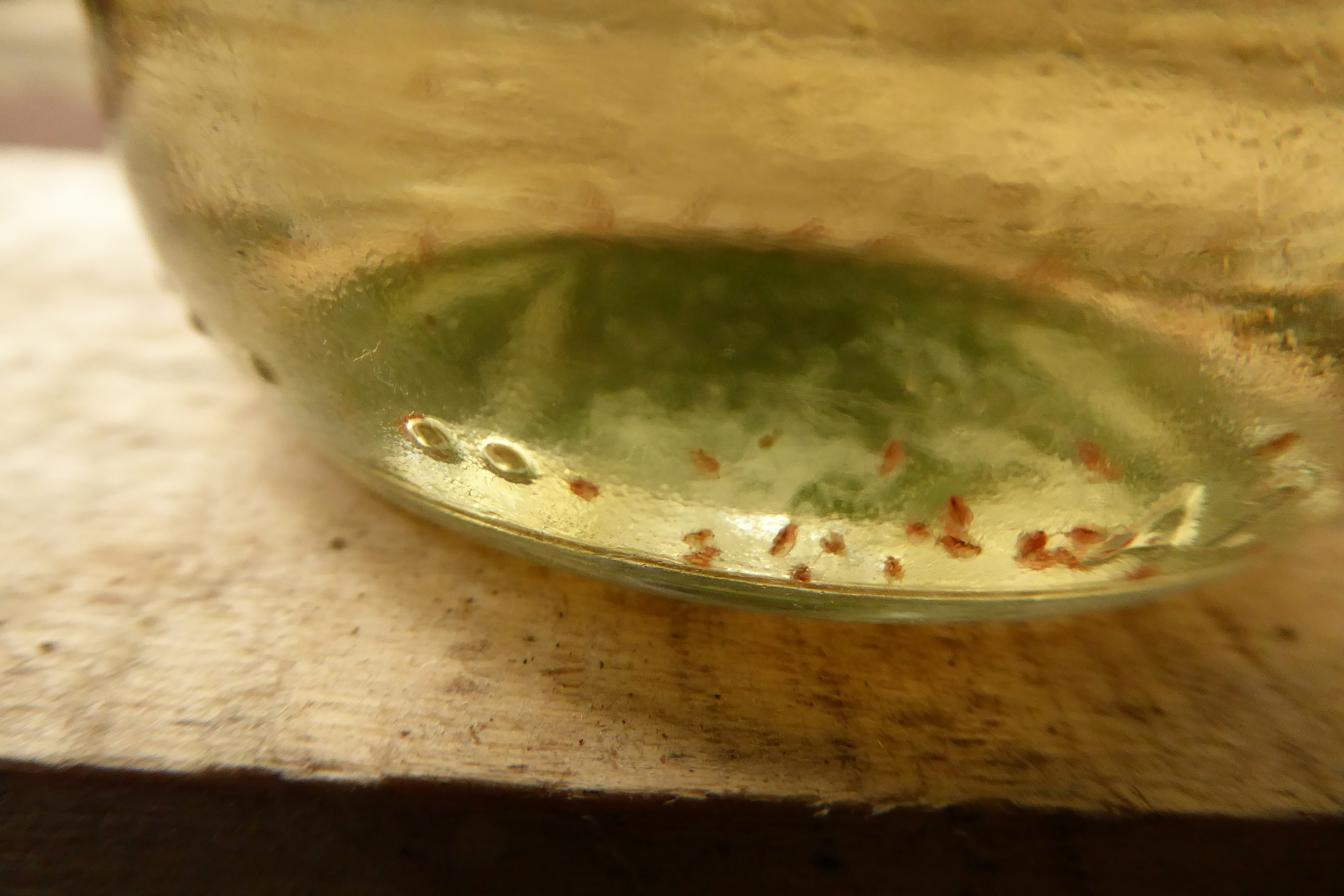
The final bit of treasure, if you can call it that, was finding thousands of Daphnia in my pond. Also known as water fleas because when magnified they resemble fleas. In fact they are microscopic crustaceans, pink in colour. Tropical aquarium buffs will know them because you can buy them in pet shops to feed the fish. I read that they also help keep algae down in your ponds and keep the water clear. So I took a jam jar and brought some home for my small garden pond. I left the unopened jar in the pond overnight to equalise the water temperature so they wouldn’t experience thermal shock when released. Let’s see how they fare in their new home.