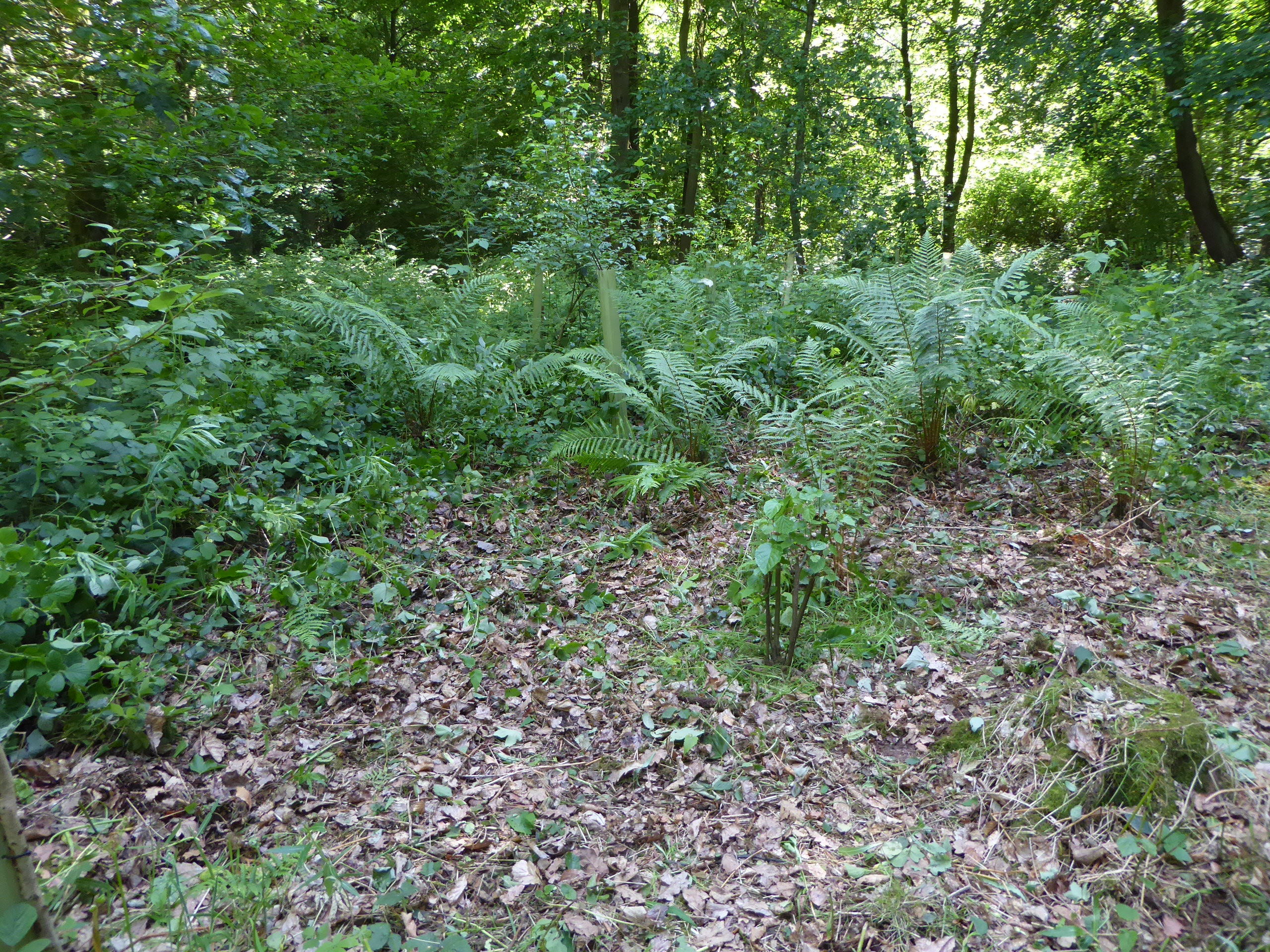
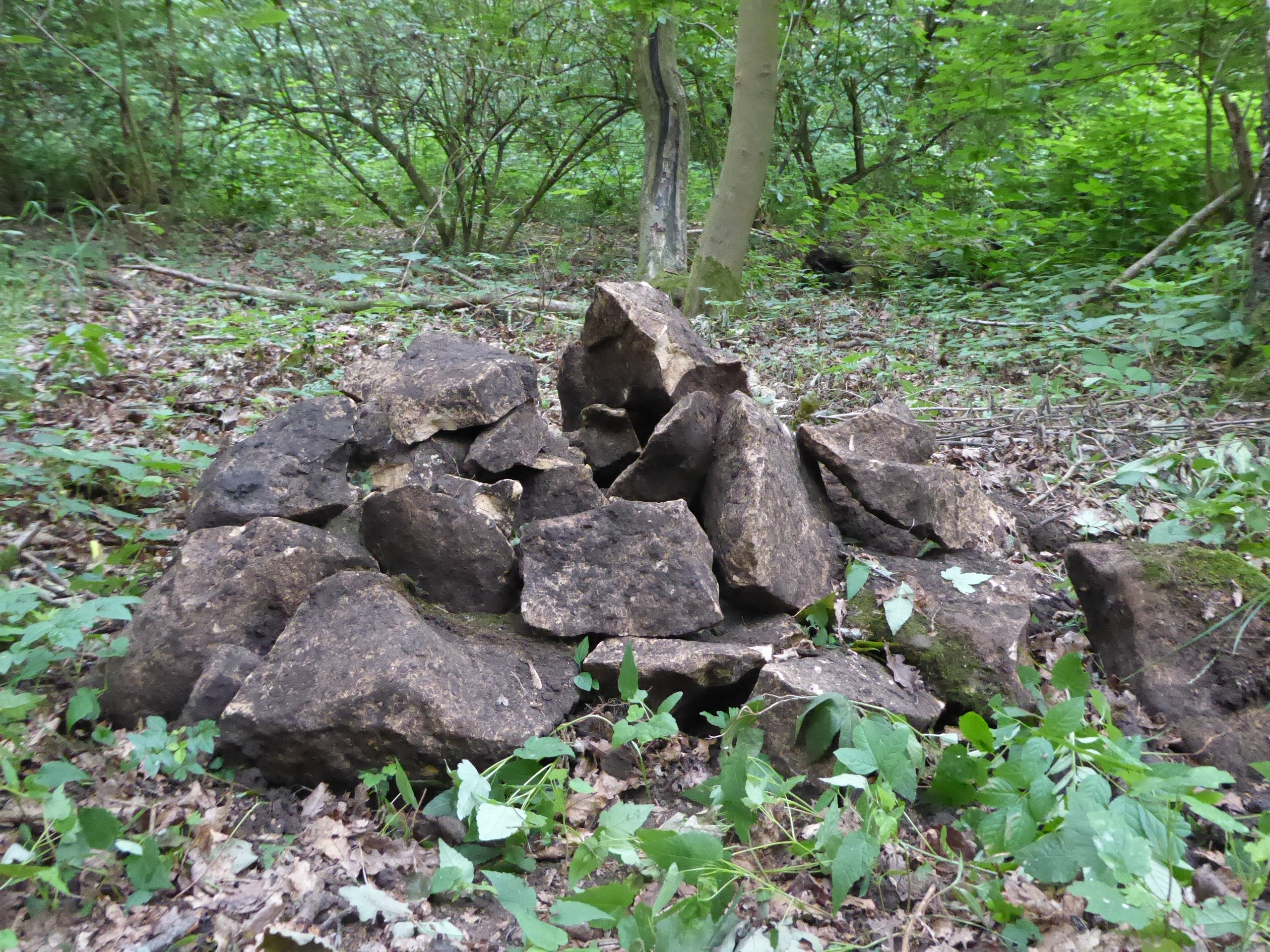
It’s been incredibly hot the last few days but yesterday had cooled enough to make a visit and do some work. Robin from the Woodland Trust was going to be there doing an assessment of timber volumes for his project to help us remove some big trees, using a contractor. This plan is to help open up the canopy and aid restoration and some possible re-planting. I had a list of mainly small, non-essential jobs that would be good to complete. I have been aware of a few small limestone rocks sticking out of the earth in one area and thought that they might be useful for building a better, more natural, camp fire surround. So I took a heavy iron bar to prise them out. It soon became evident that there was a sizeable cluster of them so I just kept going until I had amassed a decent pile. Mostly they had sharp edges but some pieces had very rounded ones (presumably from lomg term erosion). So this suggests that they had been larger,partly exposed rocks, which had been dug out and broken up at some time in the past. The area in and around the woods has lots of signs of old quarries but not in my patch. So had these been used for building something in the past? There is another area lower down in my woods where there are numerous large rocks in a vague circular pattern and these have been investigated by the local archeological society about 20 years ago. Apparently they were thrown out by the owner then and no definite conclusions were made as to whether they were the remains of some sort of ancient building. I won’t be disturbing those.
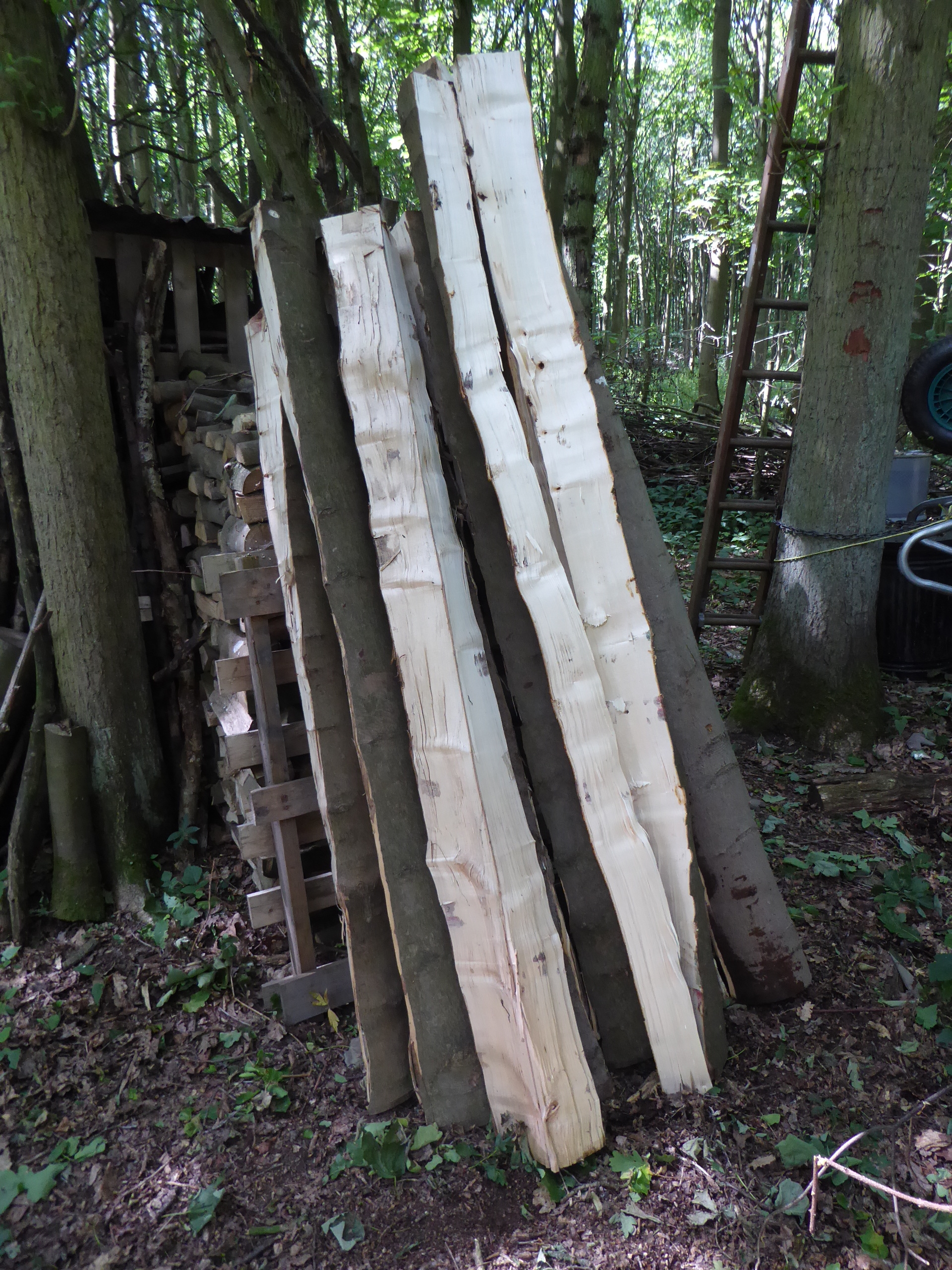
Second job, to try to split some more sycamore logs for stool seats. They were cut in the winter and left as short logs about a foot in diameter. They were already drying out and cracks starting to appear, so I didn’t rate my chances of getting useable pieces out of them. I had a go at a few and got some reasonable pieces to take home. I took the opportunity to sort through the logs, selecting some big knotty pieces to use as chopping blocks and woodland “furniture” for my camp sites. They are handy as stools and occasional tables when camping.
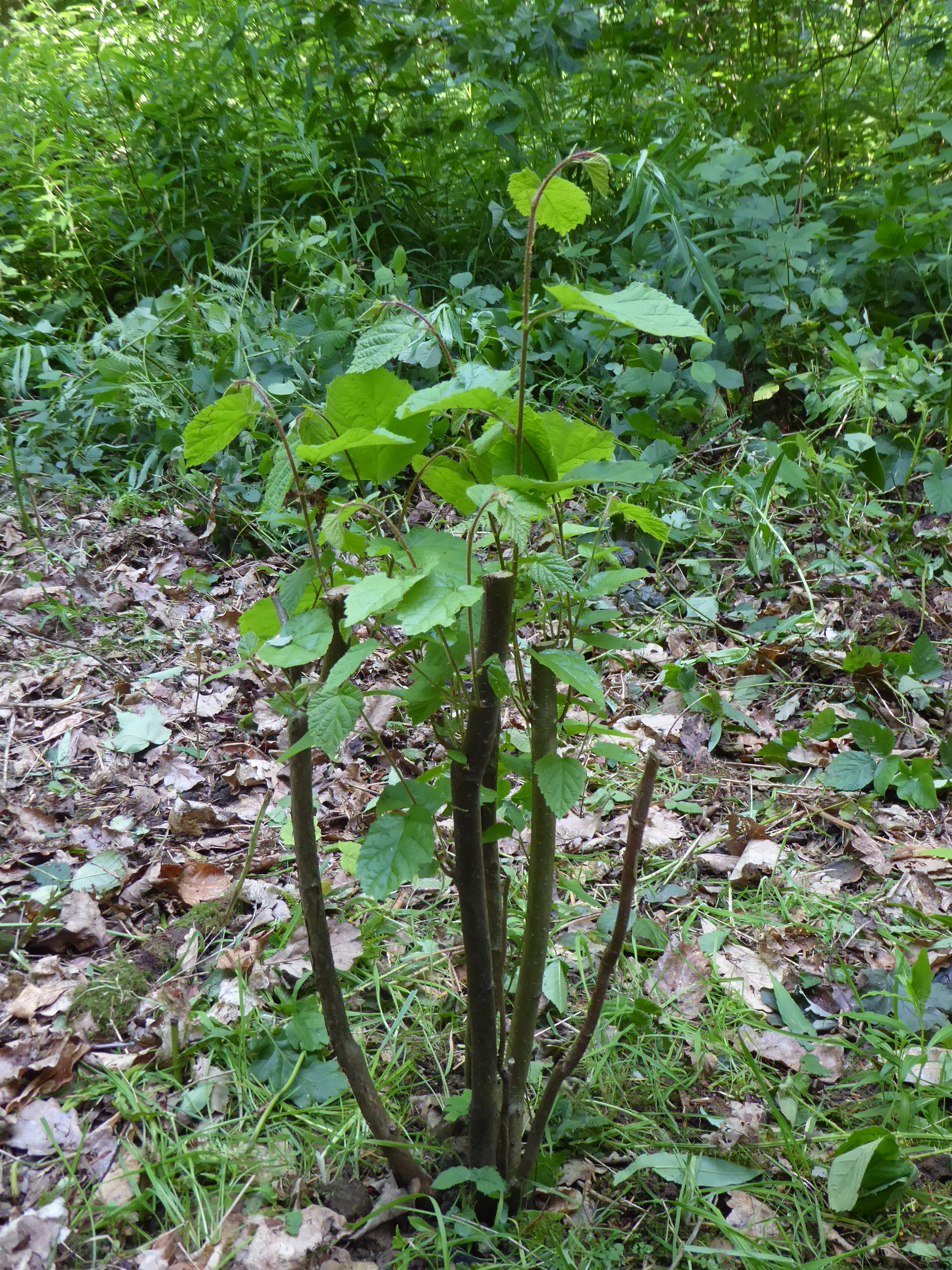
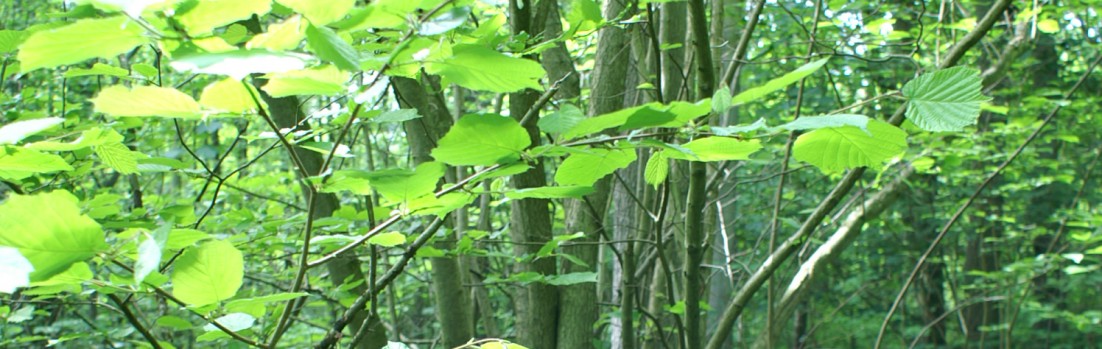
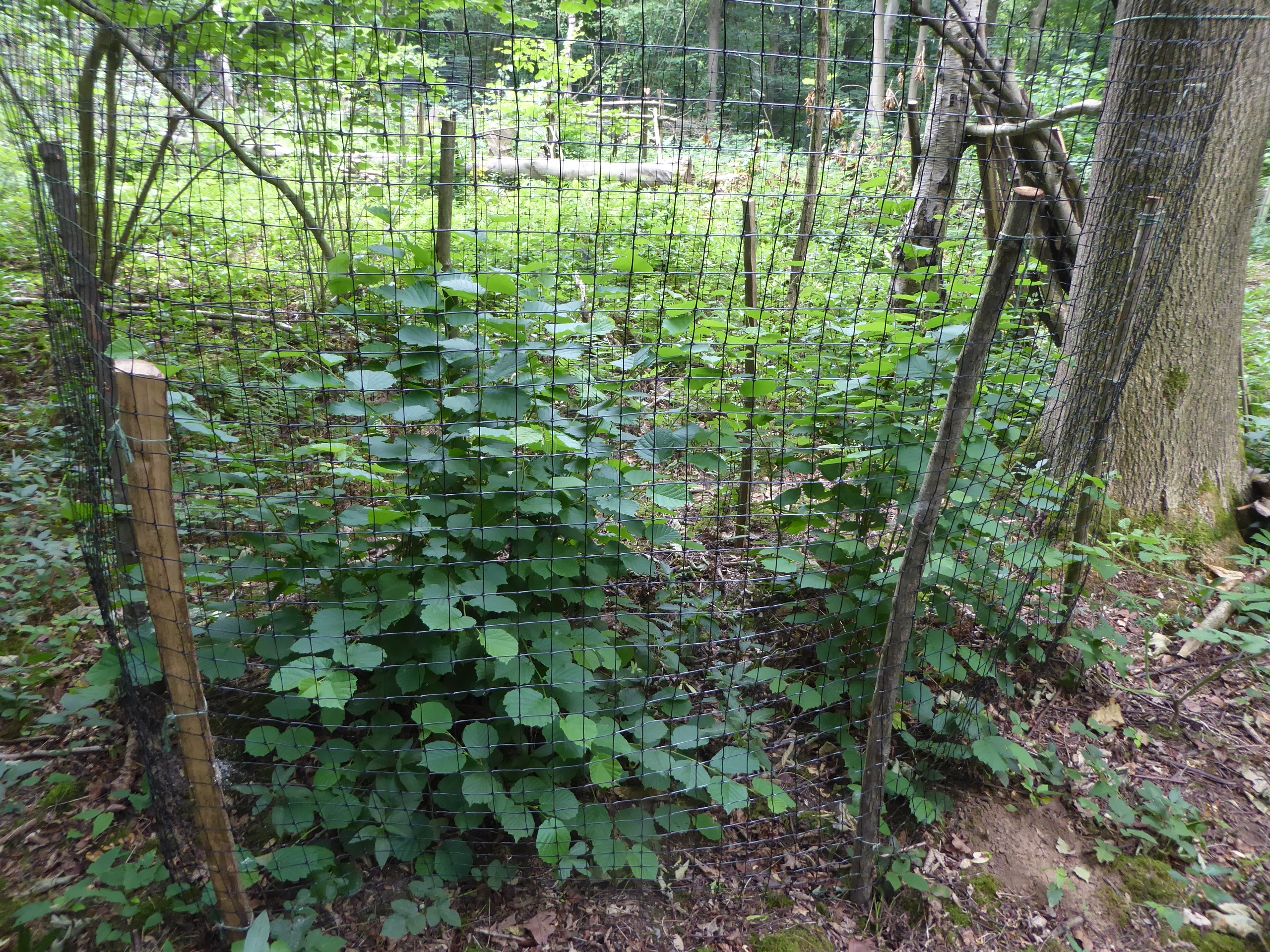
I continued with netting off newly coppiced hazel to protect the new growth from deer browsing. There was evidence that some were starting to be nibbled. This picture is a hazel stool that was cut the previous year and heavily browsed last summer. I netted it off in spring and it’s showing good signs of lush new growth.
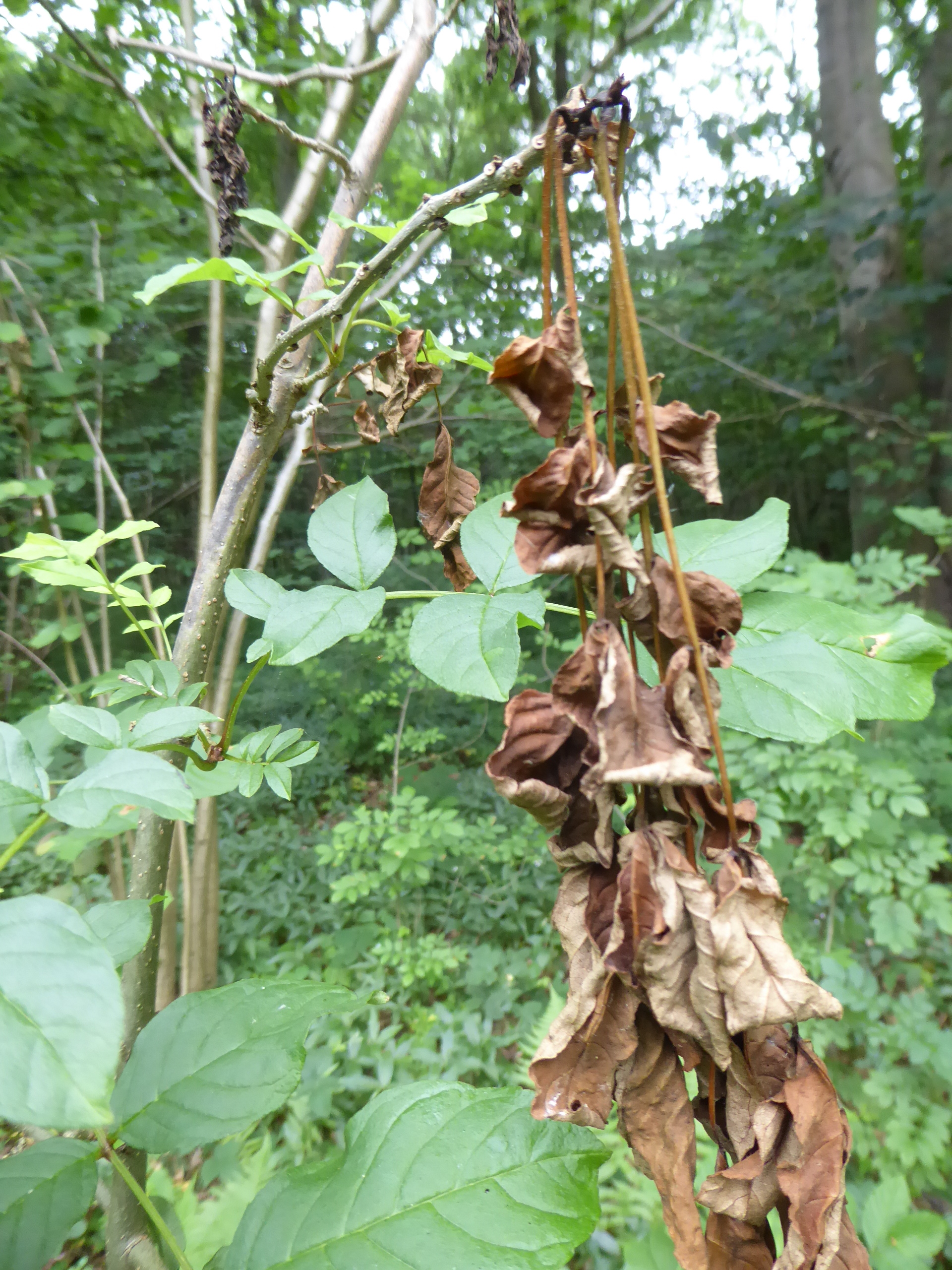
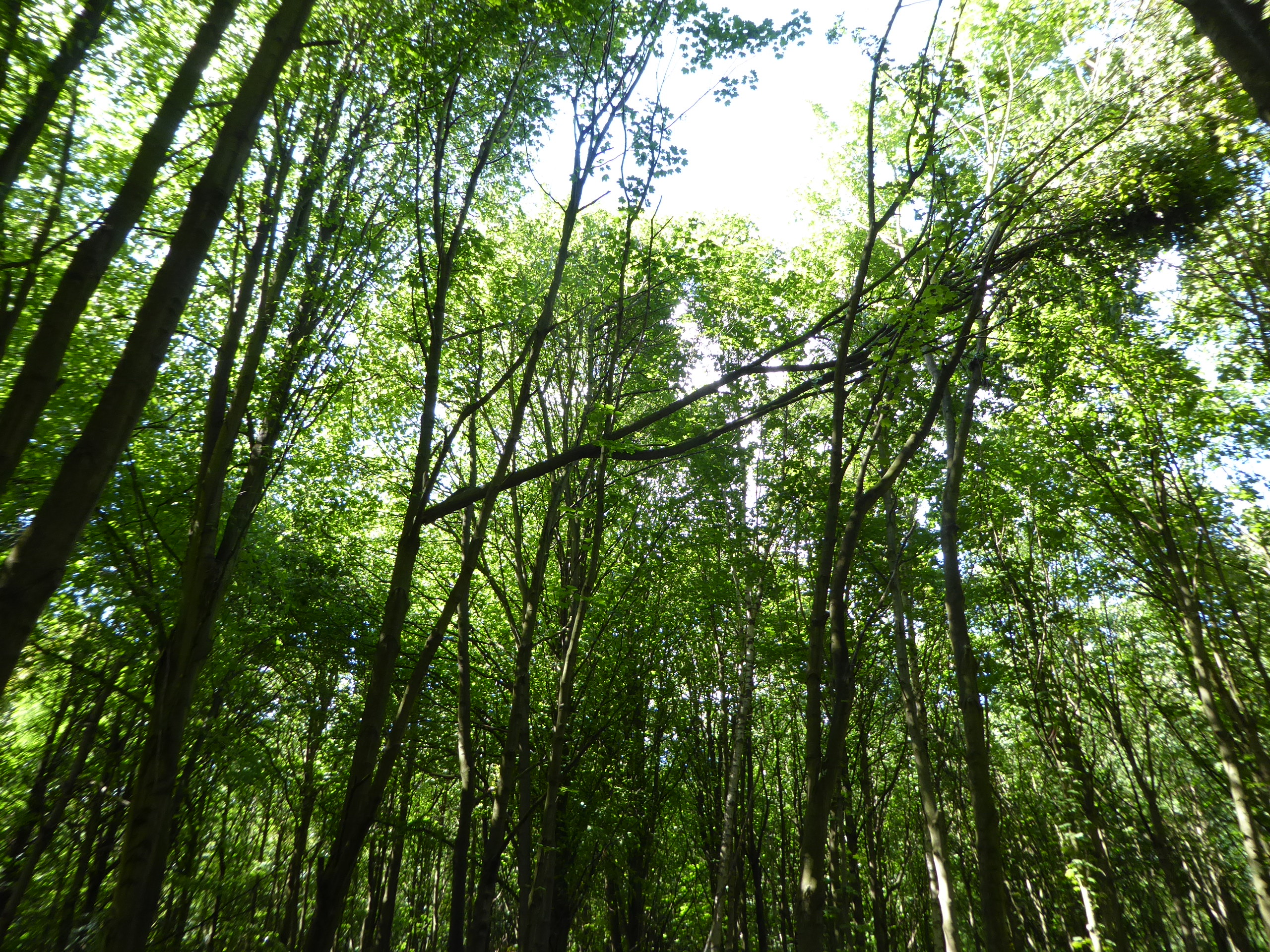
It was late afternoon when Robin arrived to look at the trees I’d selected to be felled. So far the day had been rewarding and enjoyable but we were about to discover some bad news. He noticed some wilted leaves on some young ash saplings and we took a closer look. He said it was classic Chalara (Ash dieback) disease symptoms. He gave some sympathetic pats on the back which told me he was pretty sure the dreaded disease had arrived – probably late last year. The advice is to do nothing other than observe it’s development. The disease kills young trees fairly quickly and weakens older trees, leaving them vulnerable to other diseases which may eventually kill them. I tried to remain positive, thinking that maybe some of my trees will be in the small percentage that have a natural resistance to it. The news is still just sinking in. At least I don’t have to worry about getting it anymore!