
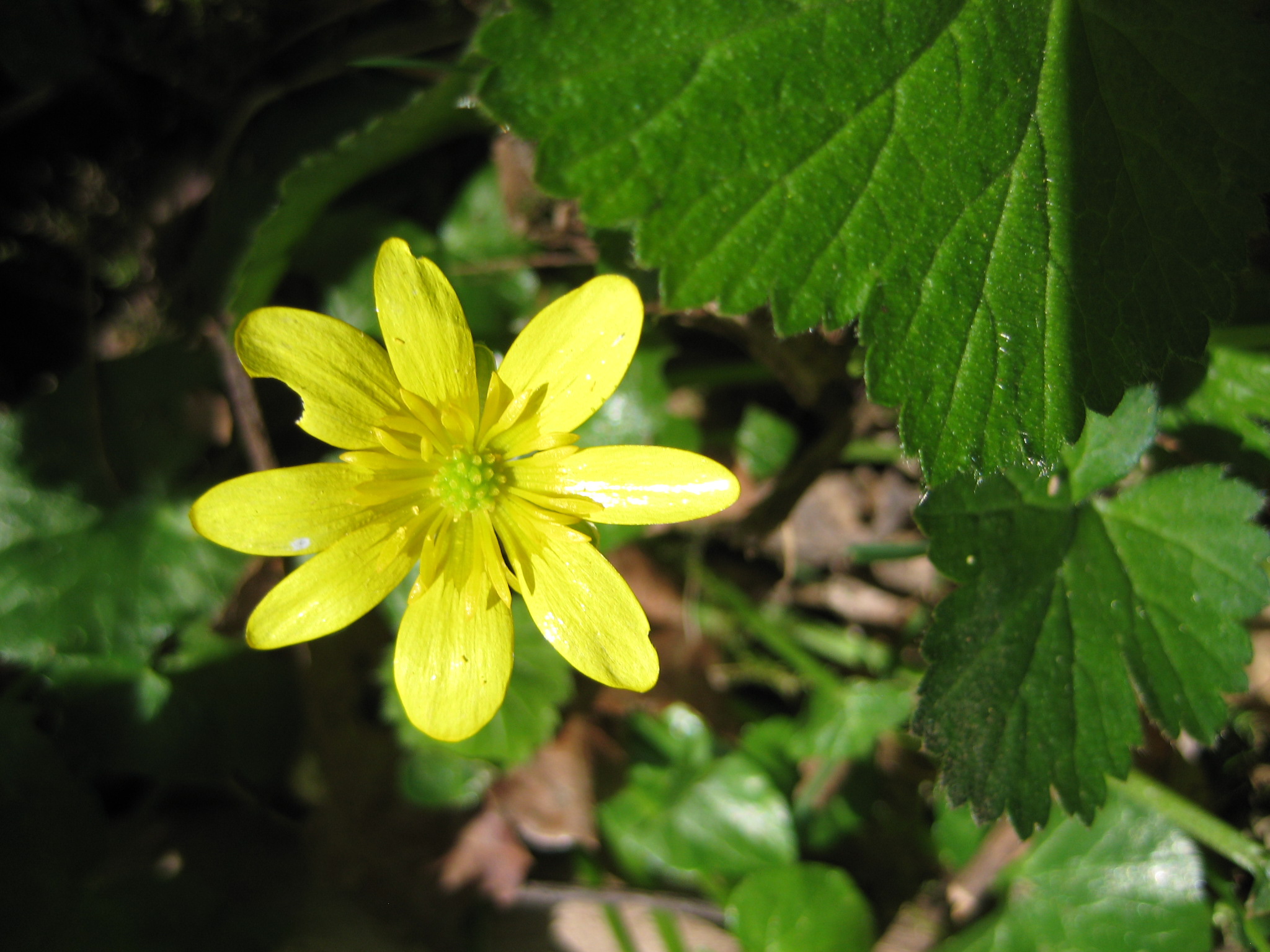
Lesser celandine flower
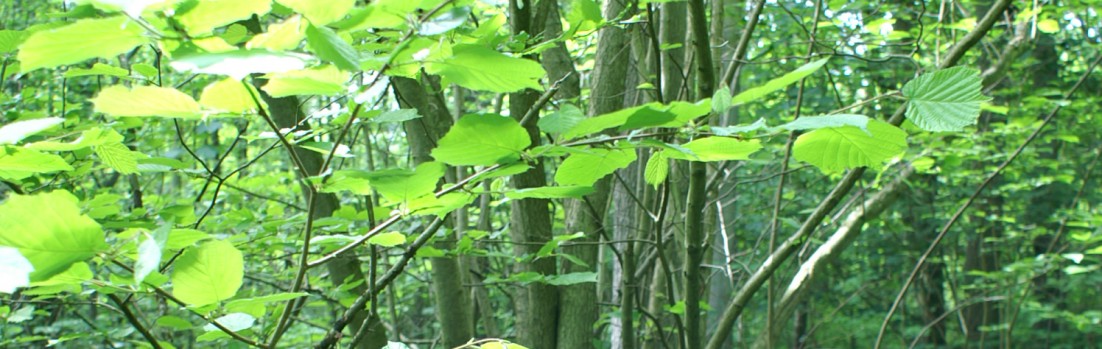
It’s just a year since I first went to view the wood and decided to buy it. I was caught by it’s beauty which was probably the best time of year to see it and yesterday confirmed that belief. I was overwhelmed by the sheer freshness and vivid greens all around. Almost everything has now got new leaves which are bright and lush and in good health. Over the next few weeks and months, that freshness will deteriorate as the plants mature, insects, fungi, diseases and small animals will eat the leaves. It seems a shame but you have to realise that it is natural and that the trees and plants are just part of the whole ecology of a wood and that all these things are simply feeding and surviving through this process. The trees and plants are the main food source, sort of the “supermarket” for all the other forms of life.
The day started dull but soon the sun came through to provide yet another glorious day for me. I have installed 9 different birds’ nest boxes and was curious to know if any of them have been taken up yet. There are three types – the conventional box with a small hole for blue tits and coal tits, similar ones with larger holes for great tits and nuthatches and letterbox style openings for wrens and robins which are placed lower to the ground. I inspected only 4 boxes (they aren’t all easy to get into without disturbing them too much.) Two were empty. One had eight eggs in it which I think was a blue tit, although the tit family eggs are all pretty similar, and one of the robin boxes had a bird sitting on her eggs but it wasn’t a wren or robin. I suspect it was a coal tit. I put the lid down as soon as I saw it but I noticed the black head.
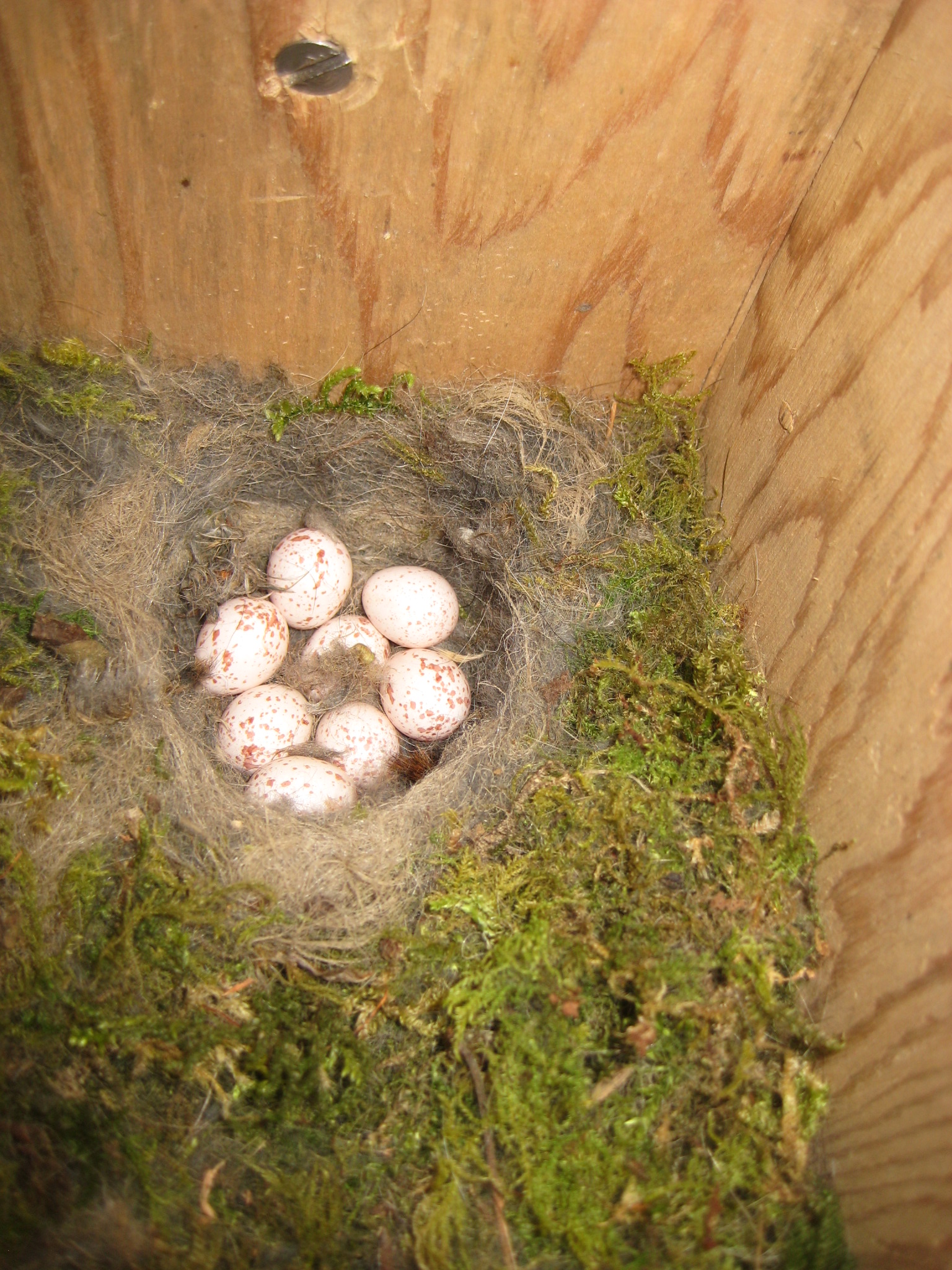
Blue tit eggs?
After a leisurely hour or so of observations it was time to do some work. I’ve been dragging my heels over erecting the deer netting around the hazel coppice, as it’s pretty hard work selecting suitable posts and hammering them into the ground to support the net. Until now, there were no new shoots to protect from the nibblers. Close inspection showed several baby shoots sprouting from the cut stumps. Time to get busy.
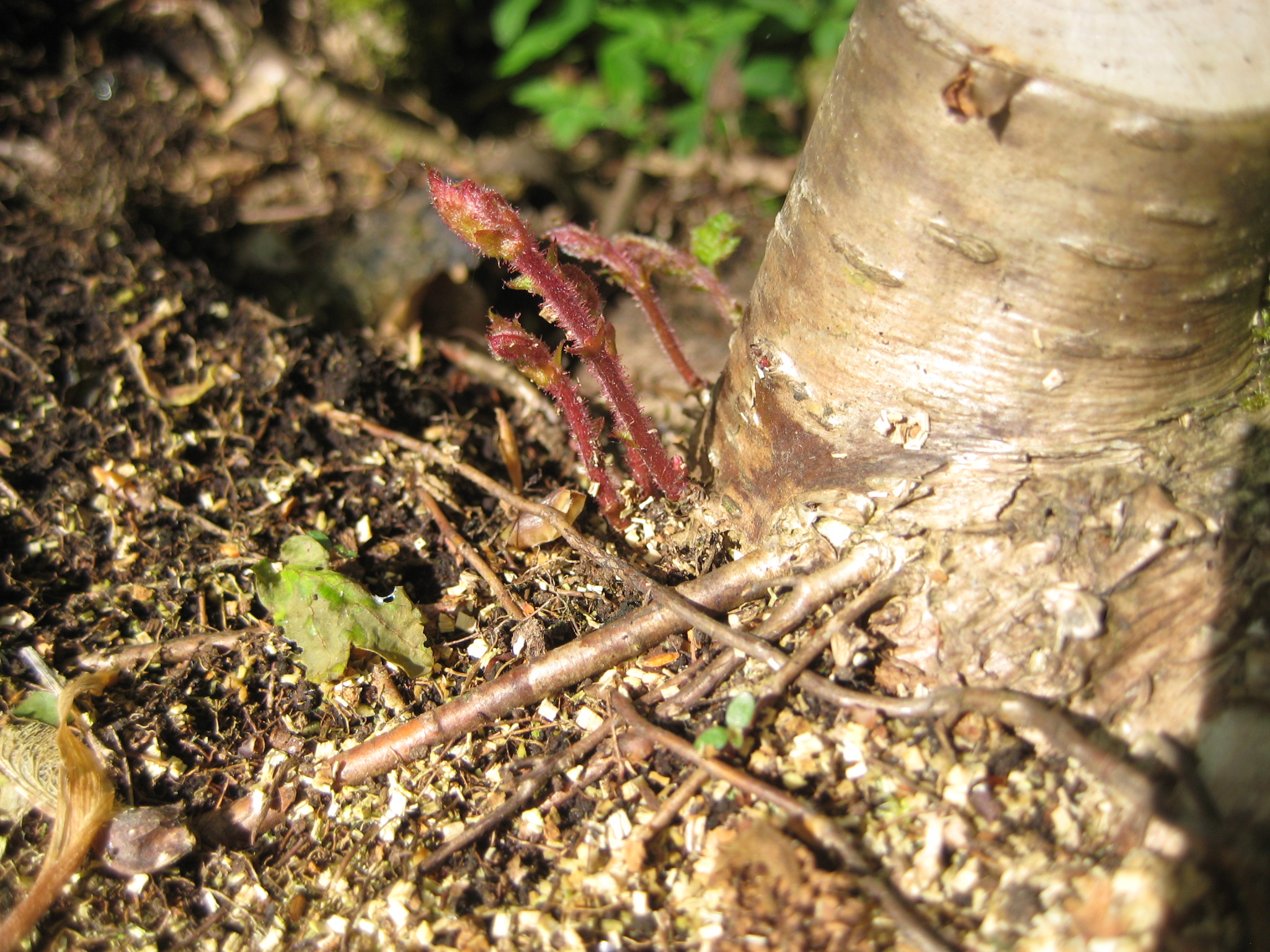
New hazel coppice shoots
Initially I had planned to section a whole area off, containing several stumps but I realised that it would need about fifty posts to do that! That’s a lot of posts and a lot of hammering. So my compromise is to net off the two biggest hazel clumps (called stools) and put brash around the others. It’s also an experiment to see if the last method is effective. For now it will be as the shoots are low down but as they grow up they will be in reach of the long necks of the deer and may get nibbled. I shall add more brash as they start to shoot up but there’s a limit as to how high I can go. I know this area of my wood is visited by deer so it’s a good test.
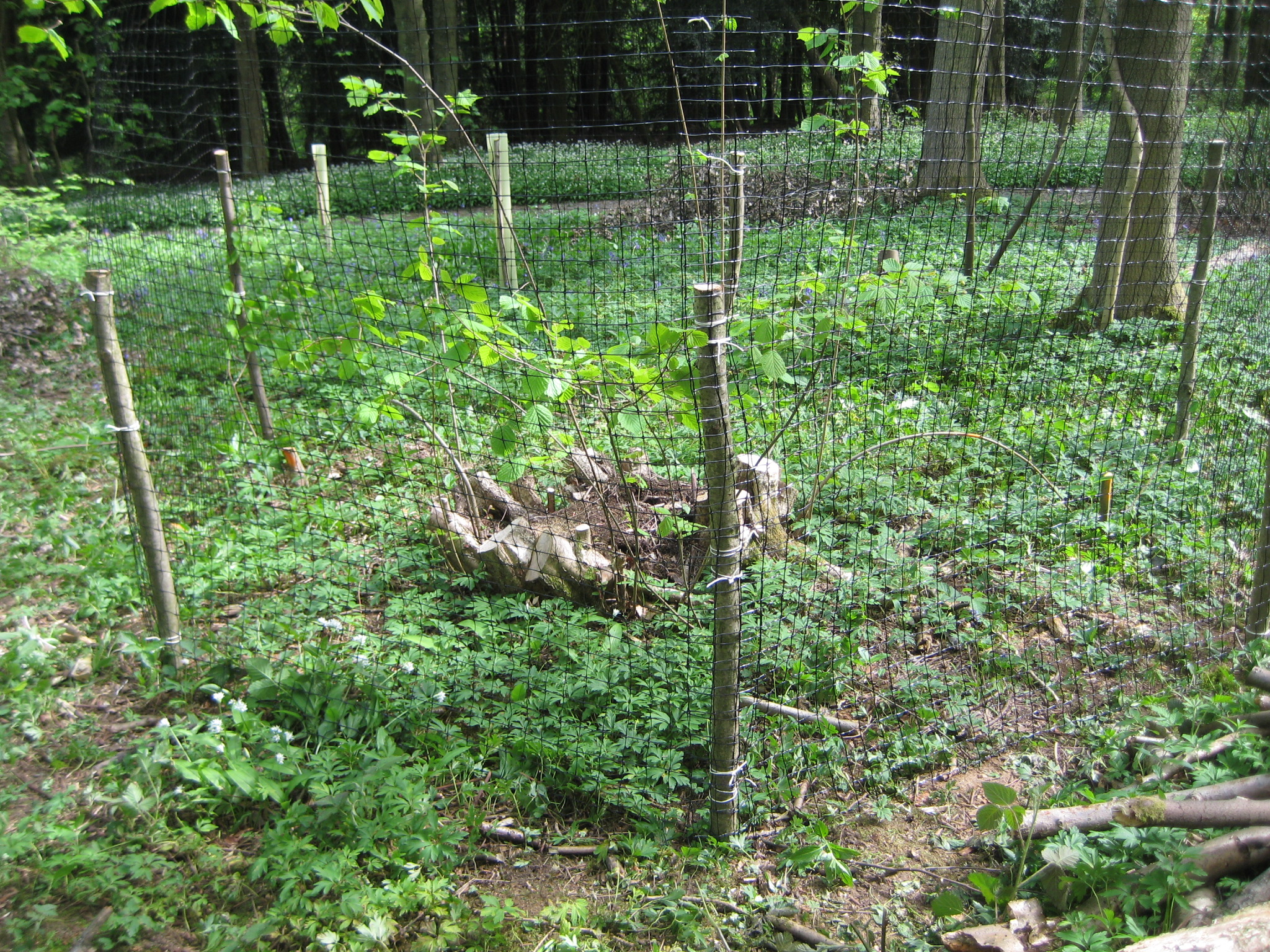
Deer netting around new hazel coppice
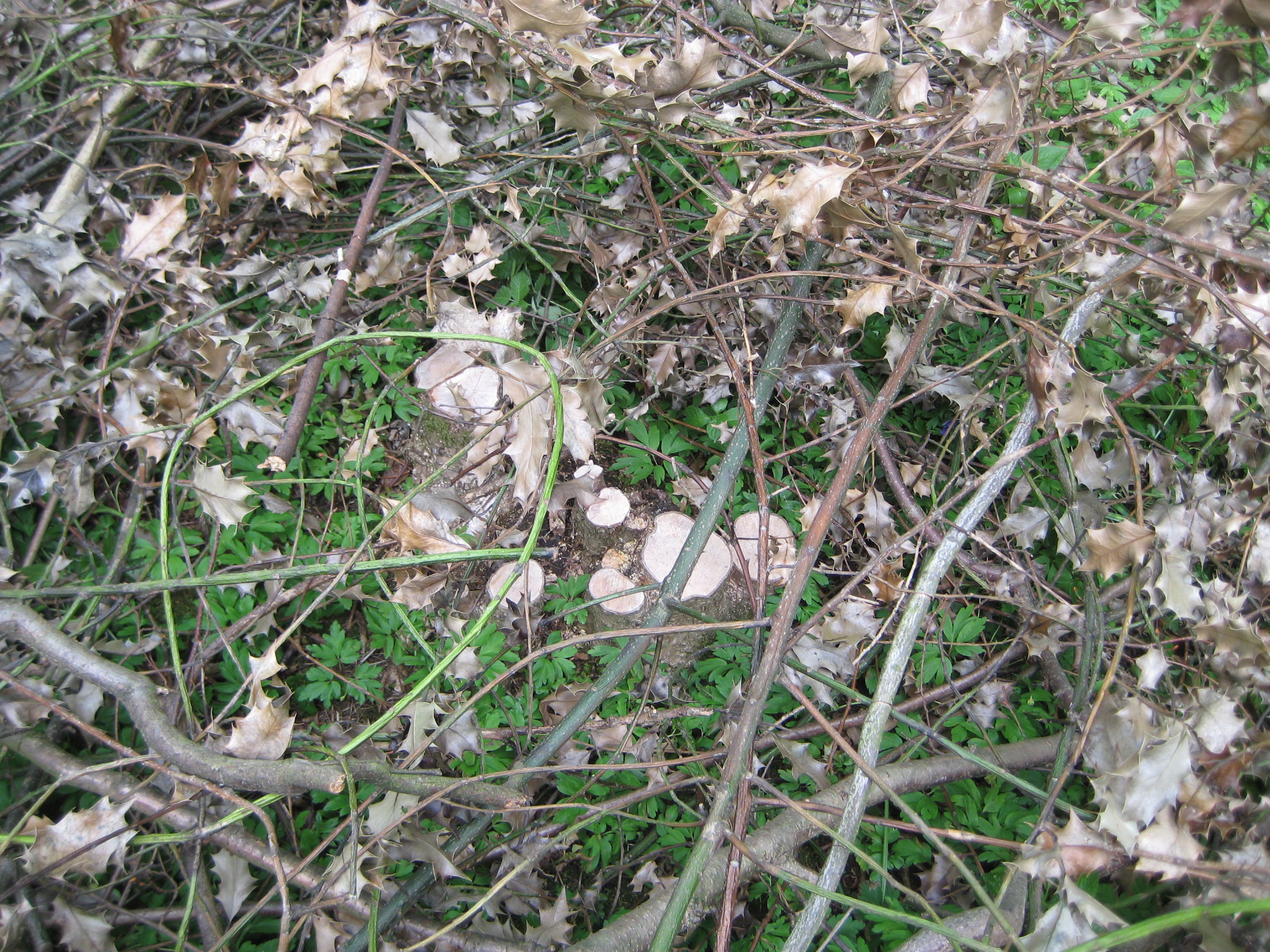
Brash around hazel coppice
During my wanderings with camera yesterday, I was really pleased to find a couple of Yellow Archangel plants. I photographed one last year but at the time didn’t know what it was. I thought it was a white Dead Nettle but it the flowers were yellow rather than white. When I got home and tried to ID the photograph, it looked like Yellow Archangel. I have since found out that it is one of the ancient woodland indicator species. It is an incredibly pretty flower, the open ones are almost orchid-like but it is actually a member of the mint family along with the various nettles. you can see in the photos that the little nibblers have been at them!
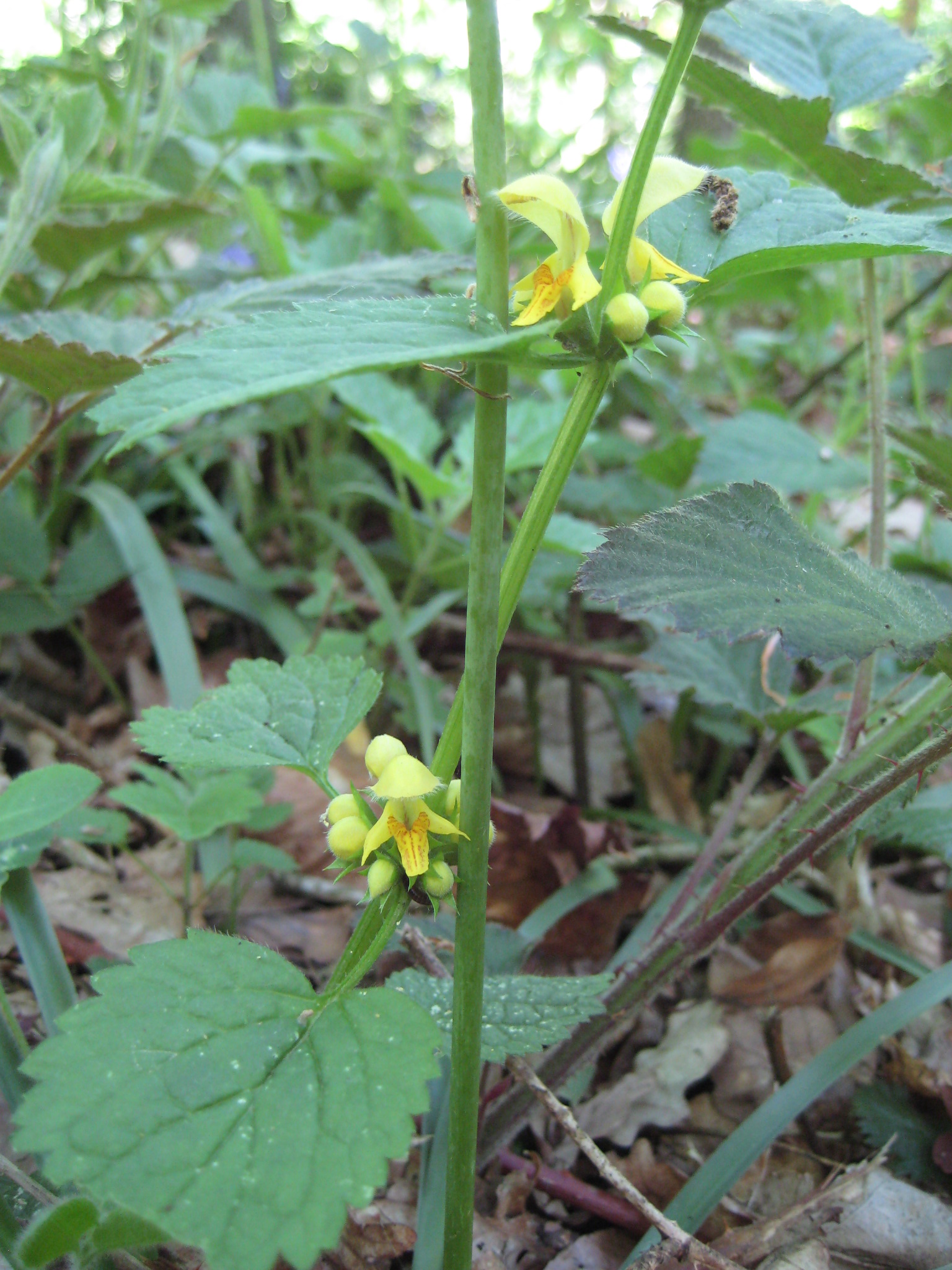
Yellow Archangel
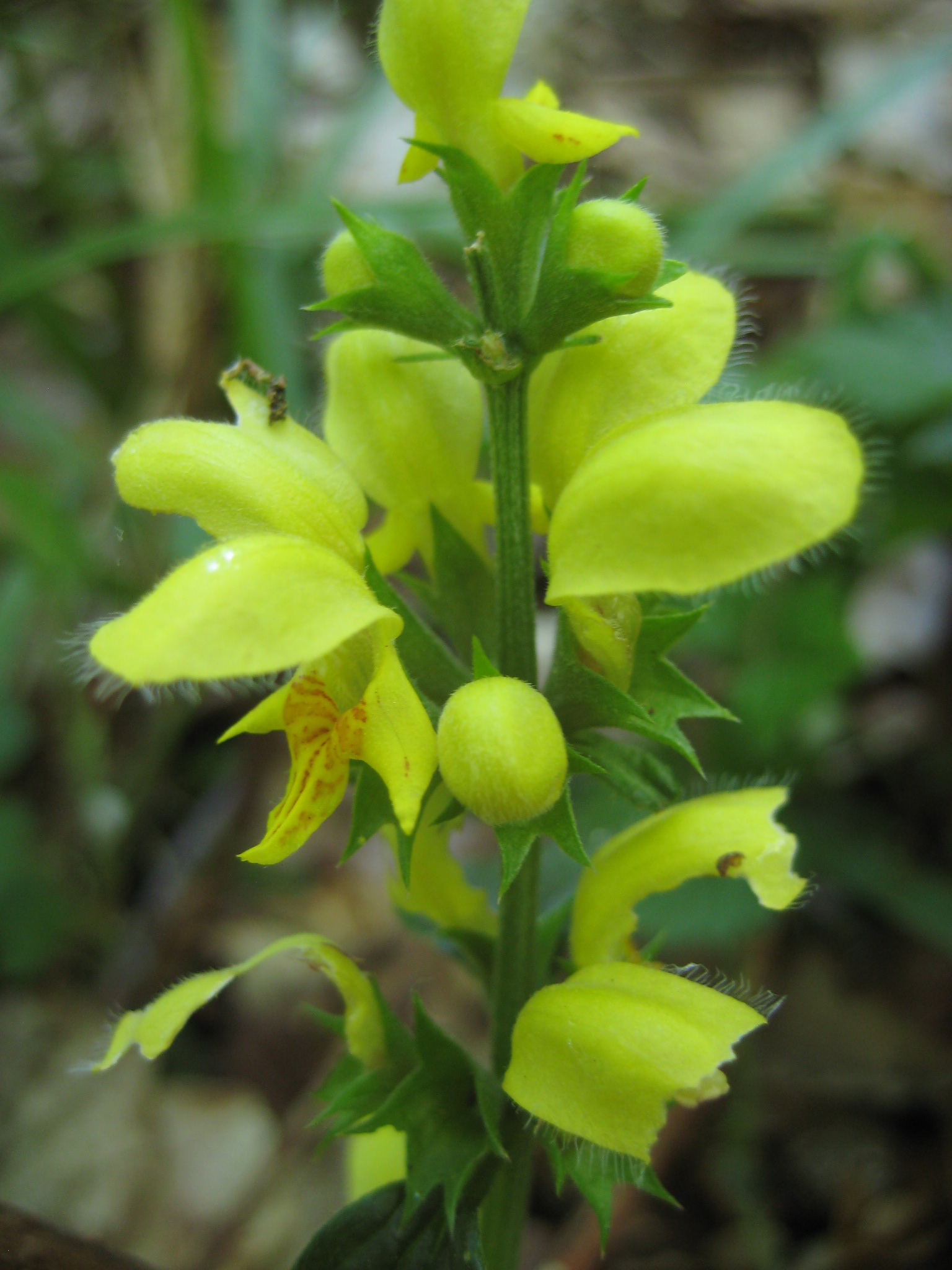
Yellow Archangel flower
Other plants in full flower now are the bluebells and ramsons (wild garlic). The wood anemonies have finished and the leaves are starting to die back. In a few weeks there will be no sign of them. They emerge early in the year before the trees leaf up, grow and flower as quickly as they can before the tree canopy shades them out.
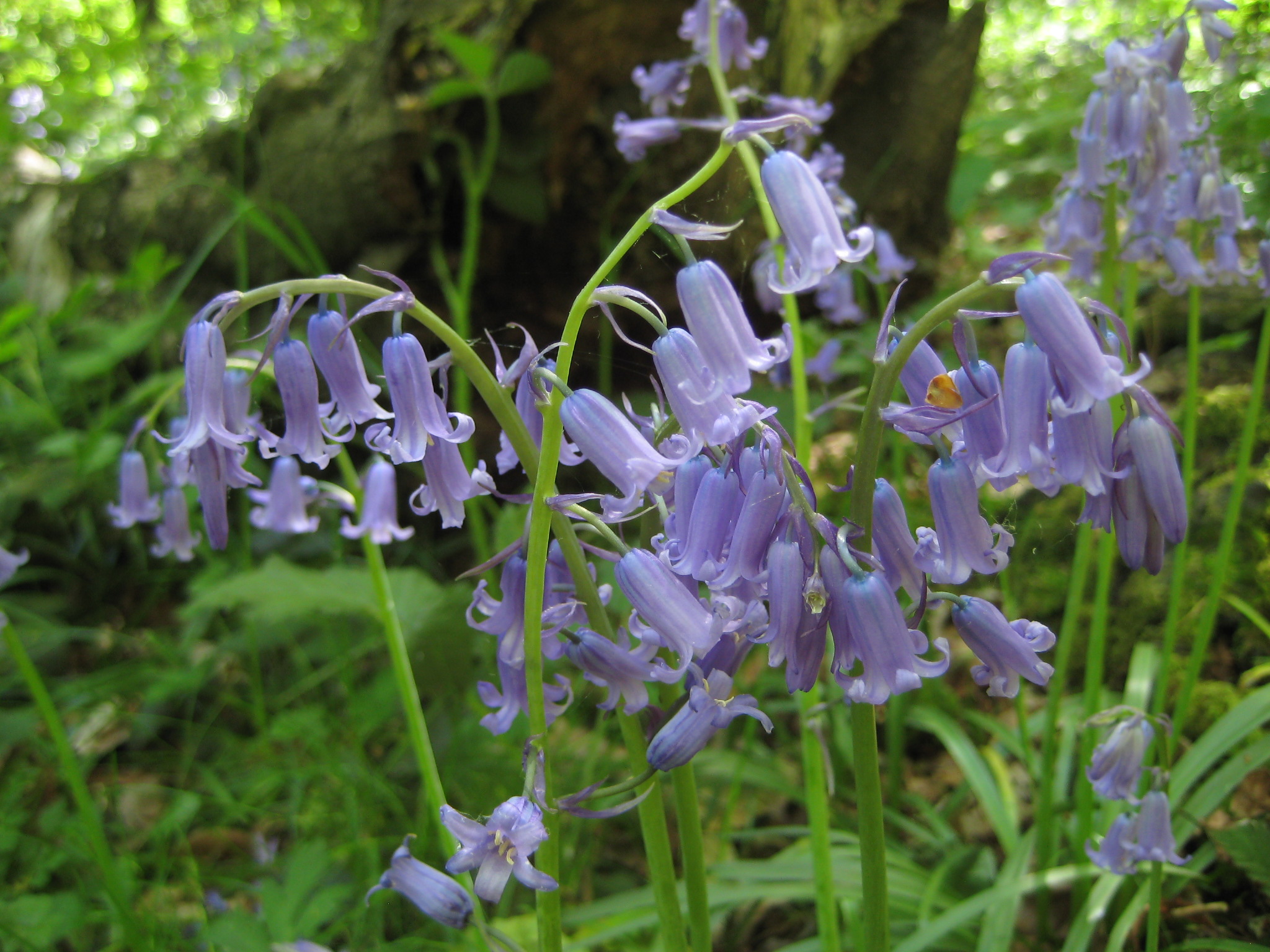
Bluebells in flower
On Saturday, the Woodland Trust have organised a follow-up day of talks on ancient woodland for us, followed by a walkabout with the local Natural History Society expert. Apparently they did a preparatory walk a few weeks ago and identified twenty eight ancient woodland indicator species. Wow, looking forward to that. Hope the weather is kind!

