
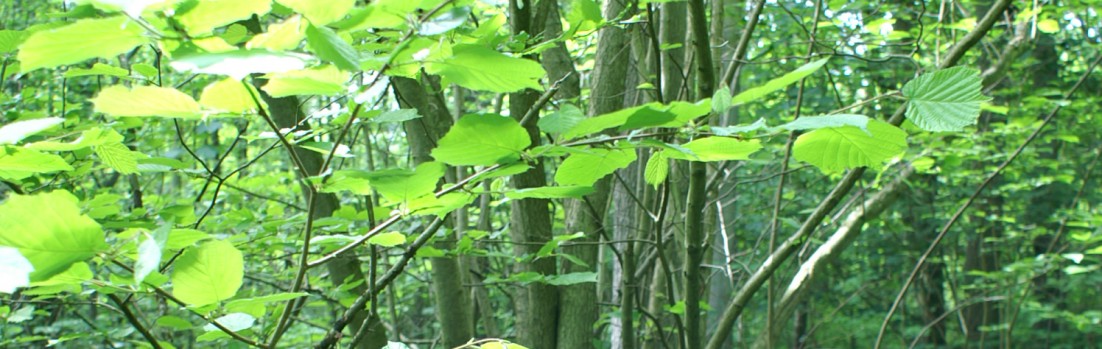
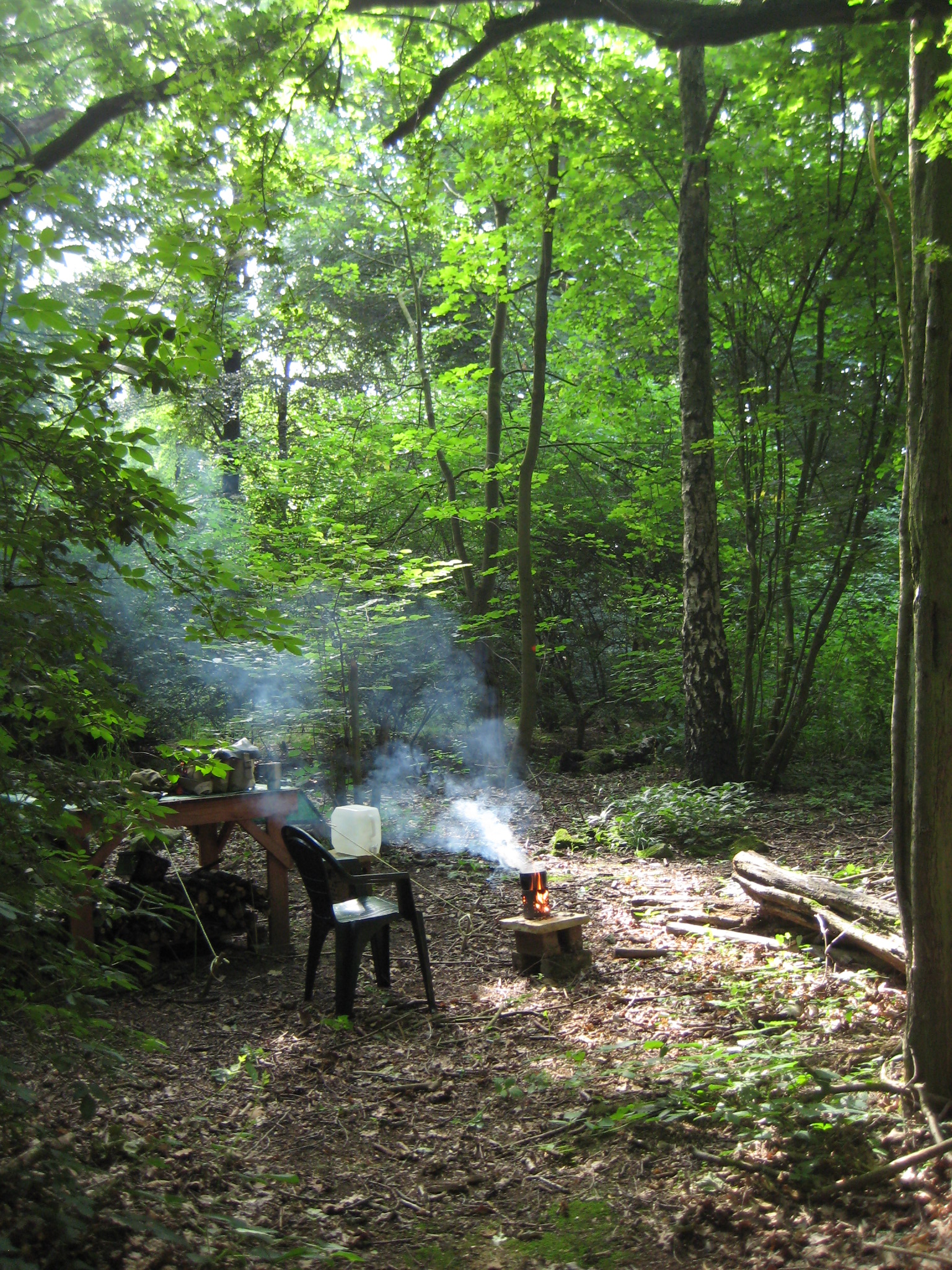
Water on the boil for a nice coffee and some quite contemplation
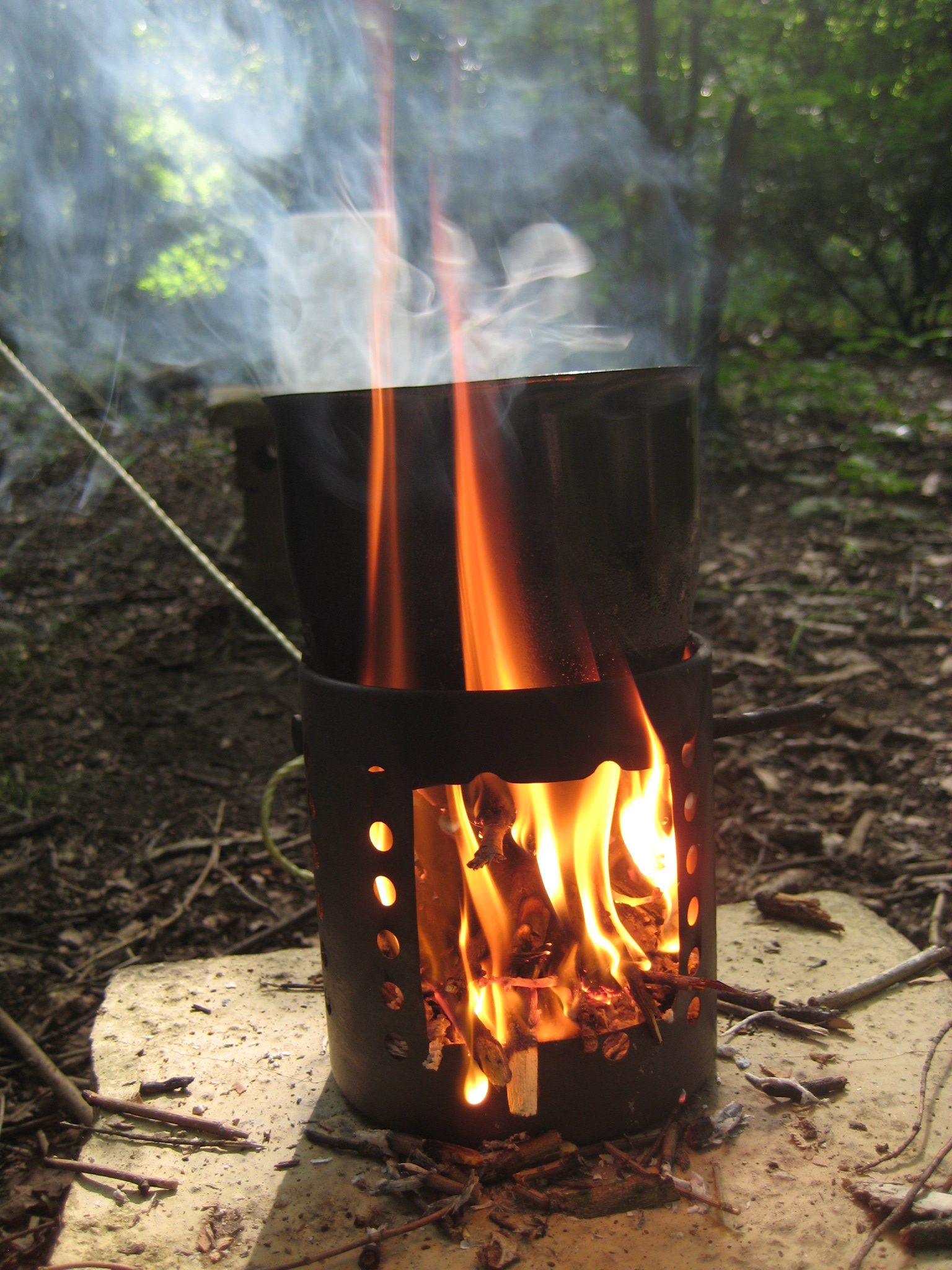
Home made hobo stove and army billy can
Lets start the day with a nice cup of coffee brewed on a smoky flame sitting in the woods. How much better does it get? I always have a few objectives when I visit the woods. A mixture of essential maintenance jobs, on-going projects and maybe some bushcraft related play time. Yesterday my list included, chopping logs to bring home, trying out my new tarp and maybe some felling/thinning out. I got an early start so it felt like a leisurely morning, so first things first – coffee. It’s such a lovely relaxing time, the smell of wood-smoke drifting around, the unseen birds singing and the dappled sunshine. I bought a cheap plastic garden chair to keep there just for an extra bit of luxury and comfort and when you’ve spent a few hours logging, you really appreciate a backrest. I’d watched a video on how to make tent pegs from hazel sticks so while drinking my coffee, I set about making a few to use with my new tarp. The knife is a Mora. They are very cheap but pretty good. A popular knife for beginners in bushcraft.
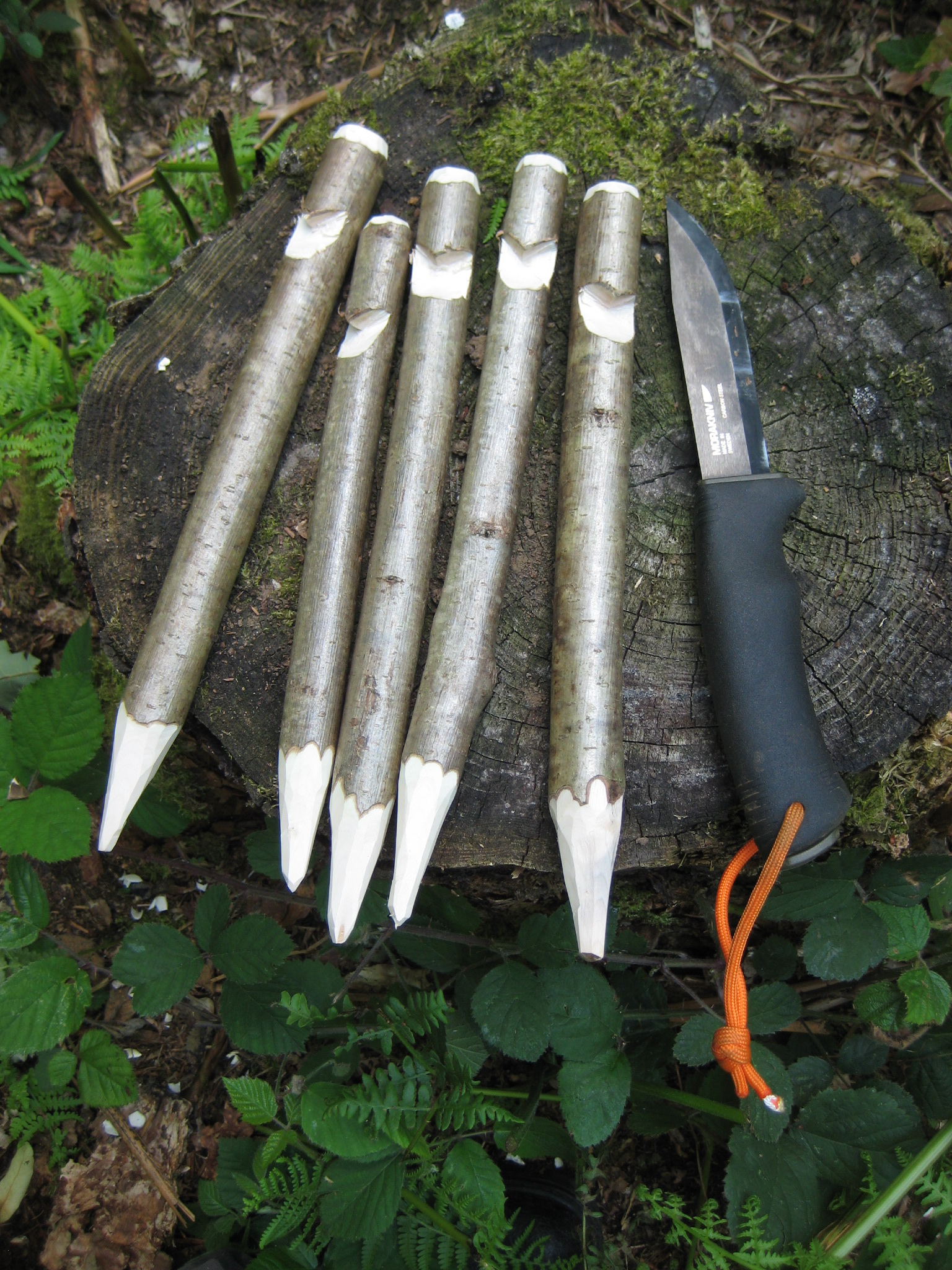
Hand made tent pegs from hazel sticks
Next job, fill up my bird feeders which were completely empty as usual. Whack a few merging bracken and bramble shoots on the way too. The regrowth where I cleared it is rampant. I should take my brushcutter next time and go over it again before it gets out of hand. The task of controlling the bramble is enormous and for a few moments, it felt overwhelming for one person with limited time. I have to remind myself not to let it stress me and whatever I can achieve will be good and should be enjoyable. I chopped some more logs for home and have nearly filled my logstore at home now. A nice satisfying feeling which must dig deep into our psyche from when we were hunter gatherers. Plenty of fuel would have been an essential for keeping warm and cooking, basic survival stuff.
I’ve been itching to try my new tarp. It’s a DD Hammocks 3×3 metre tarp, considered one of the best I think. Basically it’s a square sheet of waterproof nylon with tie down loops along the edges and across the middle. You can configure them in many ways but the simplest and most useful for me is simply to use it like a roof. For those who don’t know anything about using them, they are pretty simple and quick to put up. First you need to erect a ridge line between two trees to support the tarp, usually using paracord. As the tarp is 3m long, I figured I needed to find two smallish trees roughly 4.5-5m apart. I identified two possible places close to my table and set about clearing the ground of fallen sticks and the odd bramble. There are two special knots used to tie the line to the tree which I have been practising. So one end secured, I threaded the other through the ridge loops and tied it to the other tree as taut as possible. The next bit is crucial and pretty clever. You need to stretch the ridge taut and anchor it to the line. You do this with two prusik loops. These need to be a strong cord of slightly smaller diameter than the ridge line, you make your own. The loop is wound around the line in a special way that makes it easy to slide until it’s under tension, then it grips the line and holds it tight. A bigger version is used by climbers. So you fit one at each end of the tarp and attach the loop to the tie-down using a small stick, pulling the second one tight to stretch the tarp. Sounds complicated but it’s simple as long as you get your prusik knot correct. A picture is worth a thousand words so here you have it.
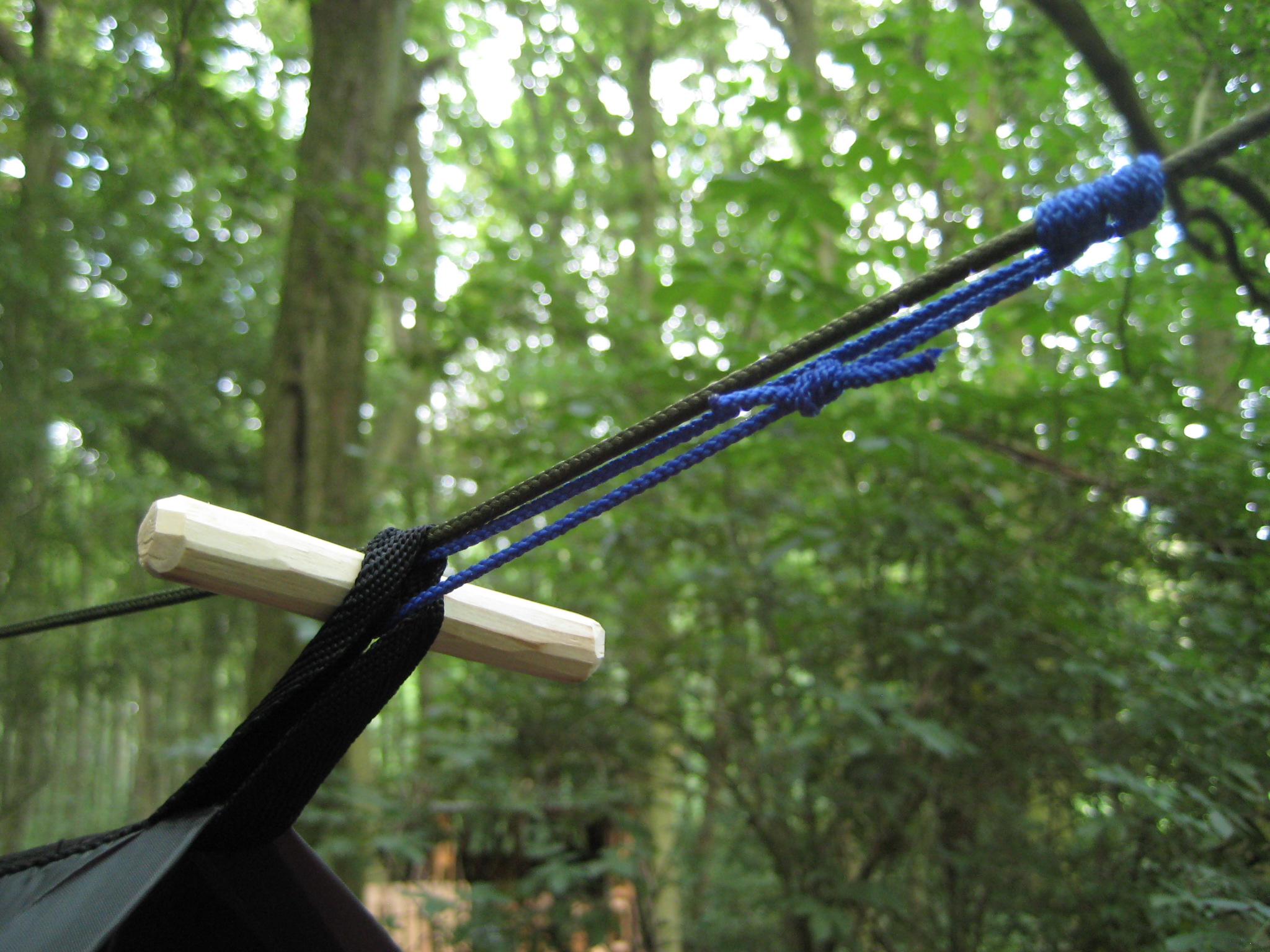
Blue prusik knot and hazel twig supporting the end ridge loop of the tarp
I anchored the four corners to the ground and “bob’s your uncle” you’ve got your temporary shelter. Easy to take down as the knots used are quick release. I tried the taro in two different places and although they were good, not ideal so I’ll continue the search for the best location. Here’s some shots of it from different angles.
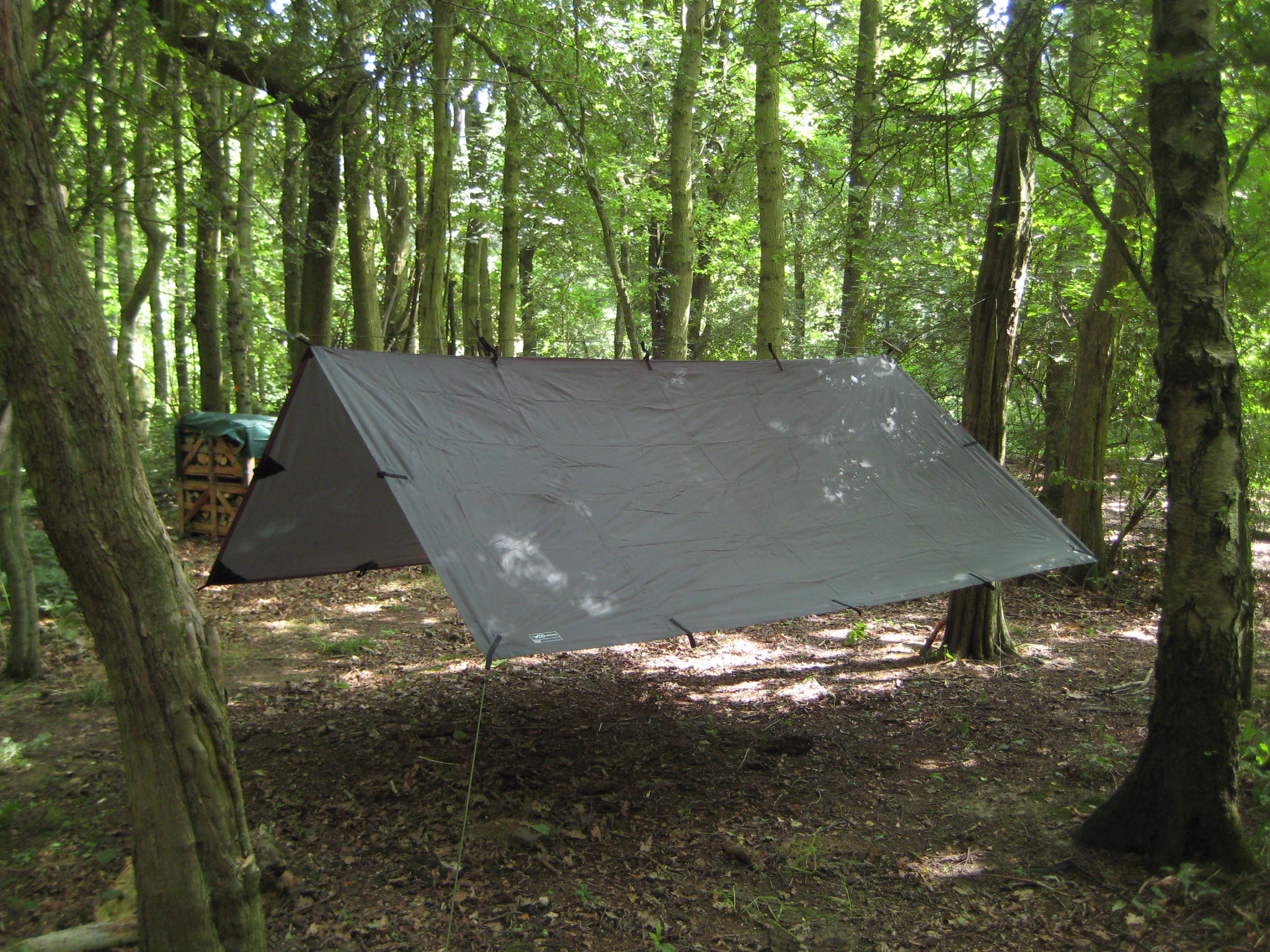
DD tarp
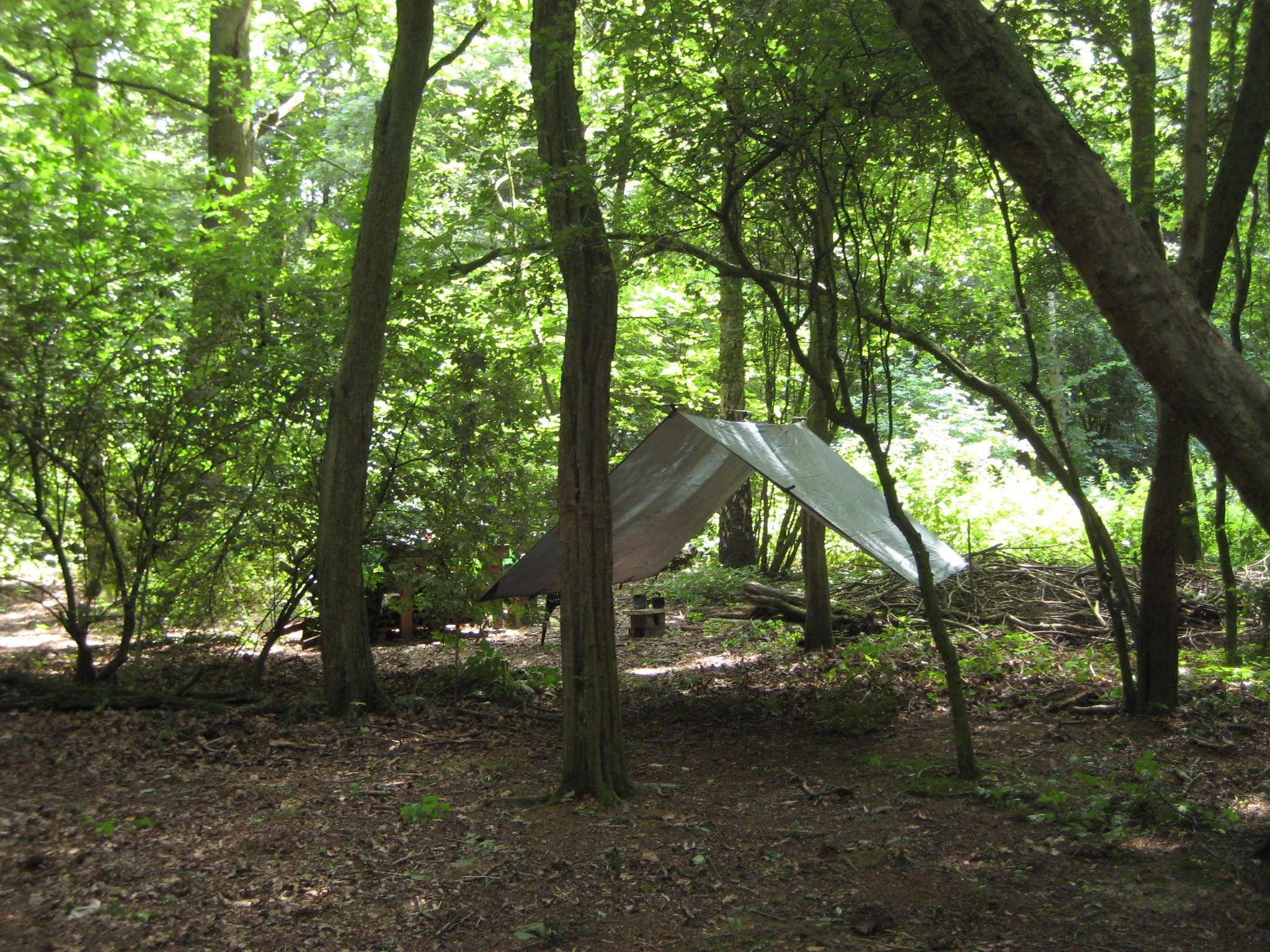
tarp
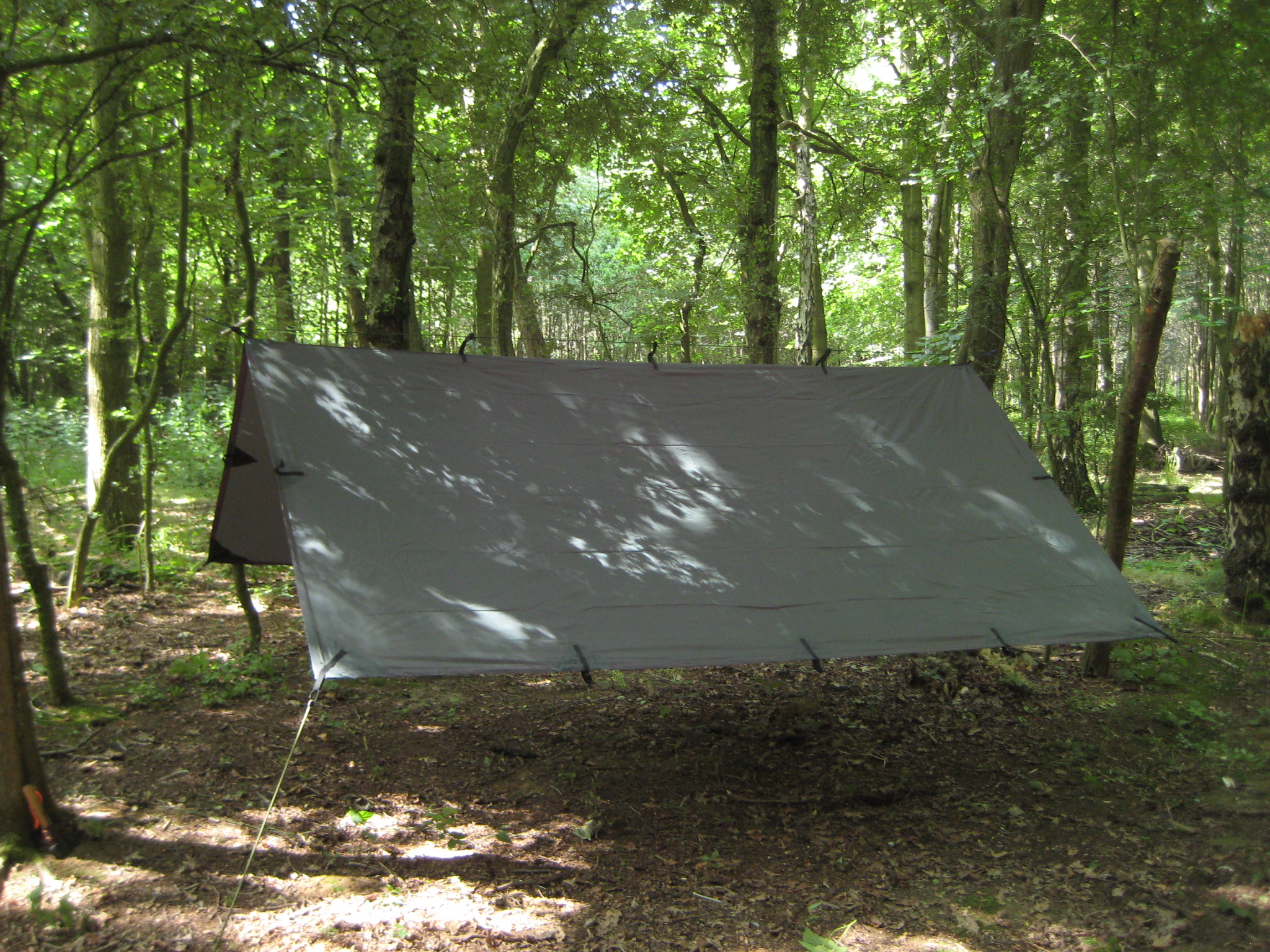
tarp
I still had an hour or so left and decided to fell some small sycamore trees. The area is very dark, sycamore is very shade-heavy and I have lots of it. Taking a few weak or sickly trees down will let more light in and benefit the other trees an the ground flora. Now felling trees gives me very mixed emotions. It feels a bit like vandalism and so there’s a guilt aspect to it. It somehow seems a bit “naughty” but it’s an essential part of maintaining a healthy woodland. It needs to be done. Then there’s a mix of fear and excitement. It’s a dangerous task, especially on your own (not really recommended but I have no choice). You can kill or seriously injure yourself. But it’s kind exciting too as it crashes to the ground. There’s an element of unpredictability too. You assess the lean of the tree, where you want it to drop and make your cuts accordingly. As you make your final felling cut, there’s a moment you watch for, where the tree slowly starts to lean. That’s the time to remove your saw and head diagonally. If your looking where your going (good idea), then you don’t see the tree falling. You might just turn round quick enough to see the last shuddering moment as it hits the deck with a whoosh and a wump. Then a moment of relief washes over you. But the jobs not over. You need to de-limb it and either cut it up or move it to a convenient spot if it’s fallen over a track. That’s not an easy task as some of the branches are now under tension and holding the main trunk off the ground. You need to work out which way the stress is, if you cut the wrong side of the branch, the cut will close up and trap the chainsaw and yes, even though warned about it, I got it stuck a couple of times.
It was the end of the day and I was getting tired and perhaps my concentration was waning. I learned another lesson worth remembering. Do your chain-sawing early in the day when your energy is highest and your brain more alert. Although they were quite small trees, the difference in light levels around the area where they had stood was really noticeable. I can see how much different the wood can look when I’ve done a lot more thinning. Can’t wait to get back and take some more down. I didn’t have time to log them up so just left them more or less in situ on the ground. Here’s some photos of the three areas where I felled them.
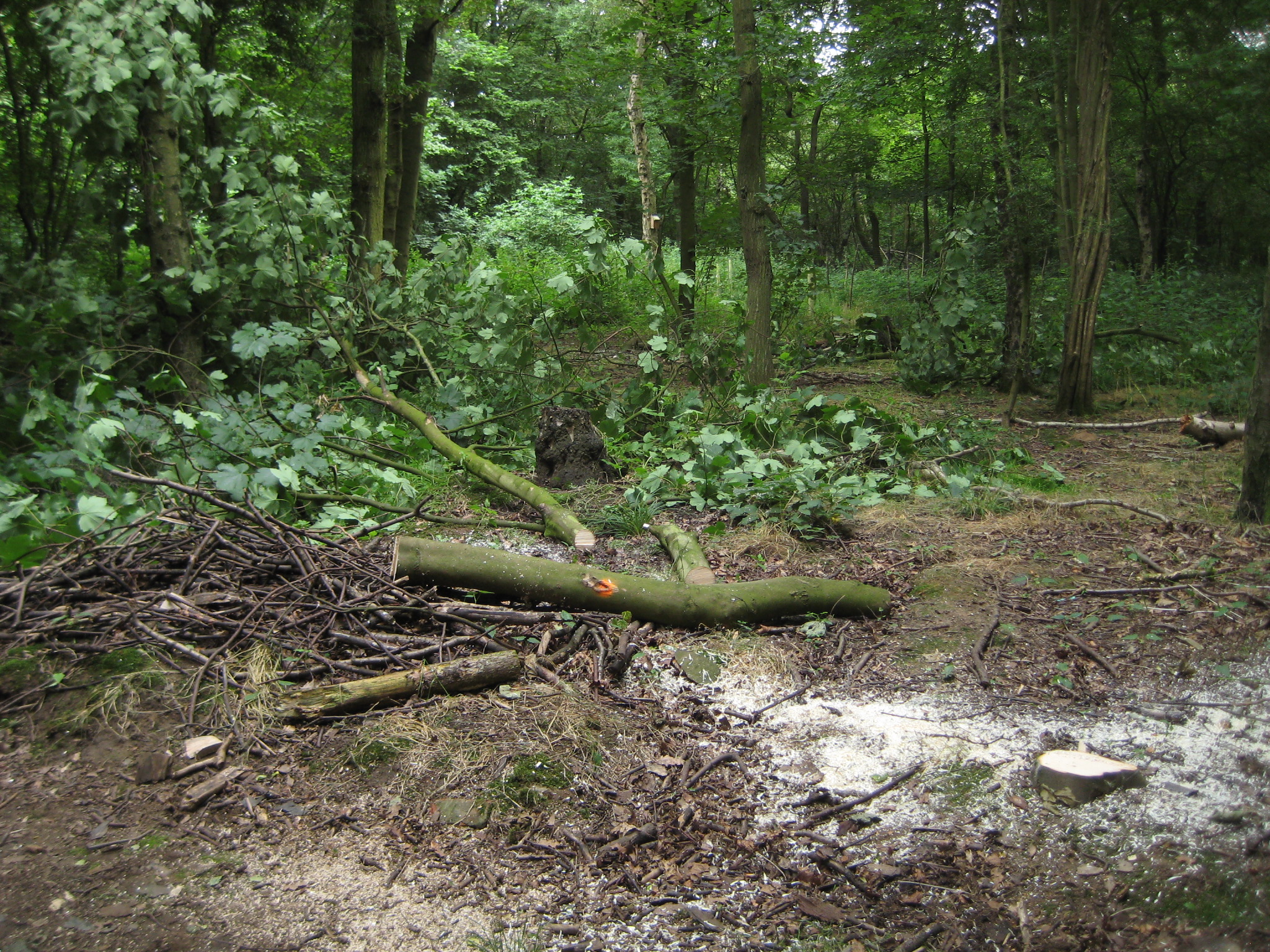
Felled tree one.
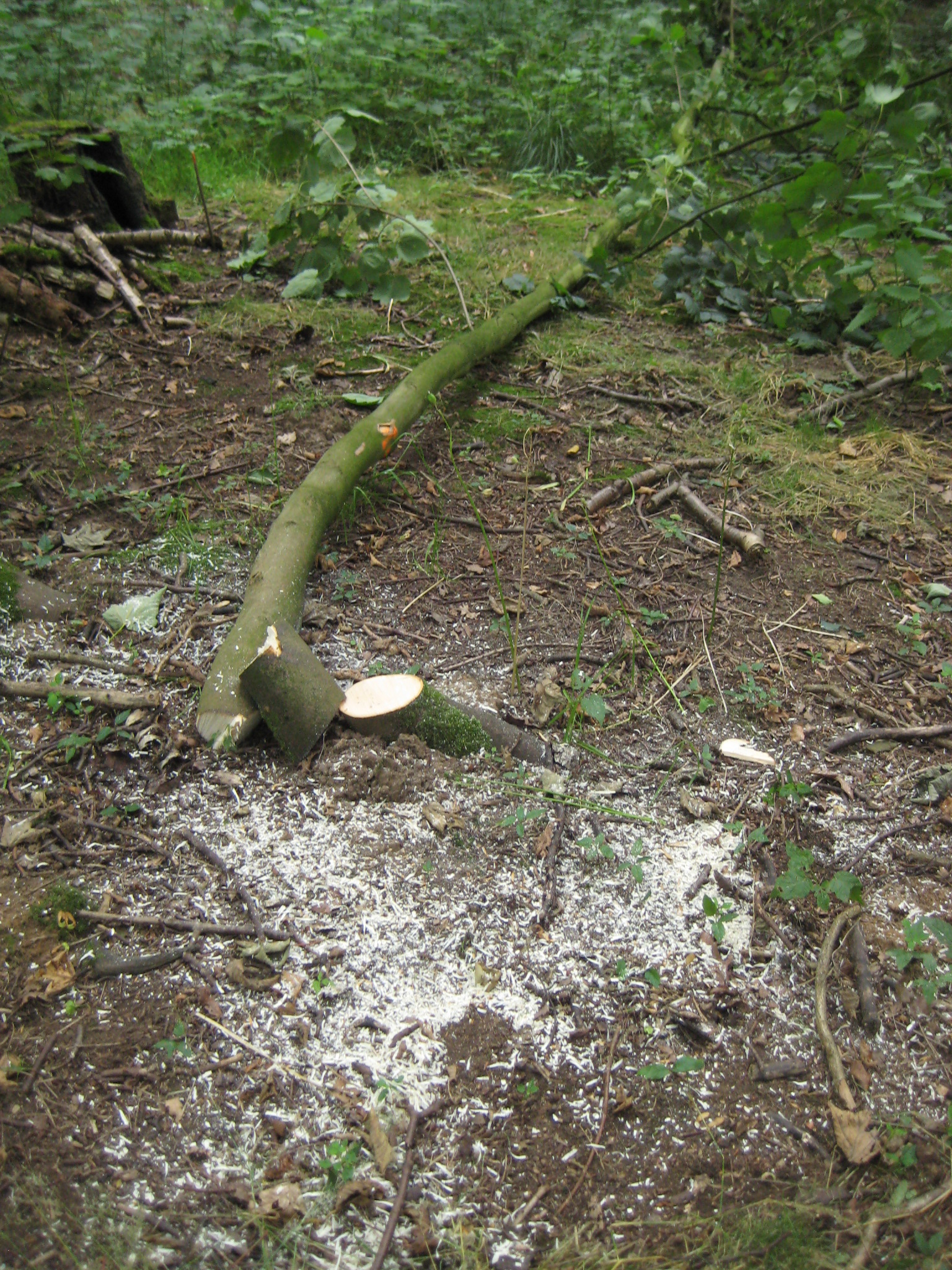
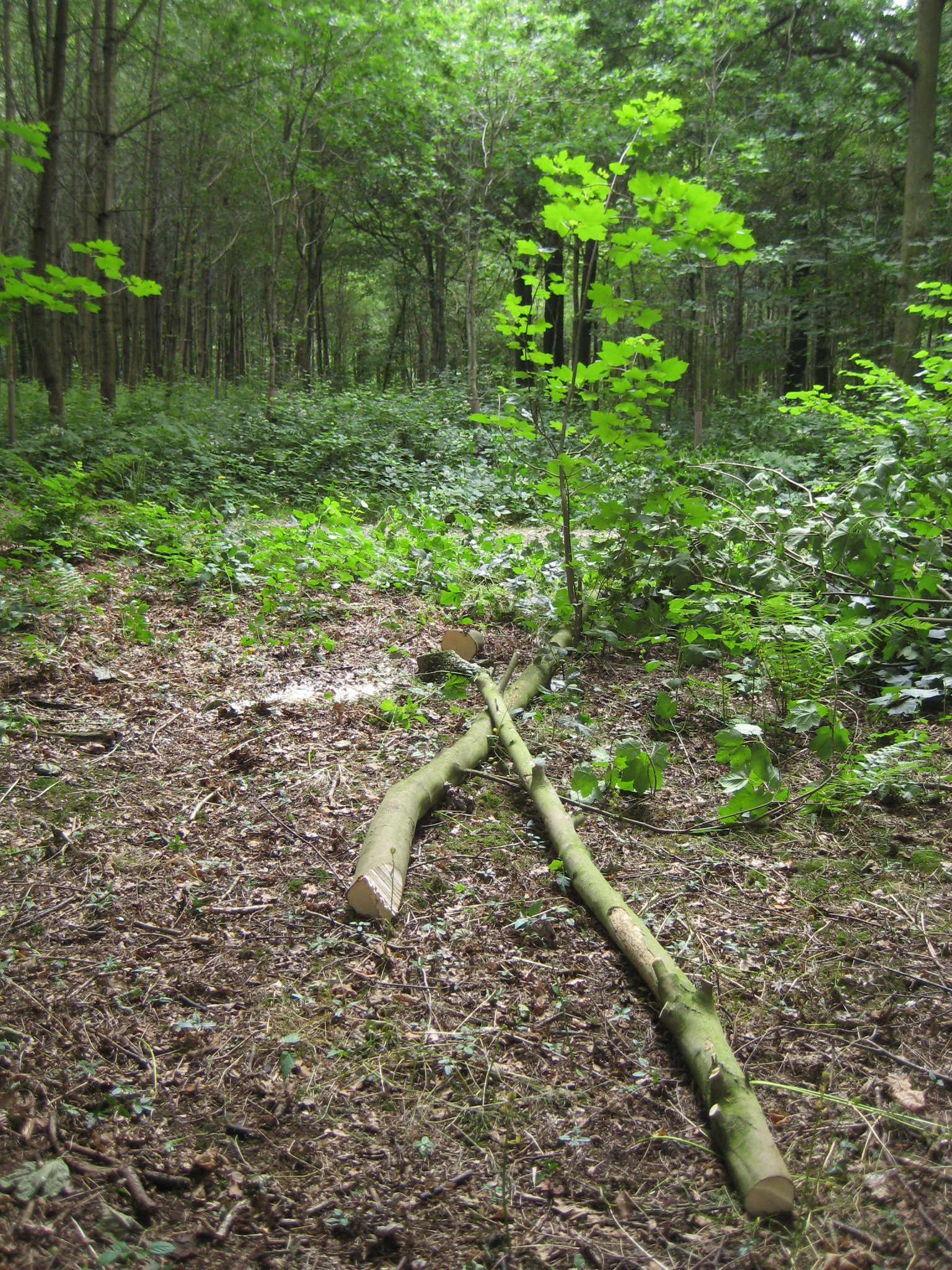
felled tree three, lots more light on the ground now.

