Diary of a man and his woodland

A blog about a man's dream to own a small woodland.


Leave a comment

A lazy day at the woods and no photos.

A nice warm sunny day and an early arrival. I was meeting a very good friend of mine to show him around and just explore the wider woods there. We tend to talk all the time so it’s easy to miss things and for time to slip away so my apologies – no photos taken. The only work done was to chainsaw some more logs that I felled last winter, ready for splitting next time. So this will be short and sweet.

During the walk around the woods I spotted a very odd looking fungi on a dead branch. I have seen them before and identified them but have forgotten them. I have never seen them in any other place but my woods. You could easily miss them though. It stood about 3cm high, thin and poker-like and was black and had an alien look about it. My research has shown it to be an “earth tongue”. An equally weird name.

Walking the rides later we found lots of small frogs which were hiding in the grass until we approached when they quickly hopped away. They were obviously this year’s issue. I love those little things but I know someone who is quite repulsed by them. Odd isn’t it? The newly coppiced hazel as been nibbled even more by the roe deer. So severely that I shall have to put netting up before next year’s growth, a bit too late in the season now.

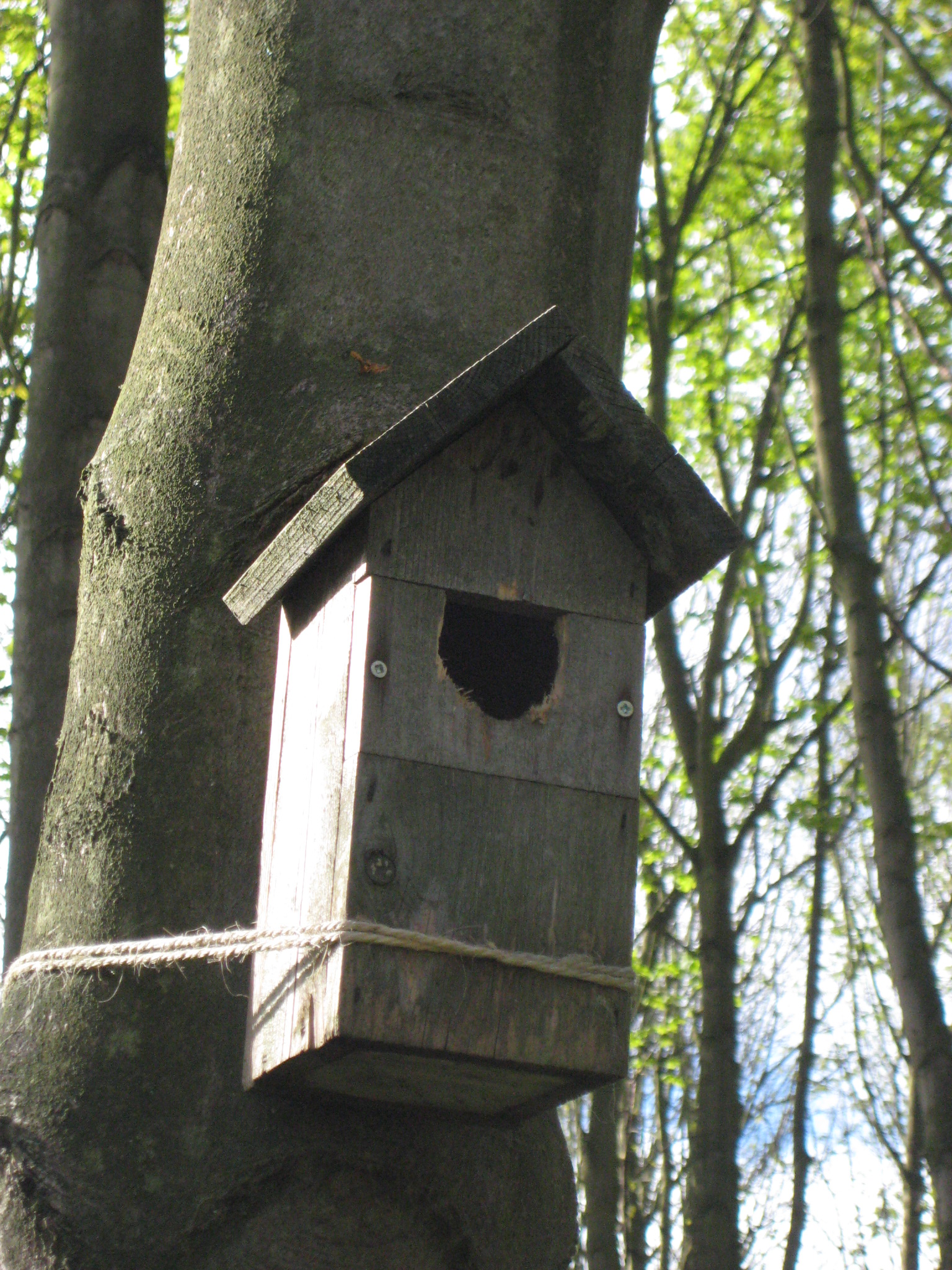
Bird life is very quiet at this time of year. A few wrens, robins, a buzzard and a noisy Jay were around but didn’t see much else. What a difference from Springtime. I shall have to repair some of the nest boxes as they have been damaged by squirrels, chewing at the holes to try to get the eggs and chicks.

Hopefully I will have more to report next visit. Must try harder!


Leave a comment

Wet and gloomy – a day in the shelter

I’m still redecorating the outside of the house and in need of some “green” healing. The forecast was poor which meant I couldn’t paint anyway, so I decided even a wet day at the woods would be good as I have a usable shelter now. I also decided it was going to be a day of “playing” – practising bushcraft and just taking in nature, rather than working hard. As forecast it was raining when I arrived so I quickly headed to the shelter with my gear. I was puzzled as to why it was so wet at the back, then noticed the plastic tarp on the roof had flipped back on itself, exposing part of the shelter to the rain. I had it tied down with hemp type string so why? Inspection revealed that all the ties had been severed, some missing completely. Some type of small furry creature has bitten through them and presumably taken it for nesting material. Squirrel or mice? In this case I am guessing mice. This has thrown me completely on the shelter build becuase all the posts and poles are lashed with string or thin rope. So if the culprits continue cutting them, the shelter could collapse! I had avoided using nails to keep it more natural looking but at the end of the day it has to be functional and resilient.

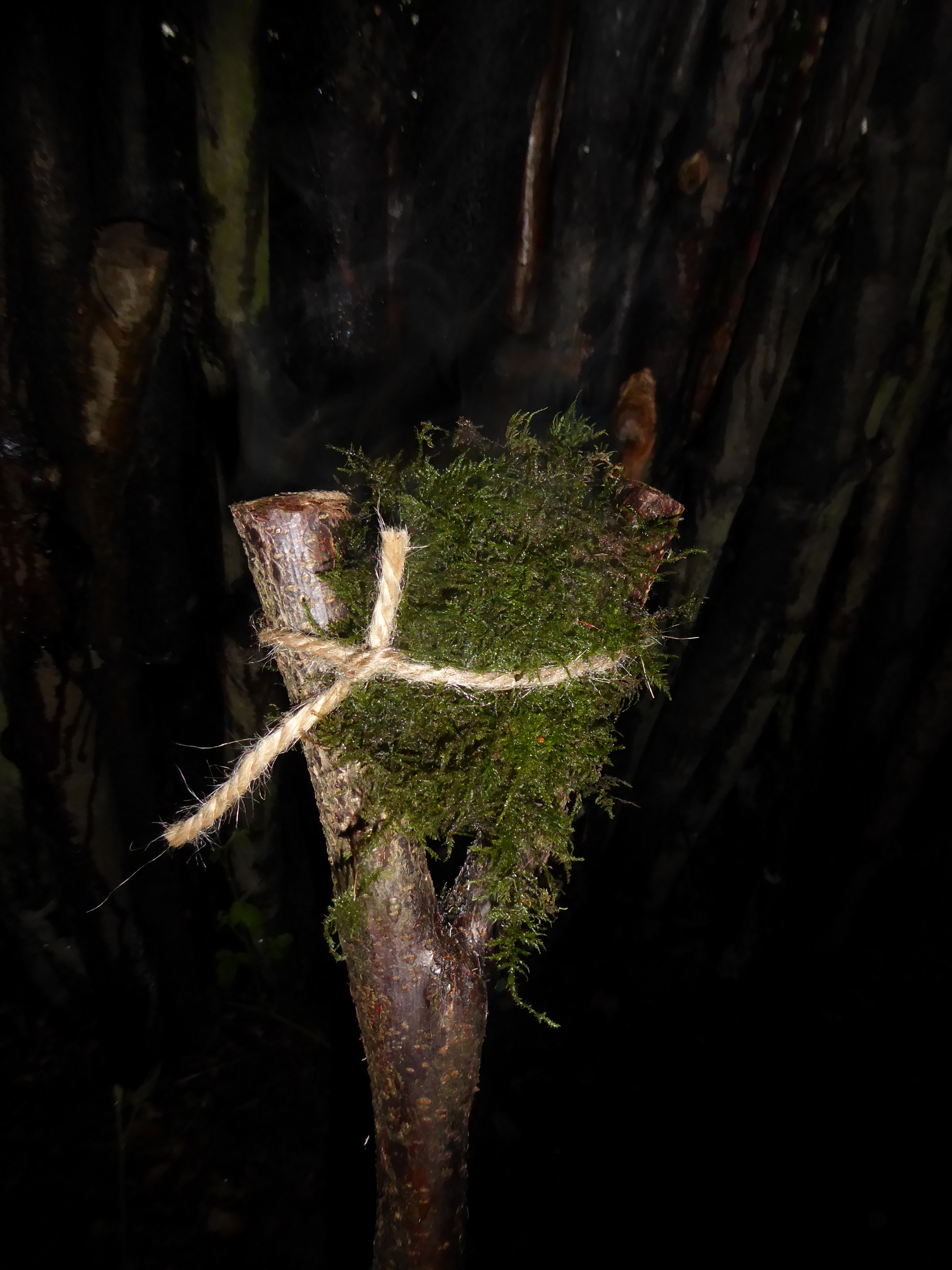
One of my plans was to try an idea I saw for keeping flying insects at bay (and mosquitoes tend to congregate in my shelter). It involves a cramp ball fungus (also known as King Alfred’s cake) which grow on dead ash trees. They are black and smooth and hard. Inside them they look liked charred wood and they are prized by bushcrafters for use as a firestarter as they glow when lit, just like charcoal. You light a large one, wrap a ball of damp sphagnum moss around it, mount it on a stick in the ground and it will gently smoke and deter the insects. It worked pretty well and lasted about an hour. The photo is a bit dark but you can get the gist of it.

Cramp ball wrapped in moss to keep mossies at bay

Cramp ball wrapped in moss to keep mossies at bay

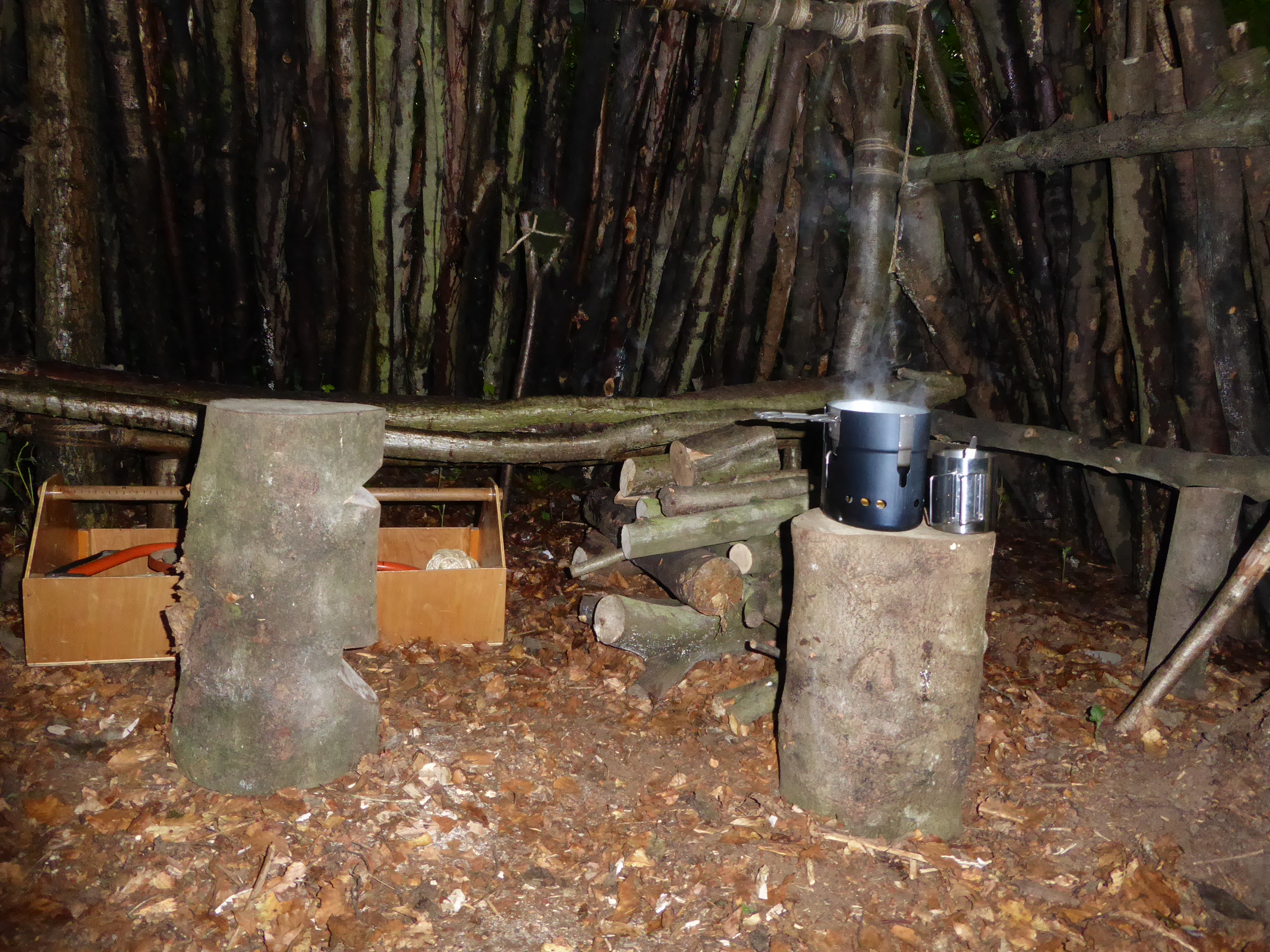
I have placed a couple of log stumps in the shelter to use as stools and tables. I have seen a guy talking about something he calls “stump anvils”. Basically they are logs like these with two nothces cut into them, one a simple V shape and the other a modified 7 shape. Think of the shape of the number seven but instead of a sharp angle, a wider flatter one. The purpose is that you can lie the stump down and the notched can be used to grip small round logs in for sawing. A handy yet simple idea. So I cut these notches which you can see on the stump on the left.

stump anvil log

stump anvil log

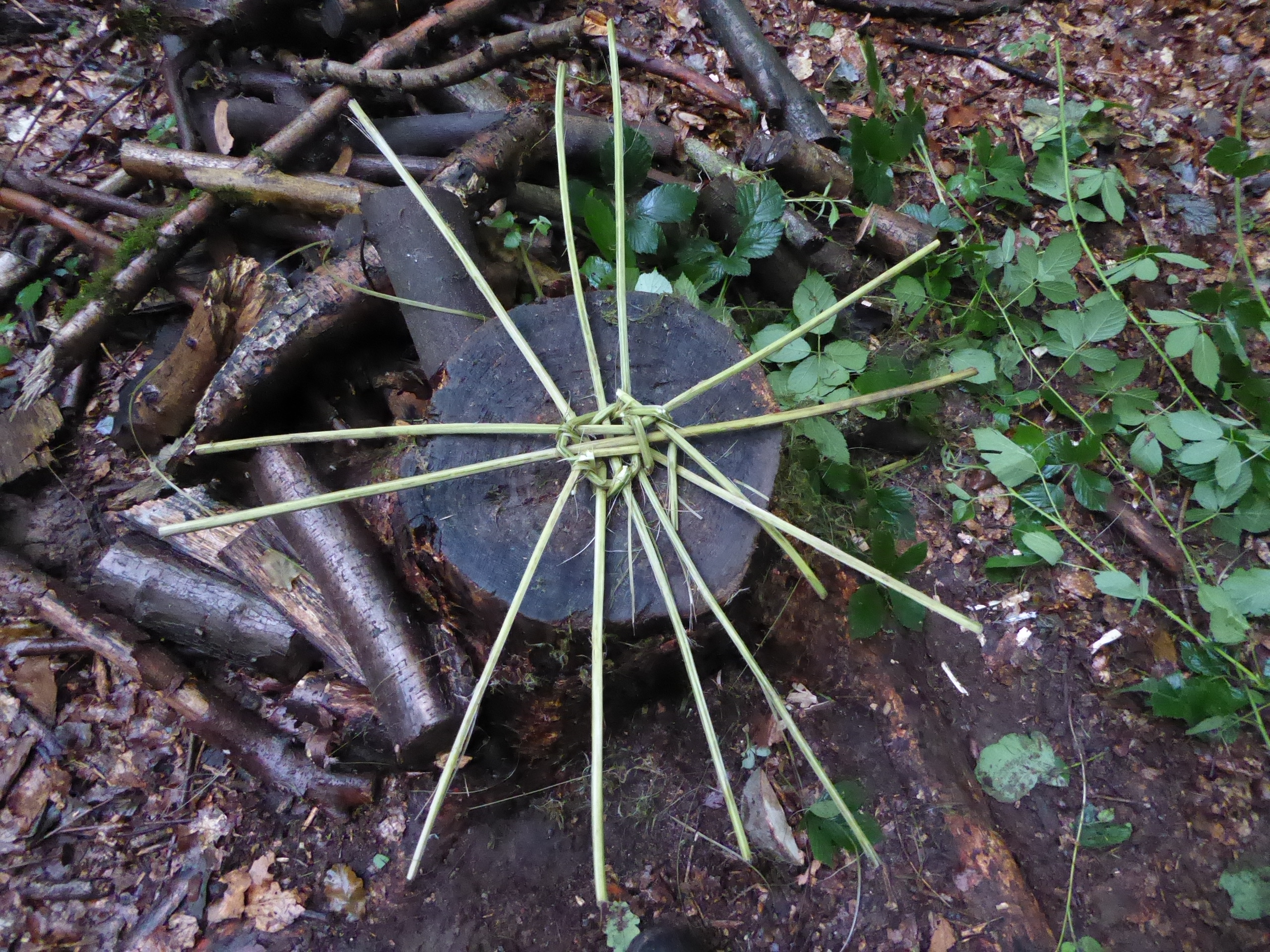
Next activity was to try to make a small basket from bramble vines. I watched a guy on Youtube making one and thought it woud be cool and seeing as I have masses of them, why not. Obviously you need to remove the prickles which I did by scraping with the bak of the knife. You place two lots of three sticks at right angles, then weave another in and out of them. They turned out to be too stiff and brittle to bend so it was quickly abandoned and I tried again with thin hazel rods (which I thought would be nore flexible and stronger. Same problem. So basket making was consigned to room 101 for now. Here’s my pathetic attempt.

Poor attempt at a bramble vine basket

Poor attempt at a bramble vine basket

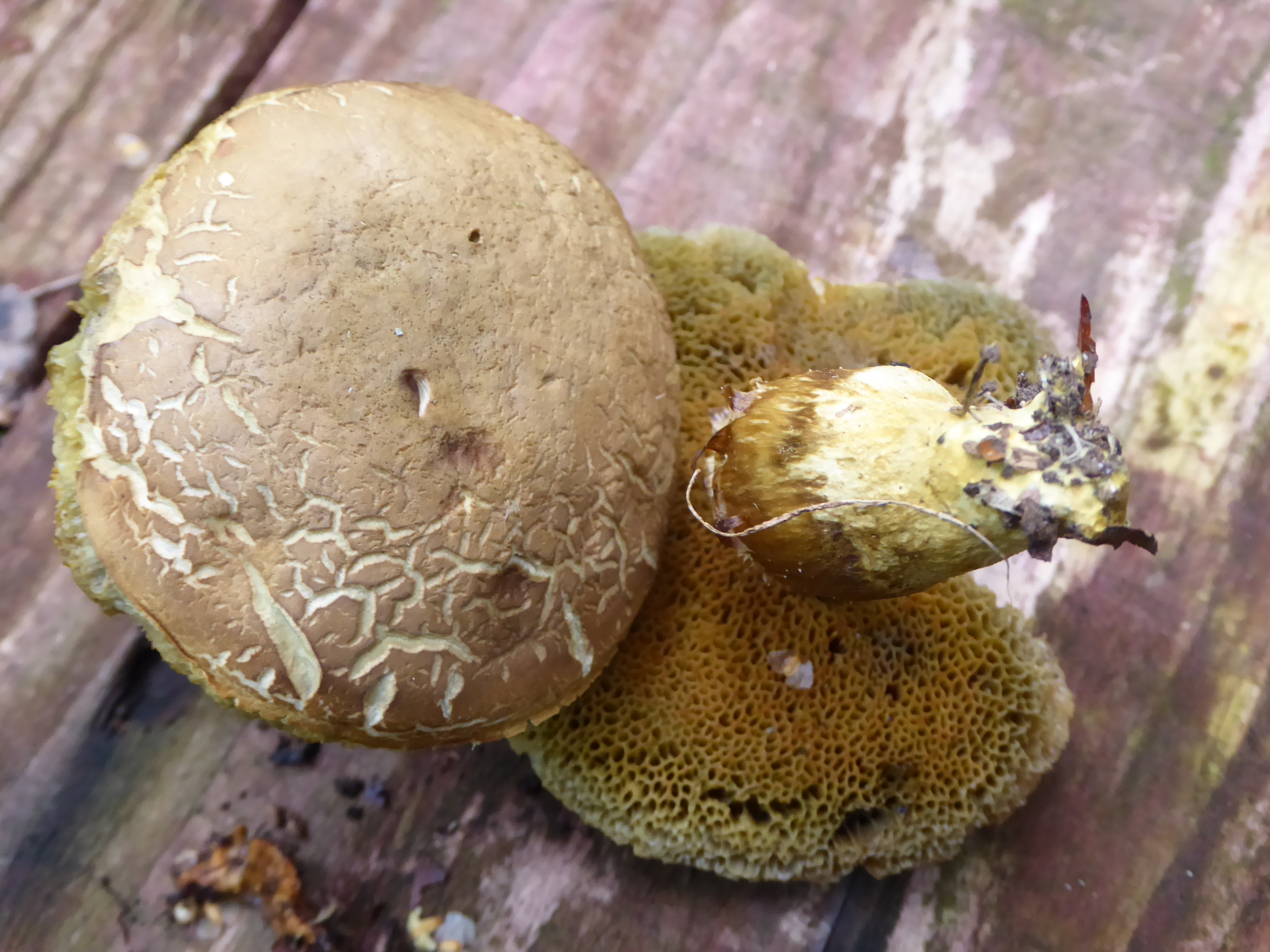
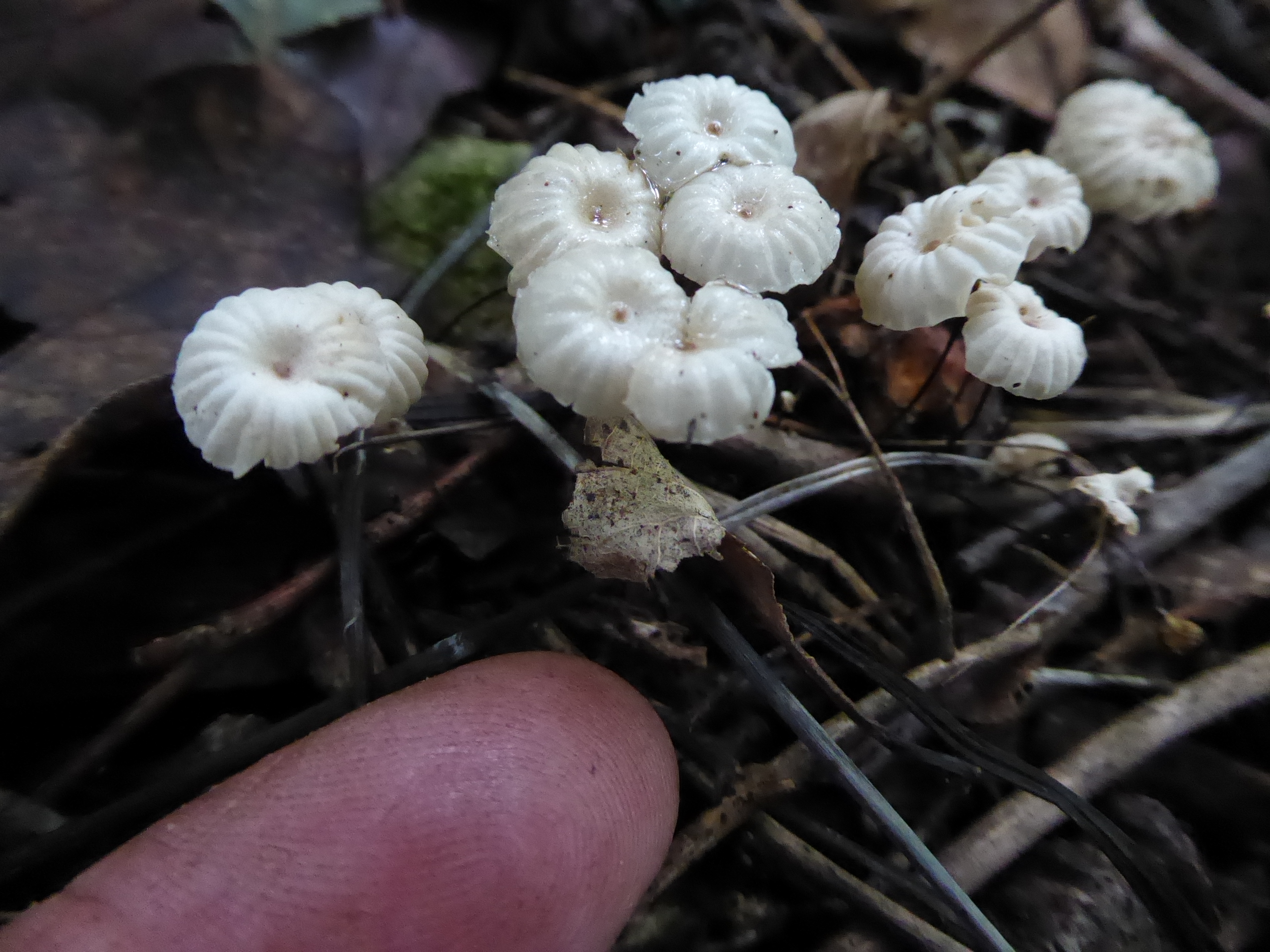
I’ve had a go at making nettle cordage and it has been a success, so my next activity was to process more to take home. after lunch it dried and brightened so I did a bit more log splitting and stacking and pulled some bramble. During the day I had plenty of time just to wander around and explore. Some areas I hardly ever visit so it was nice just to have that luxury. It’s the time of year now when fungi start to show. I found two patches of very different ones. I haven’t identified them yet. The larger ones were growing under oak trees. The other ones wer so tiny and delicate, they looked like something out of a fairy story. So the wet and gloomy day turned out to be quite an interesting and satisfying one but I need to brush up my basket making skills.

Finally I raided some molehills of clay. I have this idea for an ongoing project. To see what I can make just using raw, natural materials and only tools that I can make. Sort of like a Stone Age experiment. The woodland has clay just below the surface. I haven’t made a digging tool yet so I figured I’d let the moles be the tool for now and I’d just scoo up some of the dirt they leave, which looks like it has a high clay content. I am researching how to refine it using water and at some stage I’ll have a go at making a simple pot.


Leave a comment

Back from holidays

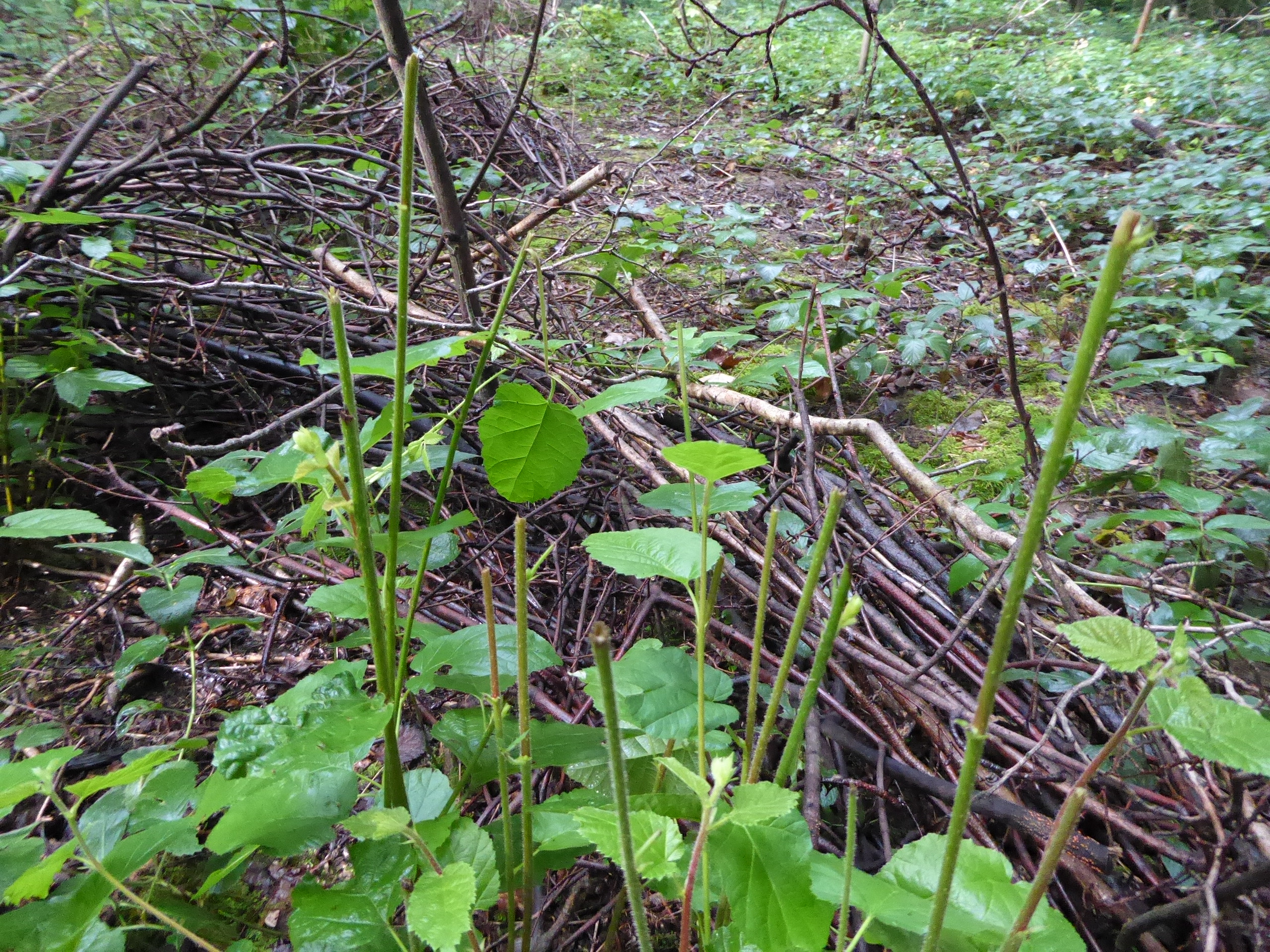
We just had a week’s holiday in Scotland and Northumbria and I was keen to get back to my woods and get a few jobs done. The weather was looking good, so last Saturday I was up at 6am and off by 7am. The roads are nice and quiet and I’m usually the first in the woods. I spent the first hour as usual just wandering with camera and looking over the various areas to see what’s new. Nothing much new, the woods are probably at their peak for the year before starting to wind down again. In the hazel coppice, the new shoots are doing really well but …. something’s been nibbling at them! I guess it’s the roe deer. I was a bit miffed but that’s nature for you. You can see how they have been neatly cropped.

new hazel shoots after the "nibbler" has been

new hazel shoots after the “nibbler” has been

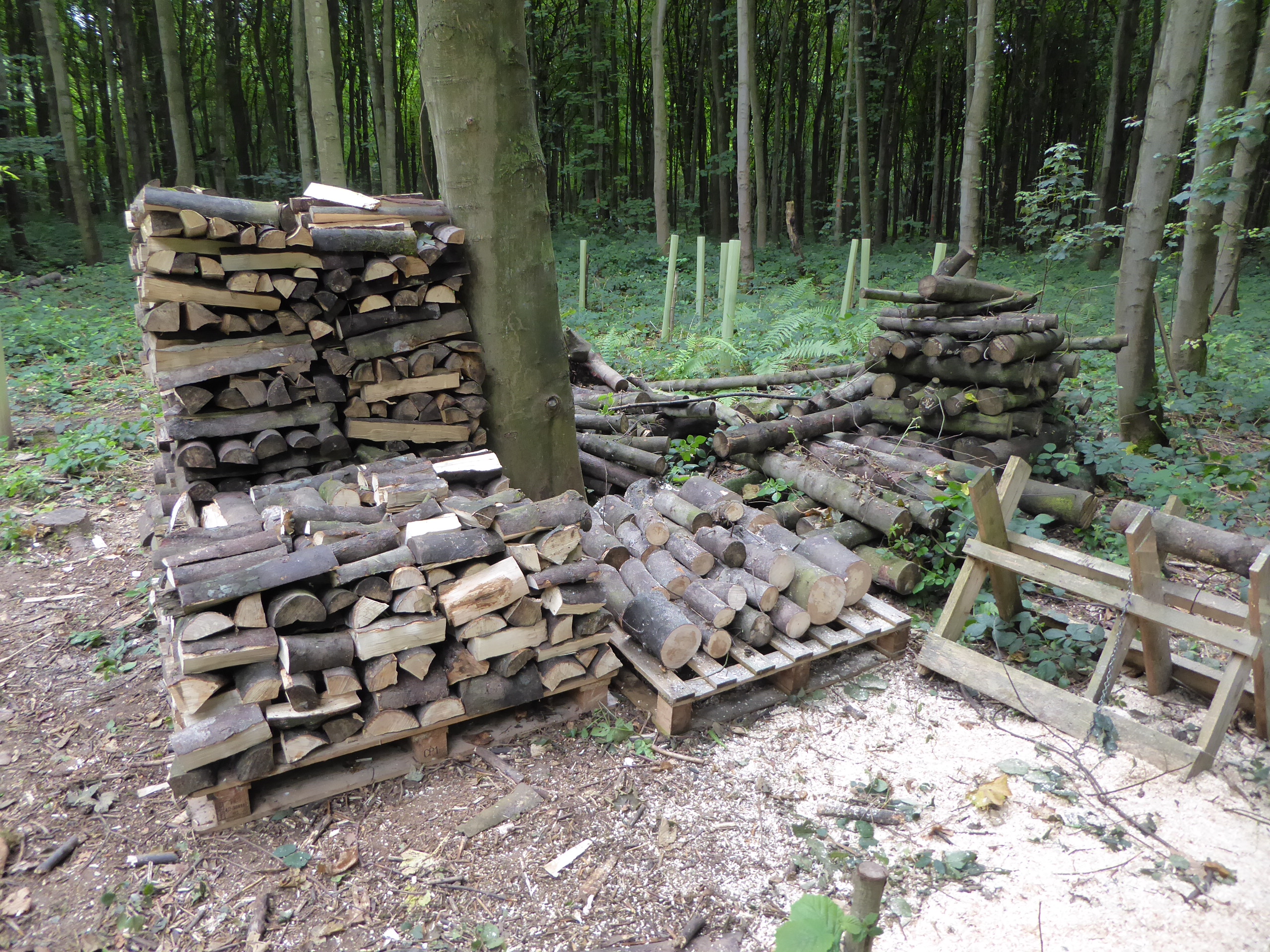
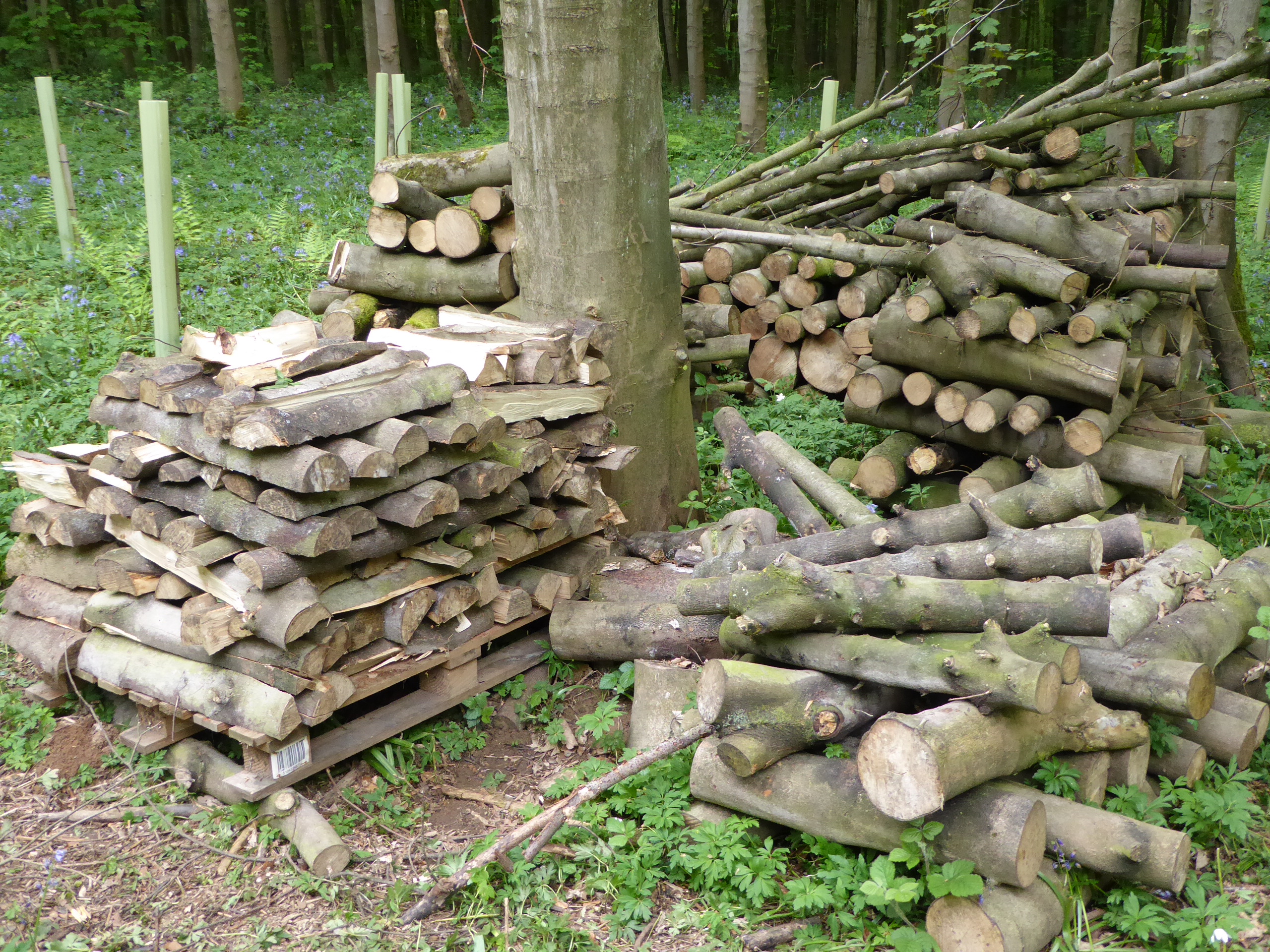
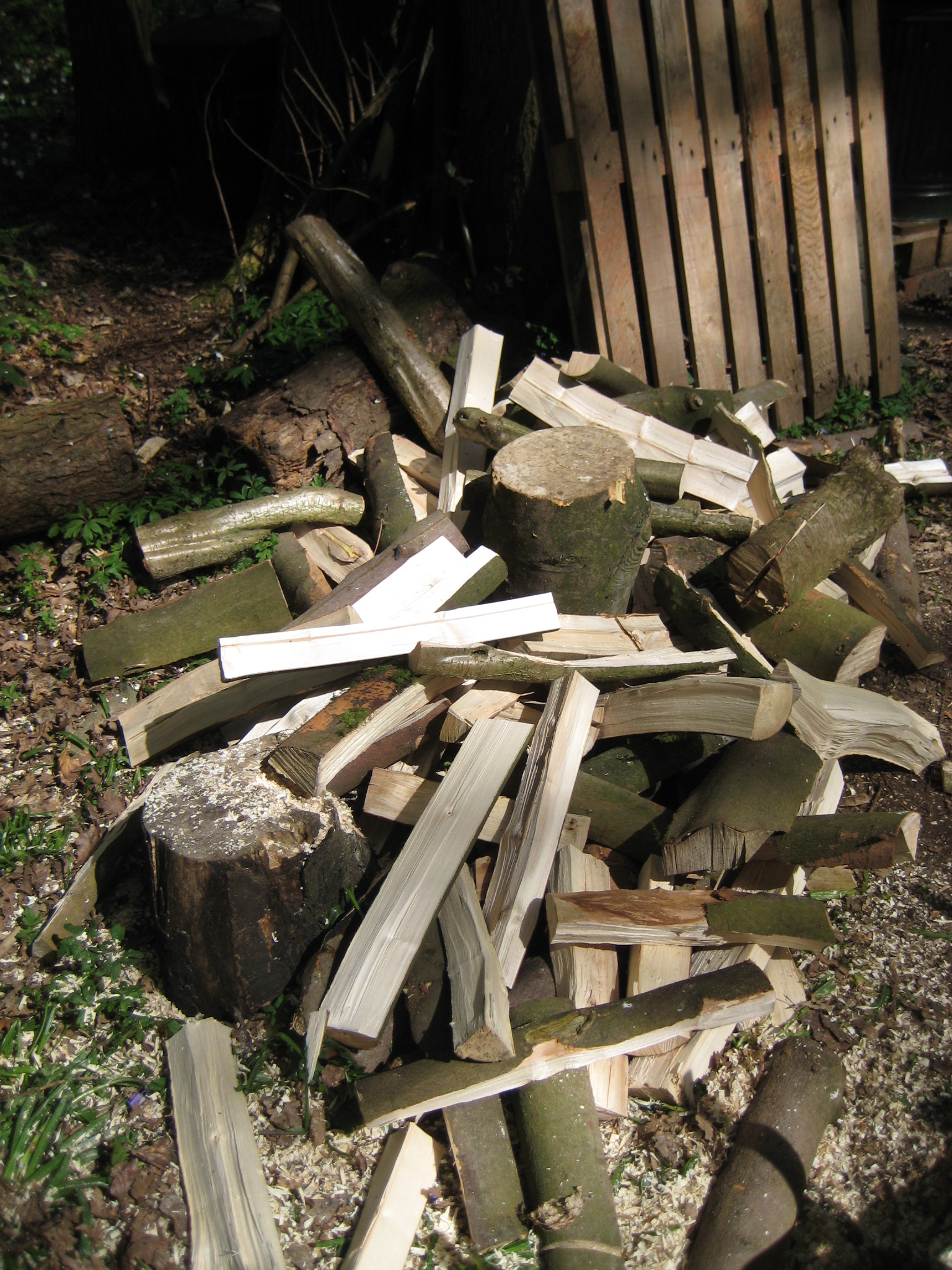
I had a few jobs on my list – more cutting, chopping and stacking of last winter’s felling, a never ending job but essential. Did some tidying up of rubbish that I keep finding here and there and which I tend to throw into an old plastic bin. I wanted to remove it, so bagged it up to take home. I decided that where the log pile is (and where wildlife has been taking advantage of it’s shelter) I would create a small permanent wildlife home by using some of the gnarly and odd shaped logs which are really hard to split for firewood. I set about cutting up the logs into shorter lengths ready for splitting and throwing the rejects into a pile by the brash hedge. My friends and neighbours from the next plot arrived and came to see me and “L” (I shall call her that for anonymity) decided she would like to help me split logs with her birthday present, a Fiskars X17 axe. I have the next larger one an X25 and they are great axes. I was well impressed with her technique, standing poised with axe above her head, she seemed to pause and focus completely on the blow that was about to come, like some kind of log executioner. Wam and the log was split neatly in half. When I commented to her husband about how expertly she weilded the axe he laughed and just said, “Scary isn’t it?” Between us we got through the pile in good time. What a difference it makes having a helper. The old log pile has now grown an extension but still got a load more to deal with. A couple more sessions should finish it off.

the log pile extension after a morings work

the log pile extension after a morings work

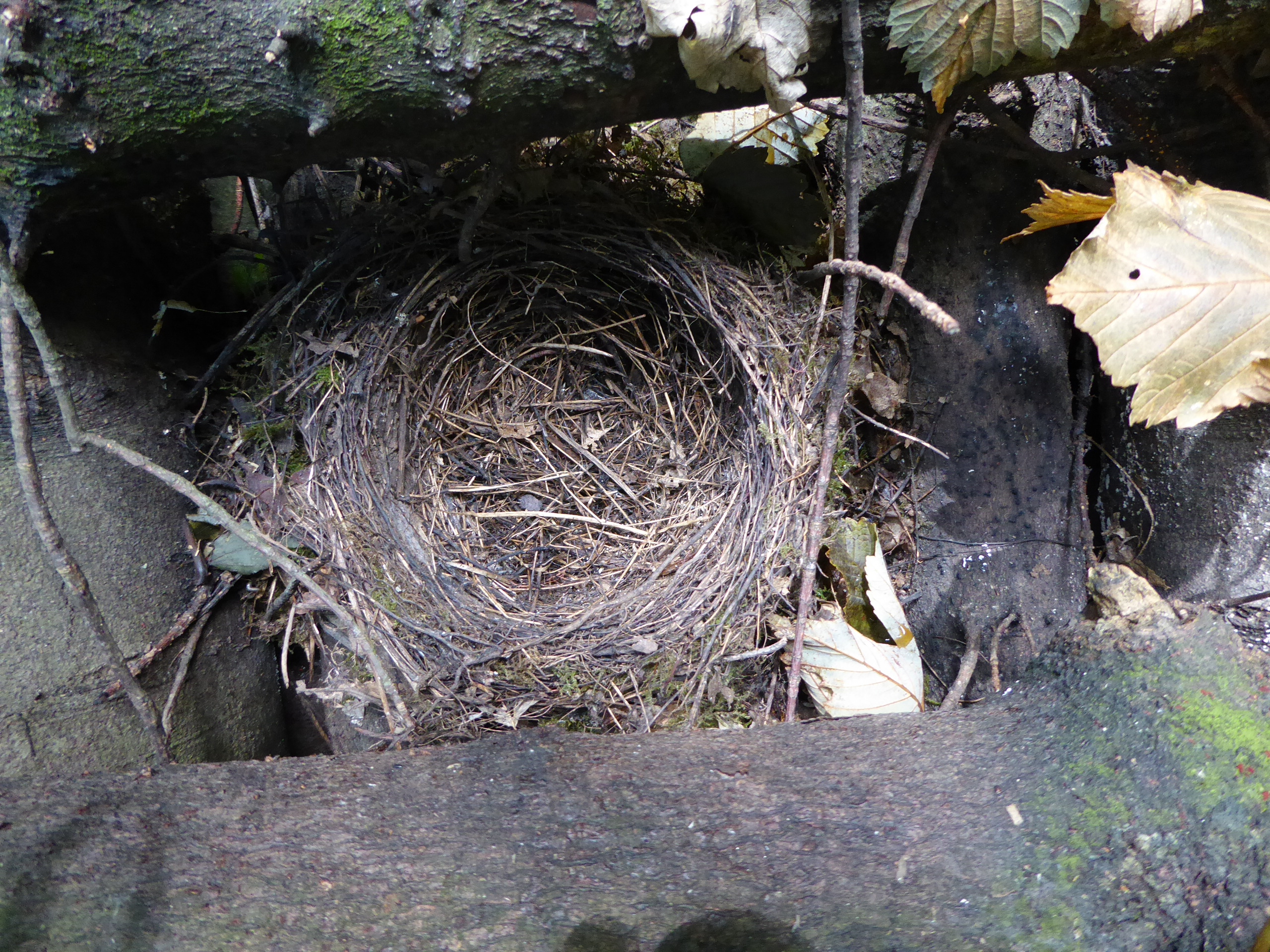
While dismantling the log pile for cutting I exposed the blackbird’s nest that I disturbed earlier in the year. By now the young have flown and it has been abandoned so it’s safe to destroy it. A pity really as it was a well constructed nest but I can’t keep the huge log pile just for that nest and they probably wouldn’t re-use it next year anyway.

old blackbird nest in the woodpile

old blackbird nest in the woodpile

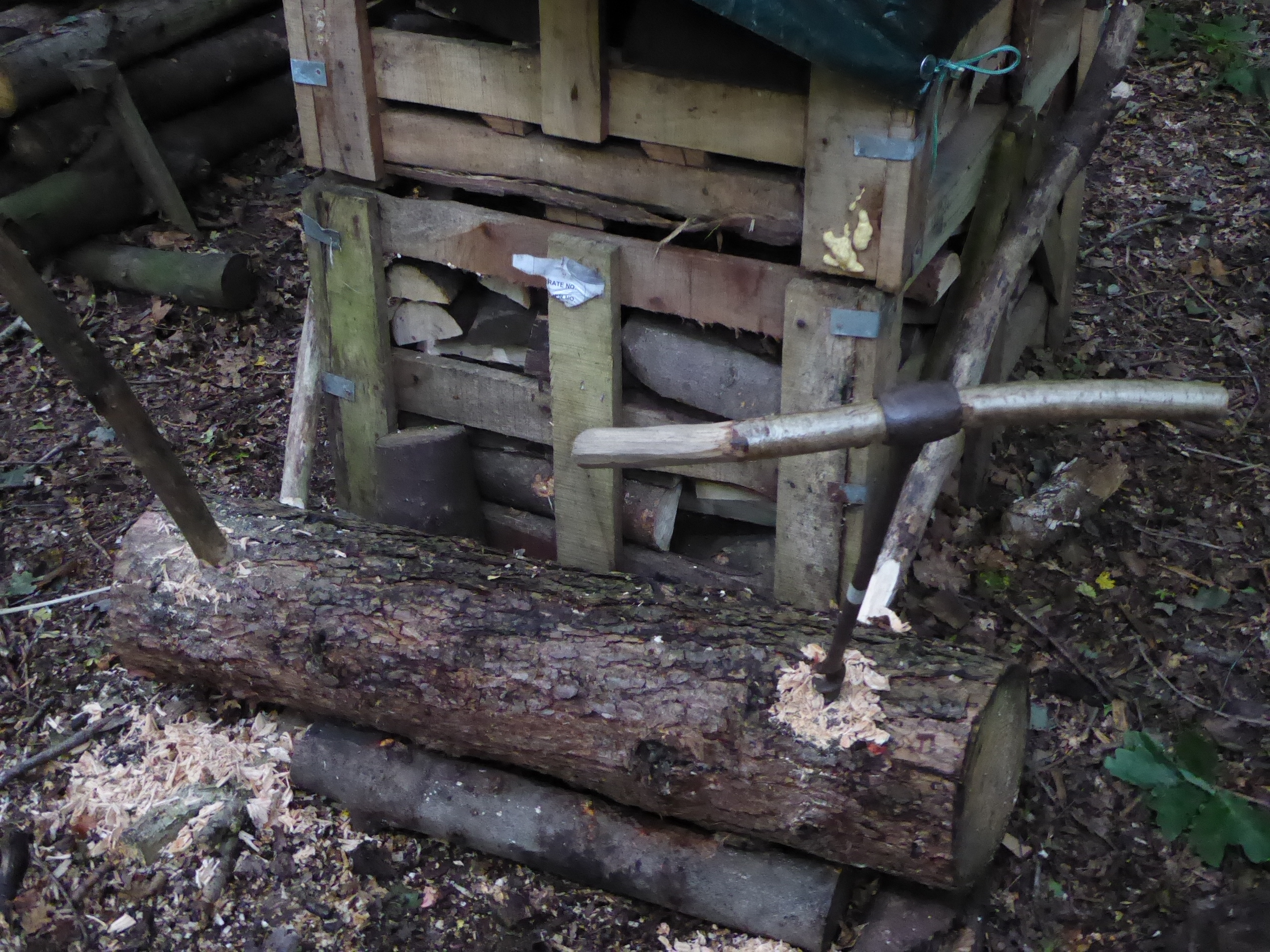
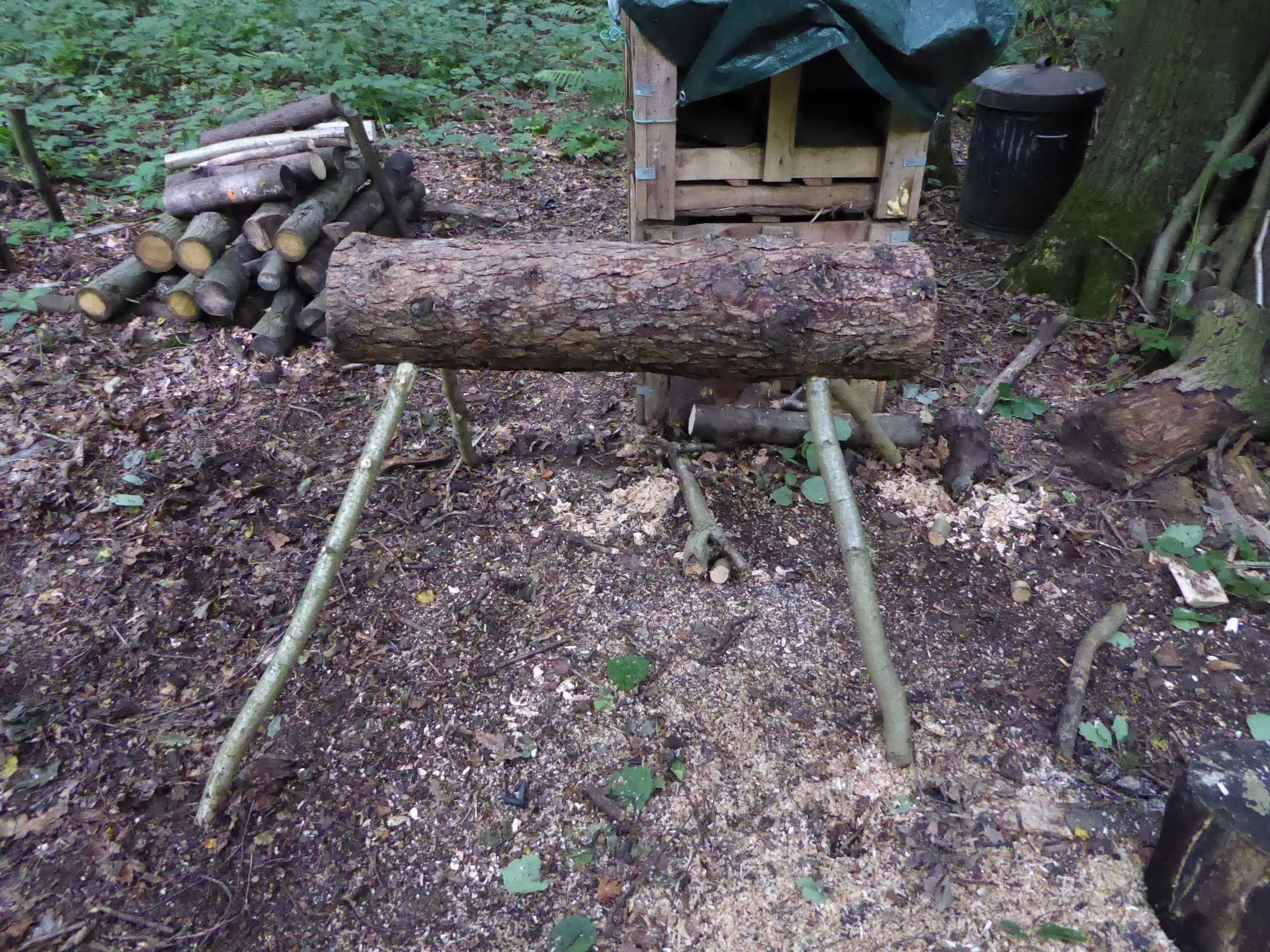
I have been given a stout larch log which I want to make into a workbench. I have seen a video of one and fancied having a go but not got around to it yet. First job is to drill four holes for legs to be pummelled into. I picked up a really large hand auger on a car boot sale, cleaned and sharpened it up and took it with me. These were in common use before we got power tools. In the woods there is no elecricity so it’s a handy thing to have. It has an “eye” in the end where you insert a strong stick as a handle for turning it. It’s hard work but satisfying as the bit turns and you hear the wood getting chewed up and spit out. Hard to judge the angle that the holes need to be too, as you need the legs to be splayed outwards. I banged in a few stout hazel rods and stood it up. It looks like Bambi on ice – legs akimbo. Might need modifying and two of the holes re-drilling now I know what it looks like. I ran out of time so it’s a work in progress. As I write this I have been sanding down the paintwork on the house ready for repainting. What a nasty horrible job. I’m hating every second and dreaming of my next trip to the woods.

hand auger drilling a hole in the log

hand auger drilling a hole in the log

Bambi takes her first steps

Bambi takes her first steps


1 Comment

Shelter, brambles and nettles

The forecast yesterday was heavy cloud in the morning, rain in the afternoon. It’s going to be another two weeks before I can go again so I decided to embrace the prospect of a rainy afternoon, not focus too much on jobs that need doing but just enjoy being there – the peace and healing I get from being close to nature. I could sit under my shelter and do some crafts. So I made a list of possible activities in the shelter. Pimp it with a coat hook and some shelves, make a bench, process some nettles for drying to make cordage, carve some antler bone into toggles, make a firepit and stack some logs to keep dry etc. The shelter is usable but still needed one side building and more branches to fill the gaps, so my plan was to gather as much material as I could find in the morning, carry on building until it rained, then do my crafts in the afternoon.

As I approached, a beautiful fox ran across the road, resplendant in it’s rusty coloured coat and carrying it’s breakfast in it’s mouth. The wood was quiet and dark and I set-to straight away ferrying suitable long logs from here and there, back to the shelter, cutting and stacking them to build the sides. My wheelbarrow cracked under the weight of them, I need something much stronger for this type of work and it was just a cheapo plastic one. So the job took much longer, manually carrying dozens of stout logs is time consuming but somehow satisfying in a manly sort of way. I wondered how many 65 year olds would even think of exerting themselves like this and how odd it might seem to some people that I was doing it to build a den in the woods. Shouldn’t you grow out of those activities when you reach your teens? Nah! I spent at least half my time on the shelter. I pimped it slightly with a couple of stout log stumps which can be stools, coffee tables or work benches. Starting to look a bit more homely now.

IMG_6637

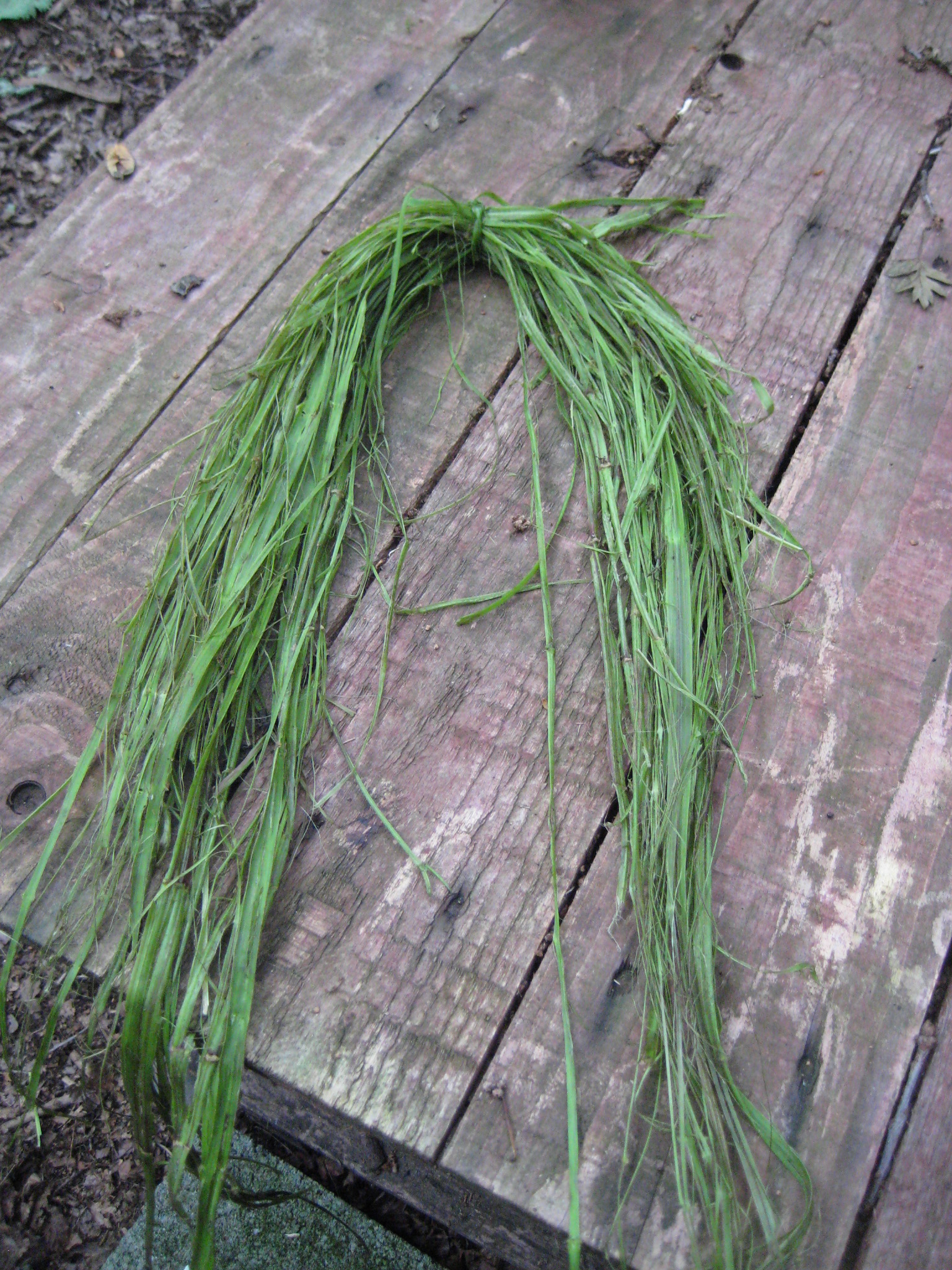
I took a break mid morning, had a brew and started processing some tall nettles to dry. My bushcraft mentor, Phil, told me you can dry them for making cordage later. I want to have a go at making some just for the fun and learning experience. It’s a bit of a painstaking exercise, but sitting in the sun and watching two Speckled Brown butterflies was a relaxing time. One of the butterflies kept landing on a bench, wings wide open, sunning itself. Another appeared and it started to chase it in that fluttery, butterfly-sort-of-dance they do. I couldn’t tell whether it was chasing it off or hoping for some buttefly nookie! I had a three sessions of nettle-stripping (you crush the stems then peel of strips of the outer fibres, discarding the brittle pith. It looks like a bunch of long grass when finished. This was the produce of about a dozen stalks and an hour’s work.

Nettle fibres ready for drying

Nettle fibres ready for drying

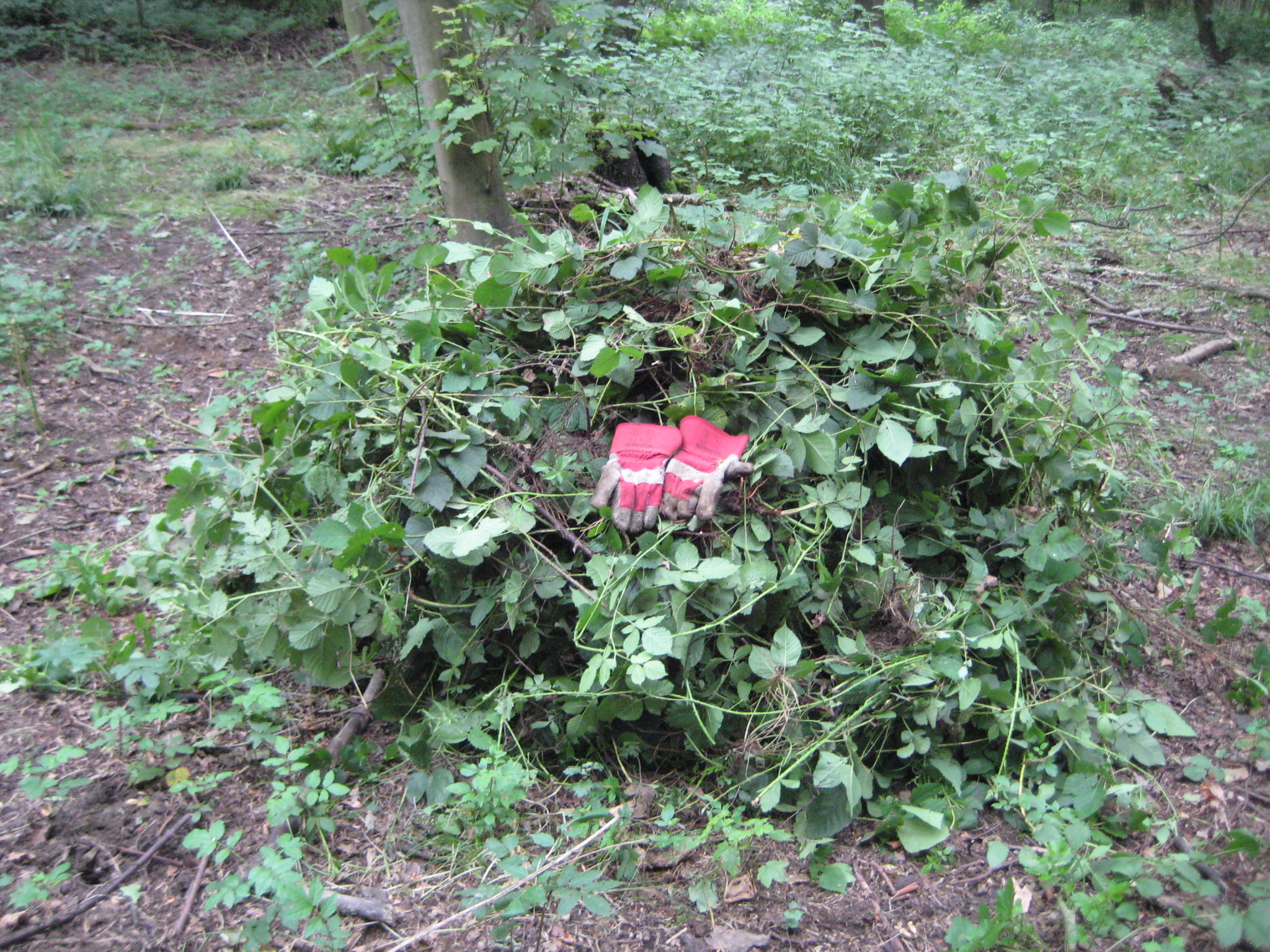
Whilst gathering the nettles, I was getting tangled up in some long bramble runners. I started pulling at them to see if they would uproot easily and the surprise was – yes. I’ve tried in other areas before and it was really hard but for some reason it was easy here. I carried on and quickly cleared a small area. I found it incredibly satisfying and continued for about an hour. By the end of it I had cleared a substantial area and built a large pile which I’ll leave to dry and eventually burn. The bonus was discovering hundreds of young ash saplings growing away nice and healthy. Previously this area had been used as a pheasant pen and there was little growing on the ground. I suspected it was due to the birds eating every seed that fell and it’s encouraging to see this fairly barren area starting to regenerate now. There are quite a few ground cover plants taking over too.

An hour's worth of bramble pulling.

An hour’s worth of bramble pulling.

Rather than rain setting in, the afternoon brightened and I was able to achieve a lot. Not much of it from my list but the bonuses of an almost-finished shelter and several square metres of bramble-free gound, left me feeling very satisfied. I sat in my shelter for a while admiring the view and my days work and left tired, mossie-bitten but very contented.

view from the shelter

view from the shelter


Leave a comment

Working the woodpile

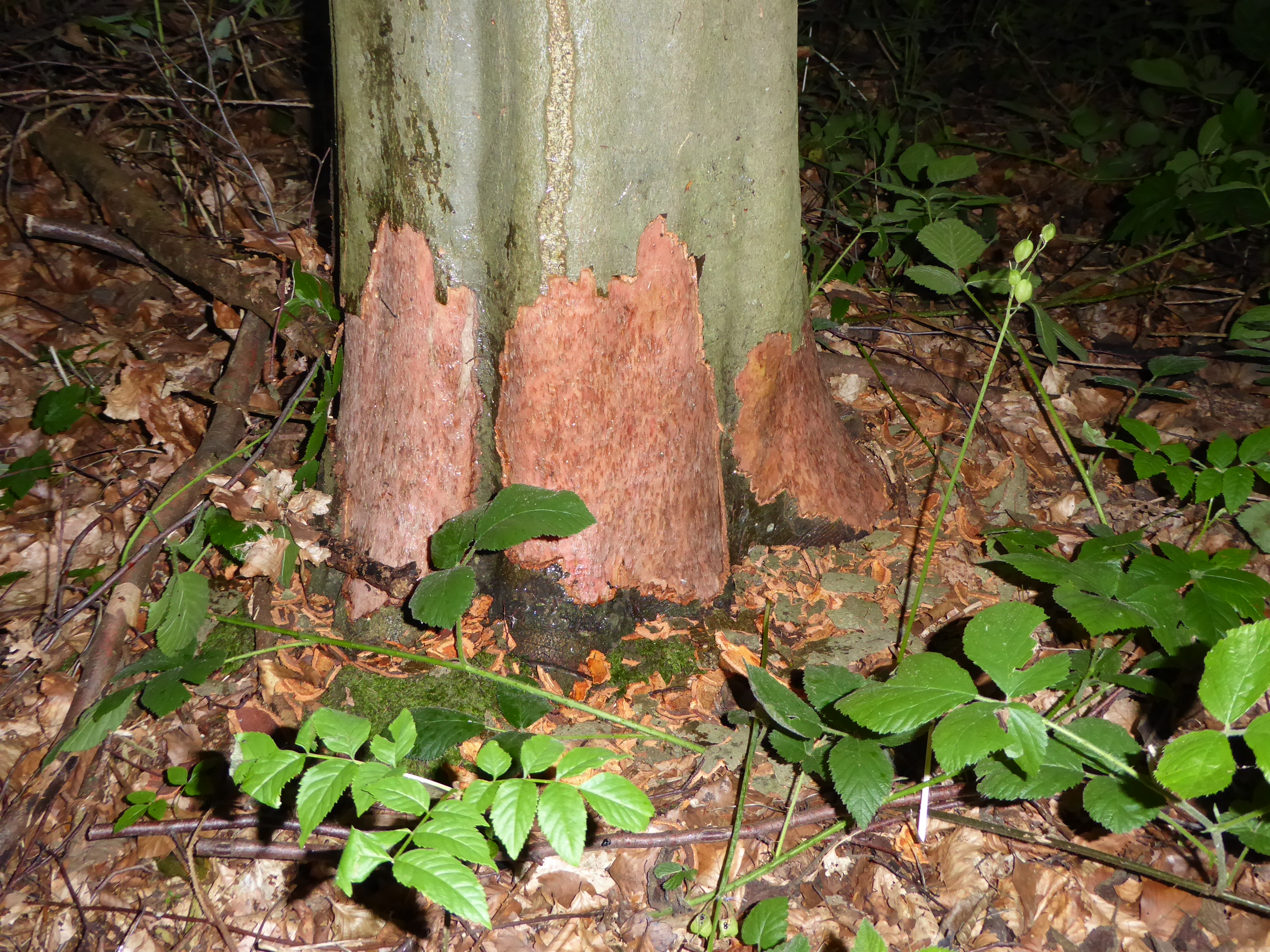
It’s been difficult to find time to get to the woods the last few weeks so I was looking forward to my visit. I find that if I have long breaks between visits, I start to lose some of the special connection I feel to it. It starts to feel detached from me, somehow remote and I don’t like that. So when I do visit, it sort of re-establishes that connection. The day was dull but dry and I arrived nice and early at 8am. Two other woodlanders arrived at the same time which was nice just to touch base with them. My aims were primarily to cut, split and stack more of my huge pile of logs left from felling last winter and have a little “play” at my bushcraft. My usual initial walkabout discovered some recent and shocking grey squirrel activity. They chew the bark off smooth barked trees. This one has been ring-barked by them since I was last there. It annoyed and saddened me becuase it’s a beautiful straight-trunked beech tree, probably 60+ years old and it is likley to die now.

squirrel damaged beech tree

squirrel damaged beech tree

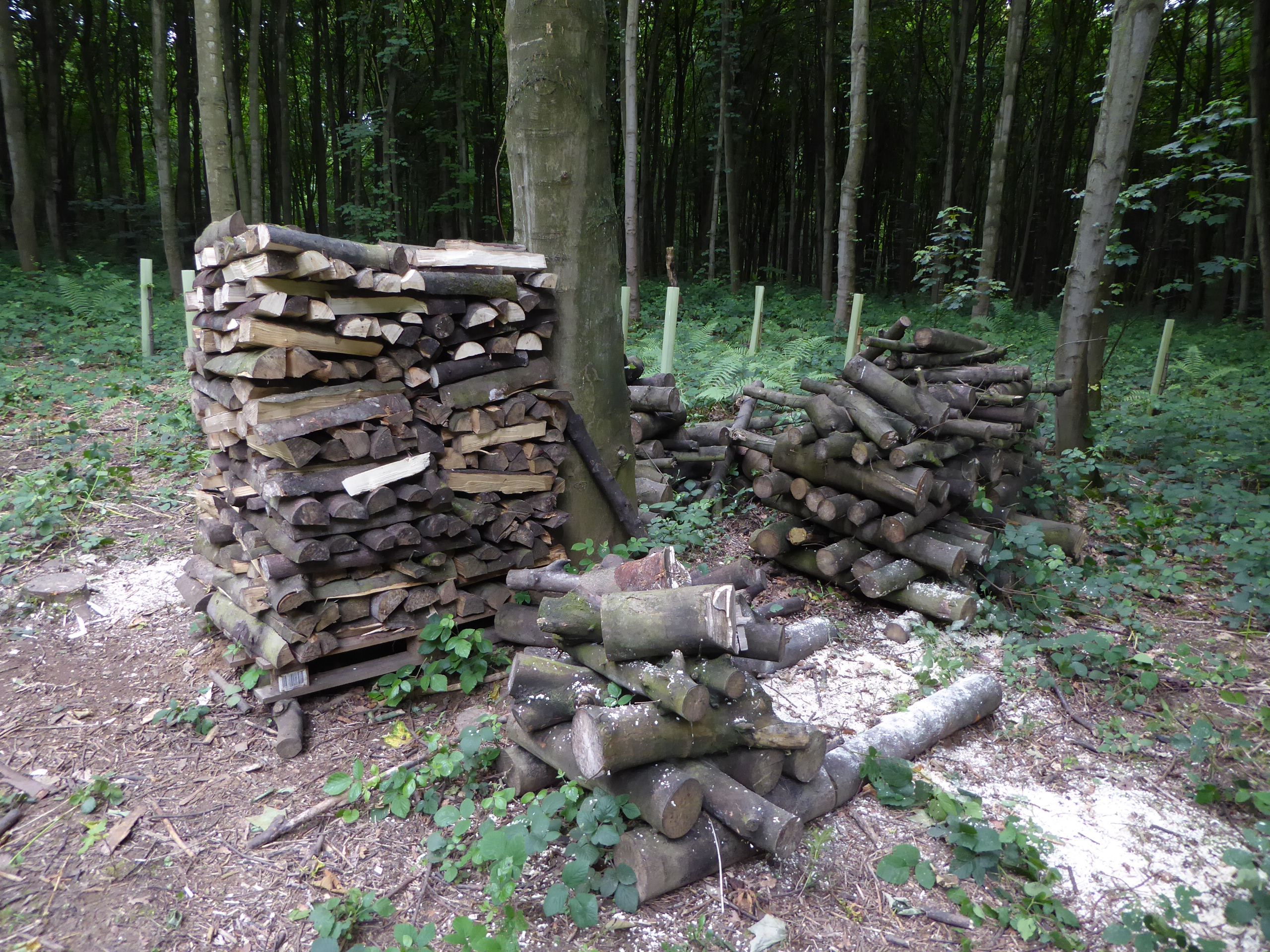
I spent a good part of the day on the log splitting jobs. There are two piles and I decided to start on the smallest, a pile of longish lengths that first needed chainsawing down to smaller pieces ready for chopping. As I lifted them off, a small brown mousey animal jumped out and disappeared into the bramble in a flash. I found a pile of fluffy material that must have been it’s nest. I couldn’t just pile the logs back up in case there were babies in it that might get crushed so I carefully started to poke around in it. There was a squirmey movement and out popped a small toad, then another. Clearly this pile had become an animal hotel. I cut some logs into smaller sections and built a smaller version, more like an animal bungalow, so they can continue using it for shelter. The other log pile is huge and I keep chipping away at it. The stack is growing nicely but still a lot left to process.

the large log pile and stack

the large log pile and stack

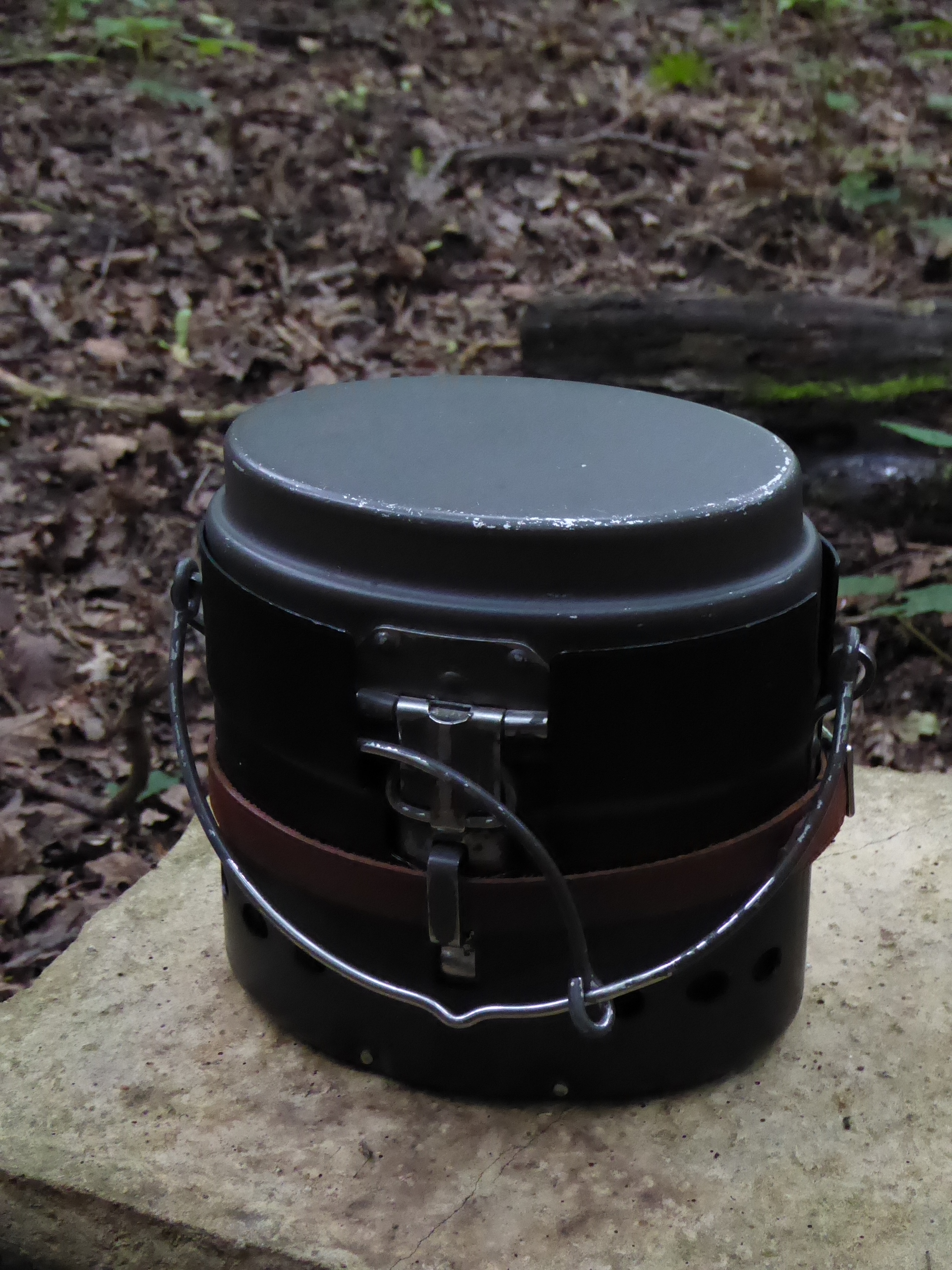
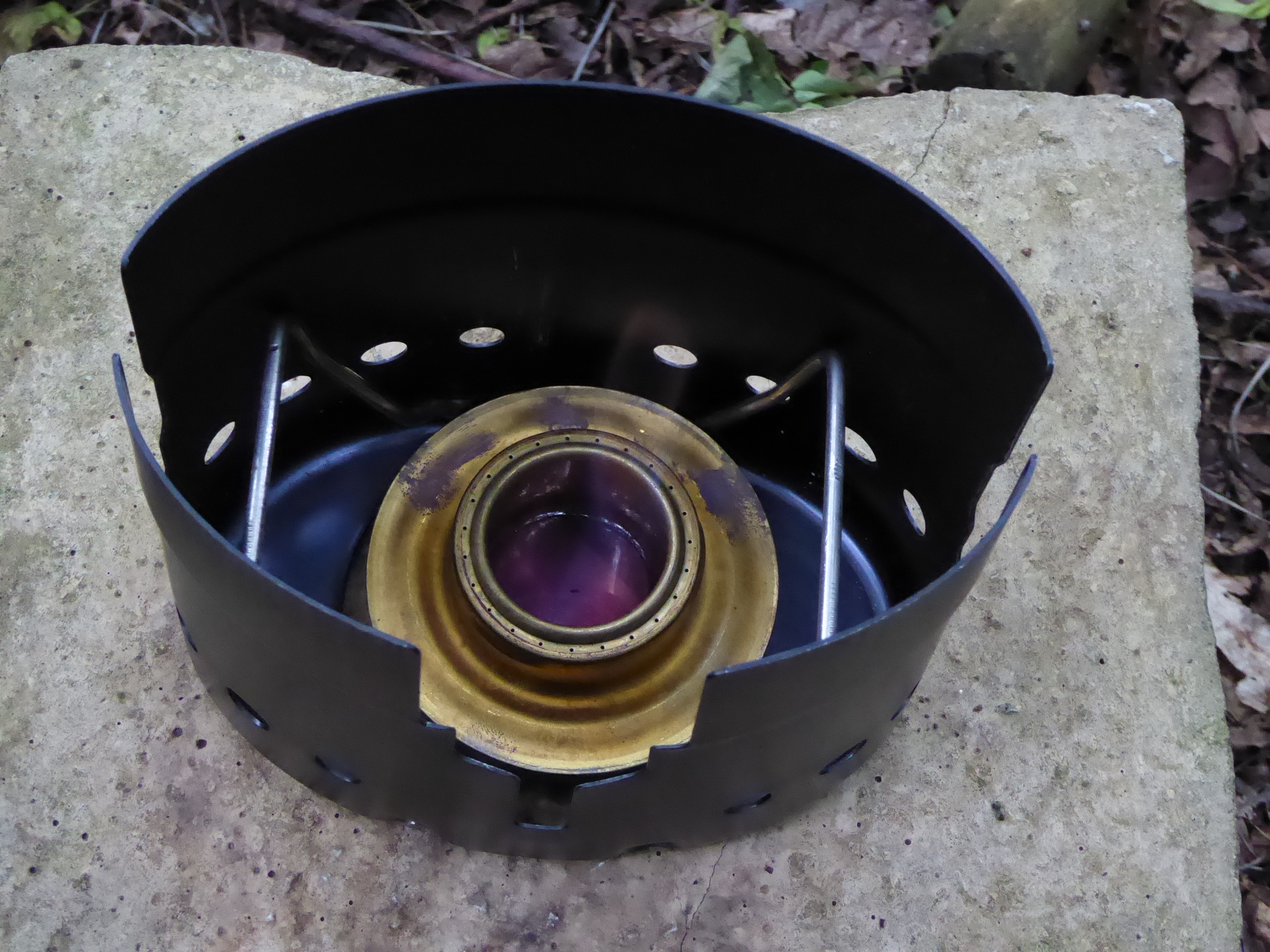
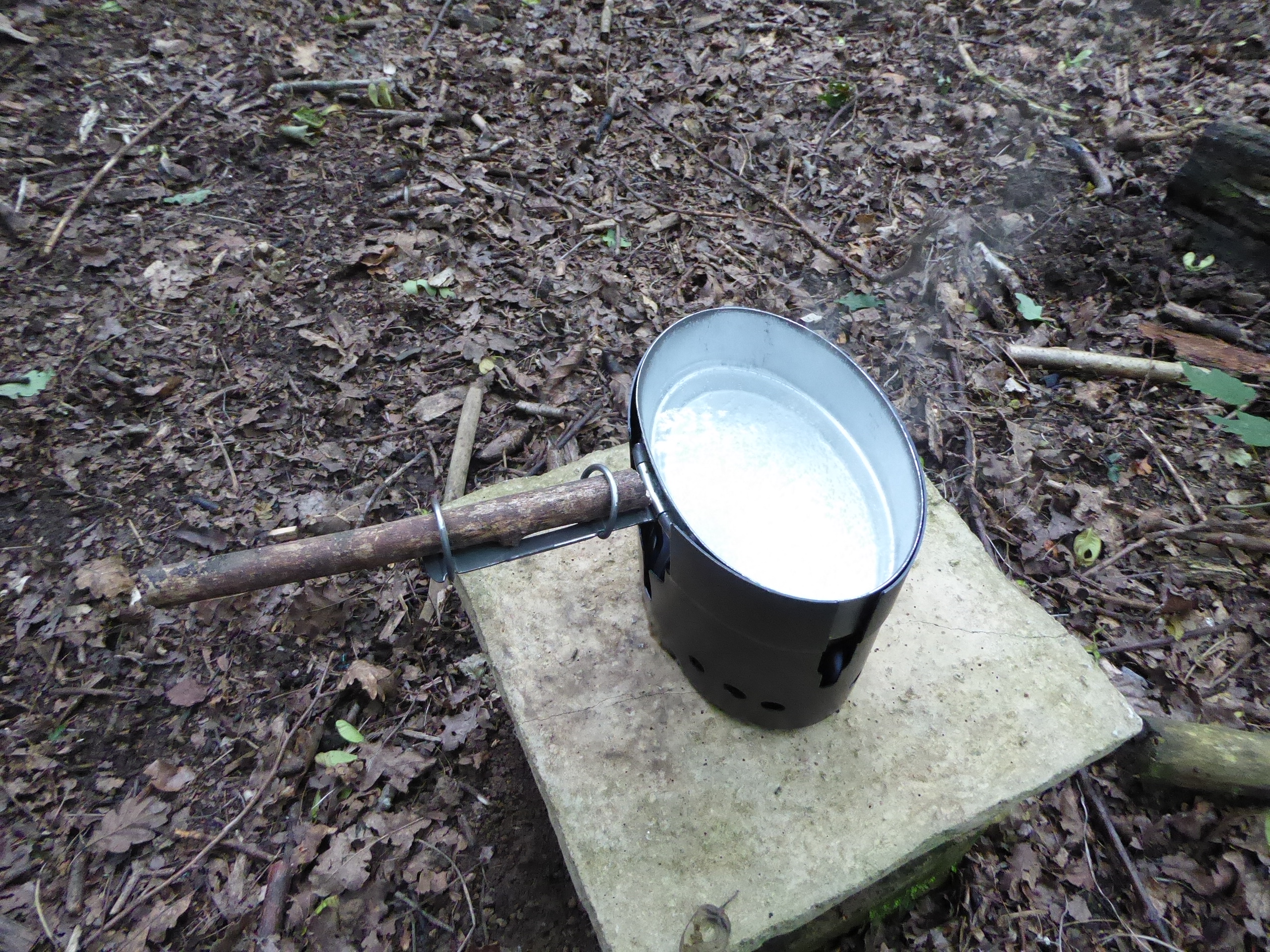
I found a bargain piece of kit at a car boot sale last week. A swedish army M40 mess kit for the huge sume of £3. It’s quite a large bulky item but very versatile. It consists of a brass Trangia spirit burner, a wind shield-cum-burner-holder, a largish billy can, a smaller one that is also a mess tin and lid and a plastic bottle for the spirit fuel. So I took that to give it a try out and have a brew with. It took about 10 minutes to boil a mug full of water. It is smoke and soot free and the fuel is cheap enough. I like it and it will probably get used regularly at the woods as a simple and clean method when I can’t be bothered making a fire. The mess tin has a couple of D rings on the short handle. They are so you can insert a stick to extend it and avoid burning your hand – neat eh?

The mess kit in it's packed form. I added the leather strap.

The mess kit in it’s packed form. I added the leather strap.


The windshield and Trangia spirit burner

The windshield and Trangia spirit burner


the mess tin and water on the boil.

the mess tin and water on the boil.

My other bushcraft exercise was to have a go at making nettle cordage – a traditional country craft. You take a long stalk, strip the leaves then smack the stem on a solid surface with something to crush and split it. You can then seperate out the hard brittle core from the fibrous part which is then twisted in a special way to make a type of string. My results were – well, crap to be honest but it was fun to have a go. I need to consult my bushcraft mate who is an expert in such things.

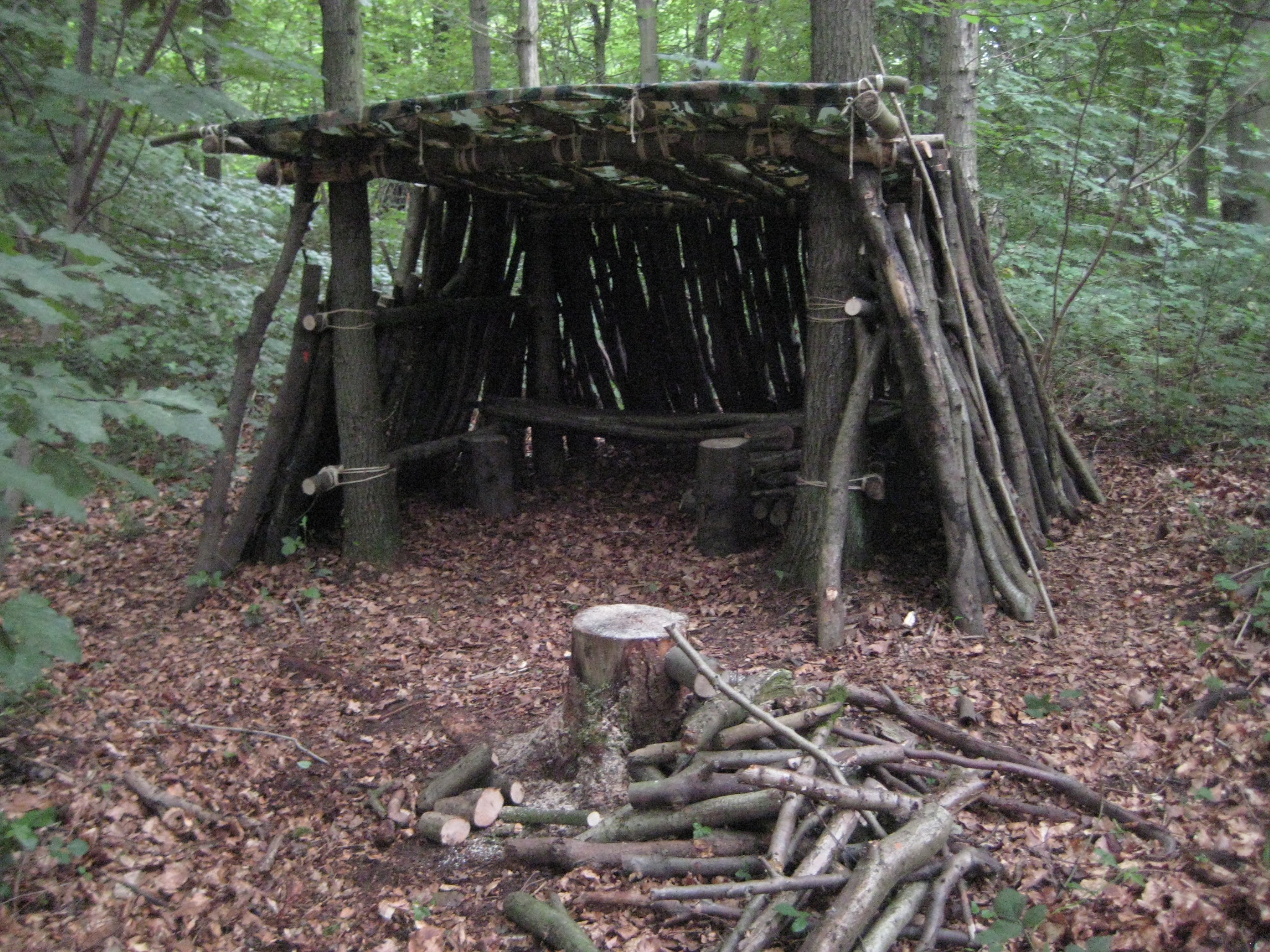
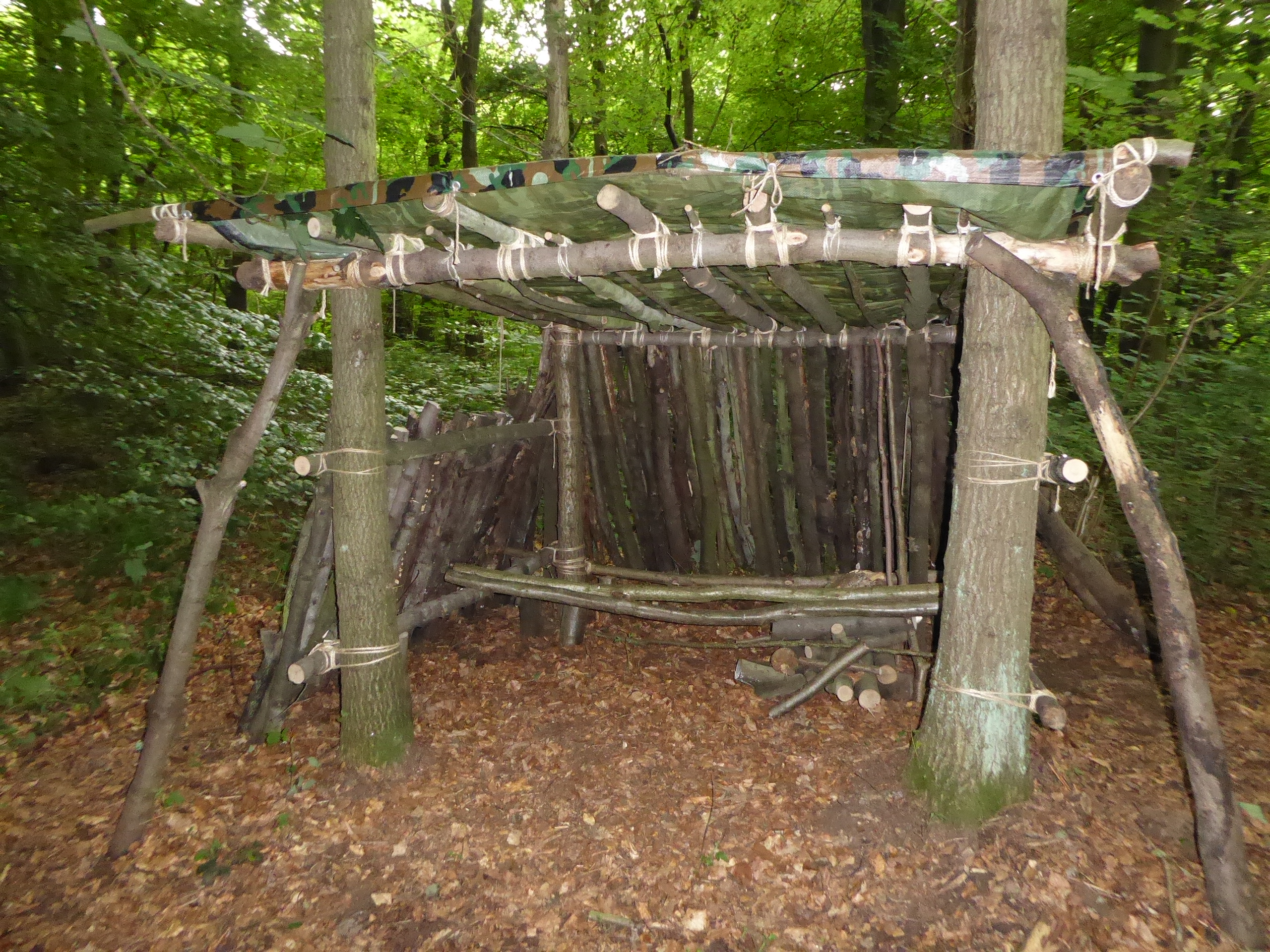
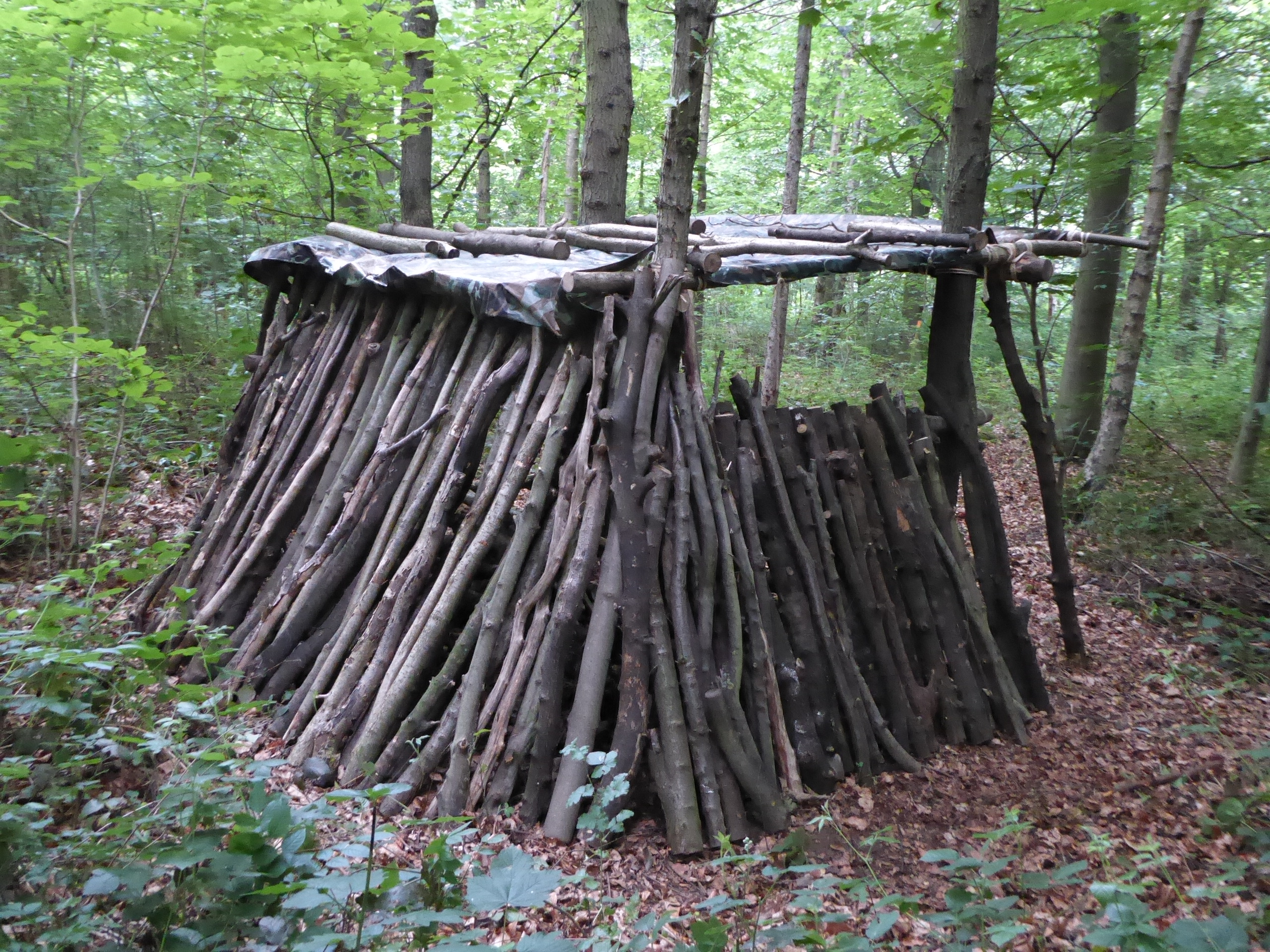
I’ve made some good progress with my shelter over the last few visits. The roof is on (though I might need to upgrade the cheapo tarp I used.) The back and one side is partially complete but I need to add more logs/branches to cover some of the gaps. At least it’s waterproof enough now to use if a sudden shower catches me and I’m quite pleased with it. It’s an ongoing project and time consuming, collecting the dead branches from around the woods so I just have to be patient and keep doing a bit each time.

inside of the shelter

inside of the shelter


outside of the shelter

outside of the shelter


Leave a comment

The dark woods

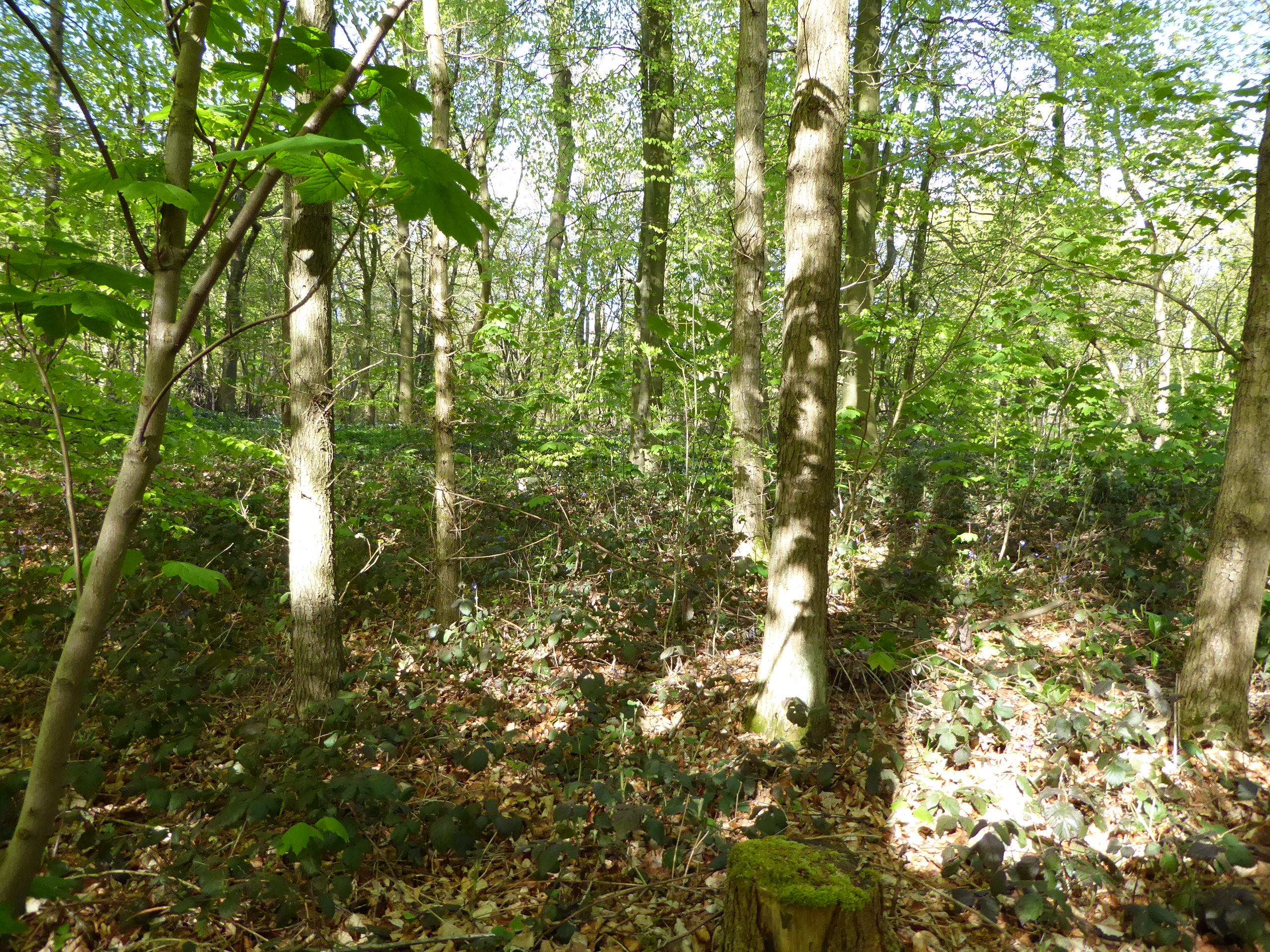
How rapidly things change in the woods at this time of year. The canopy has fully closed over now and a large part of the woods is dark and gloomy. One of my long term plans is to thin out to allow more light in. This is a process that has to be done slowly as a sudden and dramatic change in light levels can upset the overall ecology of the woods. Many plants, funghi, mosses and invertebrates enjoy the dark cool places. Then again many other species enjoy light and airy habitats and these are what need encouraging now. So a balance of light and shade is the answer. It was noticeable that birdsong and visitors to my feeders has dropped right down, now that most of the young have fledged and left their nests. But where do they go? Surely they must stay around where the food supply is.
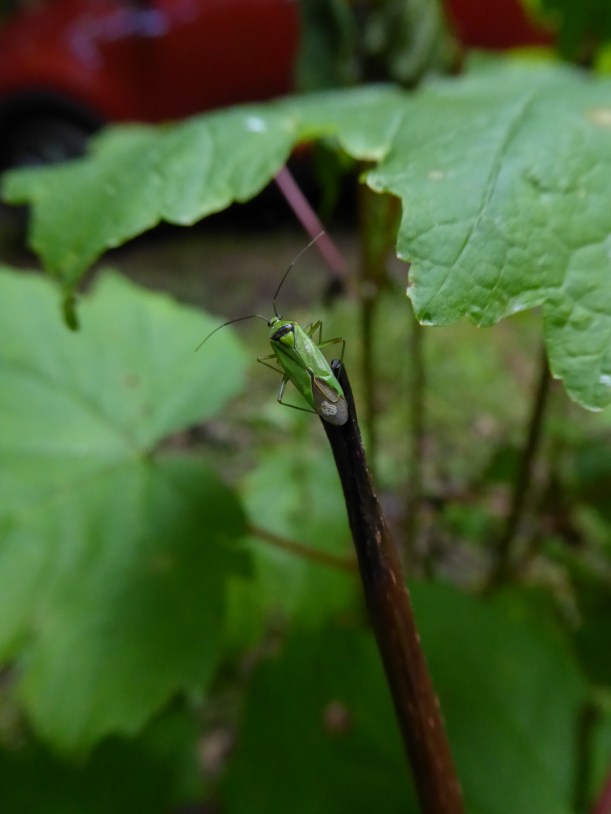
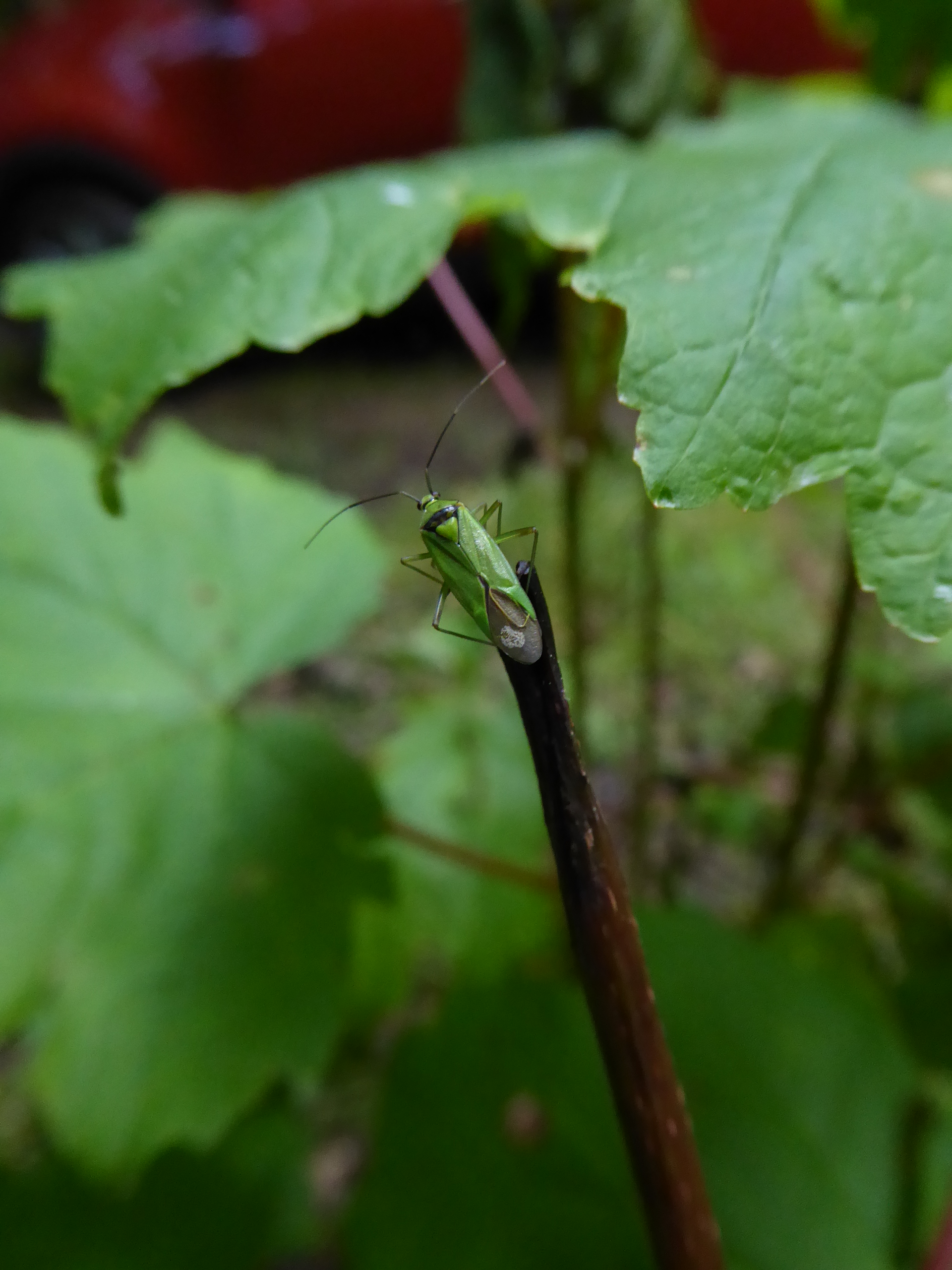
This bug seems to be eating the new sycamore shoots

This bug seems to be eating the new sycamore shoots

Insects are rife and some are enjoying the fresh new shoots like this green bug. I noticed some of the new sycamore shoots that have sprouted where I cut down the trees in winter, are starting to turn black and wilt. Close examination revealed several of these bugs which are obviously piercing the shoots and robbing the sap. Some of the new oak saplings have already got holes in the leaves. As an ex-allotment holder and once keen gardener it goes against the grain. I have to remind myself that this isn’t a garden, it’s a wild place and all these creatures are part of the food chain that makes the whole thing work. They were there a long time before me and they haven’t destroyed the woods.
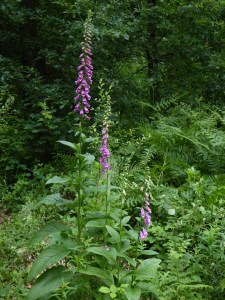
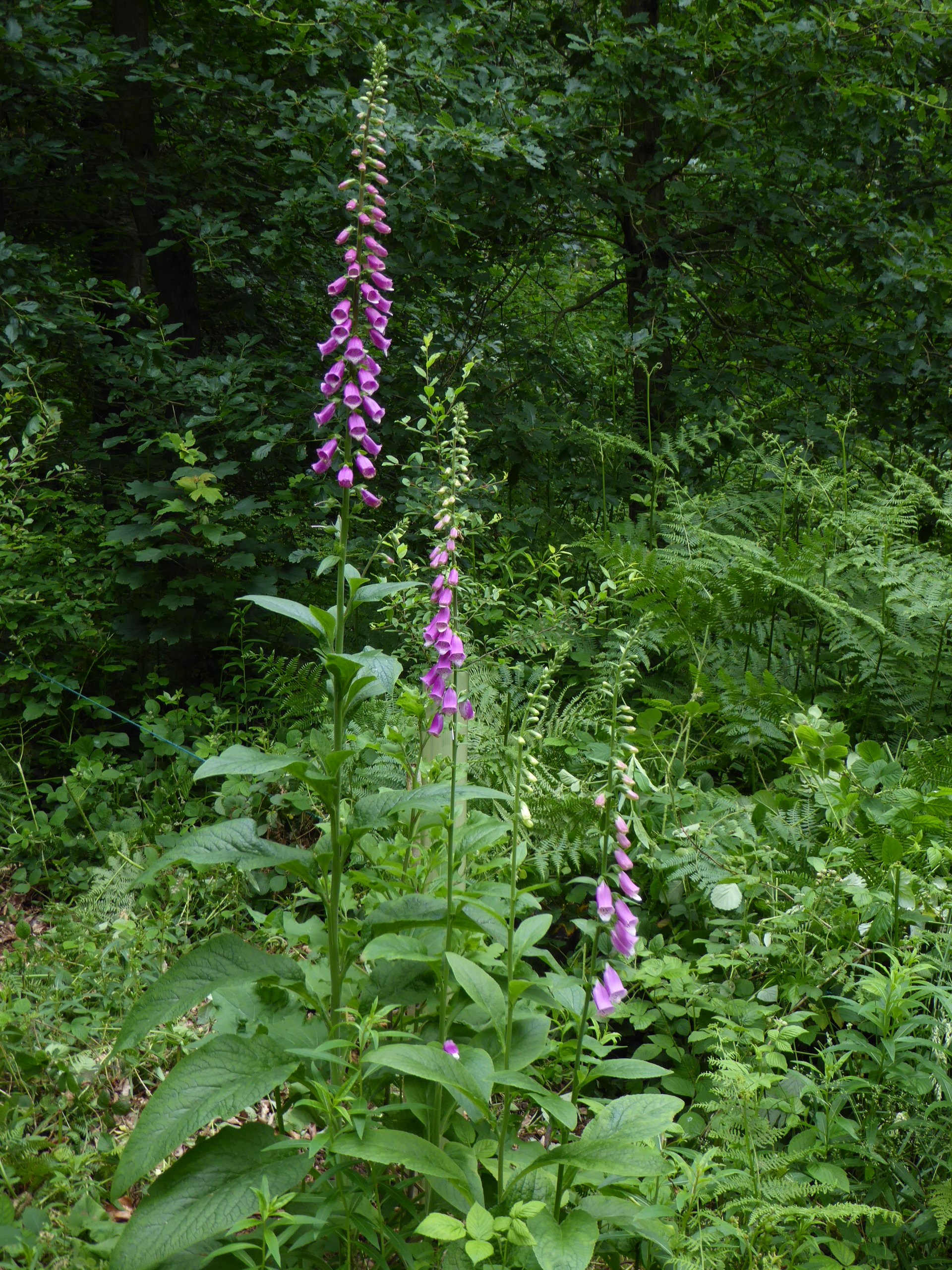
foxglove by my camping area
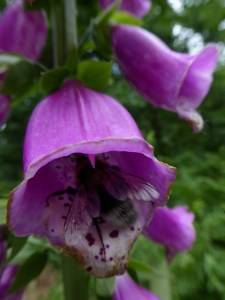
foxglove by my camping area


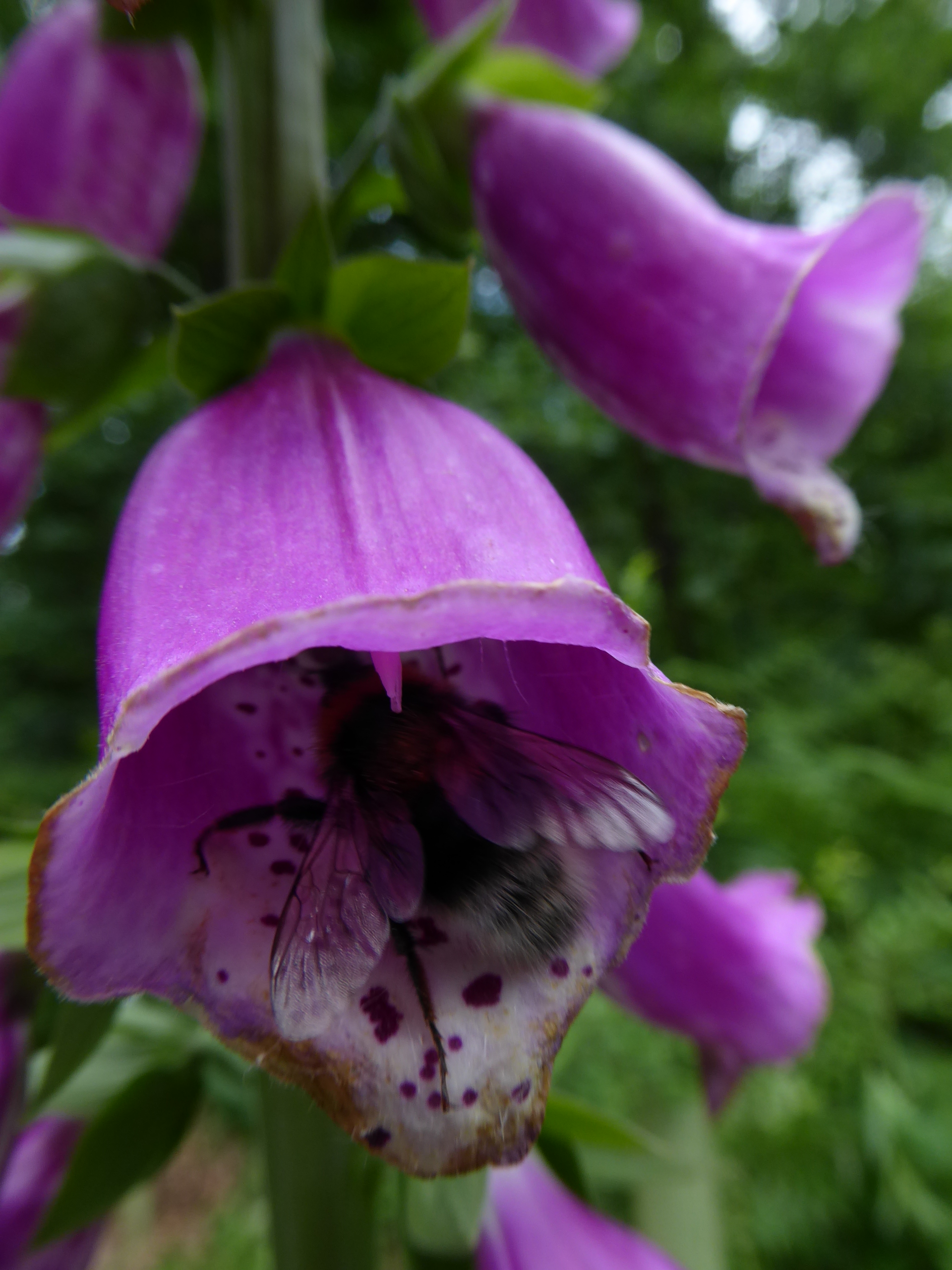
bee and foxglove

There is a fantastic tall foxglove plant in a sunny spot by my camping area. I have to admit I planted it. I love the flowers and I wanted some colour in an otherwise monochromatic, green wood. I know bees love them and that was my other reason. They need some sun so this is the ideal spot. I sat and rested a number of times and watched the bumble bees in and out all day. The question is, how quickly does a flower replenish it’s nectar? There were so many visitors, that either the foxglove is constantly producing more nectar, or there are a lot of disappointed bees.

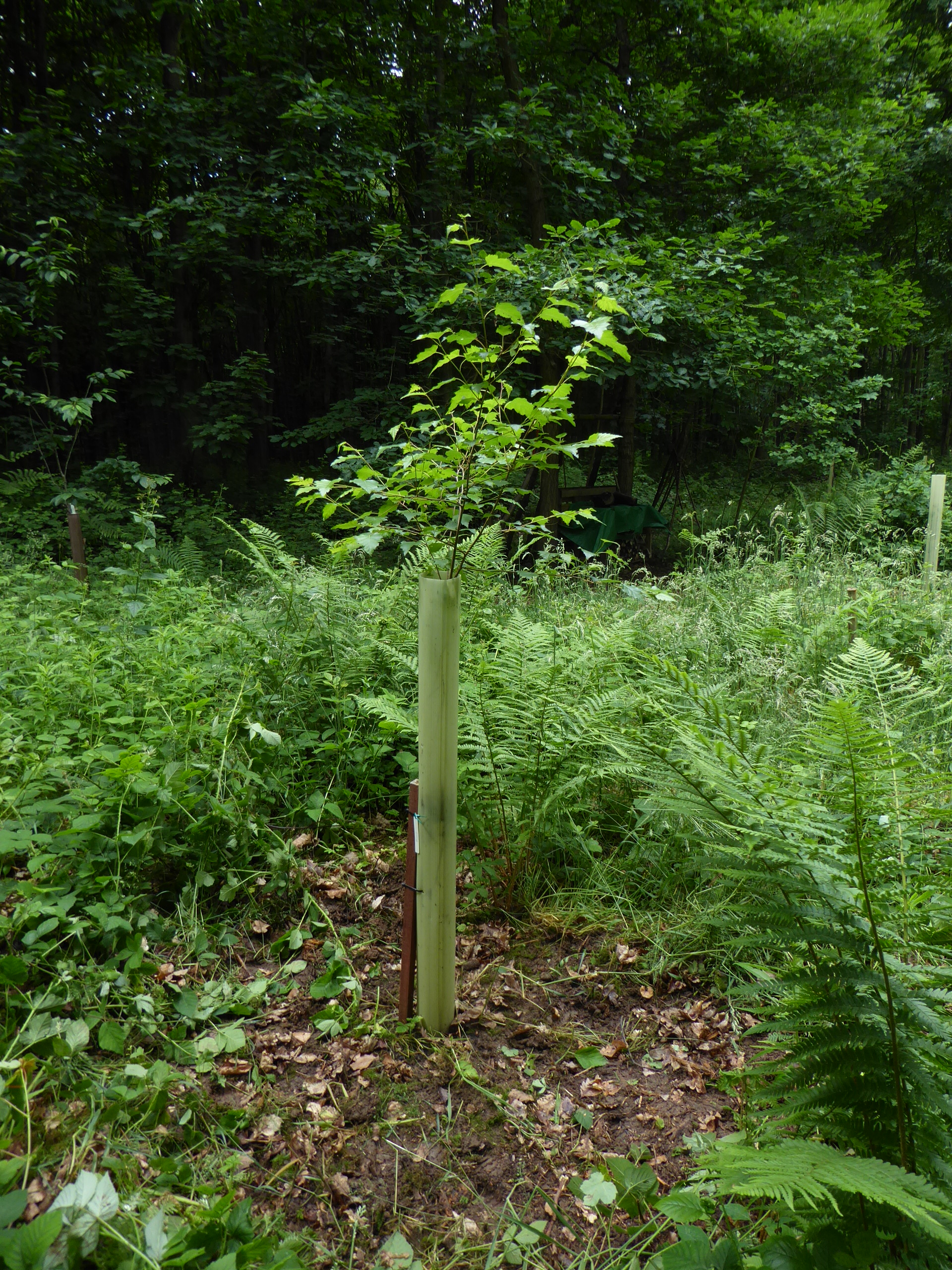
It was a day for getting lots of work done. Priority number one was to grub out the weeds around the new tree plantings. Not a job I was looking forward to, it’s hard, sweaty work and not all that satisfying. Necessary though, as you want to keep competition for water and nutrients to a minimum for a few years until the new trees have established good deep roots. So far all the trees I planted are doing fine, some better than others but I mustn’t neglect them. I managed to get around to clearing half of the saplings, those that I planted the first year and in greatest need. I used a mattock to hack and scrape away the weeds around them.
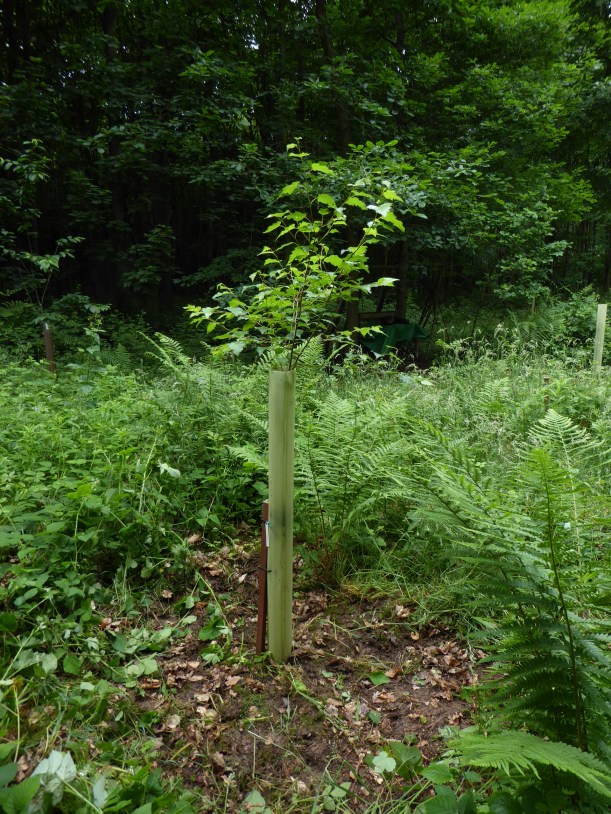
Weeds grubbed out around a thriving silver birch sapling

Weeds grubbed out around a thriving silver birch sapling

Other jobs included splitting and stacking more logs for seasoning – still loads to do yet and probably won’t get them all done before the next phase of felling. I filled three large trugs of dry logs to bring home and have now filled my small logshed in my back yard. I’d say it has taken about 36 trugs full.

I recently bought a cheap version of a small action camera. You know the type that cyclist fix to their helmets etc. I was keen to try it out. It has a very wide angle lens and various brackets and clips that allow you to fix it to numerous things. It takes stills and videos. My intention was to do some walkabout vids of the woods so it was time for some fun and experimenting. I tried clipping it to my belt first, then to my hat to give an eye-level view. The result were mixed. The camera struggled to cope with the ever changing light levels as I walked around and the ultra-wide angle lens view creates something called barrel distortion which is not very noticeable on stills but when taking video, becomes very obvious when you move the camera from side to side. Most of the distortion is at the edges so as you sweep your view sideways, the distortion moves across and gives an almost psychedelic impression that you might have taken an illegal substance! Even though I walked slowly and tried to move the camera fairly slowly when changing views, the results are far too jumpy and could make the viewer dizzy. Funny how it didn’t make me dizzy when I took it but when watching on a screen, the same view is definitley uncomfortable. I need to work on my camera technique before subjecting you to a walk through the woods.

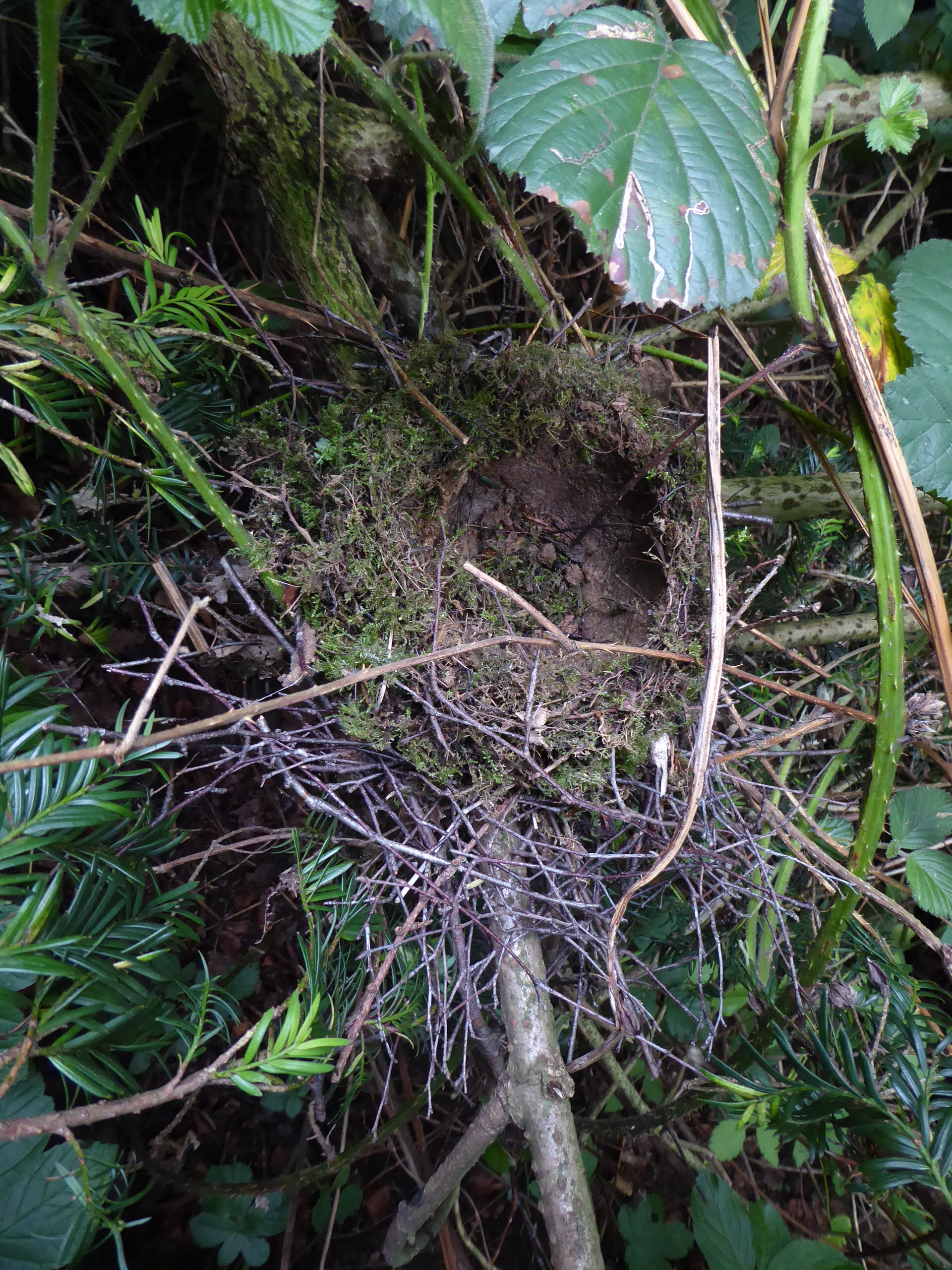
Whilst walking about I found a bird’s nest. Earlier in the year I disturbed a thrush in that location but couldn’t find it. Later I could hear a mistle thrush singing incessantly in the trees above. I reckon this was it’s nest.
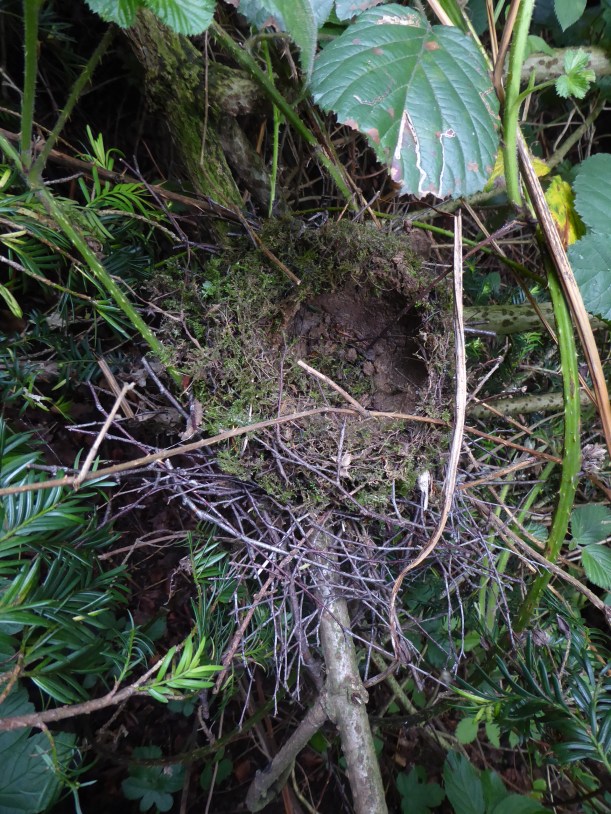
Mistle thrush nest?

Mistle thrush nest?

One of the bonuses whilst filming was totally unexpected. Throughout the woods, there are hundreds of small holes in the ground. When planting trees I come across them and unearth tunnels in the soil. Some have mounds of soil around them, some not. I had thought the larger mounds were caused by moles but was puzzled about the smaller ones, or those that are absent of mounds. I have never seen any mammal activity at these holes and have been quite disappointed. I wondered if they were made by voles. As I walked around with the action camera, I came across one of these holes and I got closer and tilted my head towards it just to get a shot of it for the record. A small brown rodent popped out for a split second, spotted me and bolted back down the hole. It was a fleeting, surprise view that almost made me jump and I think I saw a long snout which suggests it was a shrew. I have checked information on the internet and am sure that’s what they are. The animal was similarly surprised and puzzled by my presence and is no doubt Googling to find out what I am!

Leave a comment

Shelter building

First job – walkabout. Lovely morning, birds singing, time to explore. I checked on the blackbirds nest that I had disturbed last time and was pleased to see a young bird’s head peeping out. Sharp yellowish beak and bright eye amongst the logs, told me all was fine. Nice to see activity in some of my nest boxes too. I climbed up and sat in my ash tree “saddle” for a few minutes, enjoying the elevated view and the comforting feel of contact with the tree trunk, then made a coffee with my home made twig stove.

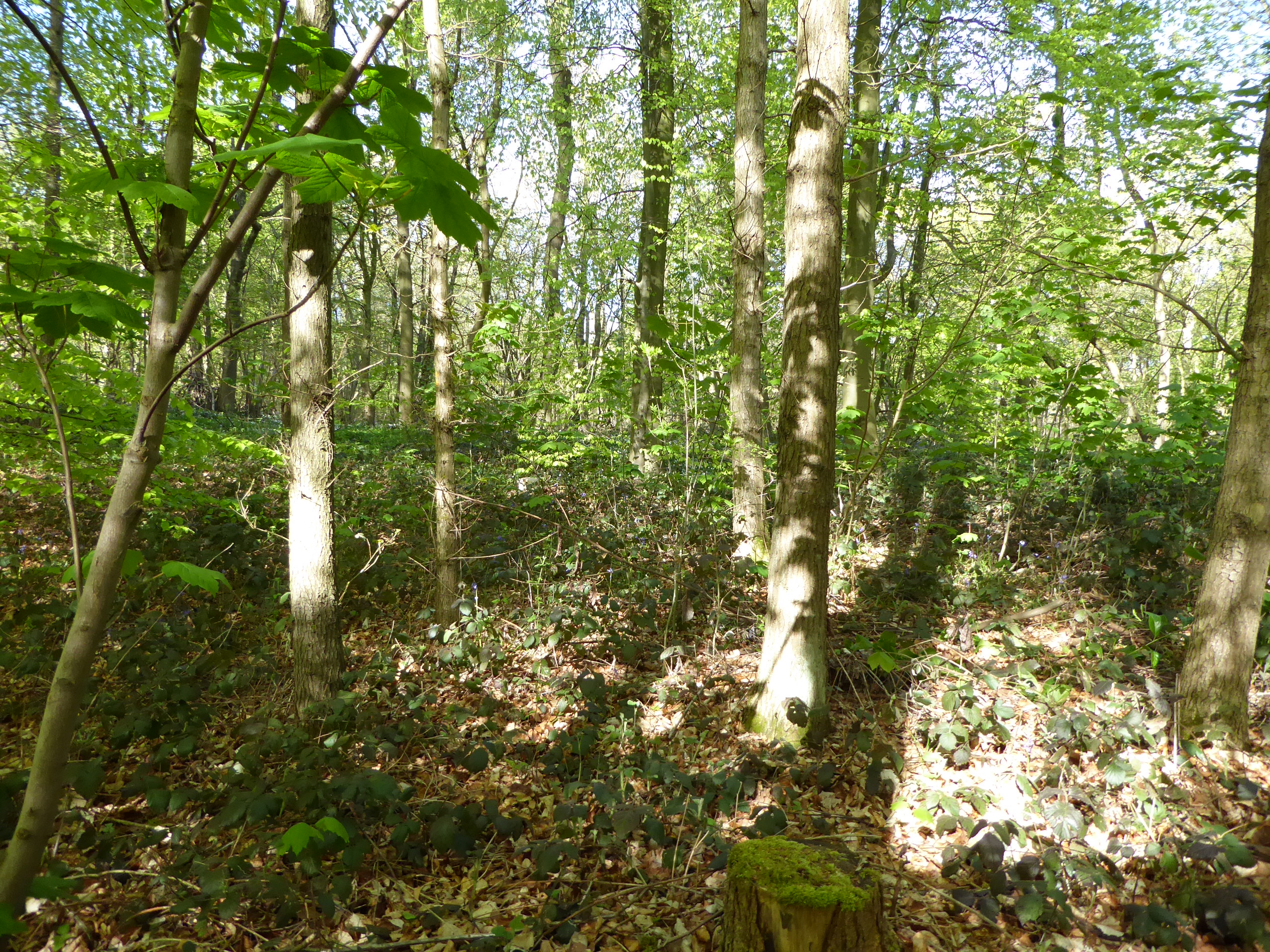
This visit I went with the intention of doing more useful/essential jobs – cutting up/splitting/stacking logs, hacking back the new growth in my camping area, clearing weeds around the new plantings and if there was any time left, making a start on a semi permanent shelter. It’s been my intention for a long time to build a small, natural looking shelter where I can get out of the rain without having to put my tarp up. I’ve been “umm-ing and ah-ing” about it for a year or more, not sure where to put it, what to use as roofing material and corner posts and how I shall build it. It was always going to be somewhere in my sunny camping area but then I hit on a fresh idea. To put it in an entirely different area, preferably in a more heavily wooded part where it would feel more wild and secluded. On my last visit, I had identified a few possibles but having given it much thought, decided on the location. To build the type of shelter I want, I needed two small trees about 6-8 feet apart so I can lash a cross-bar pole to make a sort of
goal-post which forms the front roofing truss. You can then lay more poles on this, sloping backwards to form a basis for a lean-to roof. I wanted the back to have a wall for more height, rather than the poles resting on the ground. So that needs two posts at the back. Fortunately, the spot I found has three small oak trees, forming three sides of a square about 6 feet apart. So I would just need one more post to form the corners. The trees make excellent corner posts as they are already formy anchored and won’t rot away.
Having established my location I was keen to make a start and all my other jobs went out the window. It was time to have a fun job to get my teeth into.

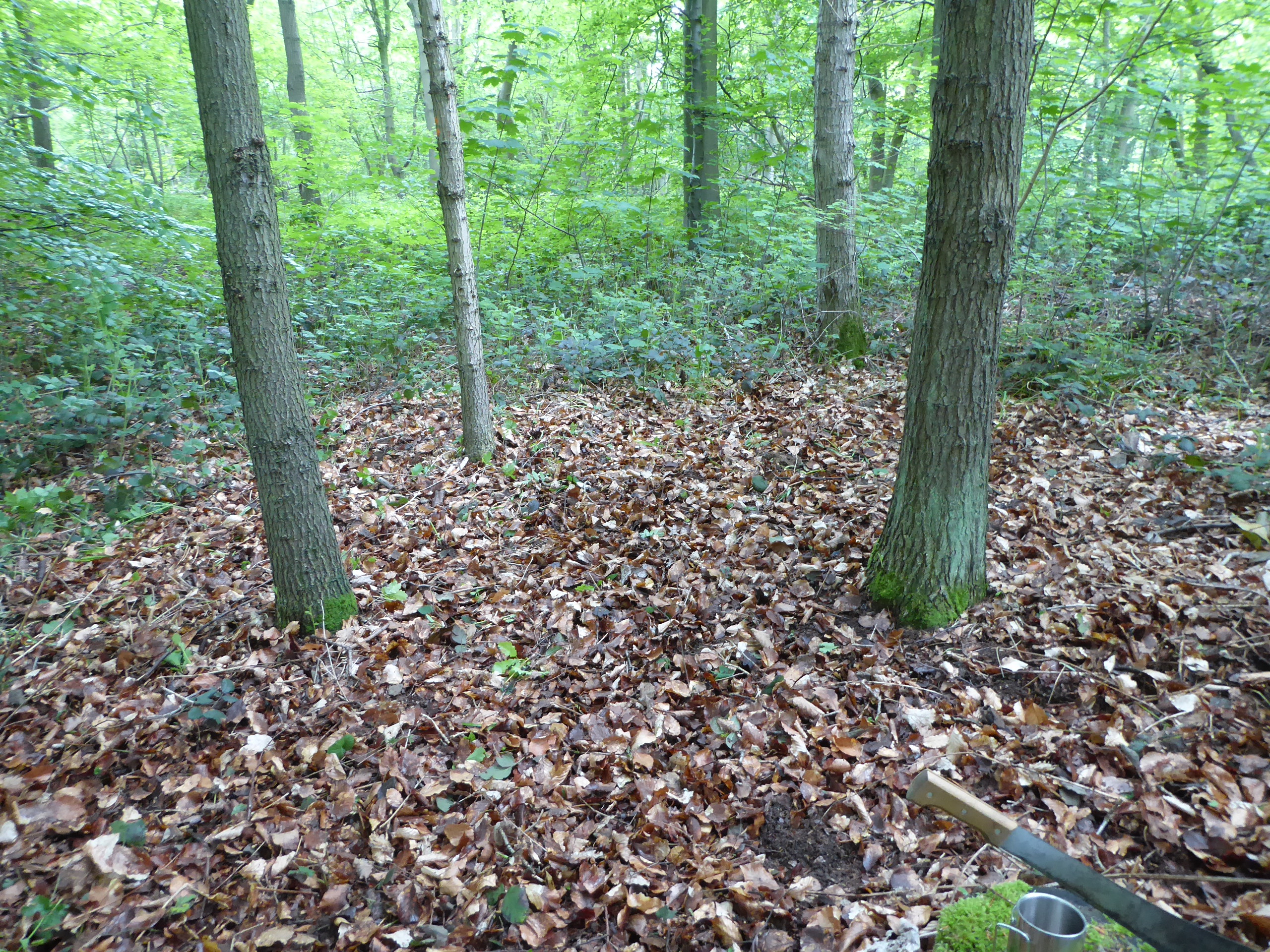
shelter location

shelter location

This was how it looked a few weeks ago. Now the bramble is shooting up so first job – clear the ground which is quite soft here with leaf mould, so the bramble was quite easy to pull out by the roots. Half an hour’s work and it was already starting to look better. The shelter is to be about 4.5 feet high, just enough to sit under in comfort, with an open front and three sides made from poles. The roof will be a sturdy plastic tarp in a green camo design to blend in with the foliage.

bramble and dead wood cleared away

bramble and dead wood cleared away

Next was the hard work, finding some long, sturdy, forked logs to use as props to support the ridge pole and long straight ones for the framework. When I have felled trees, I have kept any forked logs and long poles to use for projects but they are dotted about all over the woods. So it was a time consuming job finding them and carrying them all the way back. Somewhere above the shelter site was a mistle thrush. They have an incredible range of songs, each round different to the last one. It kept me entertained all morning. Sort of a woodland Ipod set to “shuffle”.

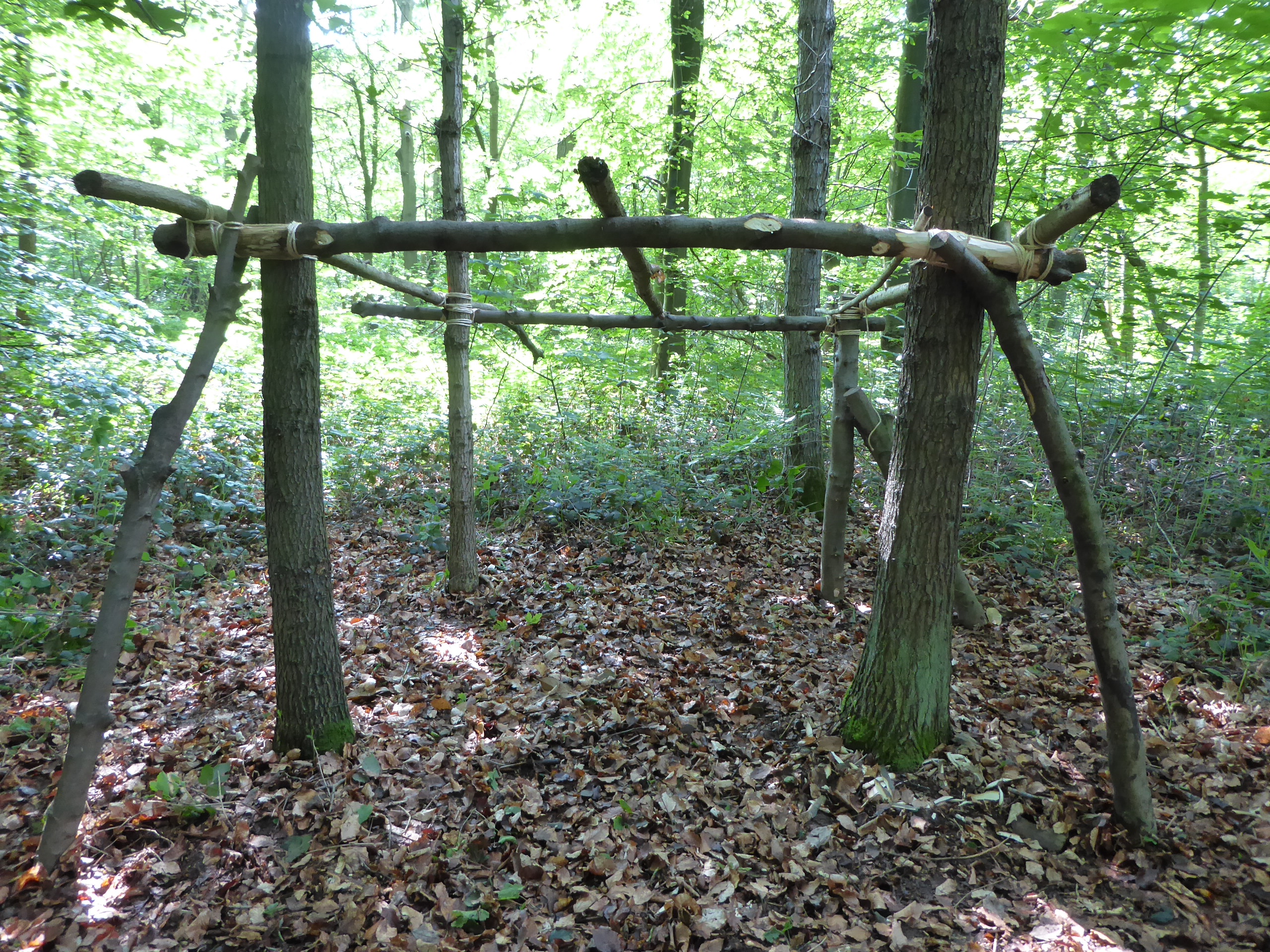
Now to start building. Using two forked poles leaning against the front two trees, I could support the ridge pole’s weight and lash it to the trees. Now the back ridge. Another forked log against the third tree made one corner but the fourth corner post had to be made with a stout shorter log, stood upright. To hold it whilst I lashed it, I rested poles from the ridges onto it which held it in place long enough to secure it with lashings around them. It took me most of the day to achieve this basic frame but I now have the basis to build the sides and roof. It doesn’t look much now but it was hugely satisfying and is remarkably sturdy. To test it I hung from the ridge with my full weight and it didn’t budge an inch. I can’t wait to get back and carry on building. It will be an ongoing project and will continue to develop in an organic manner, the materials and my spontaneous ideas will determine it’s final design.

shelter frame up now

shelter frame up now


1 Comment

Spring has sprung.

021

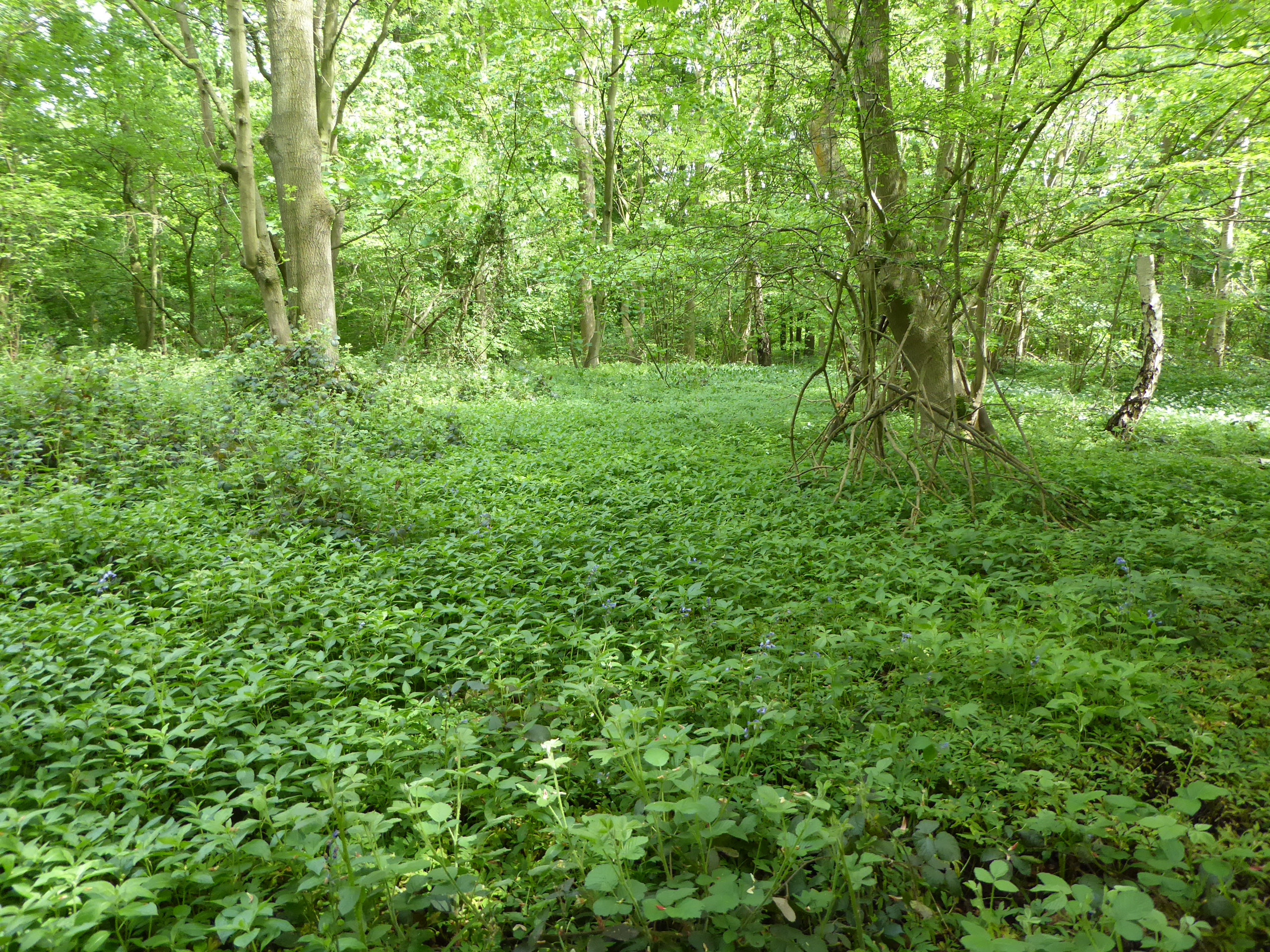
I love this time of year when you realise that Spring is actually here. No holds barred, everything is bursting with life and vigour. It’s amazing how the woodland is transformed in a few weeks. I’ve been away for 10 days and was excited to see how things were progressing at my woods. All the trees are leafing up, the ash and oak dragging their heels as usual but they are starting to open now. Everything is a vibrant green, the birds are singing and rearing young, it’s a truly unique time of the year. If I was deaf and blind I would still know it’s May because my seasonal tree pollen hayfever is driving me nuts.

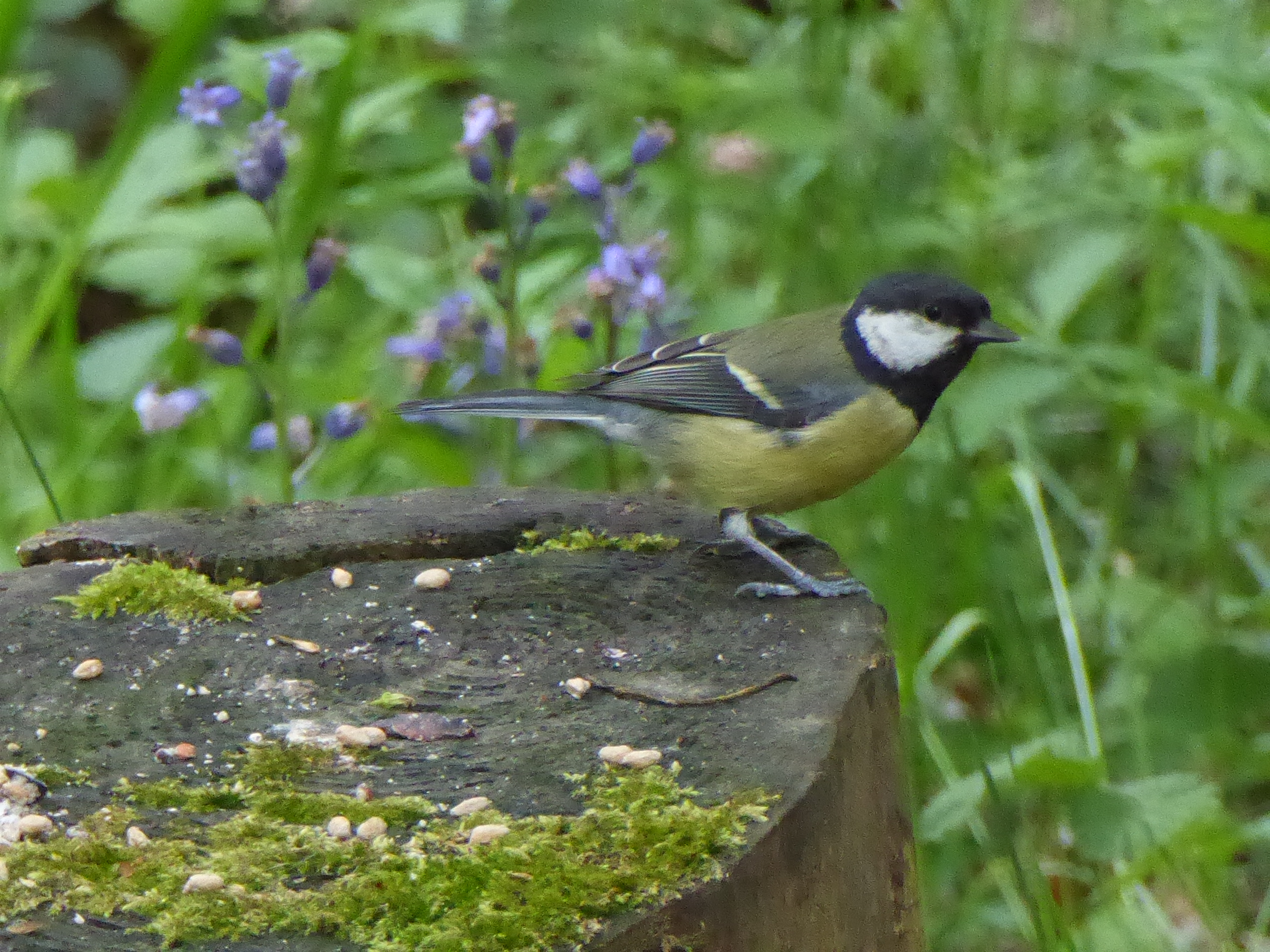
I put some new food out for the birds and they were down in seconds. I watched a Great Tit taking scraps off a tree stump and flying off in deliberation. Coming back again after a few seconds and taking the very same flight path each time. It disappeared into some brash where I have hidden a nest box. It’s an open fromted one intended for Robins but I guess Great Tits can’t read my mind that well. I have noticed at least five of my nest boxes being used this year.

Great Tit taking some food from a tree stump

Great Tit taking some food from a tree stump

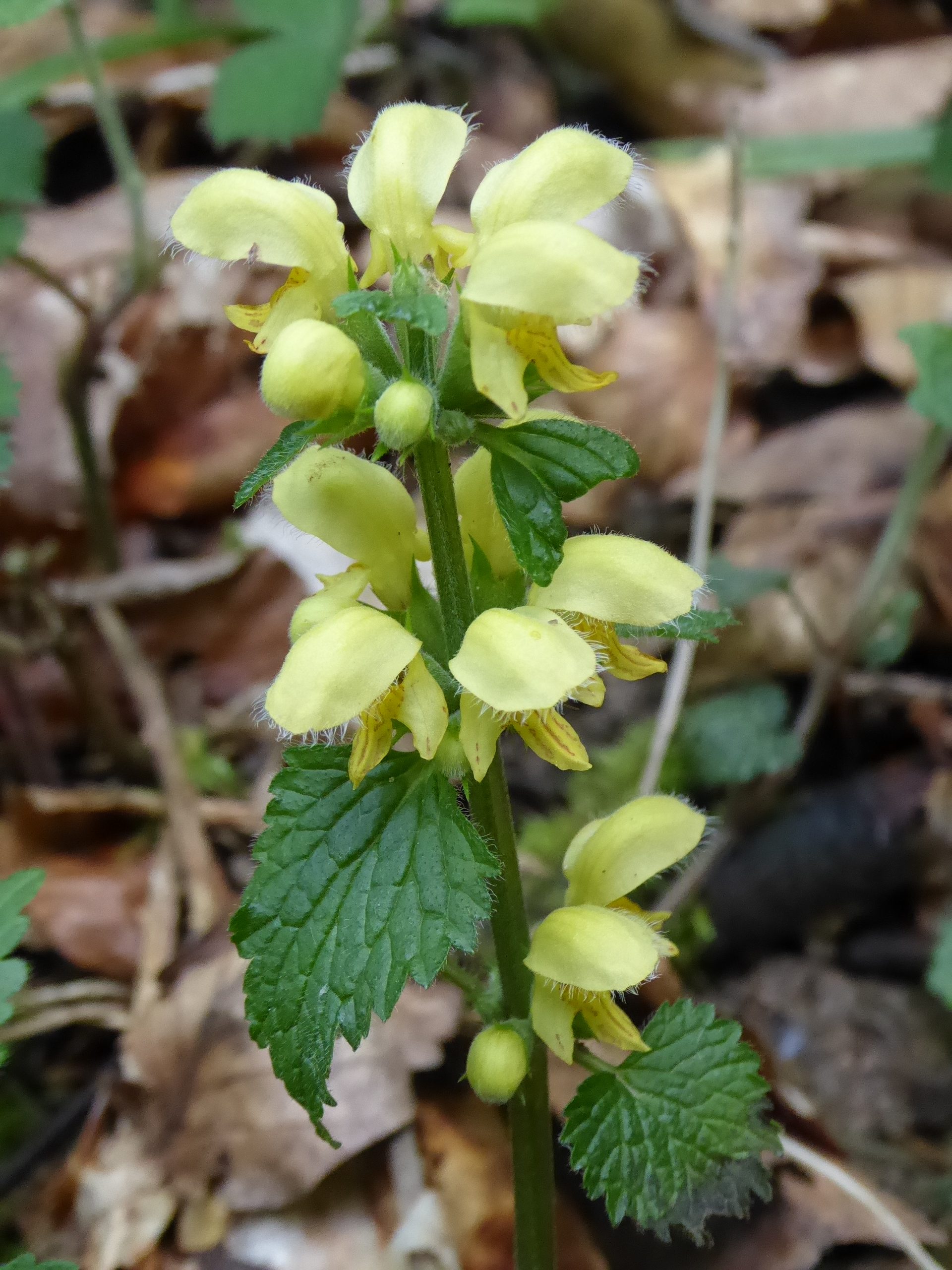
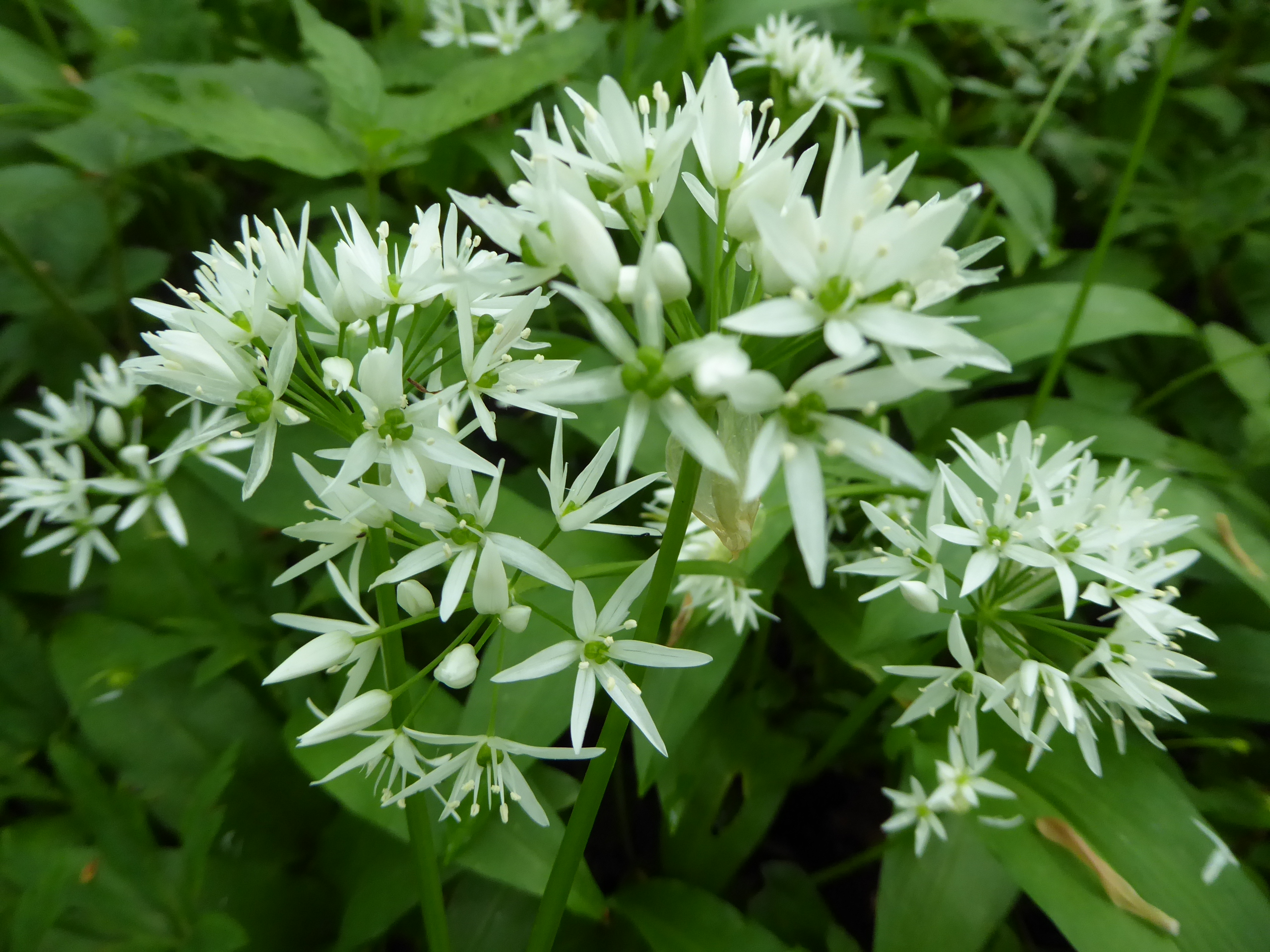
The Wood Anemones are finished and dying right back, bluebells starting to go off too but the wild garlic is in full flower now. I have more of it that I realised, which I’m pleased about. Also Yellow Archangel (a member of the dead nettle family) is more abundant this year. I think the bramble clearing in those areas has helped. It’s a beautiful flower with an equally lovley name and is an ancient indicator species, all of which makes it a special to me.

Yellow Archangel

Yellow Archangel


Wild Garlic flower

Wild Garlic flower

I had two jobs in mind, split and stack some more logs and start building the wattle privacy fence around the composting toilet, a job I have been wanting to do for months. I spent a good hour chopping and stacking at my huge logpile. When I lifted one of the logs, there was a frantic flapping sound from underneath and a distressed hen blackbird flew out. I spotted the nest and quickly replaced the log and retired for a cuppa to let her settle down and return to her brood. The my second split logpile is growing nicely now.

043

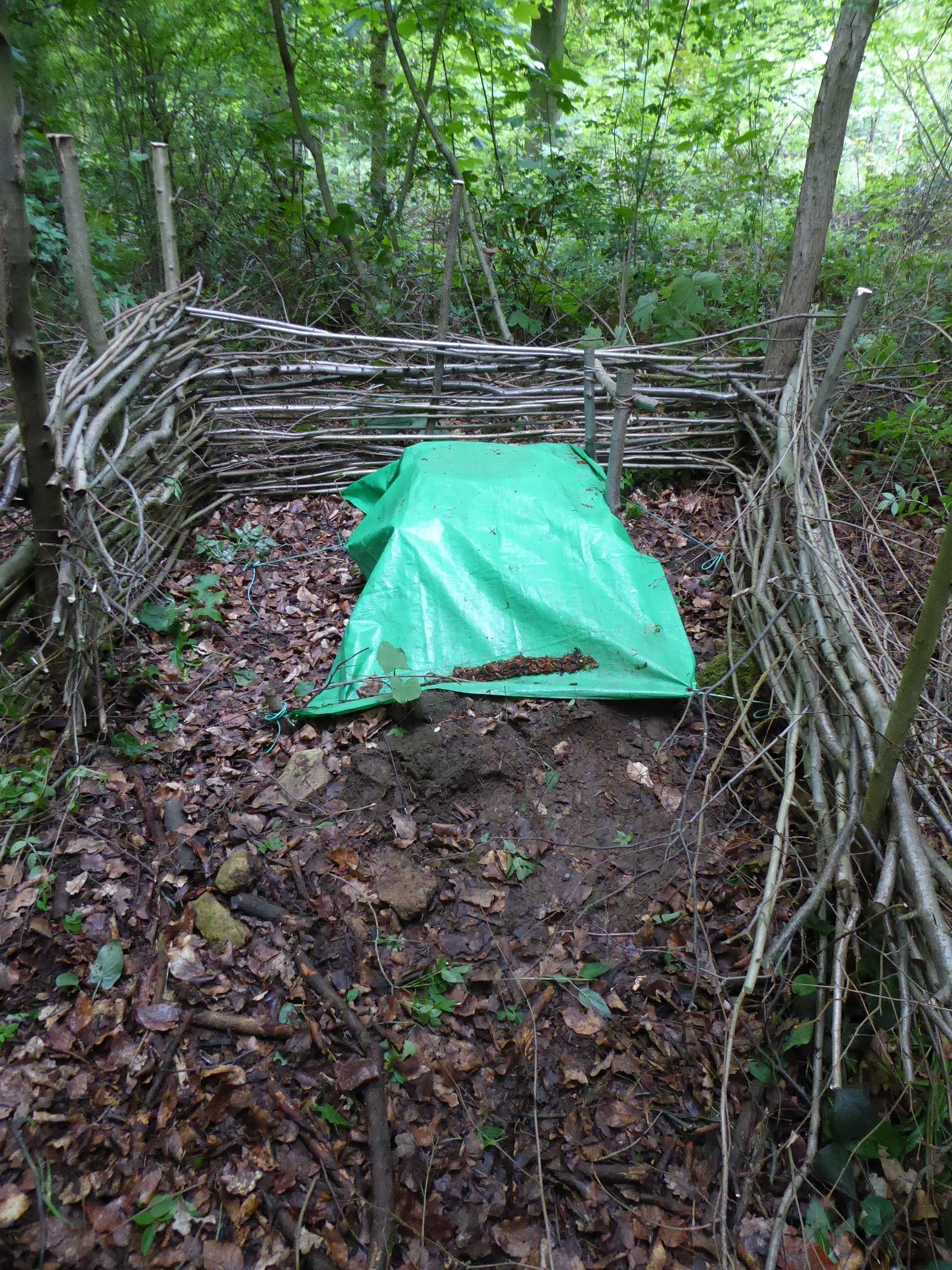
The wattle fence was fun to make. I drove some hazel stakes into the ground but conveniently there are three saplings growing at the corners of where I want the fence, so was able to utilise those as posts. I had quite a large pile of thin, straight hazel rods from coppicing in winter which I’d put aside for the project. It’s amazing how much material you need to form a reasonable fence and I have only reached about halfway in height. One side I am leaving open as a doorway, it’s facing a dense part of the wood so privacy isn’t going to be affected and lets face it, 99% of the time there is no-one around anyway. The fence will help hide the toilet, give some priacy for it’s occasional use and add a bit of a rustic feature to the woods. I shall either cut more rods to finish it soon or wait until winter when I do more coppicing.

Composting toilet wattle fence

Composting toilet wattle fence

I had a couple of visits and chats to some neighbours. One of them had texted me and arranged to meet me in a certain spot at the end of the day. I walked down the ride to this place but there was no sign of him. I was about to text him to find out where he was when I heard a sort of bird call. It was like a cross between a tawny owl and a wood pigeon. It didn’t seem quite right and wondered if it was him trying to alert me. It took a minute or so to spot him, grinning like a Cheshire Cat, about 20 feet up in a tree. His dark green clothing was a perfect camouflage against the tree. It cracked me up and finished my day off nicely.


Leave a comment

Some warm weather at last

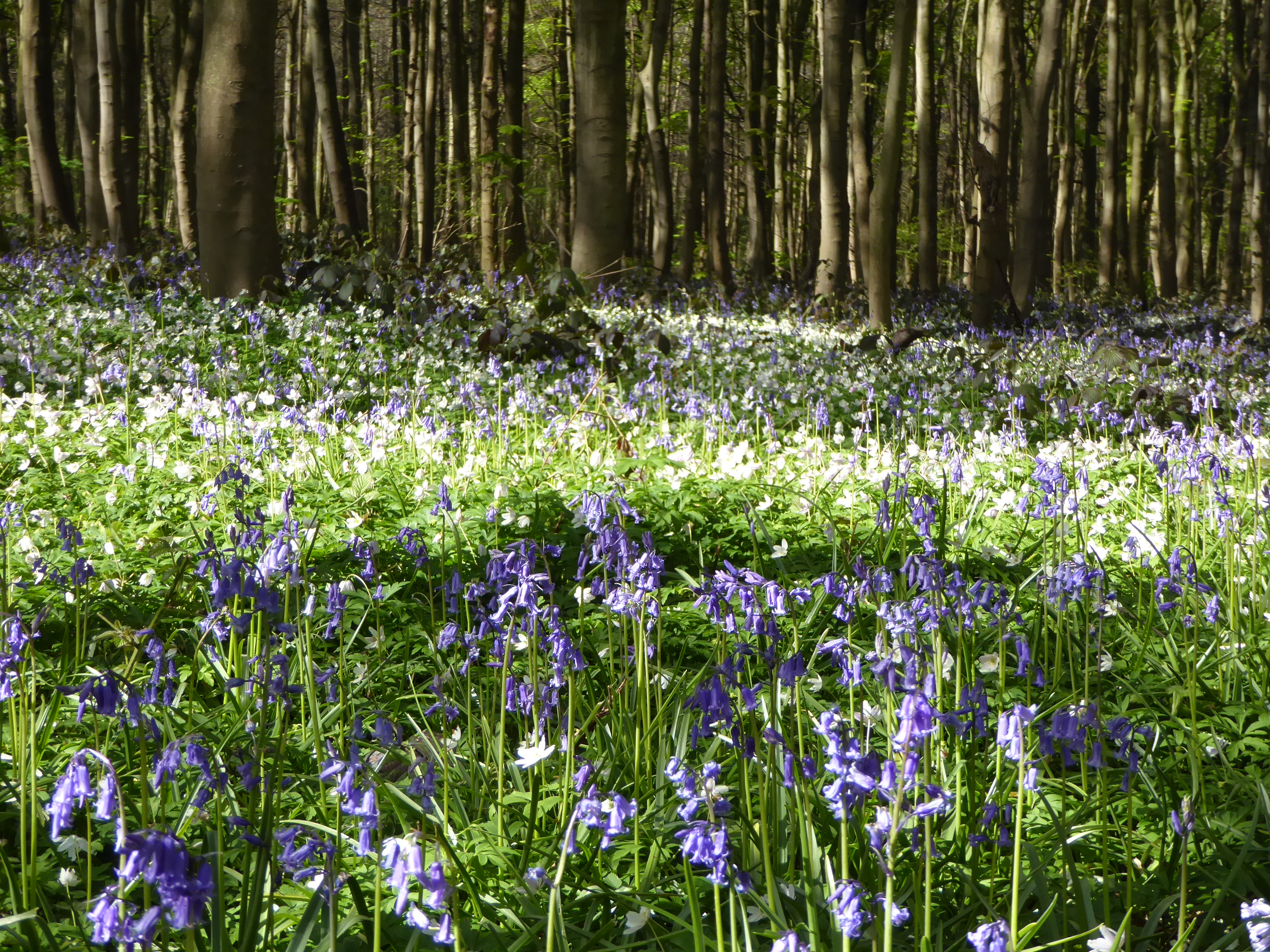
It’s been a very cold April and spring seems to be late but at last it’s warming up. As usual I was awake before 6am yesterday and decided to get an extra-early start to beat some of the traffic. I arrived in glorious sunshine around 8am. The wood anemones are still in flower and the bluebells almost fully open. What an amazing sight to greet me.

woodland flowers

My main aims were to cut up, chop and stack more logs, find a possible place to build a small shelter and experiment with some cooking and just enjoy being there. I had previously thought the shelter would be fairly large- high enough to stand and big enough for three or four people and positioned next to my camping area to be handy for the odd shower or sitting when camping. The design and size of it seems to be causing me some issues and so no progress has been made. I’ve had an alternative idea which I very much like. A smaller one in a different location. On the basis that it’s 99% going to be just me using it and maybe one occasional visitor and mainly just for a quick shelter from unexpected showers. Then all I need is a small shelter for two to sit in. I also like the idea of having it in a more secluded area, away from the rides and in the thick of my woodlands for a hideaway and alternative habitat to the open glade where I normally sit. I was looking for a place where there are a small group of close trees to use as the corner posts, where I can lash some roofing poles to and with an interesting view. I found three possible places which was hard to choose but will wait and see how they develop when the trees are in full leaf. Quite an exciting project. This is one possible location where four small oaks could form the corner posts. The ground needs clearing first or course.

possible shelter site

possible shelter site

And this is the view I would get looking out from it.

a view from the possible shelter sight - two lovely beech trees and some open ground

a view from the possible shelter sight – two lovely beech trees and some open ground

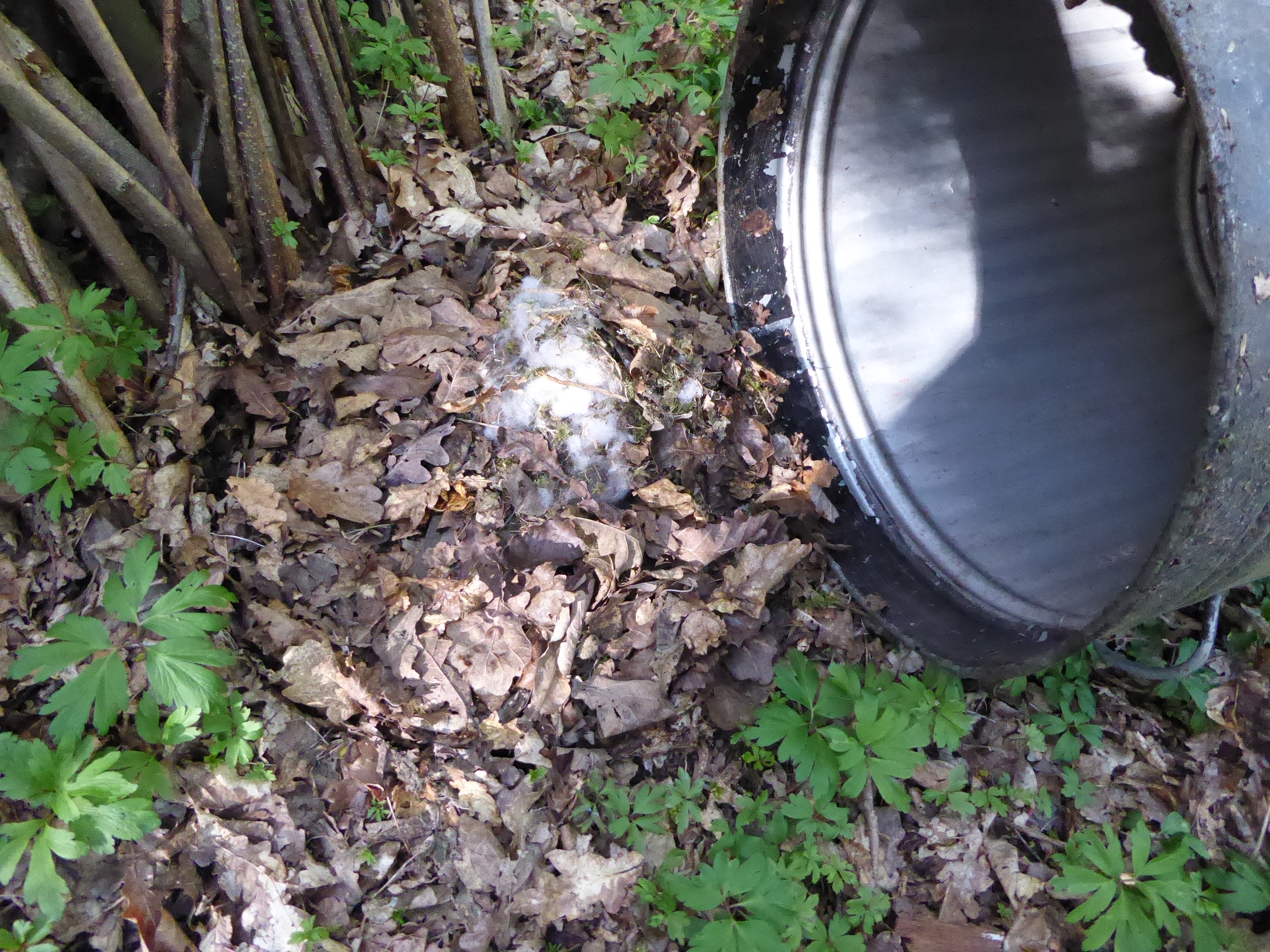
Cutting up logs, splitting them and stacking was the main useful job and I interspersed this task with the more fun elements. Nevertheless it’s a job I enjoy. There’s a feeling of satisfaction, first from using your own brute force against an inanimate and sometimes stubborn log. And secondly from organising the split logs into an orderly stack and seeing your winter firewood pile growing. There are still masses of logs to go at and I’ll be surrised if I get then all done before autumn. At the back of my logshed is an upturned dustbin where I discovered a wood mouse nest last time. I just couldn’t resist another look. I was very careful not to disturb it and took a quick photo for this blog.

wood mouse nest hidden under an upturned dustbin

wood mouse nest hidden under an upturned dustbin

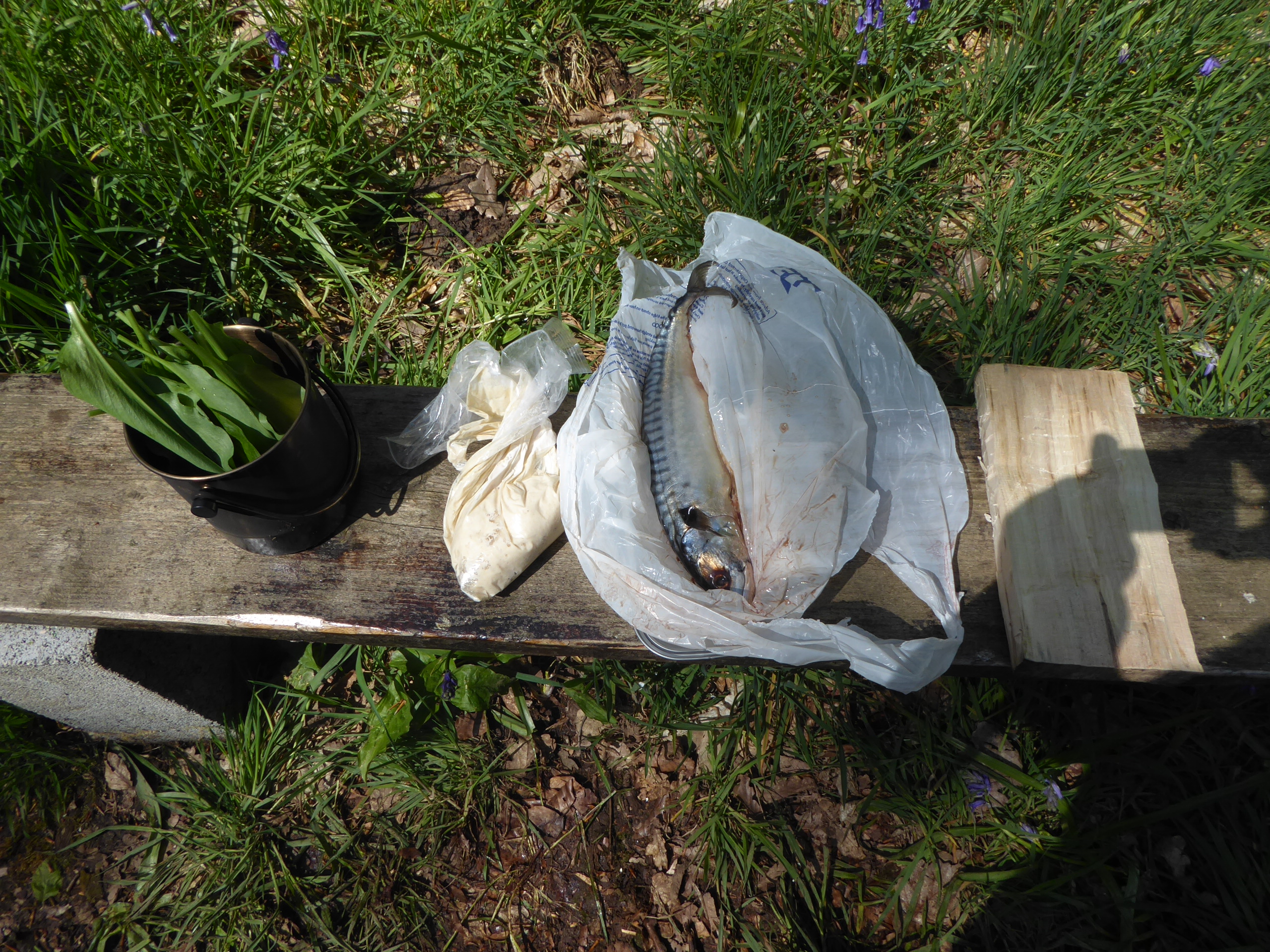
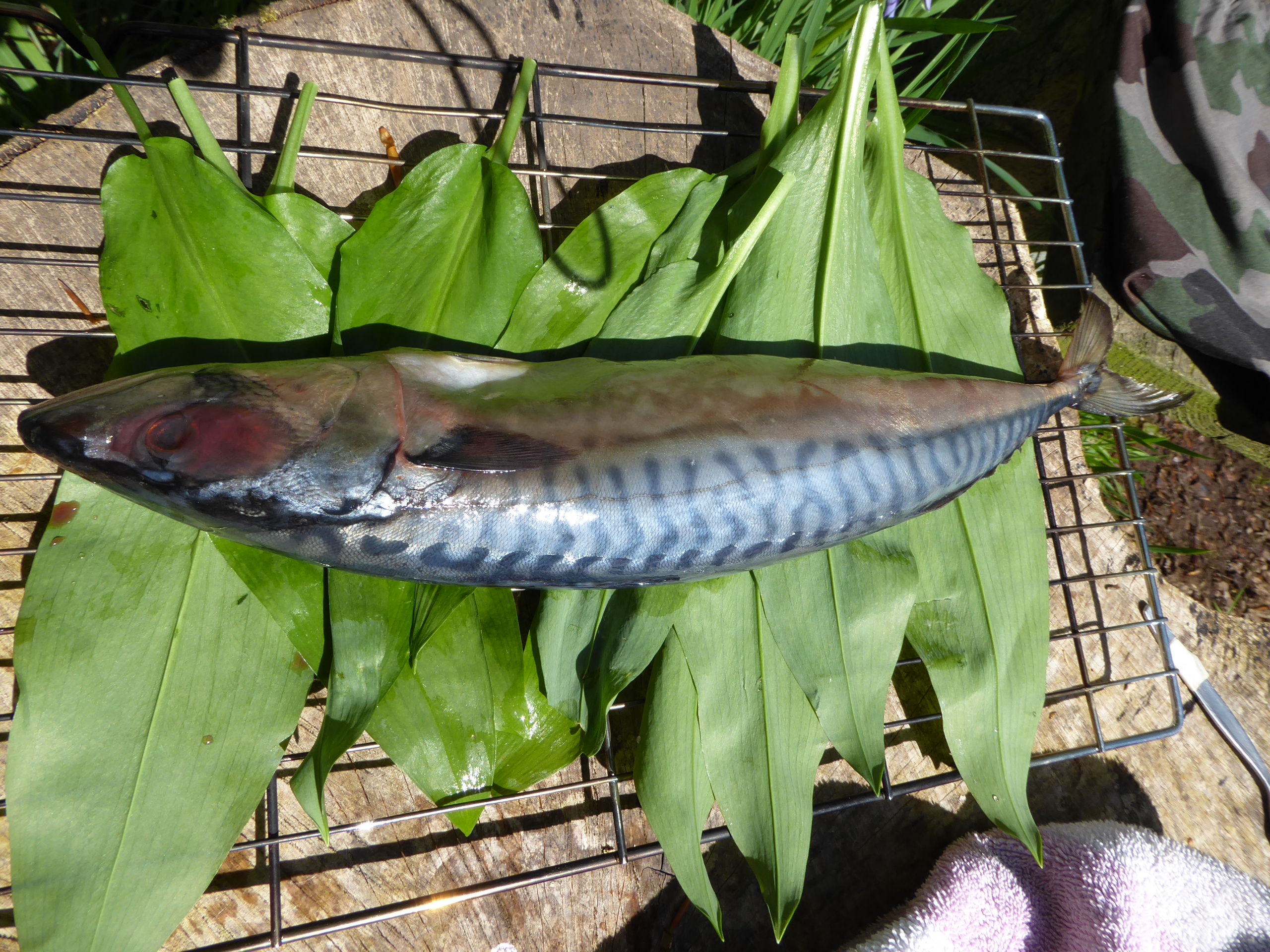
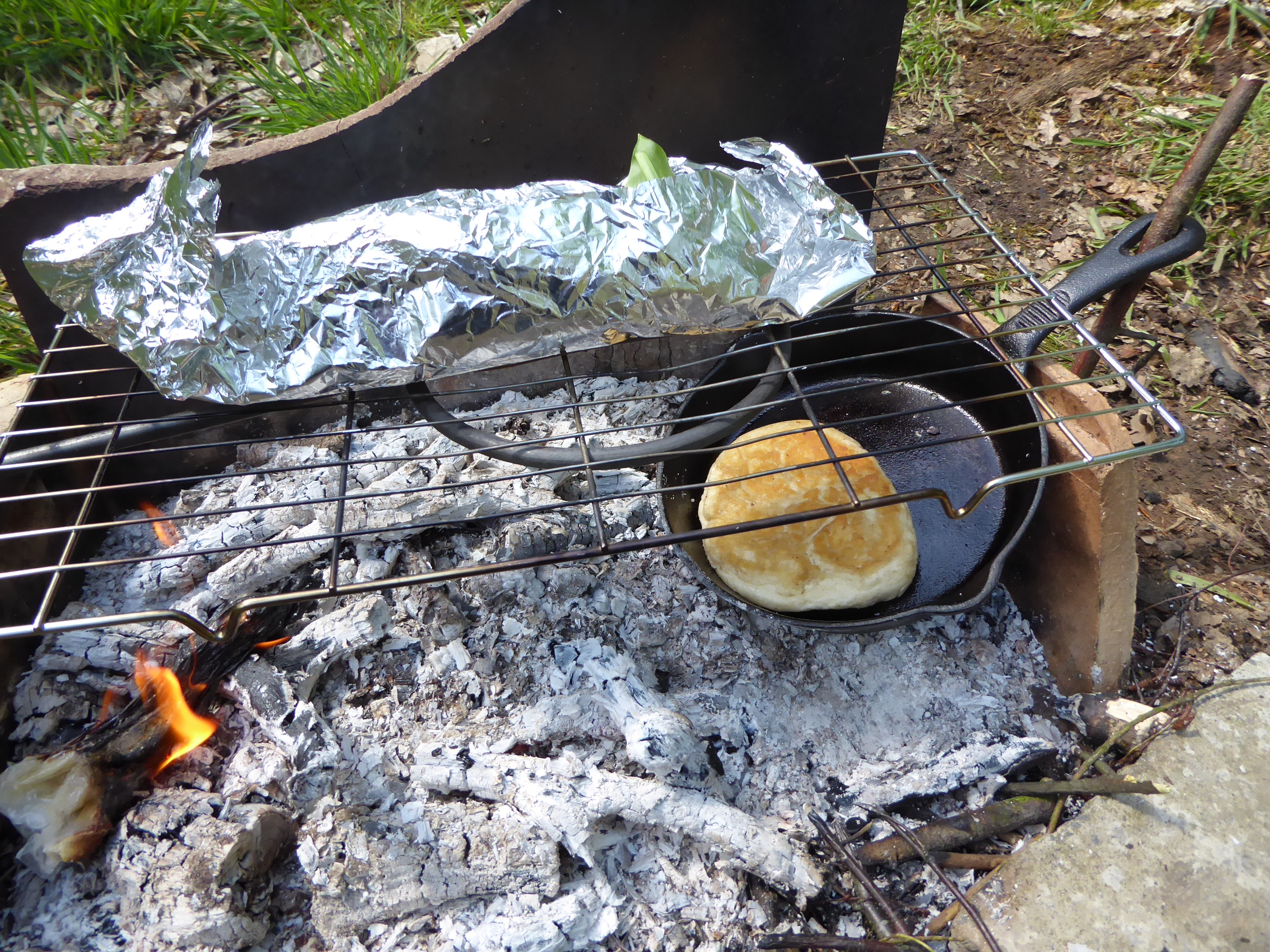
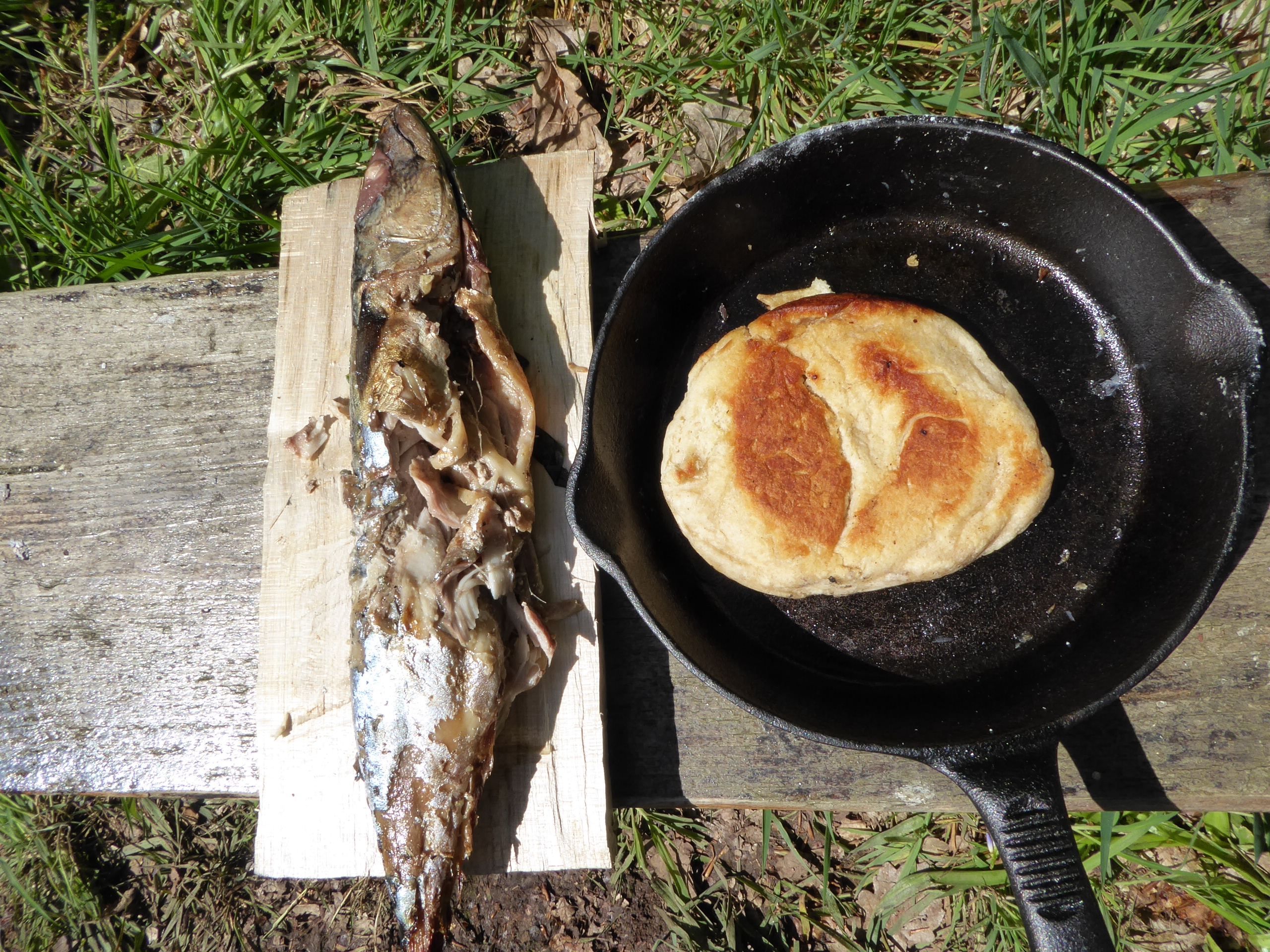
It would have been an ideal time for a camp-over but I hadn’t planned it. I did want to spend some time practising some outdoor cooking and enjoy a fireside meal. I have to be honest and say I am pretty useless as a cook, not something I have much experience with so I wanted to gain some and just have a bit of fun tryin. I had a whole, raw mackerel and fancied another go at making bannock bread to go with it. I was trying to make the experience as much “bushcraft” as possible. So the plan was to wrap the fish in wild garlic leaves to cook over a fire and eat it off a wooden platter made from some sycamore. I split a log several times to make a rectangular slice about 2 cm thick and roughly trimmed it. Picked some wild garlic leaves and washed them and the fish. I mixed up my bannock mix in a polythene bag. Not very natural but it’s such messy, sticky stuff and it’s the best way. Here’s the food prepared before cooking.

food and plate prepared

food and plate prepared

The idea of cooking the fish in leaves was instantly a mistake. Nice idea but they were too small, too floppy and the fish too thick and heavy to be supported by them. Luckily I had a back-up piece of foil to wrap it in. I started the bannock off in my cast iron skillet, then turned it over and propped it next to the fire to cook the other side whislt doing the fish. I had guessed about 15 minutes would do and suspended it on a baking rack balanced on my fire crane and kept turning it. It was no where near done and finally I ended up just placing it on the embers and it took a good half hour. It was pretty much perfect, the bannock came out well (though somewhat chewy) and I enjoyed my fish and bread meal in the sunshine. At the end of it, the wooden platter I made and the fish remains were thrown on the fire.

059
061
064

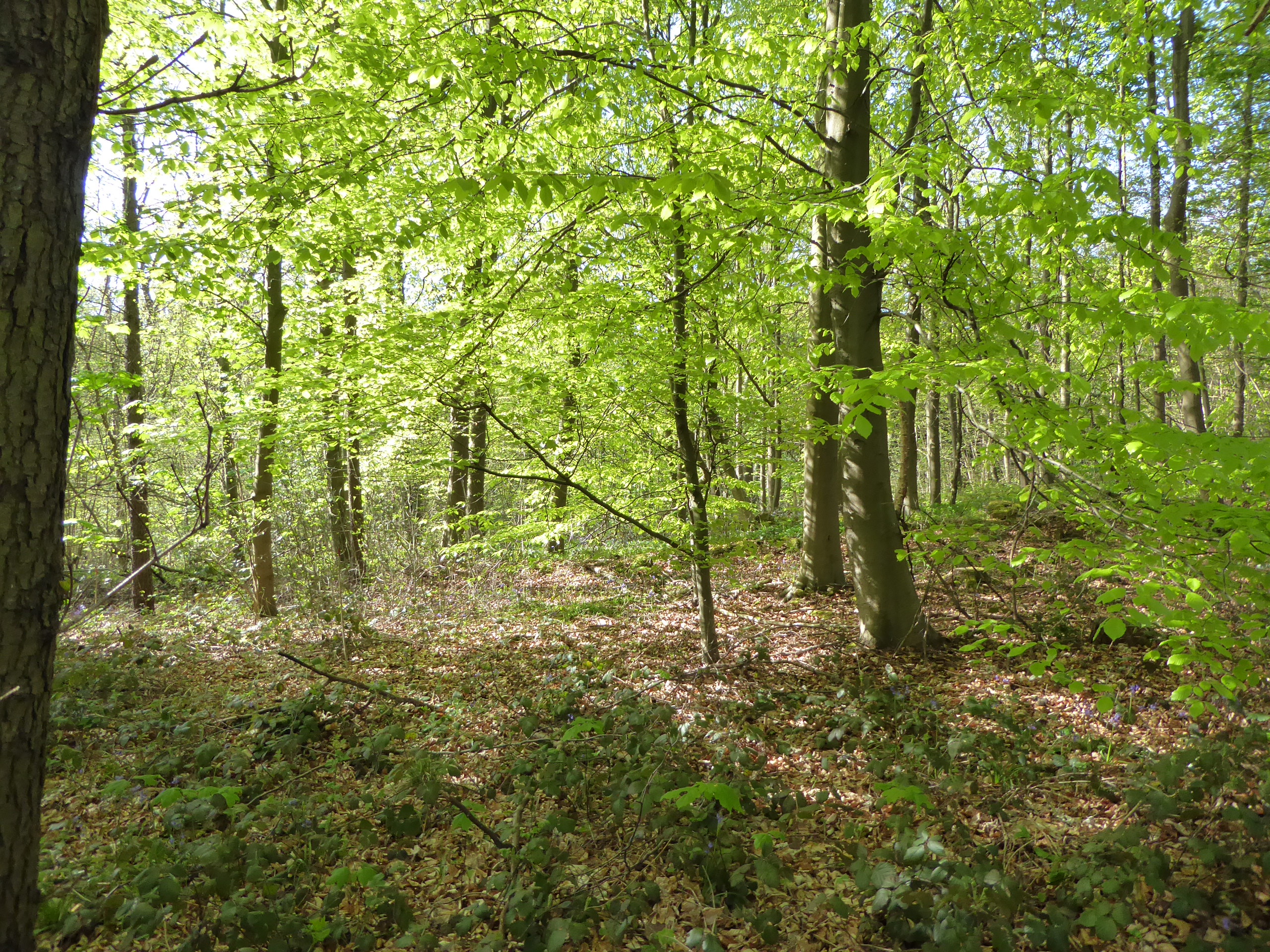
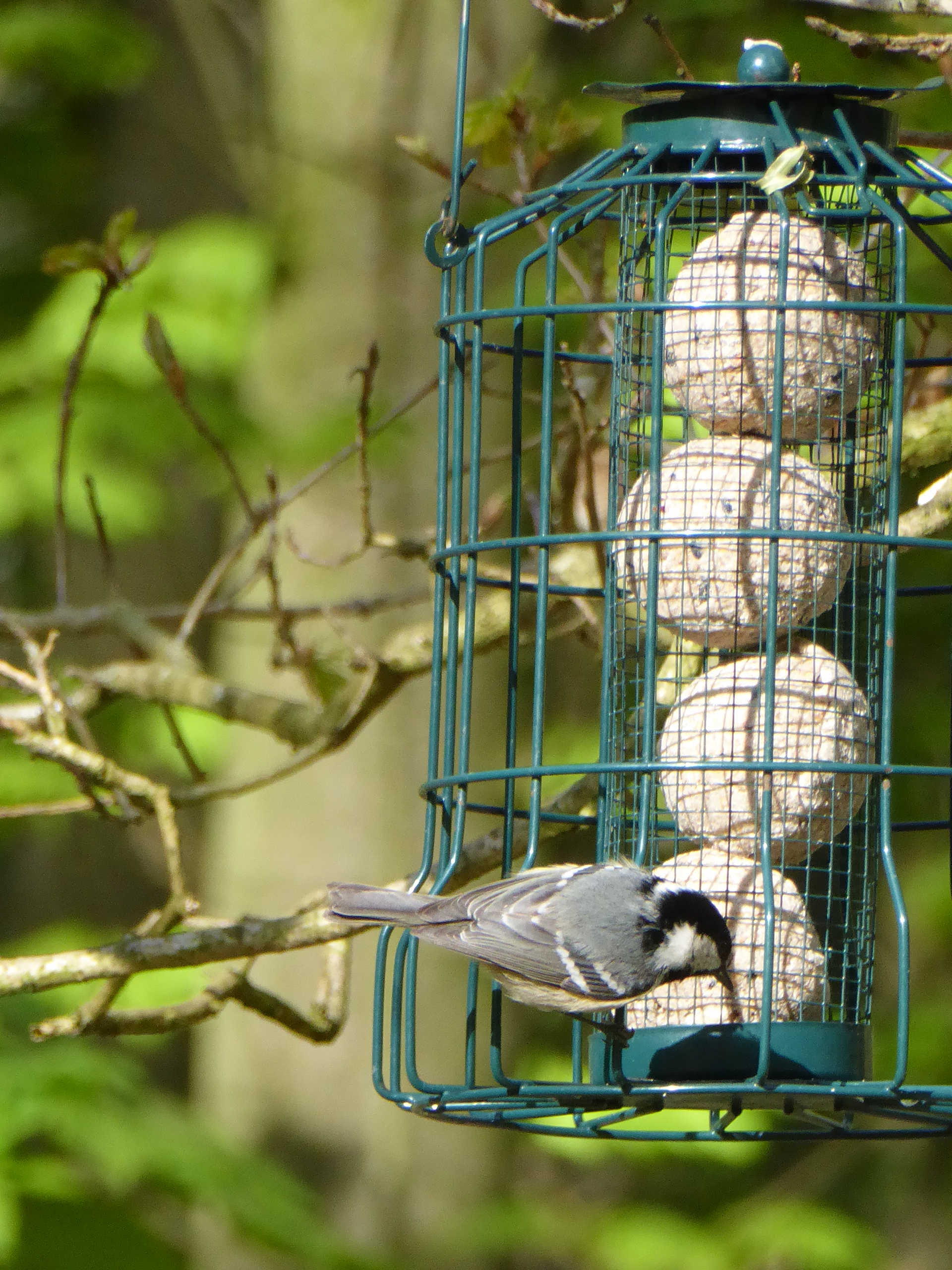
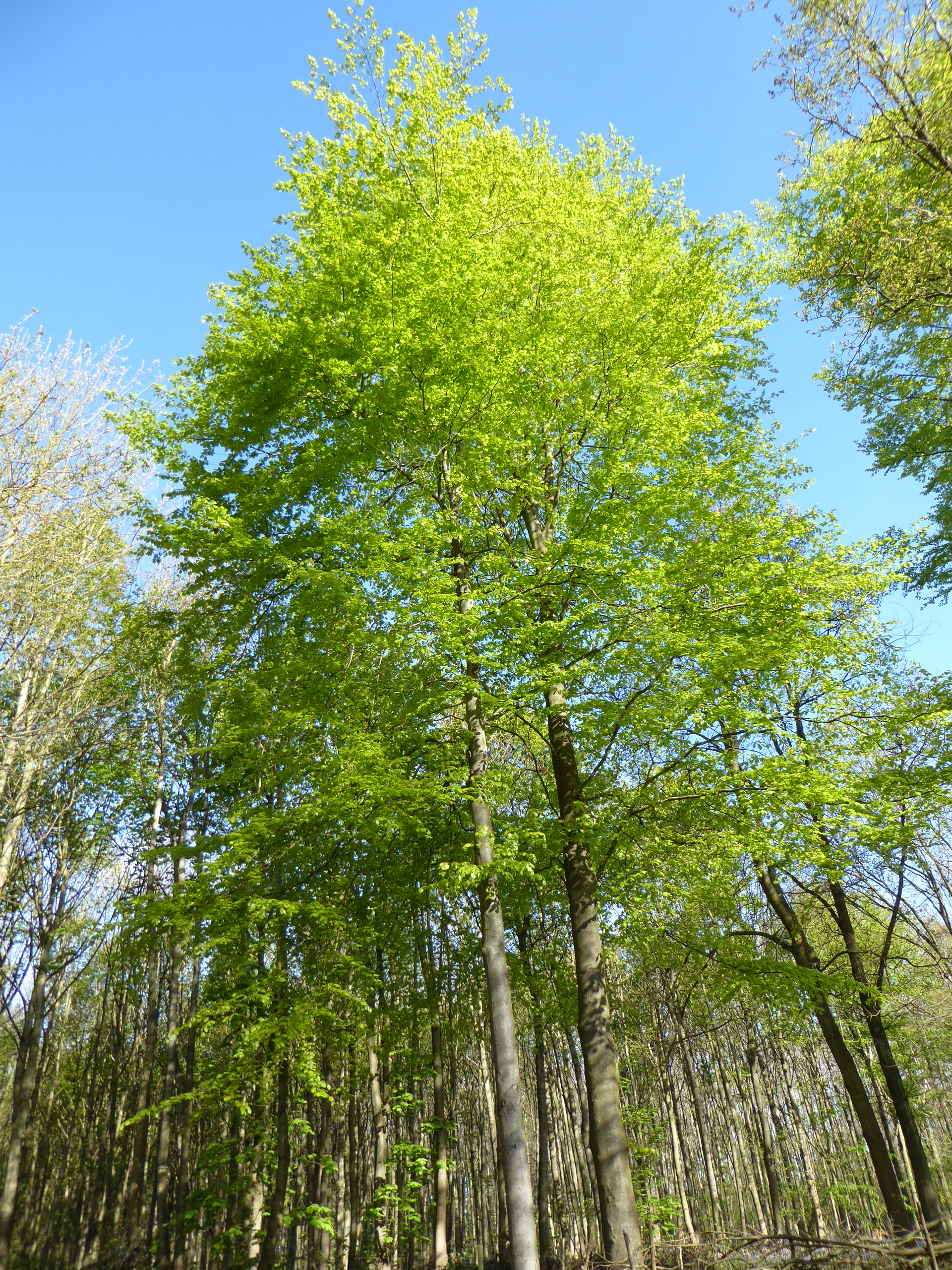
What a fantastic day in the woods. I’ll leave you with a photo of the two lovely beech trees coming into leaf and a coal tit feeding – these were some of my mealtime views.

coal tit feeding on fatballs

coal tit feeding on fatballs

a pair of beech trees leafing up nicely

a pair of beech trees leafing up nicely


Leave a comment

The best time of the year

New leaves just opened on a beech tree

New leaves just opened on a beech tree

This has to be the best time of the year for nature and woodland lovers. The wood anemones are still in full flower and the bluebells are not far behind. Beech trees are opening their beautiful new lime green leaves, birds are singing and flitting about busy with nests and rearing young and everything just breathes fresh, vibrant life. There’s the promise of all that’s to come in the woods for the next six months or so and it’s just starting. I love it.

So today’s agenda was firstly to recharge my batteries and get my woodland fix. It really is like medicine to me. An early start, I arrived arond 8.30 and the sun was out but a cool northerly wind was blowing through the woods. I spent a good hour and a half just looking all around, seeing what’s changed since last time. Had a walk around to a neighbour’s plot – I heard the rattle of his trailer and knew he had arrived. His wood is predominantly coniferous and he’s been busy felling a coupe and replanting with native broadleaf species. I had a peep down the tree shelter tubes and they are doing fine.

squirrel damaged nest box

squirrel damaged nest box

My walkabout discovered the greys have been busy trying to raid nest boxes and this one has taken a right old battering. I’ll have to fix some squirrel guards around the holes if this is going to be a regular occurrence.

The jobs on my list were mainly to cut up some logs that were still lying after felling in winter, bring them back to the logshed area, split some and stack them for drying. I managed about five wheelbarrow loads which doesn’t sound much but when they are still green, they are heavy and when you consider you have to handle them at least four or five times to get them from floor to woodstack, plus splitting them with an axe, then it takes it’s toll on your poor old back.

pile of split logs ready for stacking

pile of split logs ready for stacking

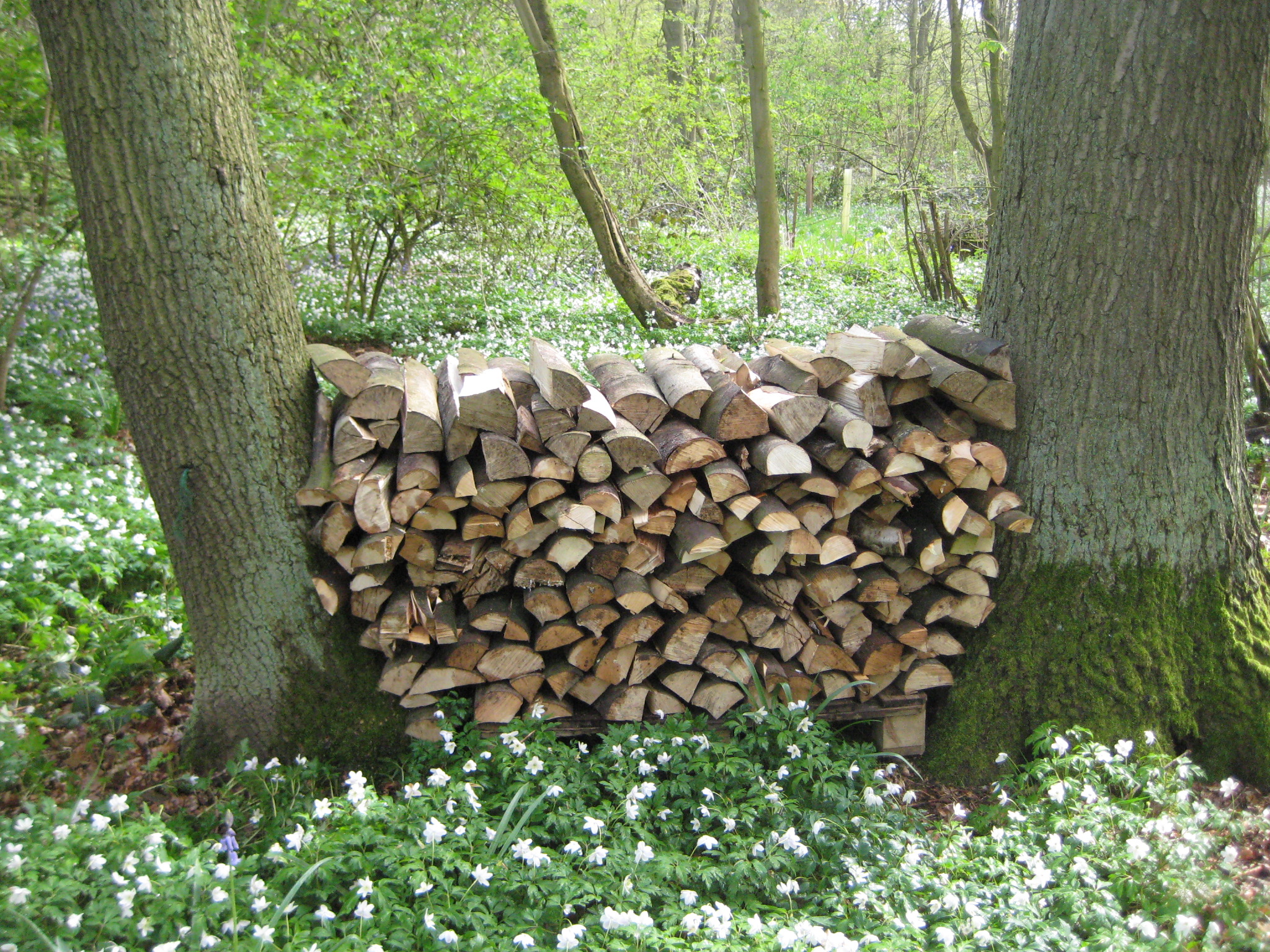
my log stack is growing now

my log stack is growing now

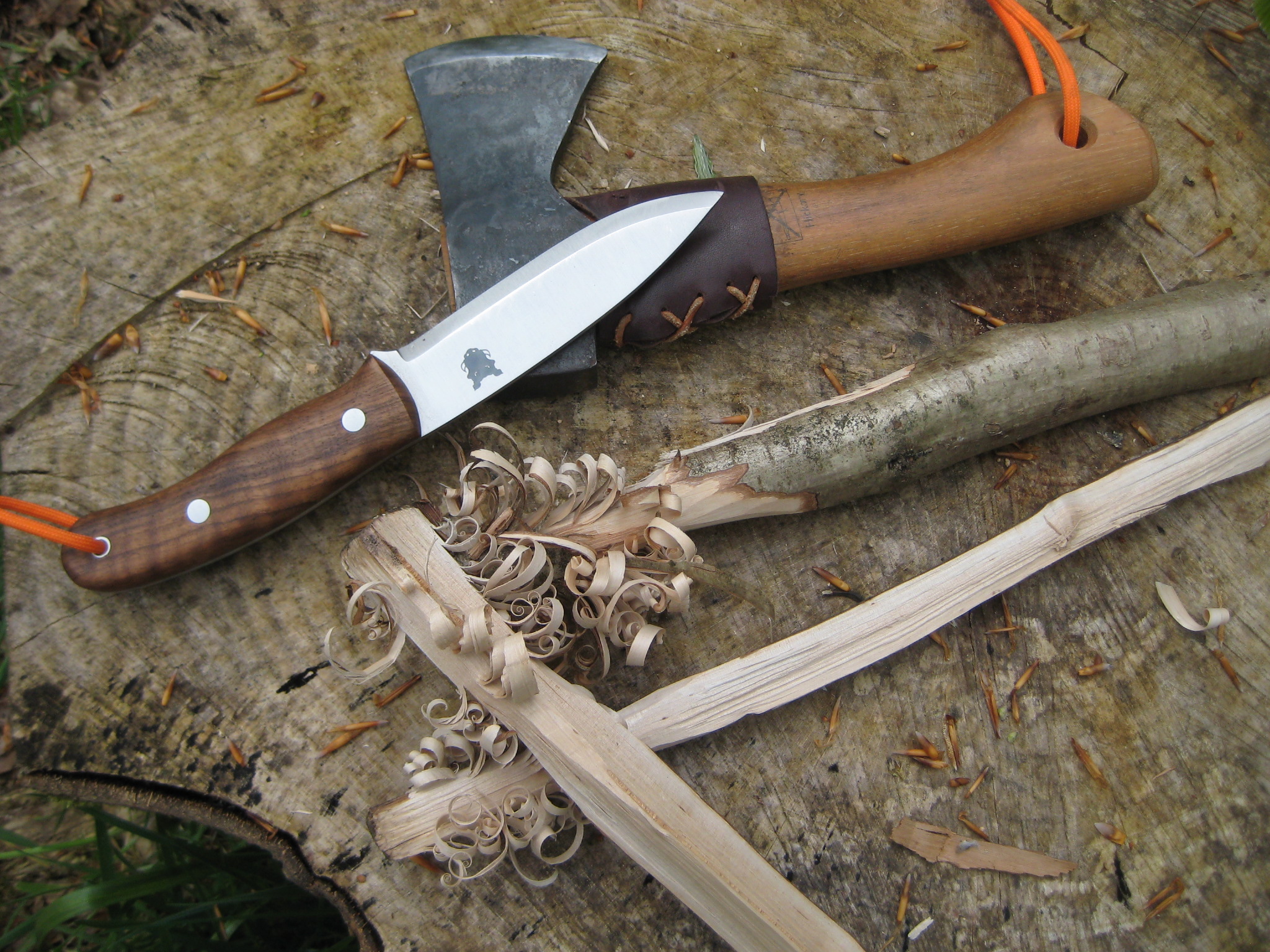
Late morning I lit a fire. Another aim was to try out my new TBS bushcraft knife. It’s a beautiful thing, sharp as a razor and a really nice comfortable knife to hold. It’s the first time I’ve had chance to use it and I wanted to have a go at making some “feather sticks”. For those that don’t know what they are I’ll explain. When you first light your fire you need tinder and something that will catch the flame easily. If the woodland is wet you struggle to find dry material to start the fire. One method is to collect dead standing sticks which will be still dry in the middle. You pare of the wet outer then make thin long, curly shavings. The trick is to hold the knife almost parallel to the stick and make fine cuts down, stopping before you cut the right off. They need to be still attached to the stick. You need a few and you light the curly bits which take a flame easily. I was a bit impatient and didn’t make enough of them or enough curly “feathers” but it still worked.

feather sticks (not very good)

feather sticks (not very good)

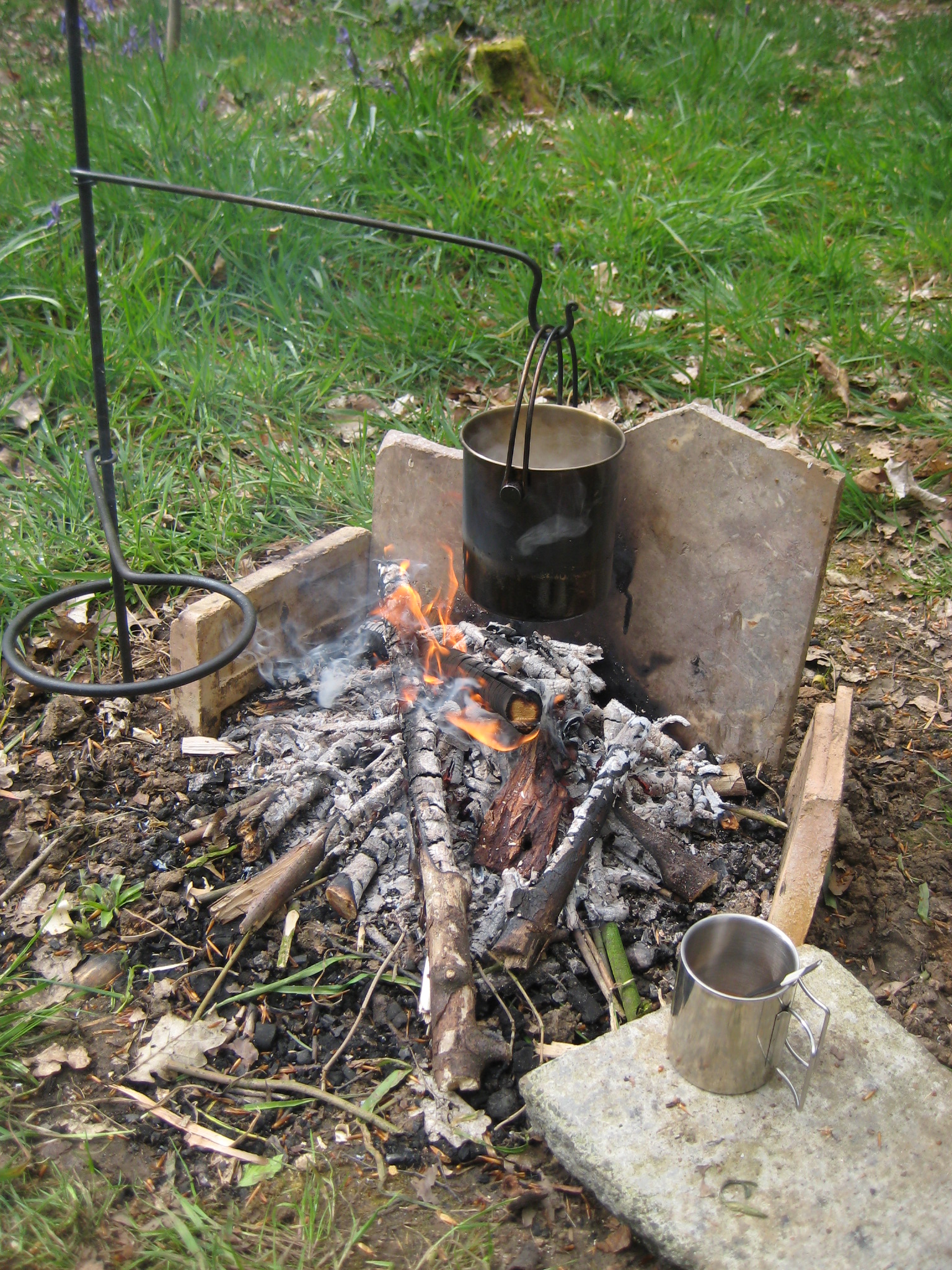
Lunch was a tin of soup heated over my fire with my fabulous blacksmith-made fire crane/pot holder. I love this thing and the fact that my mate Simon made it makes it more special.

soup heating on the fire crane

soup heating on the fire crane

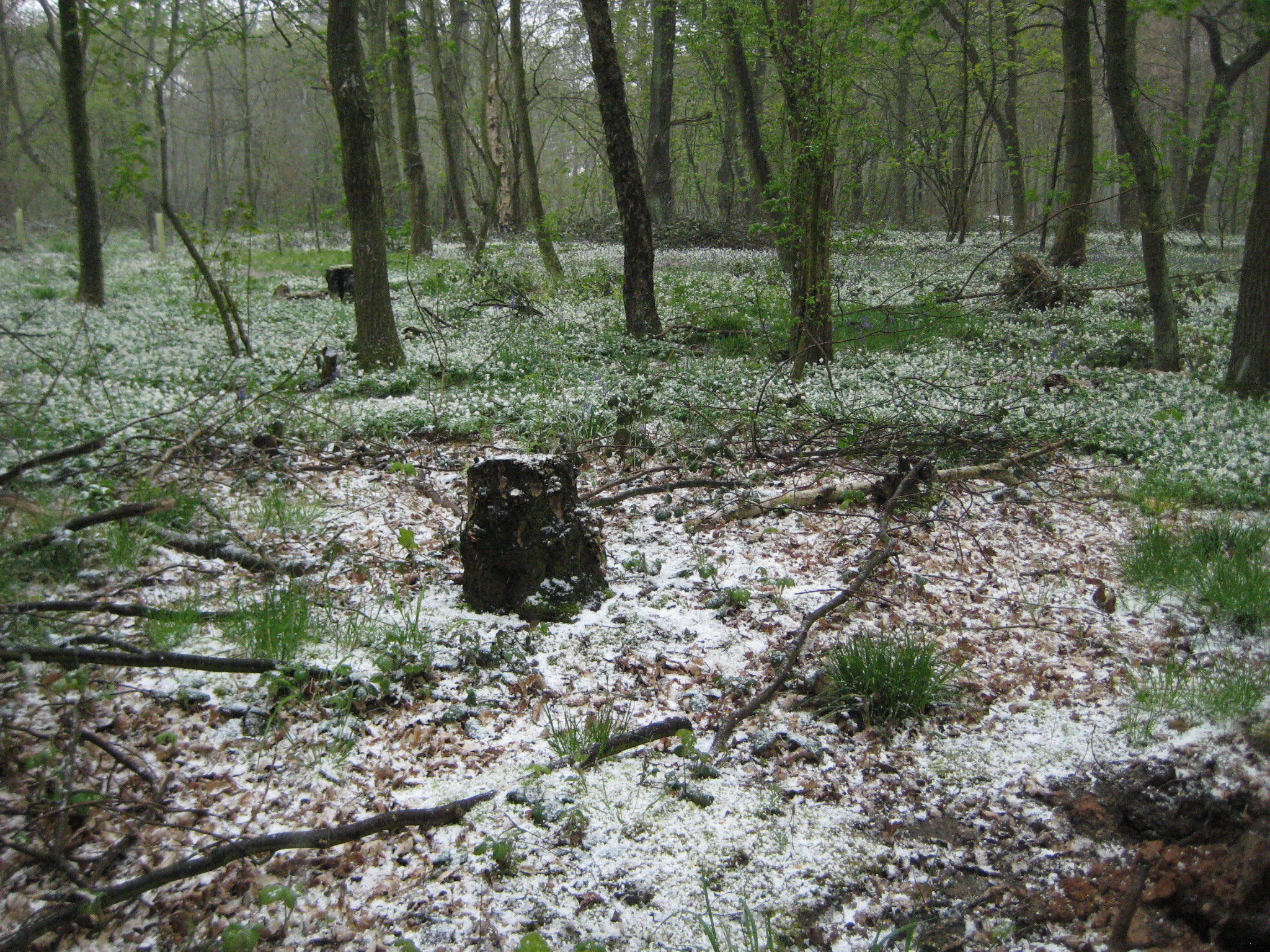
We had a bit of all seasons today. The sun turned to a snow/hail storm for a while. The woodland floor was white with wood anemones and snow making am unusual sight for this time of year. I’m pleased to say that my new trees all seem to be sprouting so I’ll look forward to seeing how much growth they’ve made at the end of this year. Until the next time in a week or so, I’ll sign off with a photo of the snow.

wood anemones and snow

wood anemones and snow