Diary of a man and his woodland

A blog about a man's dream to own a small woodland.


Leave a comment

One of the best days yet!

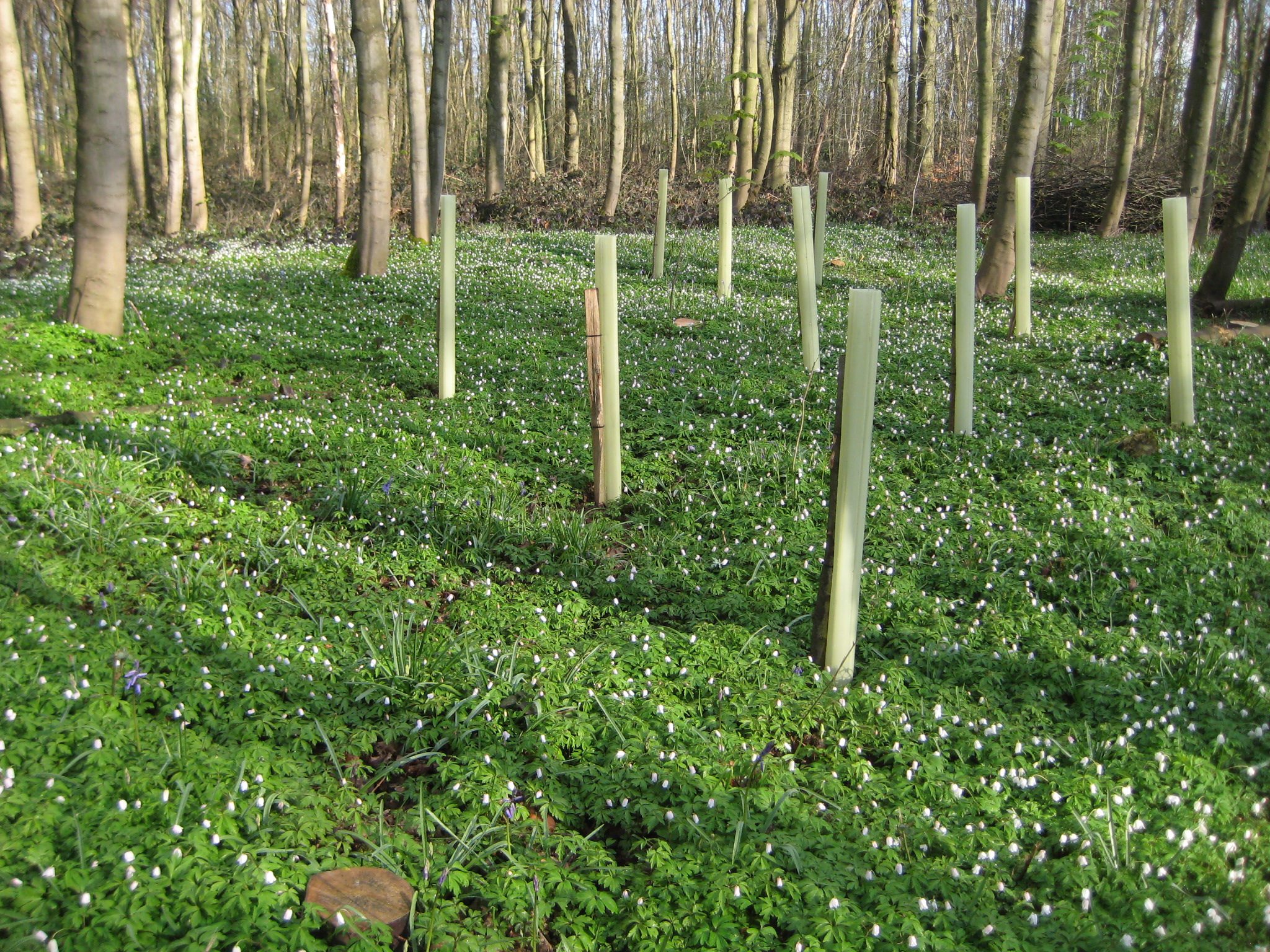
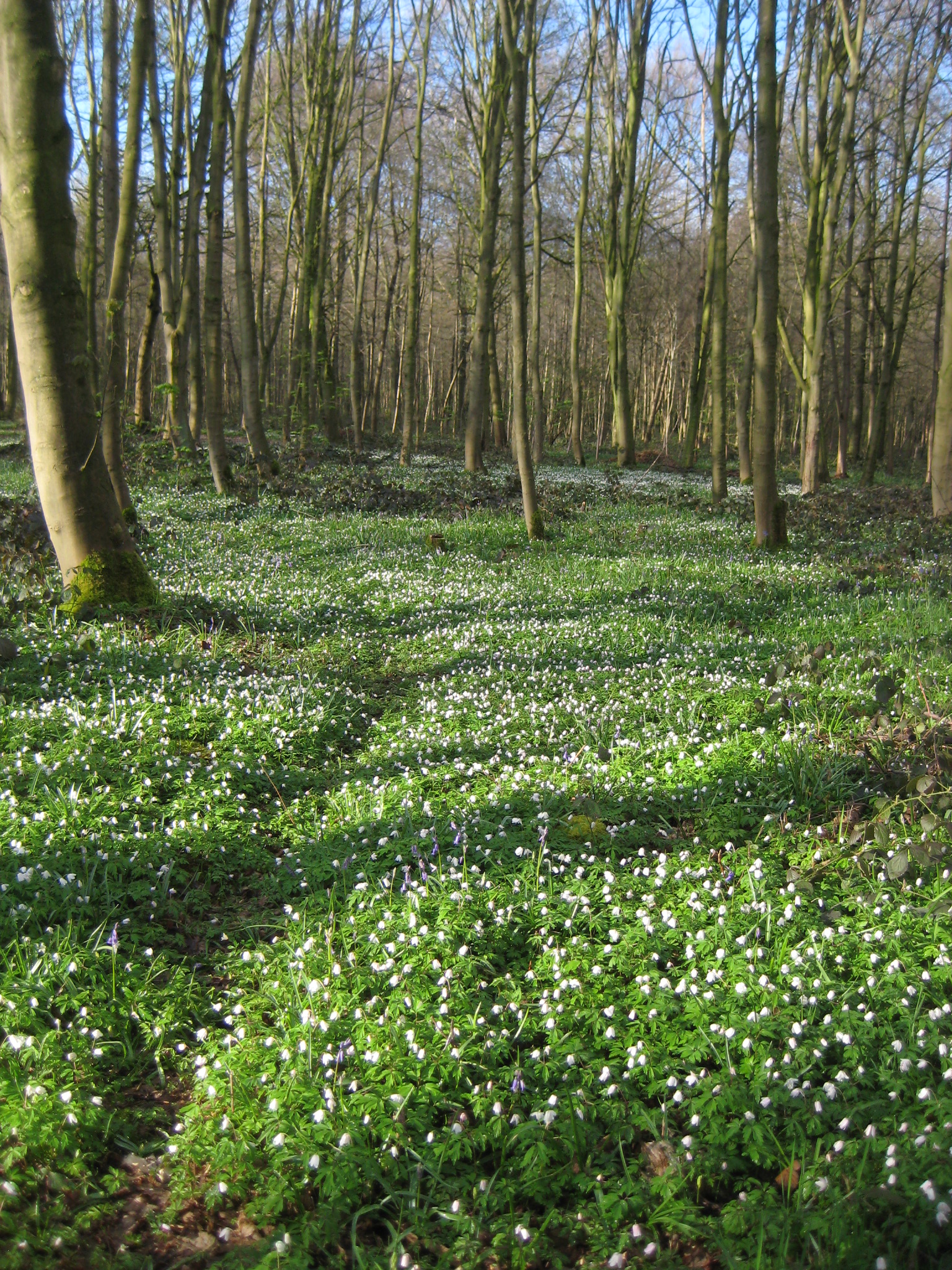
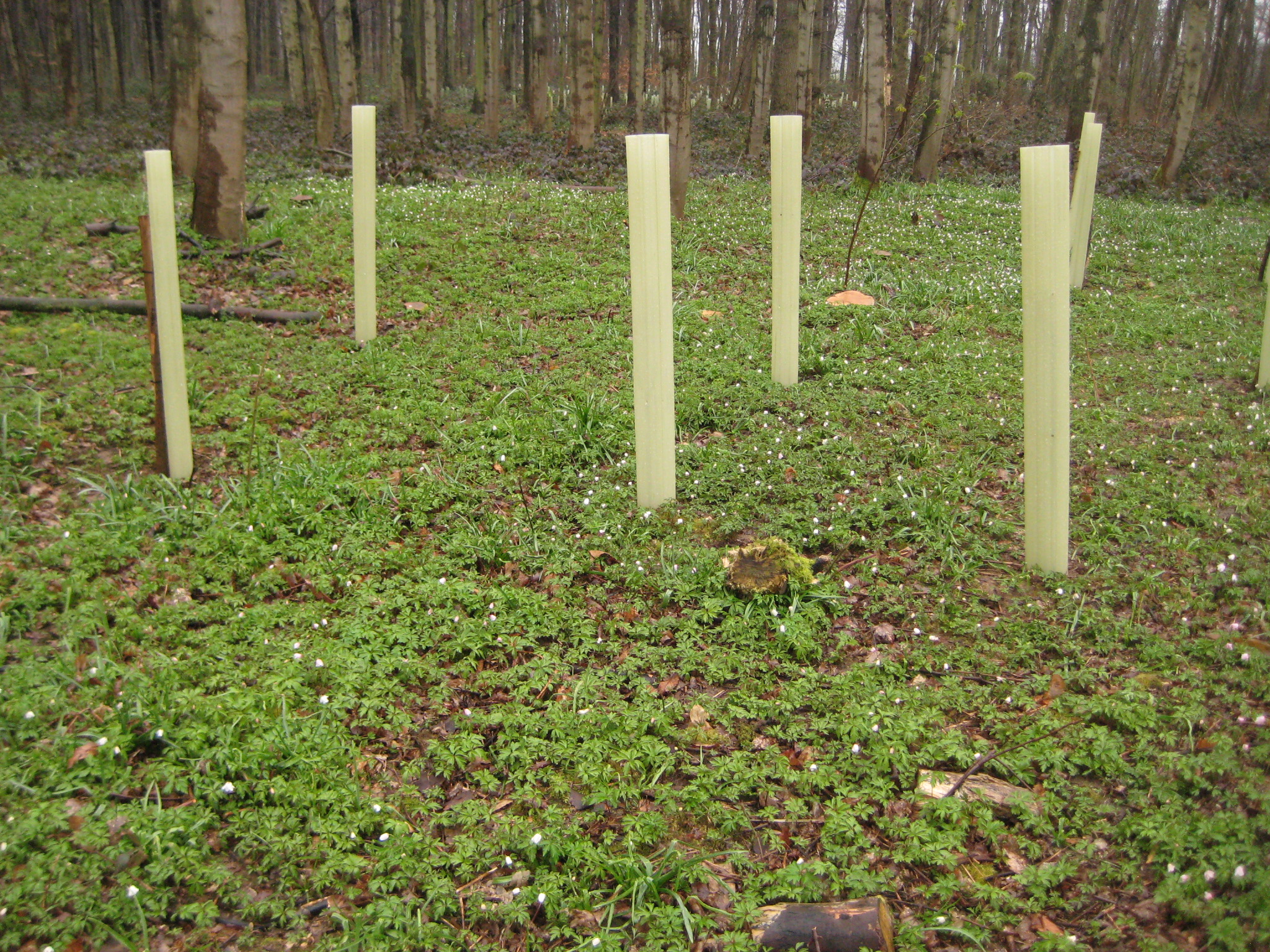
A carpet of green and white from the wood anemones

A carpet of green and white from the wood anemones


It’s been hard to find suitably dry days but yesterday was looking promising so an early start to avoid rush hour traffic got me there for 8.15am. Most of my winter visits have been about getting lots of work done before spring but this time I decided to make it a day to really enjoy and savour the spring growth that is now evident. Of course there would be jobs too, but mainly things that were small, not too strenous and things that will contribute to mine and visitors enjoyment of the place. So my list included assembling my mum’s refurbished garden bench, placing a rustic ladder, pimping my camp fire and trying out a new cooking device and transplanting a few plants.

The day started out very good, the sun was out, lots of birds singing and the woodland floor carpeted with green and white from the wood anemones. They have really taken advantage of the extra light in the areas where I cut back the bramble. I spent over an hour just walking around with cameras, having a really close look at the new growth, inspecting the trees I planted last year, listening to the many birds singing and just soaking in the peace and beauty of the place. Words can’t describe just how good it made me feel and how lucky to have this little piece of nature to enjoy. I was pleased to see the wild cherry trees I planted just over a year ago are doing well and have some gorgeous flowers on them.
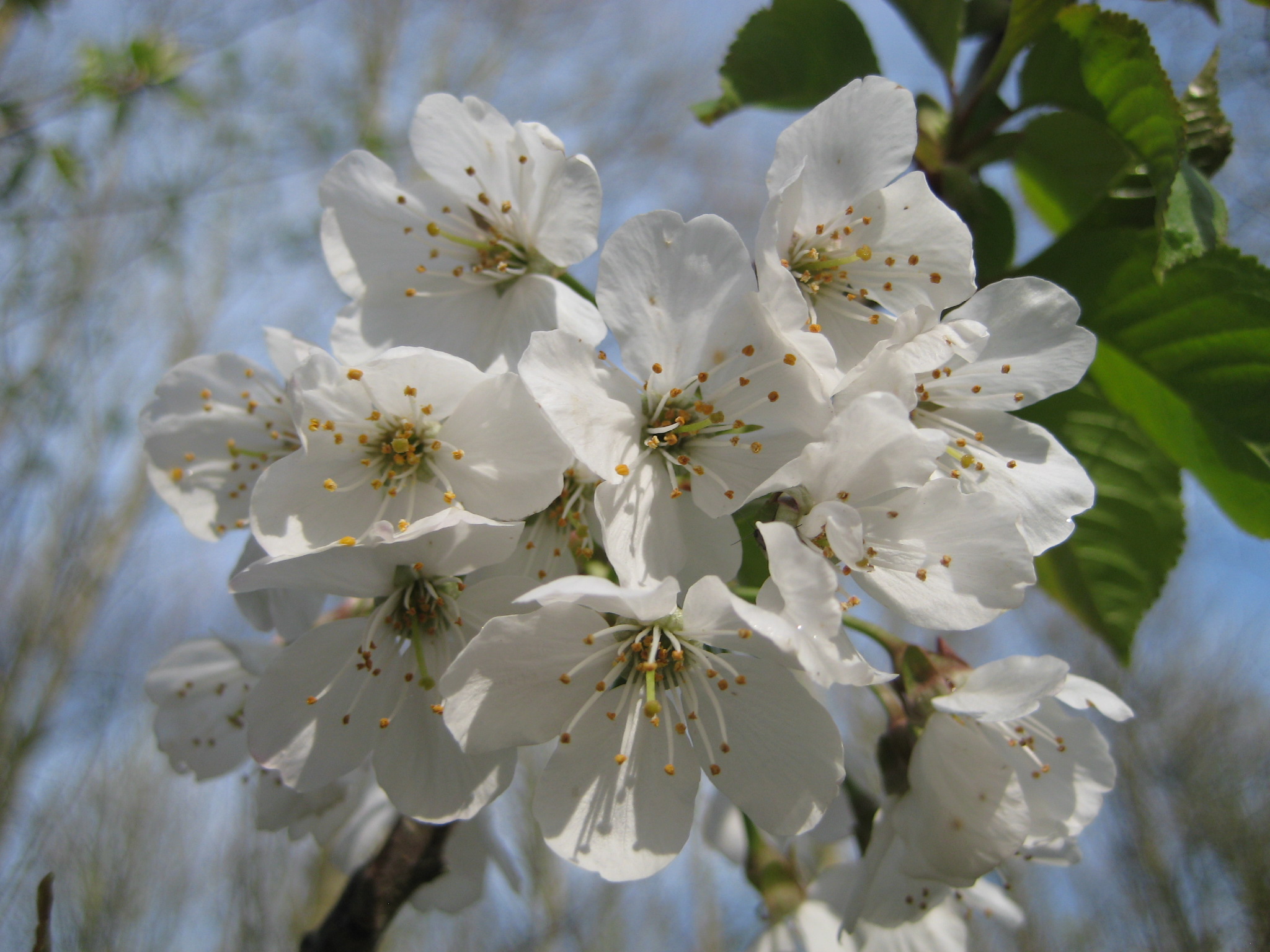
wild cherry flowers

wild cherry flowers


And just look at how this area has been transformed from a month ago.
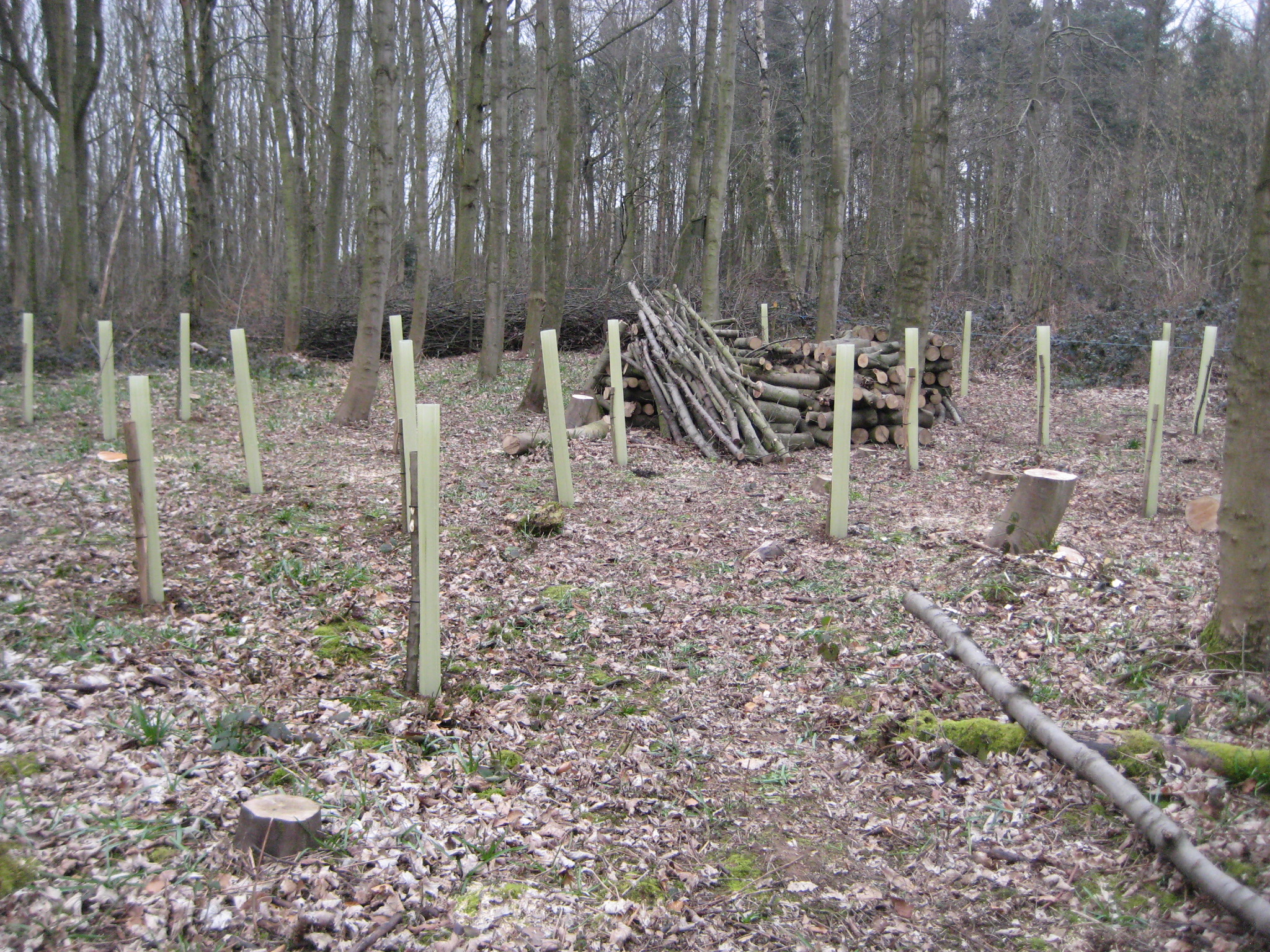
IMG_6461
Remember me telling you about an ash tree with a U-shaped fork that I climbed and sat in? Well I wanted a small rustic ladder to climb into it and also for inspecting bird nest boxes. I made one at home from logs I brought back so I took it with me to try out. My wife said it looked like Fred Flintstone had made it. Well it works great and here it is.
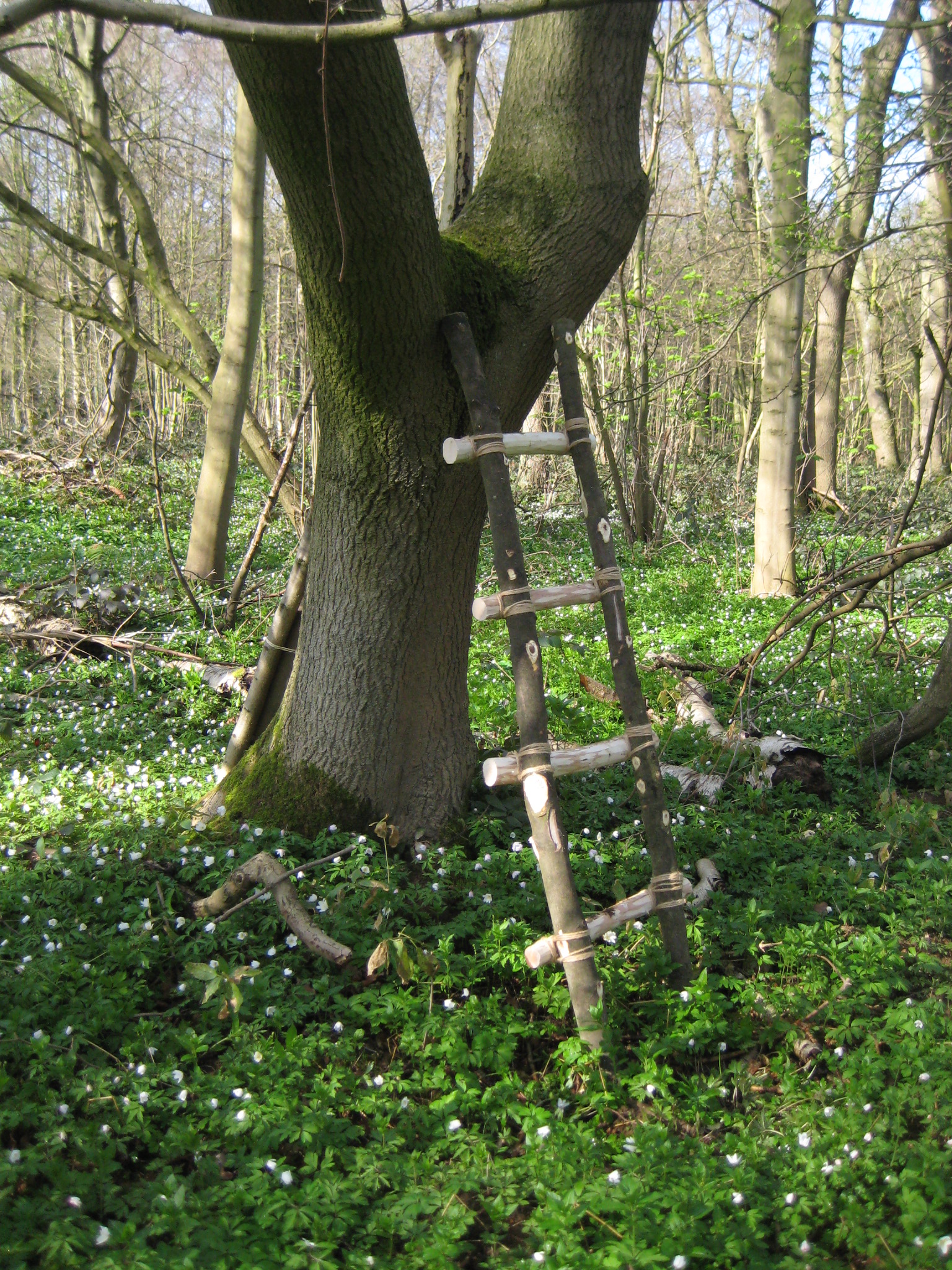
Homemade rustic ladder

Homemade rustic ladder


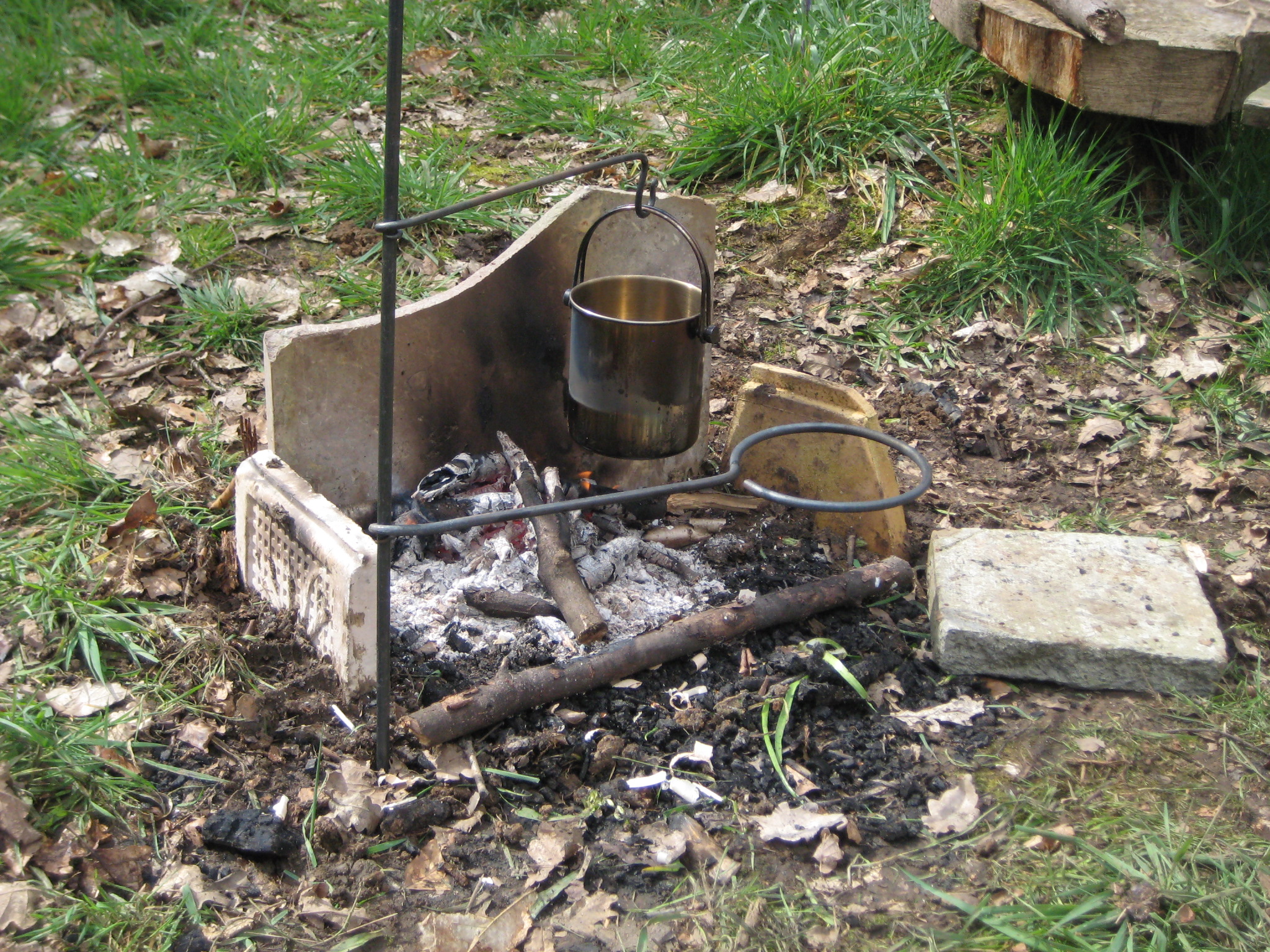
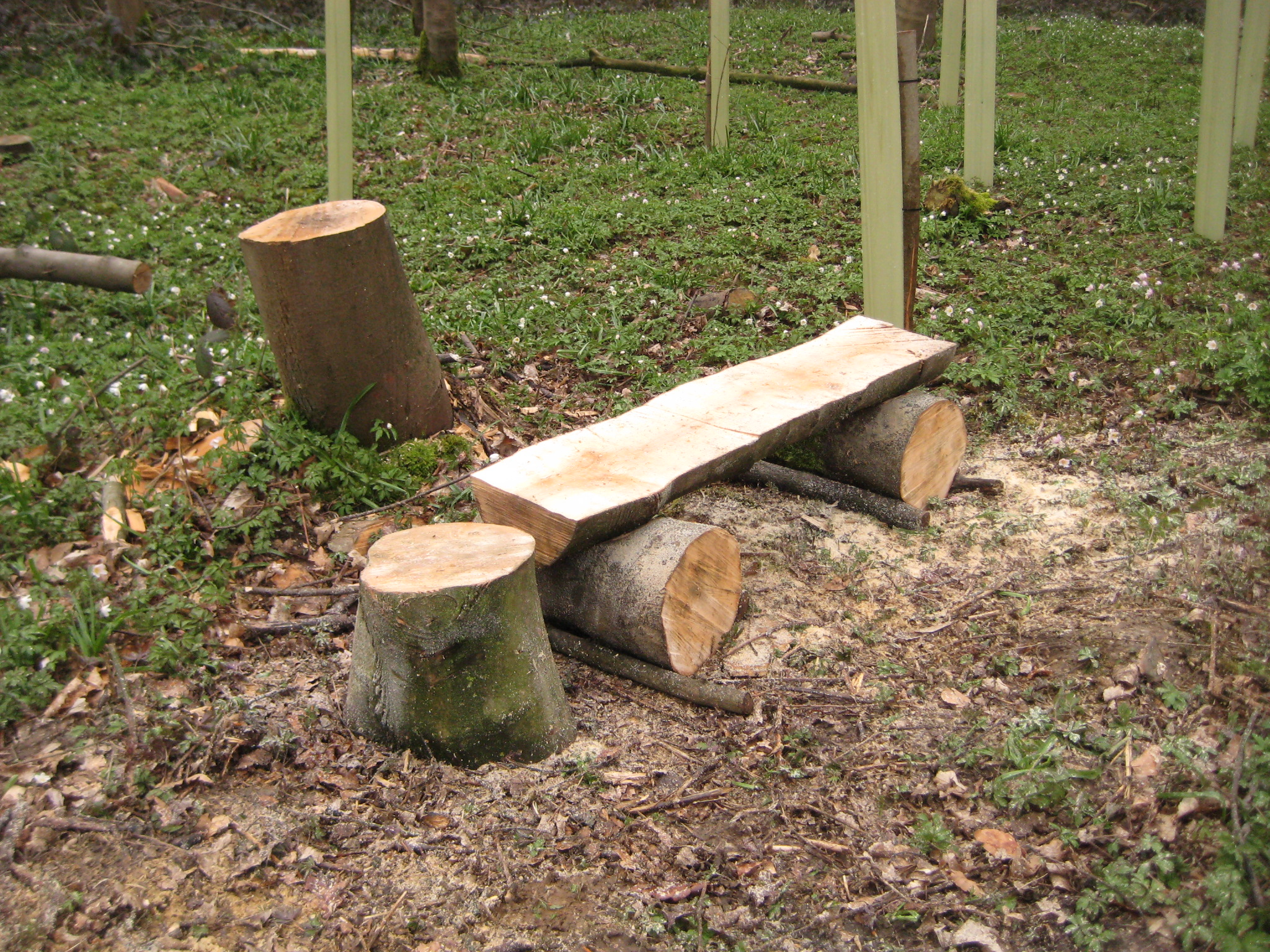
Next job was to assemble the bench. This was my mum’s garden bench. It was in very poor condition, paint peeling and some rotten ends on the wooden slats but I wanted to save it and put it in the wood. I had stripped it down to it’s components, cut the rotten ends down, refitted the screw inserts and repainted and varnished it. I decided to put it in my camp/fire area. Although it makes the area look less bushcrafty than I would want, I decided that was where it would be most useful. I worked away in the sun, listening to the many birds around and spotted four buzzards circling overhead and it felt so good. I repositioned the existing plank bench and pimped my fire, so now the camp area looks much inviting and visitor friendly.
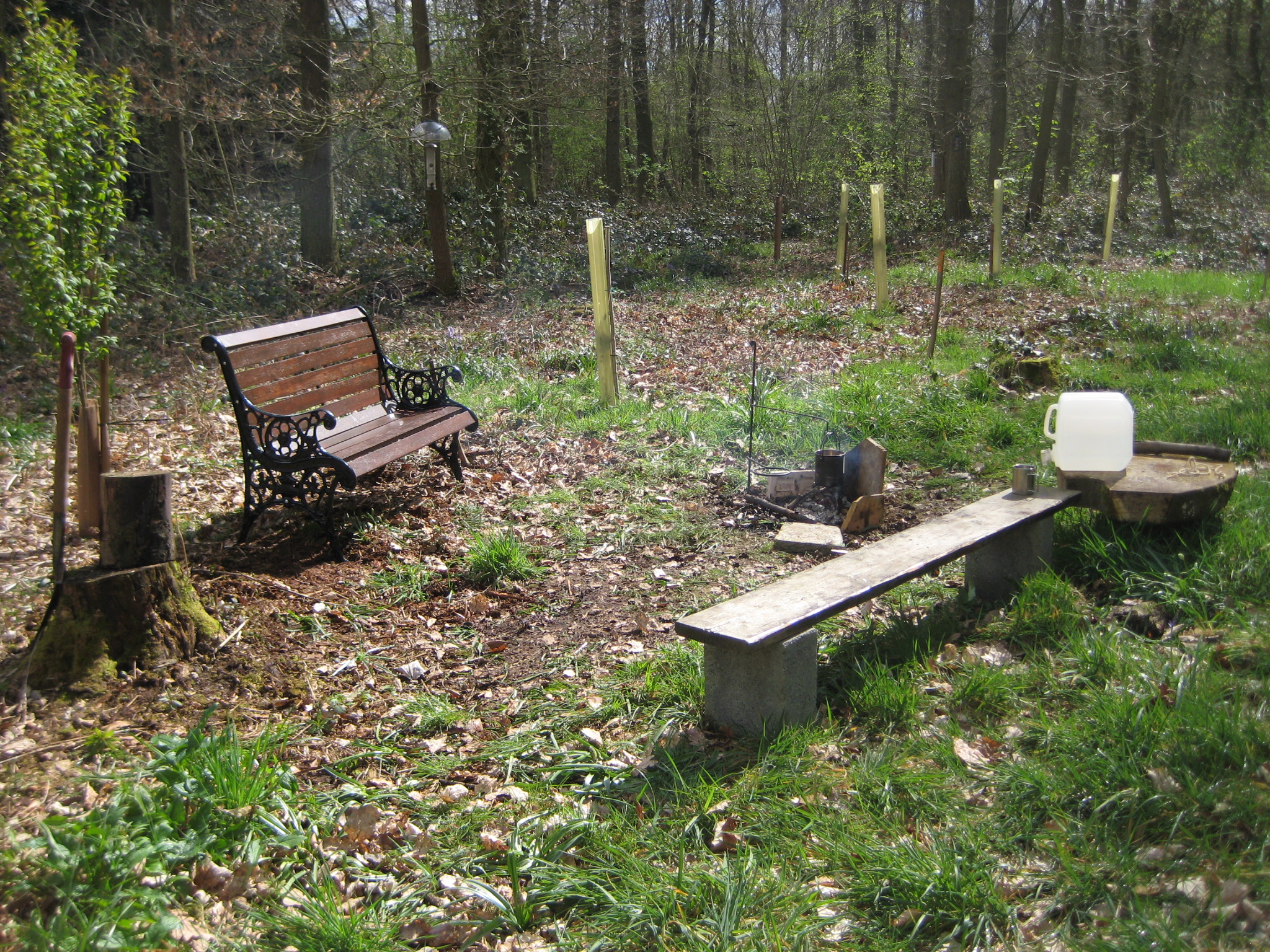
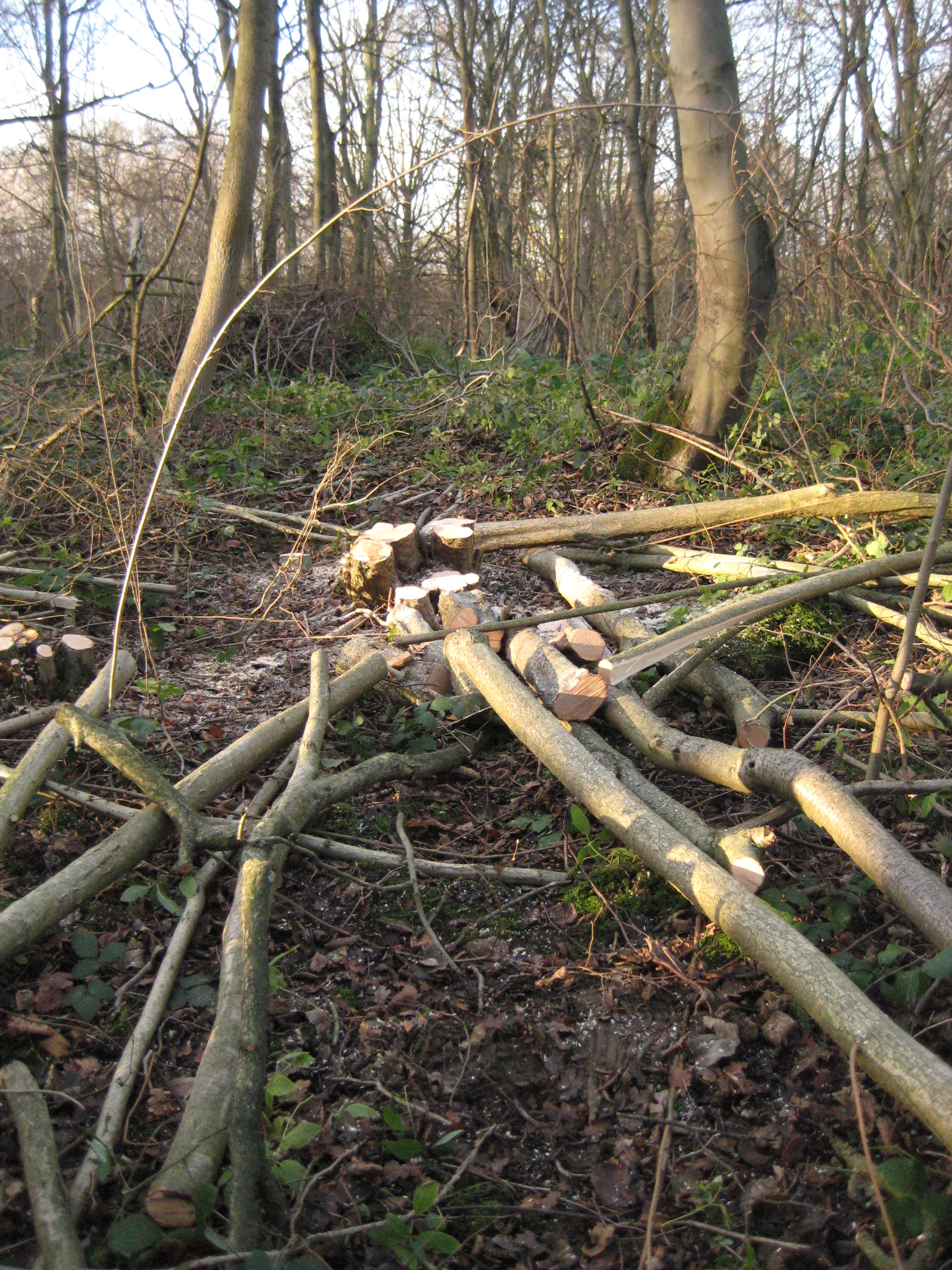
pimped camp fire area

pimped camp fire area

Just before lunch my lovely neighbour friends R. & L. arrived. They have a wood they share with another couple but have also decided to buy the small plot opposite the bottom of mine. I am so pleased for them and that I will have some new neighbours that I know and like. We had a look around the plot to see what we could find. It holds a lot of potential for them to work on and shape to their plans.

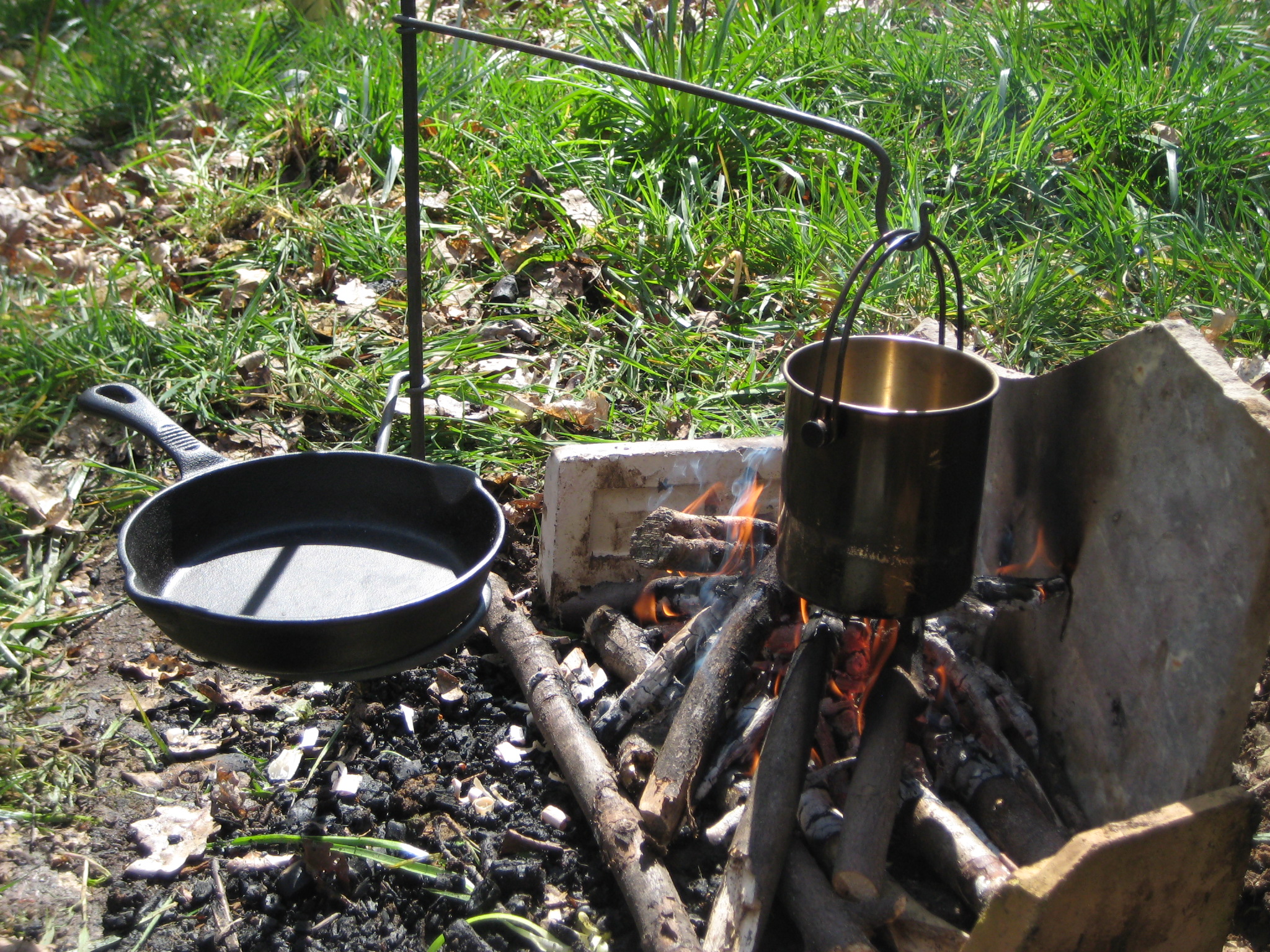
Lunchtime was approaching and my next job was to pimp my campfire. Until now it has been a plain and simple pile of ashes. I wanted to make a small enclosure around part of it and brought some pieces of marble and fire bricks from home. You can’t just put any old stones around a fire, some of them will explode as the moisture in them expands so that’s why I chose those materials. Secondly, my blacksmith friend Simon, had made me a fire crane. It consists of three steel pieces, an upright rod, an arm that has a hooked end to hang a billy can on and one that has a hoop to rest my skillet on. The arms have a curled end that slides onto the rod and can be moved up and down and sideways by relieving the weight from them first. The weight pushing down makes them jam against the rod and holds them in place again. The idea is you hang them over the fire and can adjust the height for temperature control or swing them sideways out of the fire. A neat idea and I wanted to try them out. I took some vege sausages and an egg and some bread to make my lunch. It worked a treat. The photos might explain the principle better.
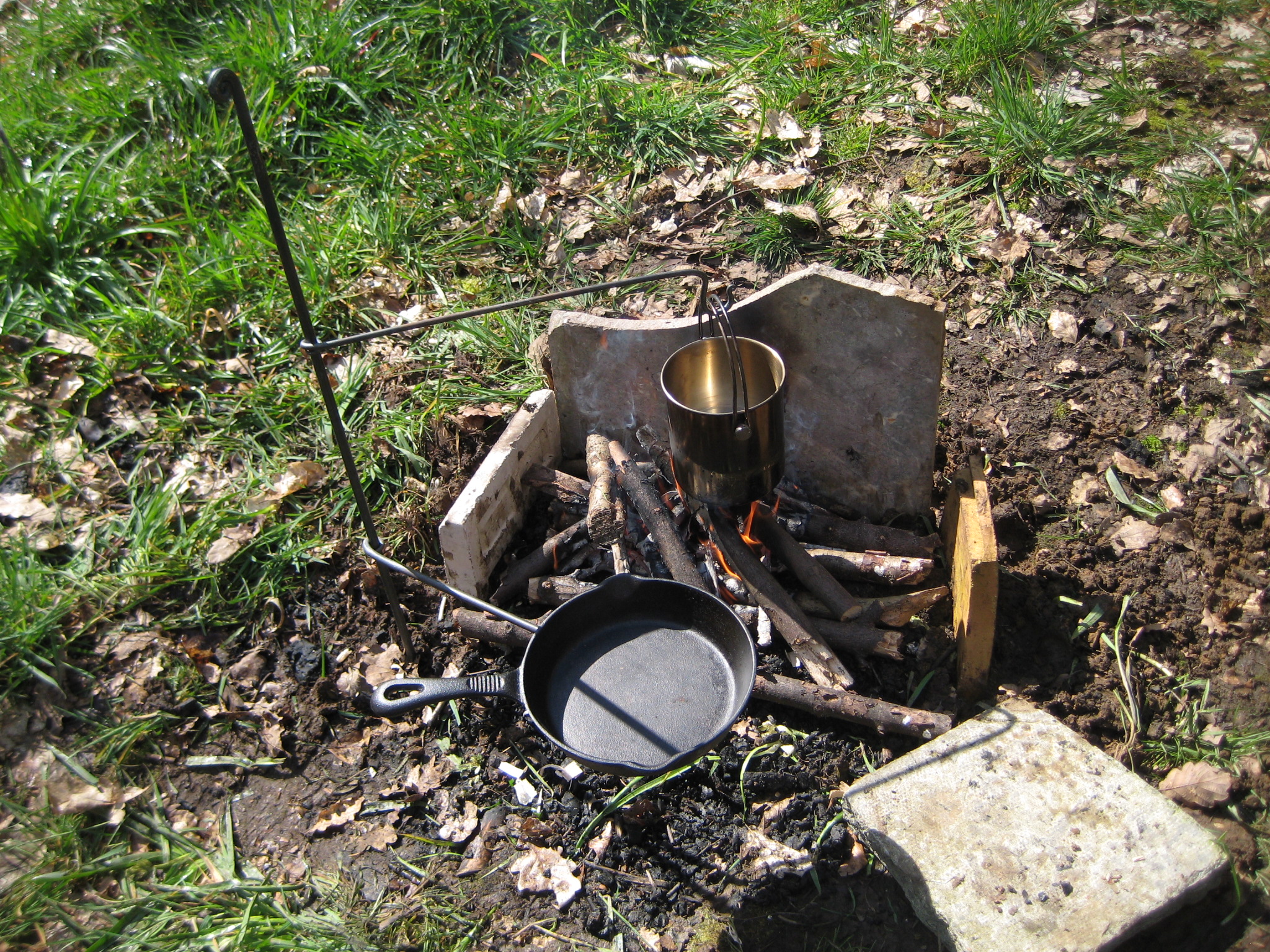
Simon's fire crane

Simon’s fire crane


IMG_6529
IMG_6538
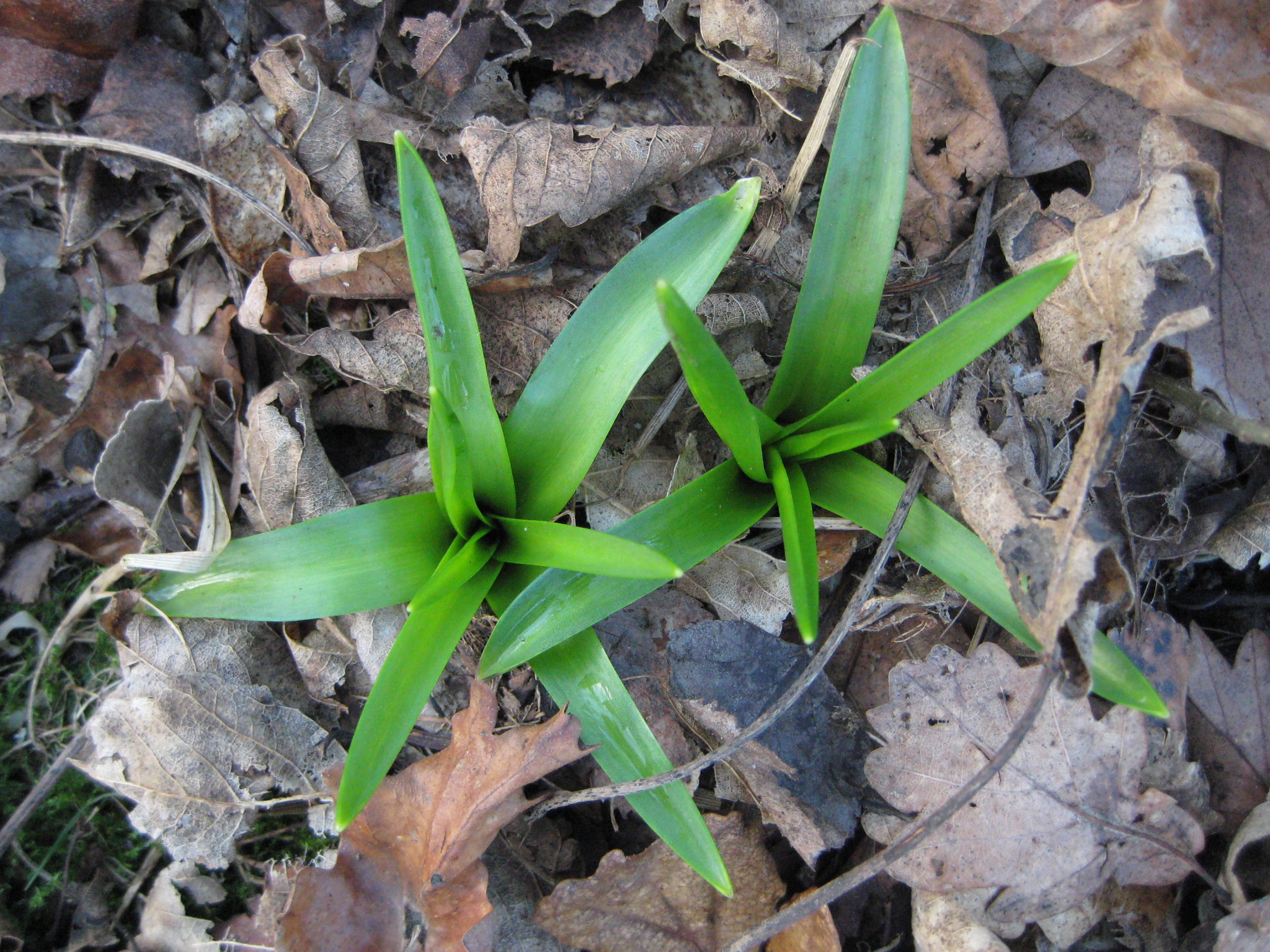
The last jobs were to plant another small hazel and two wild rose saplings I grew from seed and to transplant a couple of clumps of wild garlic. The garlic only grows in two or three places at the southern end of the wood. I’m trying to increase plant diversity in the northern sycamore end to make it more interesting so the plan is to dig up a few established clumps and replant them where I think they might flourish, then hopefully, they will gradually increase in size and colonise those areas. I like this plant, it is lush and green when young and can be eaten. It’s an ancient woodland species too.
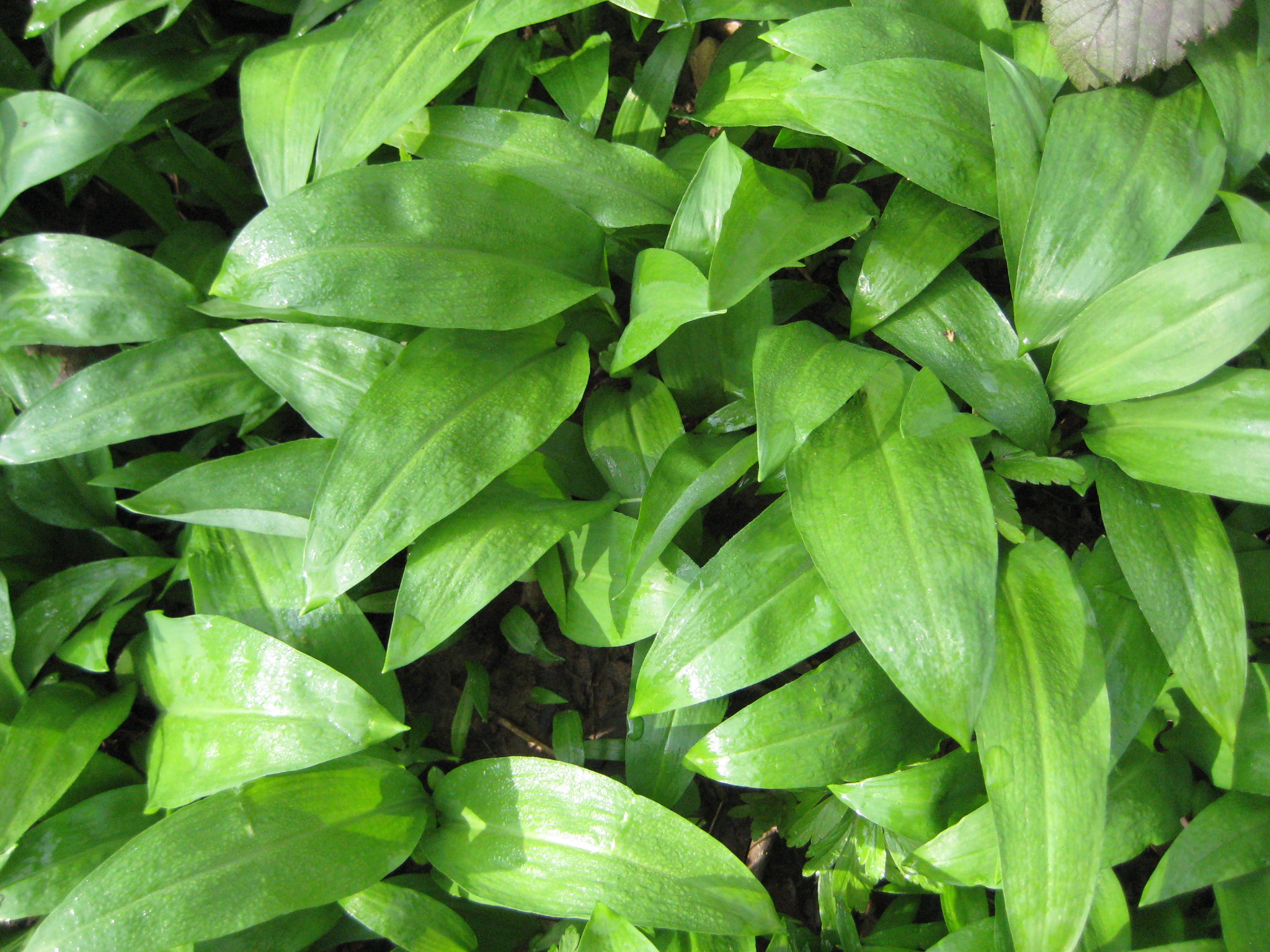
wild garlic

wild garlic


This visit has got to be amongst the best days out there. All the ingredients were right, sunny, warm, lots of birds, some satisfying jobs done. I didn’t want it to end.
Leave a comment

Rainy morning but it’s OK

The forecast was for an early bit of rain, then clearing by about 9am. Once again they got it wrong. Weather forecasters, who needs them? It was raining lightly when I arrived, I decided to don my incredibly waterproof ex-army Goretex jacket and carry on regardless. There were plenty of things I wanted to do. First job, fill the bird feeders and have a walk around. The wood anemones have come on a pace since last visit. Not quite at their fullest yet but plenty of flowers now. I was particularly pleased with the area to the N.E. where I have cut the brambles in autumn, thinned the sycamore and replanted. That area is coverd with anemomes which are clearly enjoying the extra light and moisture. This time last year, it was covered in brambles. I’ll have to try to knock them back again when they resurface in a few weeks.

Wood anemones enjoying extra light and rain.

Wood anemones enjoying extra light and rain.


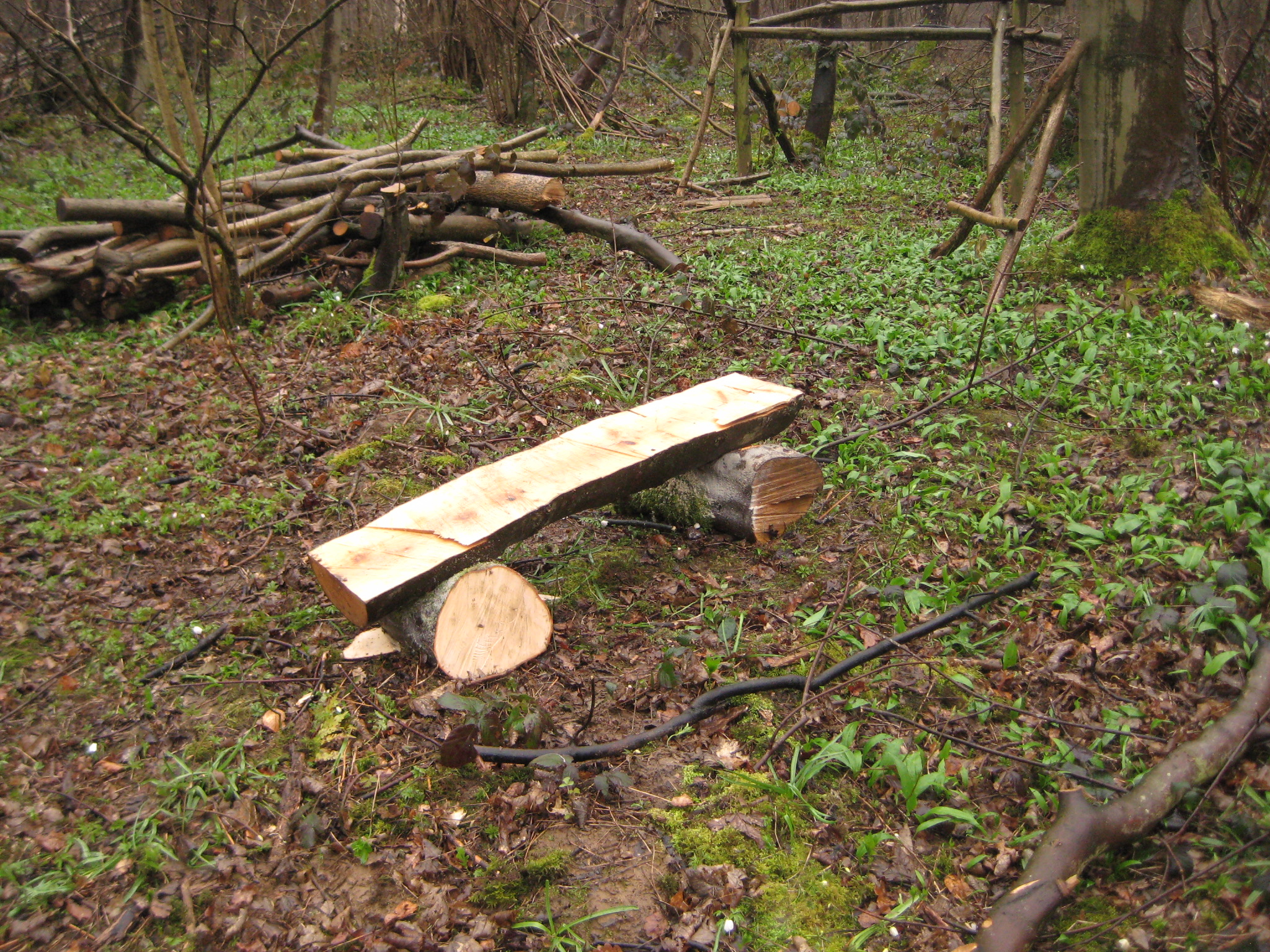
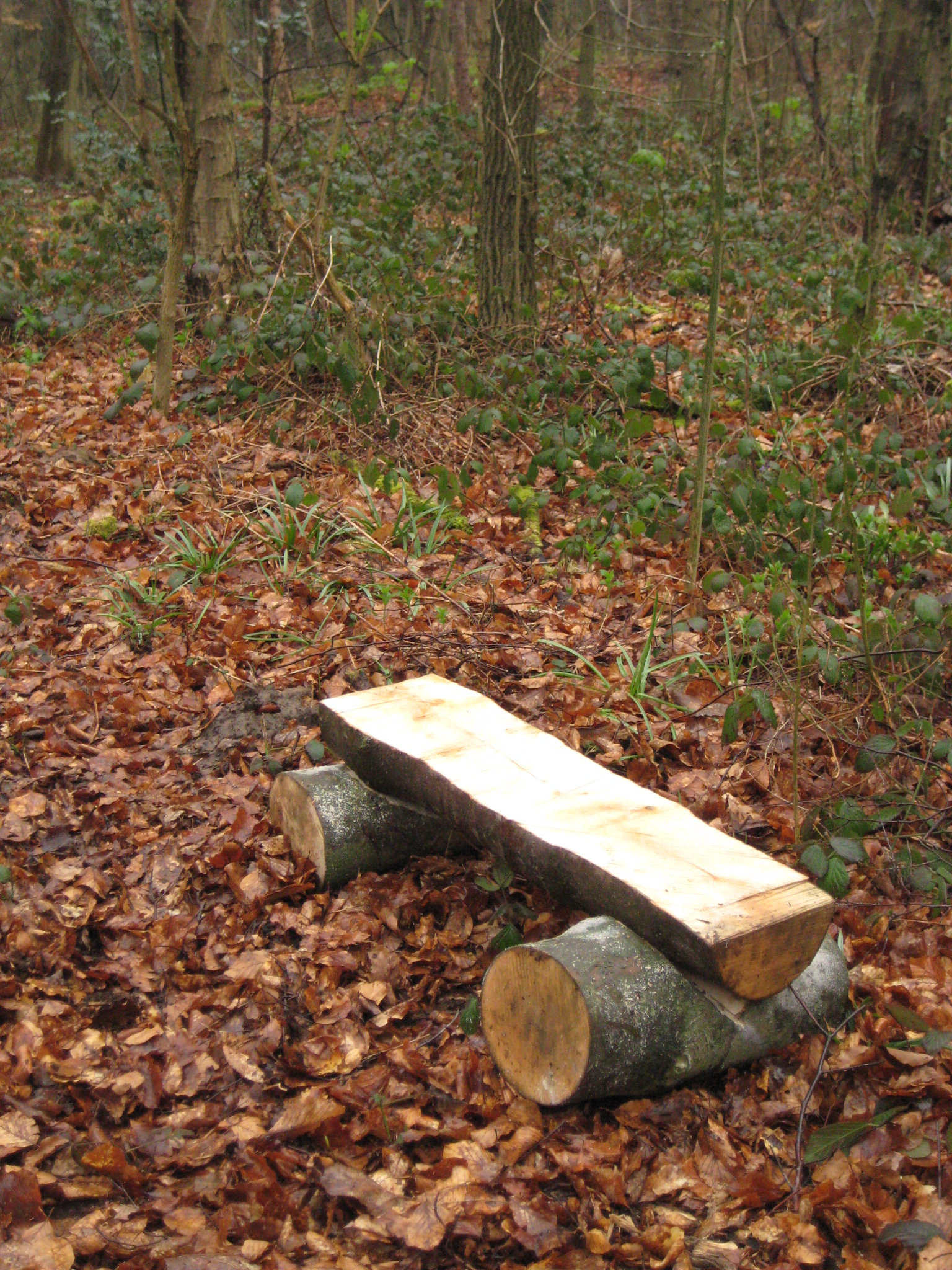
My main aim was to make four rough benches and place them in various locations. I had two wide sycamore logs and a woodland neighbour had kindly sawn them lengthwise with his huge chainsaw to make four bench tops. I needed to find eight fat, short logs to make the “legs” and cut a V-shape into them for the rounded side of the half logs to sit in. The result looks decidedley like something from the Flintsones and although they are rather low to the ground, will function as something to sit on and spend a few minutes with a mug of coffee and enjoy the different views. I’m trying to add some extra interest to the wood and these will encourage myself and visitors to stop awhile on our walks around. Here’s the first one at the N.E. corner and note the addition of a “coffee table”.
Bench in N.E. corner

Bench in N.E. corner


And here’s the second one halfway down the eastern border which is a lovely secluded area.
Bench two

Bench two


Bench three is in the S.W. corner where the hazel has been coppiced recently. Quite an open area at present and lots of small bird activity here. No prizes for design or good looks!
Bench three

Bench three


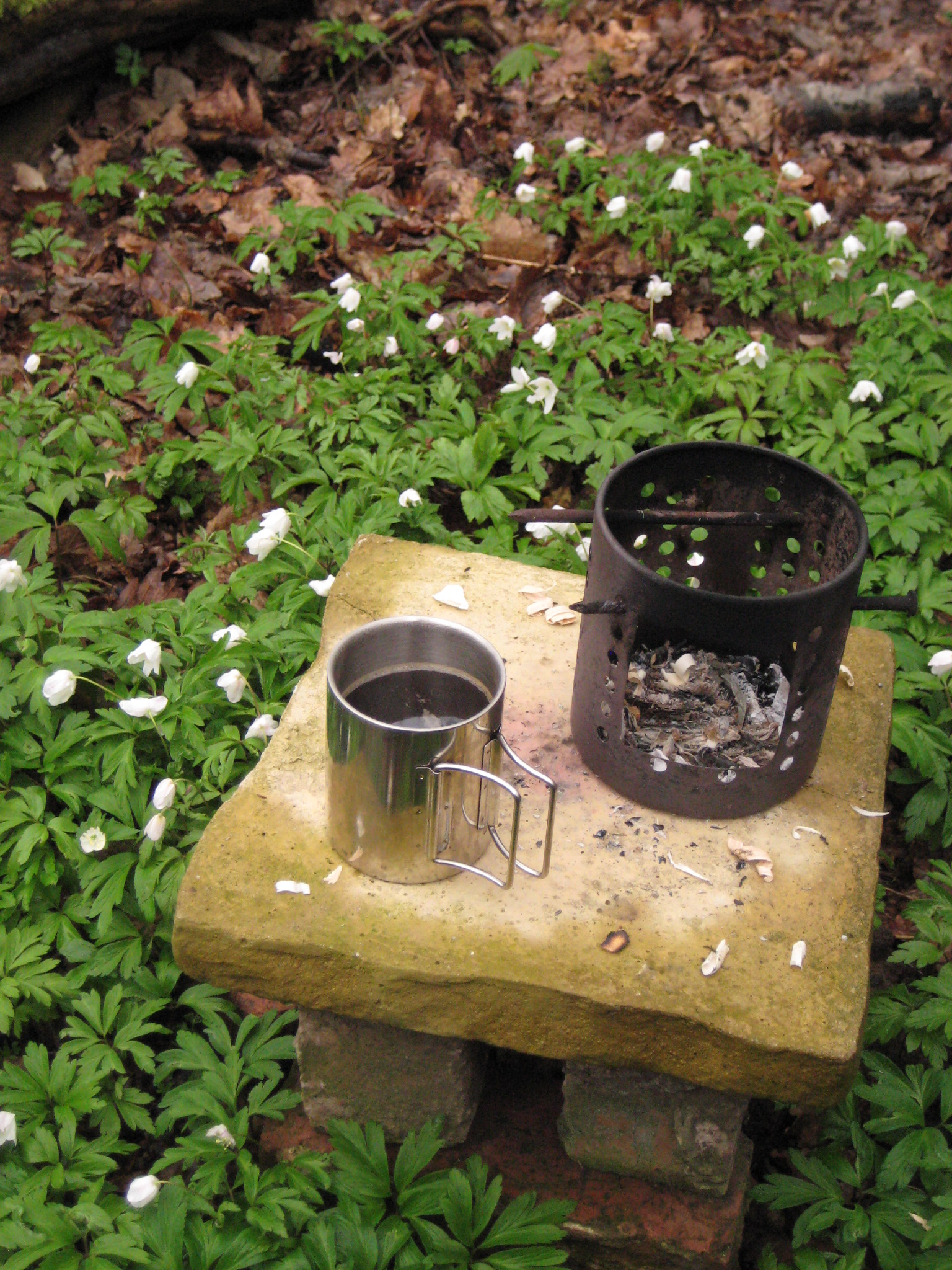
The fourth one is where I usually base activities and have a brew. No photo of the bench but here’s my brew.
Time for coffee and enjoying the wood anemones

Time for coffee and enjoying the wood anemones


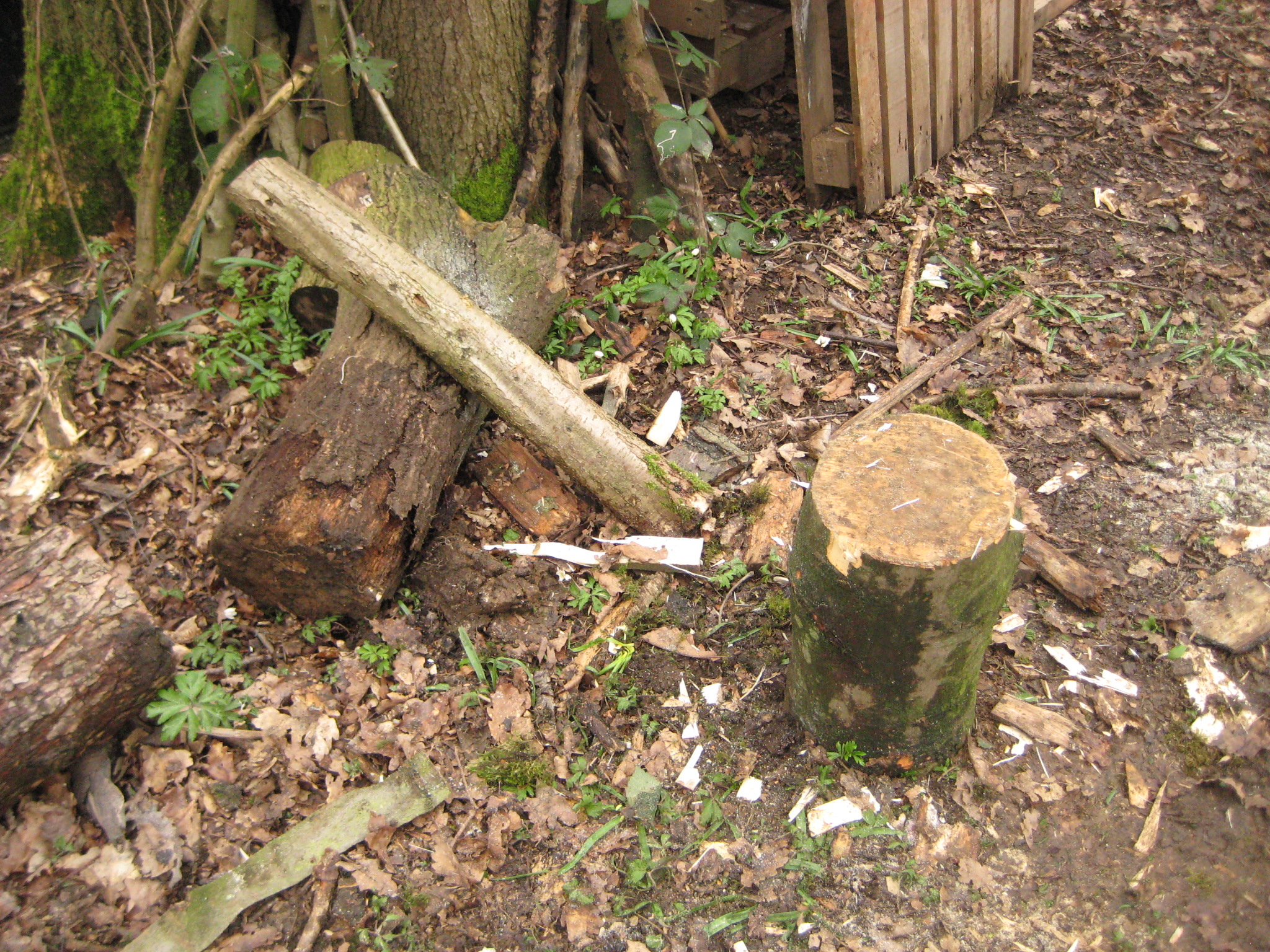
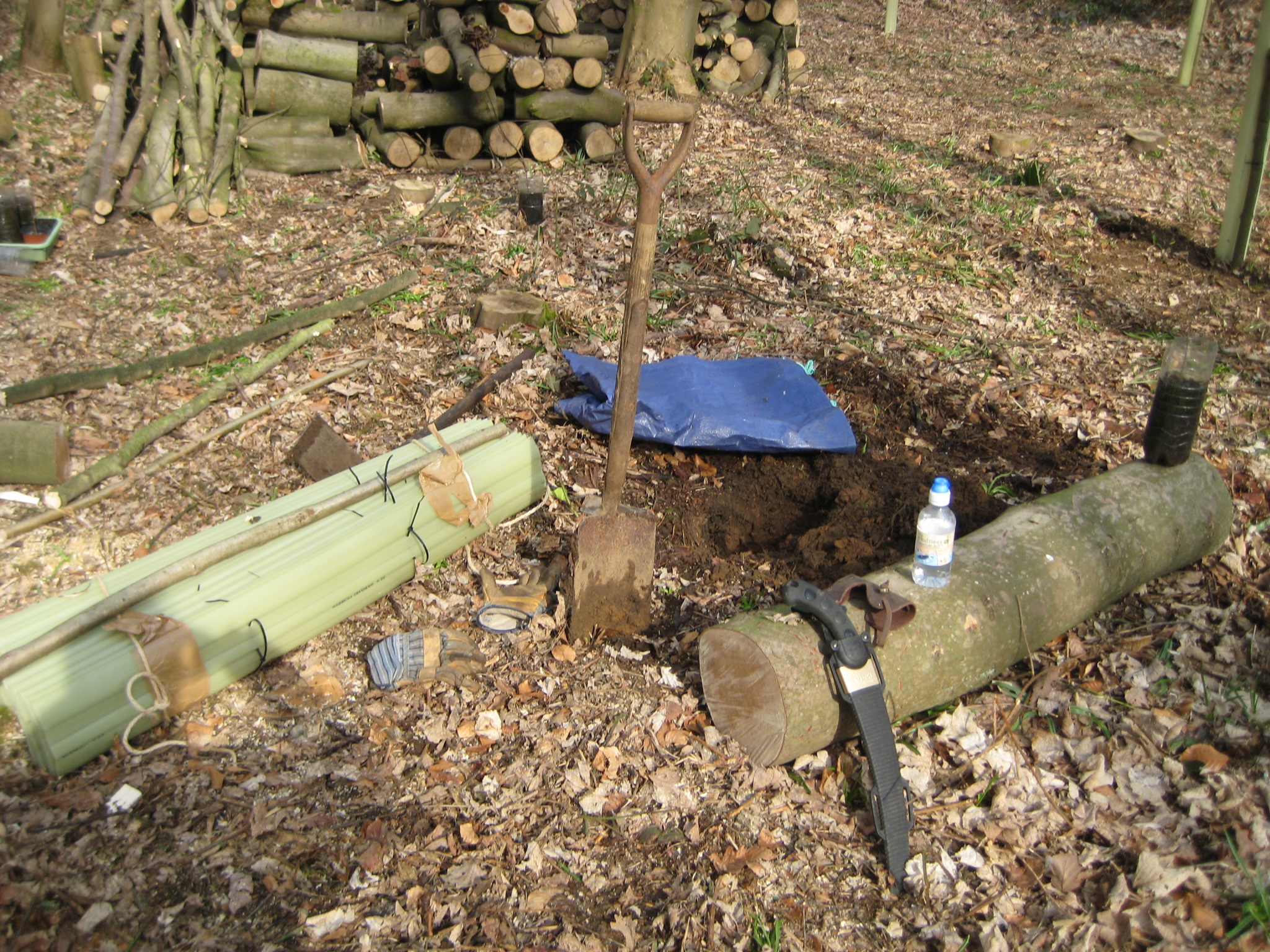
Next main job was to dig a hole and “plant” a stout log to act as a chopping block. I did have one already but it was wobbly and leaned to one side. Time to get a bit more professional and make one that functioned more efficiently. It’s strange how we sometimes plod on and put up with things that don’t work properly when a small amount of time and effort could make the whole job easier.
Chopping block for logs.

Chopping block for logs.


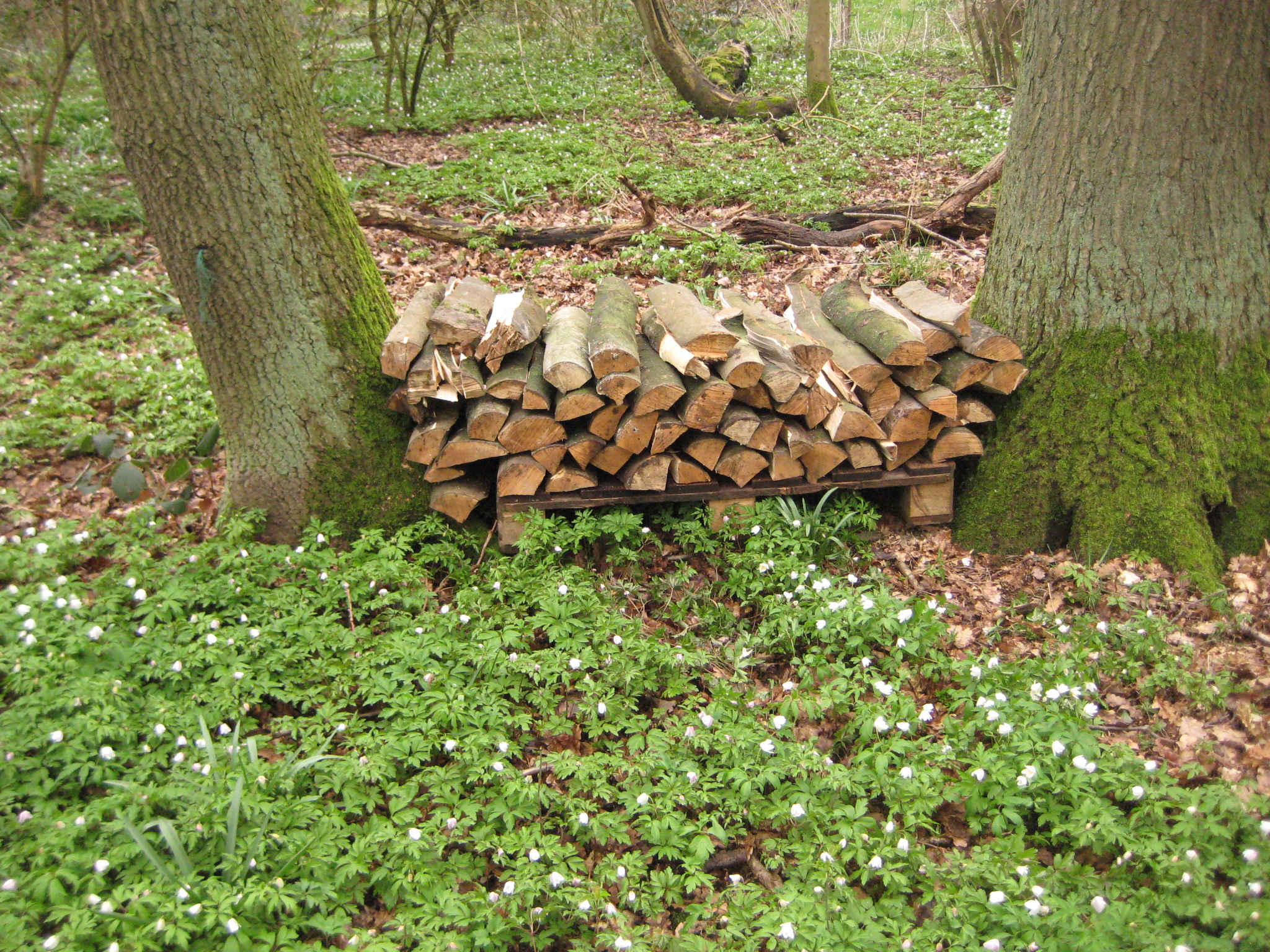
Now I could start splitting and stacking some of the many sycamore logs that were cut down in Winter. They need to be split to speed the drying/seasoning procedure over the spring and summer. My logshed is full of logs from last year for their final drying, so they have to stand outisde first. The idea is to form stacks between two trees. They act as end stops and when in leaf will keep some of the rain off. The resulting pile here doesn’t look much but it took a lot of work. Each log had to be handled and lifted a minimum of four times. 1 – load into wheelbarrow and take back to my chopping block. 2 – lift out and place on block. 3 – chop into four pieces and put back in wheelbarrow and take them to the log pile 4 – take them out and stack them. Now the obvious thing would be to have the chopping block and stack together to reduce handling but I thought the block would be most useful next to the logshed for the future. Might plant another one nearer.
logs stacked for seasoning

logs stacked for seasoning


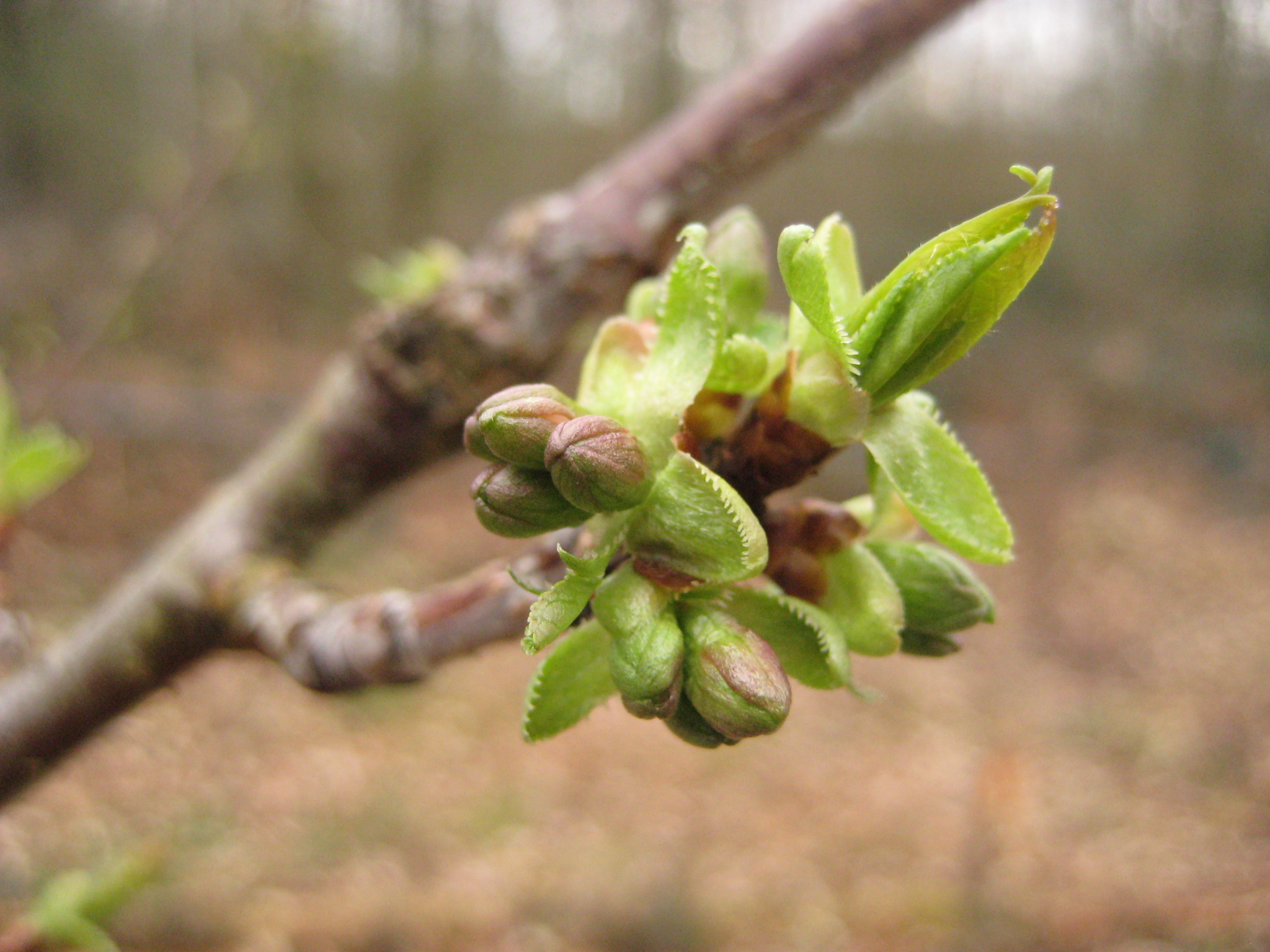
Other activities included a walk around the whole wood with my camcorder so I could compare it with how it looked two years ago; cutting some poles to bring home to make a small rustic ladder; chatting to neighbours; playing with my trail camera (some results this time) and just enjoying the peace and wildlife. Many trees are starting to open bud and I leave you with a photo of a wild cherry tree I planted last year. It was one that mum paid for, larger than the usual saplings and one I am keen for it to do well. It has lots of buds that look like they will flower. Spring is here and it’s going to get very busy at the woods now.
wild cherry buds

wild cherry buds


Leave a comment

Clearing and planting

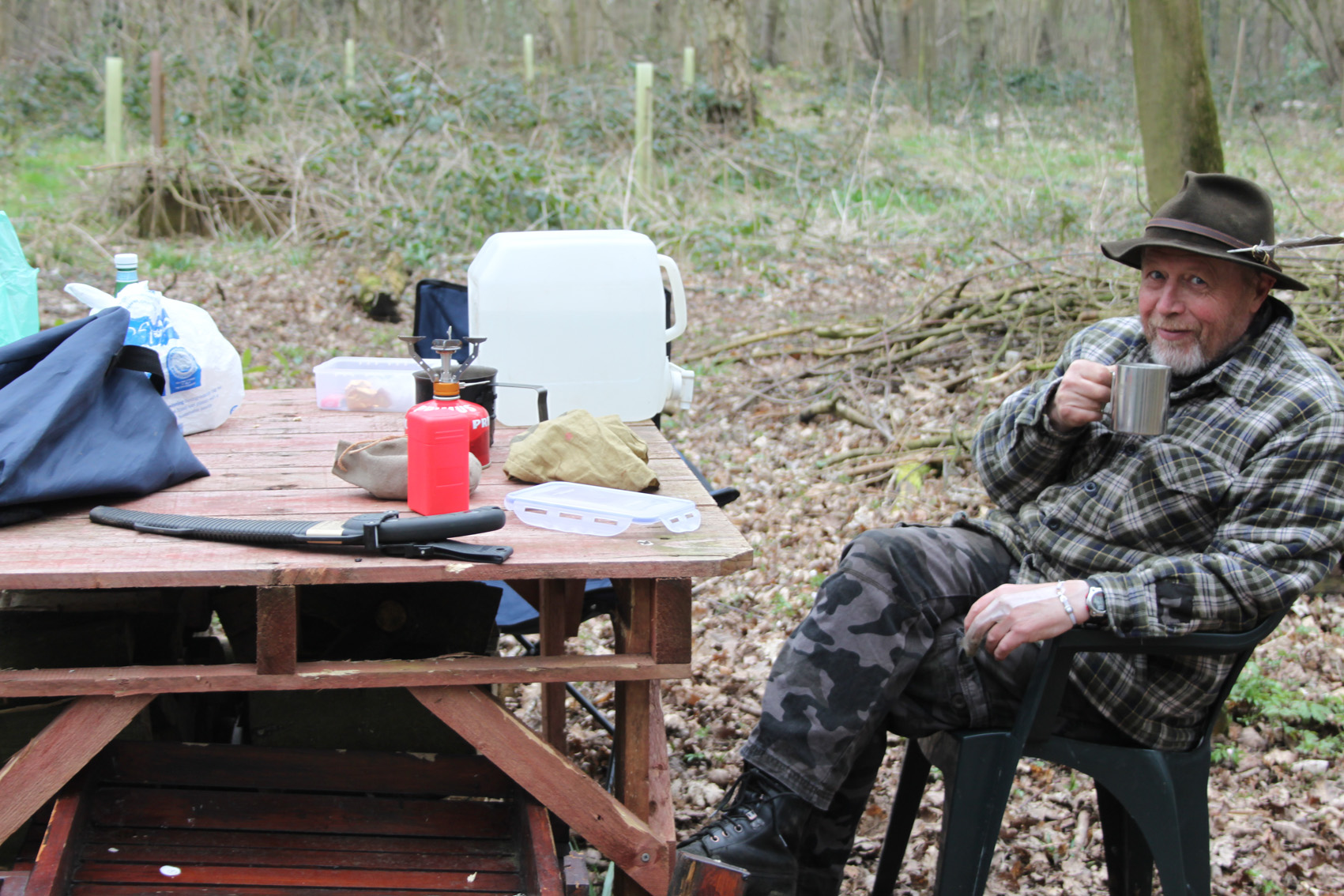
Time is moving on, spring is around the corner and I haven’t done as much as I would have liked this winter. Last visit was positive, getting the oak saplings planted but the other pressing job was at the opposite corner of the wood where I have been coppicing the old hazel. I still had half of it to clear of the brash I left lying around but I also wanted to increase the density of hazel bushes there with some new plantings. Last year I found a pot of ten young plants at my local nursery so a trip there last week proved fruitful and I bought ten more. They were in bud and ready to open before long so it was crucial to get them in ASAP. Well Saturday was looking fine and I invited my eldest daughter Zoe along. She helped me with some planting last year and has been wanting to visit again for a while. We had a really busy day ahead but started out with a leisurely stroll around the wood to show her the progress so far. Then we set-to clearing the brash. Zoe, with branch pruners tookg off the small stuff and used it to make small rings around the new coppice as a deer deterrant while I sawed up the larger stuff and used it to extend the dead hedge. It took all morning and part of the afternoon. We had a lunch break and Zoe took a few photos. This old guy, looking like a woodland gnome with a cheeky grin, looks familiar!

A cheeky lunch break

A cheeky lunch break

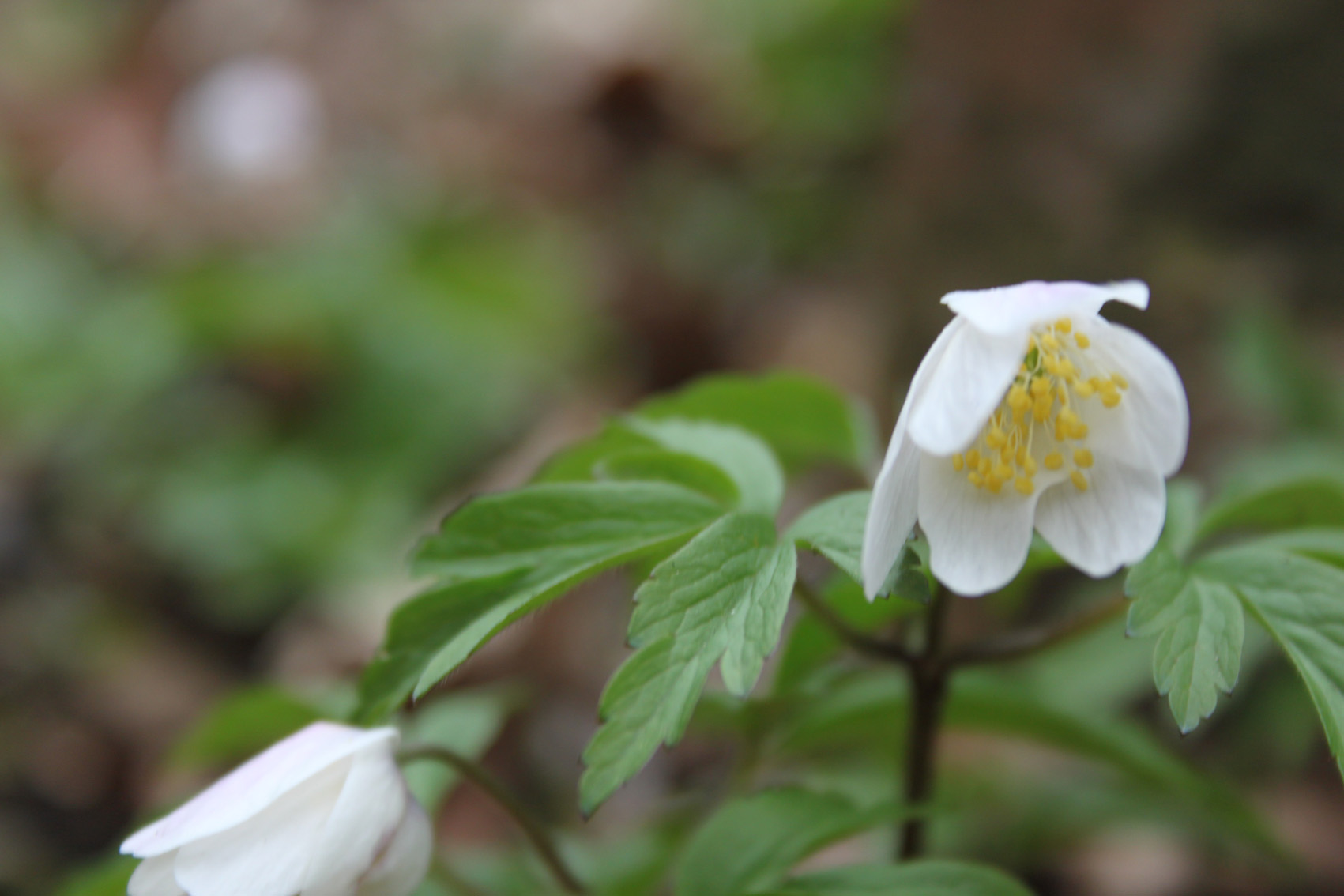
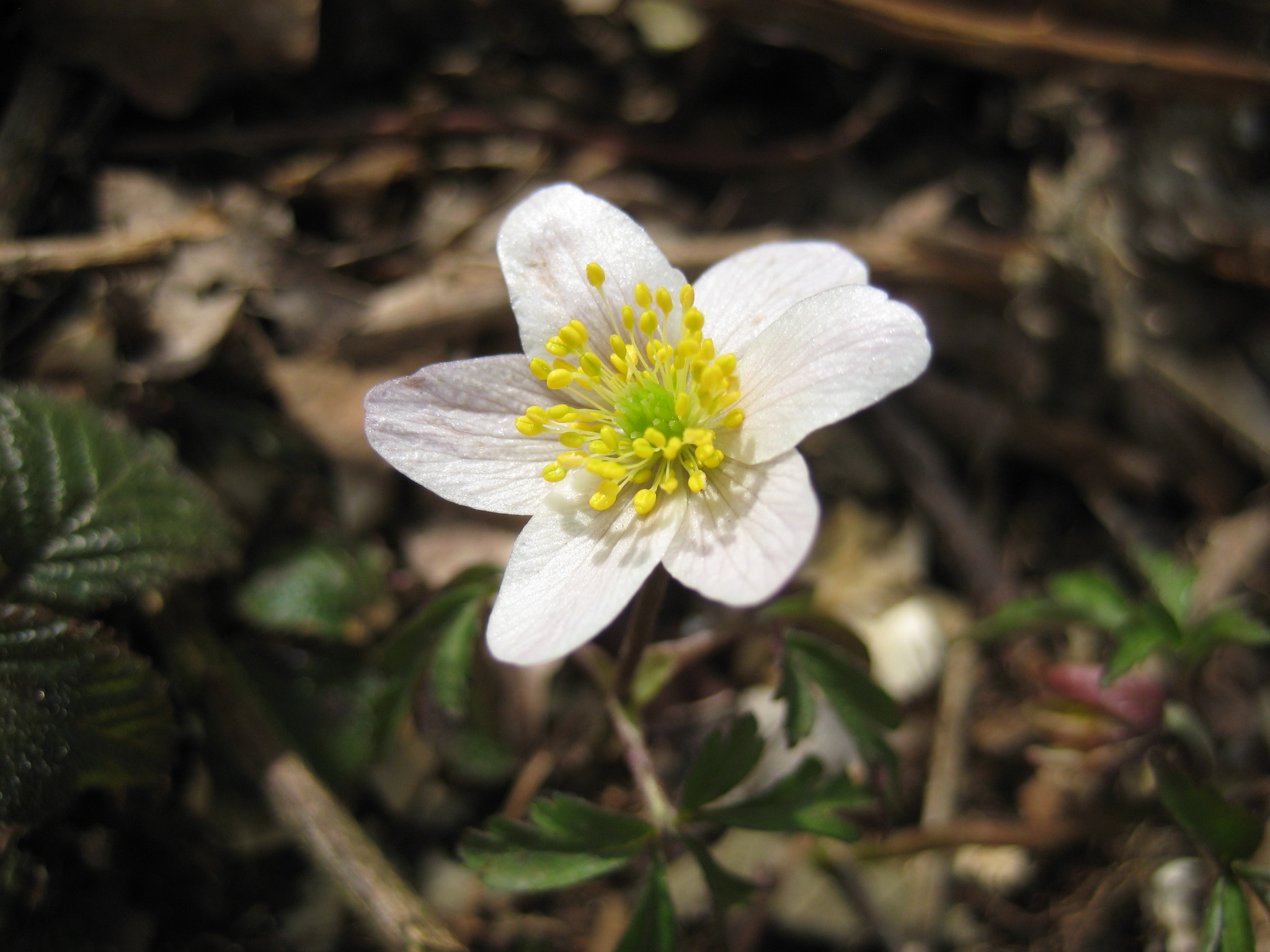
The first wood anemones are starting to open

Wood anemone just starting to open

Wood anemone just starting to open

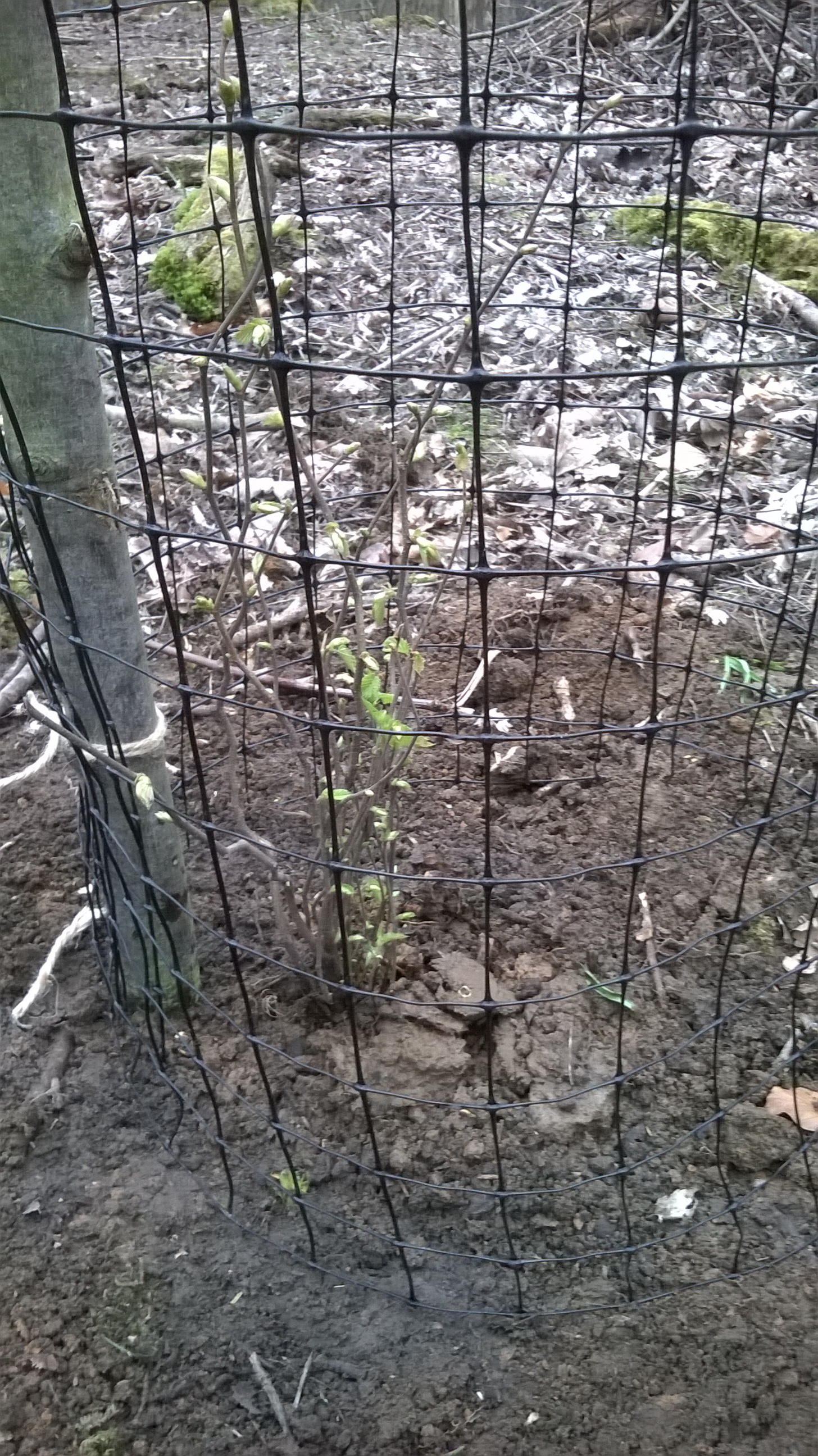
We started planting the new hazel but I ran out of the plastic tree shelters, so Zoe cut up pieces of plastic netting to wrap around them, secured with a stake. Actually they might be a better option than the green tubes. They are less obtrusive to the eye, let in more light and fresh air and won’t get bunged up with leaves. The tube ones do act like mini greenhouses though and might encourage faster, though weaker, growth. Interesting to see how they compare in a few years.

Netting tree guards cut off a roll.

Netting tree guards cut off a roll.

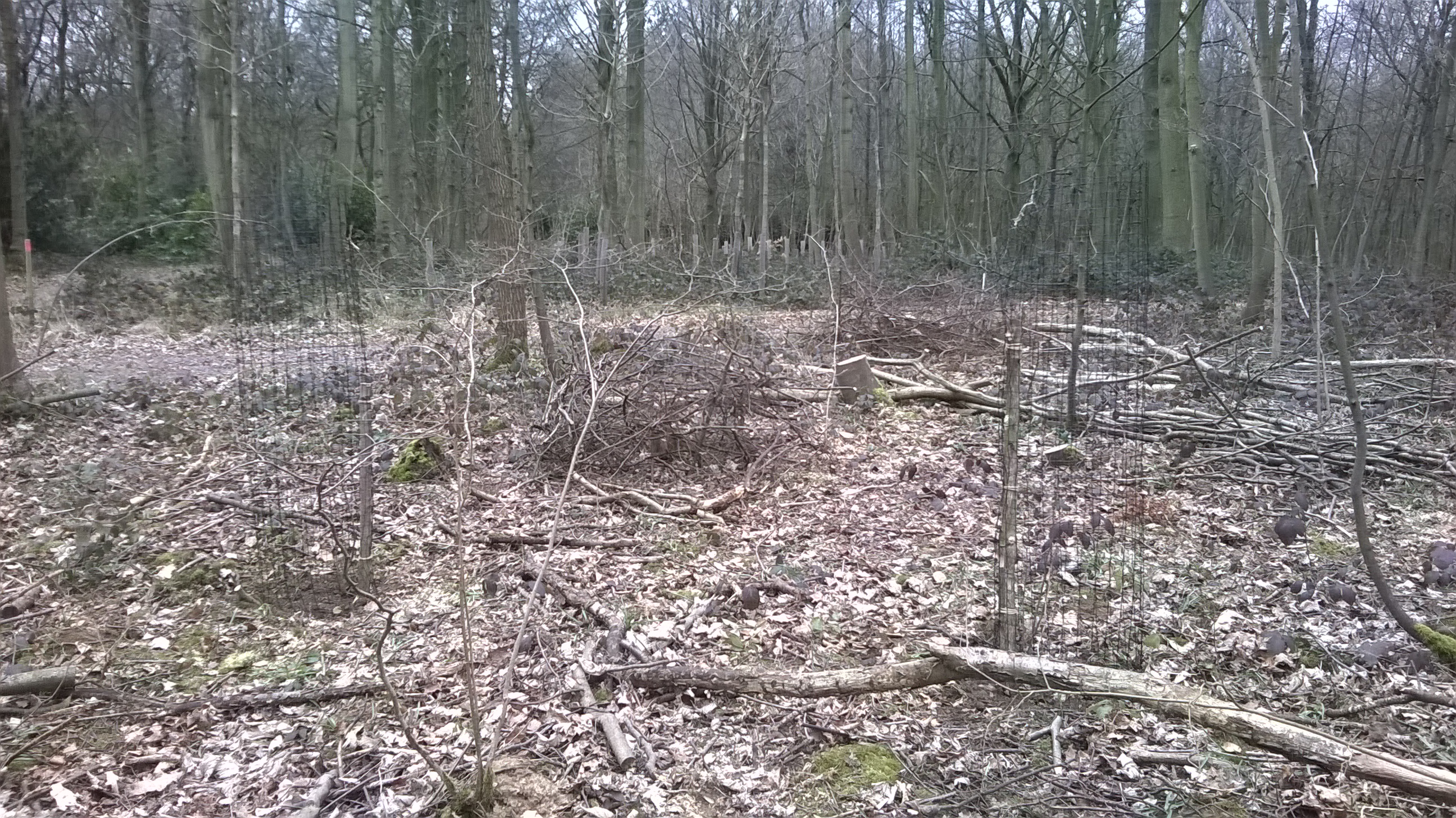
The afternoon was pretty hard graft for the both of us and I couldn’t have got it all done without my hardworking assistant, so a big thanks to her. I really wanted to get those plants in before we left and we did it. That corner is looking very good now, mostly clear of brash with just a few large branches to cut up and remove. The new plants have nicely filled a lot of the spaces between the old cut-back hazel stools, giving me a fairly dense area of about thirty trees in total, spaced roughly two metres apart. I can’t wait to see how it’s going to look in a few years time when they all start to fill out. It will be transformed. I’ll take some more photos next time.

Part of the newly planted hazel coupe

Part of the newly planted hazel coupe


Leave a comment

What Robin said!

Just a quick update. A few people have asked about what Robin from the Woodland Trust said on his visit. Well I didn’t include it in my post as it was a bunch of small specific issues that I didn’t think would be of sufficient interest for my readers. But I know some folks are just curious and it is a little bit frustrating for them not to know. Like dangling a carrot then pulling it away. So this is the gist of it. Firstly I wanted him to be able to see the progress I’d made based on his initial advice a year ago. He was pleased with my efforts, it’s not easy for one man on his own to make big steps forward and actually, from the start, his advice was do do things gradually. To make sweeping changes in a short time can be damaging to other things – eg removing too much canopy cover can destroy the delicate balance of light and shade that mosses, lichens and fungi might need.

We had a good walk about looking at certain areas. I showed him a few interesting things I had found, like a weird white fungi growing on a dead stump. As we explored I would ask if I should cut this or that tree down, how I might get a certain tree down without it getting hung up, what I should replant with, etc. He pointed out a small area where there were several hazel trees that had could be re-coppiced and benefit from a little sycamore thinning. I hadn’t noticed that one. It was just a general catch-up session and helpful for me to know I was not making any poor decisions or unfavourable changes to my woods.

I’m planning to go again tommorrow. I bought about 10 bare-rooted hazel saplings, so they need to go in as soon as possible. I’ll put some in the area I’ve just coppiced to fill in a few gaps and increase stock density and maybe a few down amongst the new oaks to add more diversity.


Leave a comment

Planting my baby oak trees

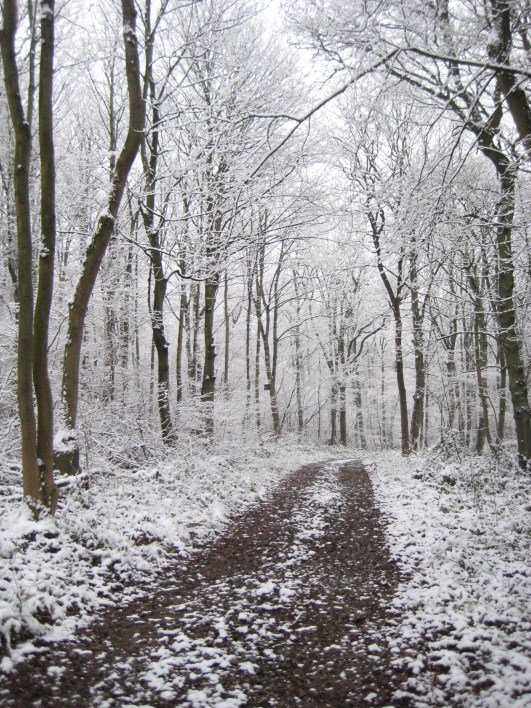
I collected some acorns from my local woods just over two years ago and planted them in pots. I have about twenty baby oak saplings now and was keen to get them in soon as spring is almost here. Having completed the sycamore thinning in the N.E. corner and tidied up last visit, I was keen to get there this weekend. The weather was fantastic, mild, dry and bright. I spotted the first few wood anemone flowers. As yet the vast army of them are still just emerging and will cover huge areas soon but for now there are just one or two to brighten the day.
First wood anemone

First wood anemone

First job was to find enough suitable supporting stakes from the hazel and sycamore branches I had previously cut down and point them up. Using these I loosely stuck them where I thought the trees could go, roughly two metres apart aiming for a random pattern. Some I put a little closer to try to emulate a more natural look.

Work in progress

Work in progress


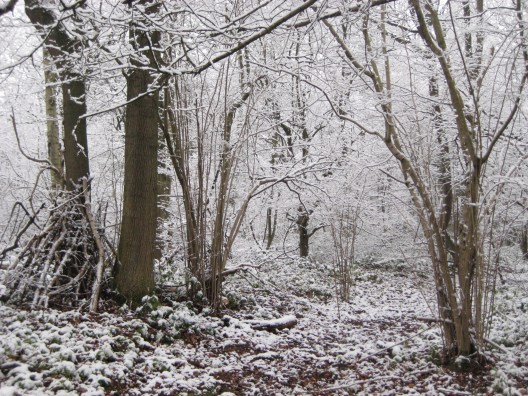
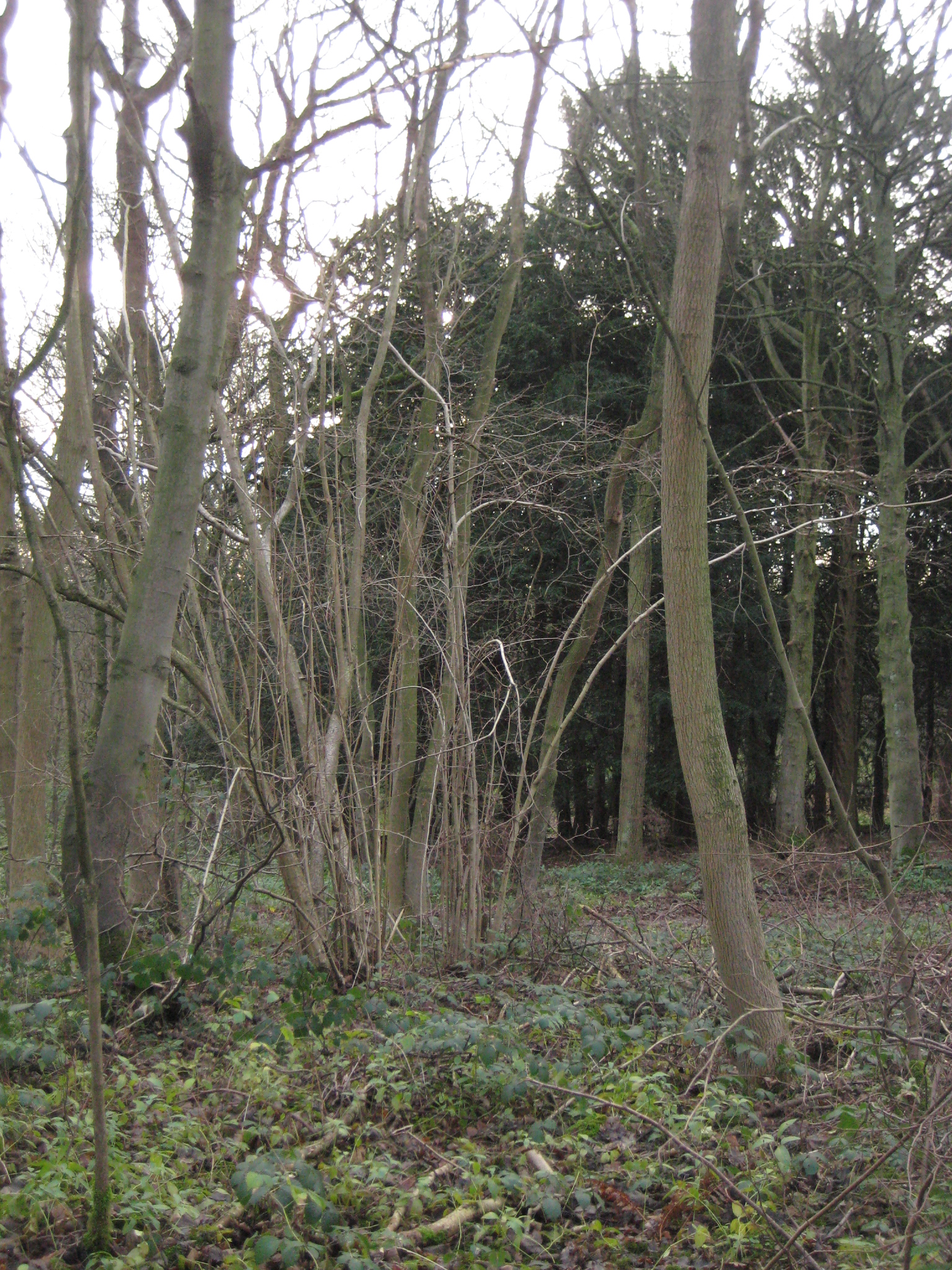
I cleared a small area of weeds around each spot, dug a small hole, planted the tree then banged in the stake to hold up the plastic tree shelter. These are important to protect the baby trees from deer, rabbits and voles which could easily destroy them in seconds. They also act as mini greenhouses and encourage more rapid growth. The down side is that leaves and debri tend to drop down into them. Once the trees emerge and make some decent height they will be removed but I guess that’s going to be at least 5 years. It was pretty hard work and took up the majority of my day but I cam away very satisfied. Here’s the before and after photos.
before
and after

and after


I had another go at filming the birds on the feeders with my new trail camera. Sorry to say it was another failure. I placed it further away this time so it would be in focus. Checked I had set it to video and got a short piece of me walking around the feeder so was confident I had it right. I left it all day, moving it to another spot at one point but there was virtually nothing recorded. Don’t know what I’m doing wrong yet, need to play with it some more.
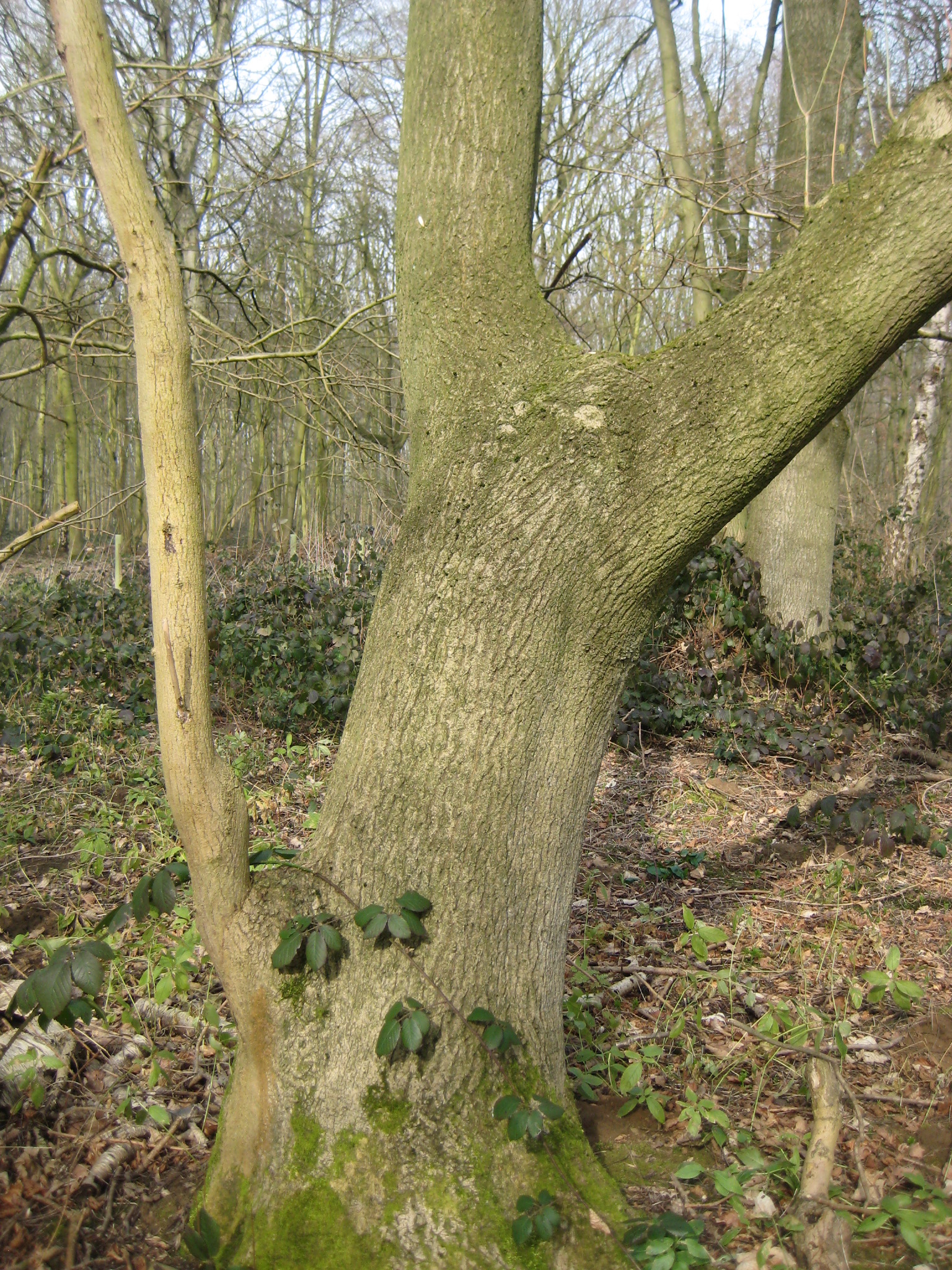
During my lunch break I had a wander around and came across this lovely old ash tree that has forked and has a very rounded cruck where they meet. The boy came out in me and I found myself wanting to climb it and sit in it and enjoy the higher viewpoint. It’s only about six or seven feet up but I needed to place some long logs against it to act as a ladder.
Forked ash tree

Forked ash tree


It felt really good to be sat in it and I decided at some point I’ll make short rustic ladder so it can be accessed easily and make it a bit of a feature. I can imagine me sitting there with a mug of coffee, laying back on the sloping trunk and taking in the peace and tranquility. Even at that short height, the views of the wood open up a little more. Owning a woodland isn’t just about work. Somebody advised me at the beginning to make sure I took time out just to enjoy it. I can endorse that.


Leave a comment

Tidying up and reviewing progress

Yesterday morning was a beautiful cold sunny one, ideal for a day in my woods. I’d arranged to meet Robin (apt name) from the Woodland Trust for a review of the work I’ve done and moving forward with my plans. The WT have a project to help small woodland owners to restore their ancient woodland and have given lots of free advice on looking after it and improving it. Robin made a management plan for me shortly after I took ownership and I thought it would be good for a re-visit to see how I am progressing and ask a few questions on future plans. We agreed to meet around 11am so I had a couple of hours to do some jobs, have a brew and a walkabout.

IMG_6053

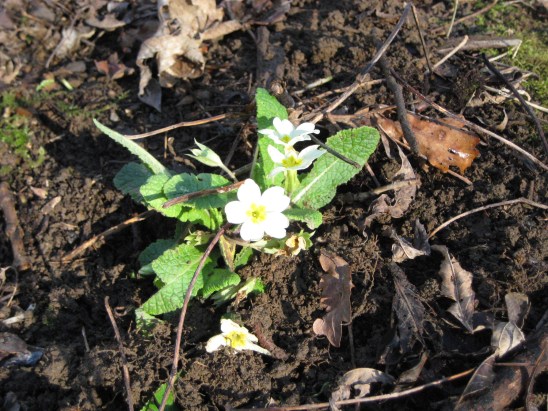
I had several aims. Plant up some wild primroses and wood sorrel I had acquired, erect a new bird nest box I made from a sycamore log and try out my new trail camera. The main task was to clear up the brash I had left lying about after my last thinning session, ready for some new planting very soon. Primroses already grow here and there but in small numbers. I want to increase the variety and quantities of ground cover to make it a more interesting wood. I had about 6 plants so found suitable spots scattered around the wood to place them in. Hopefully they will multiply in future. I have not found any wood sorrel in my wood and would like a patch or two. It is an interesting culinary plant. It contains oxalic acid and when you chew it, it tastes like cooking apples.

I fixed my trailcam on a tree pointing at a bird feeder to leave it while I worked. This was my first time using it and meant as an experiment and learning curve. I brought it home again to review my results. Disappointing. I must have set it to take stills (could have sworn I selected video) and also I had it too close to the subject which is slightly blurred. Mostly the birds chose to use the feeder hole on the other side so are obscured from the camera. So a few lessons learned, will do better next time.

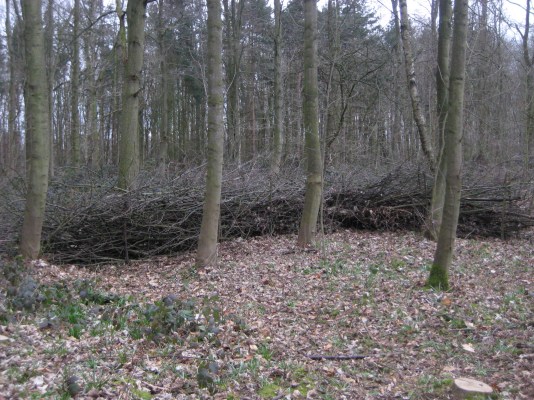
I set to and started clearing the huge piles of brash I left when I ran out of time last visit. I used it to extend the nearby dead-hedge I made a while ago. I have to say these hedges are doing their job for the small birds. There is always a robin or wren bobbing about in them. The job entailed first sawing off the banches into manageable sizes, dragging them across to the hedge and placing them between the line of retaining posts. That alone wouldn’t make a dense hedge, so the technique I have used is then to ram more branches, thick end first, between the gaps in the other ones. It’s surprising how many branches you can cram into a small space as they compress down. It’s also very hard physical work but quite satisfying. This is how it’s looking now, the extended part is on the left. The hedge forms a small barrier around the NE corner between my wood and the track.

IMG_6058.JPG

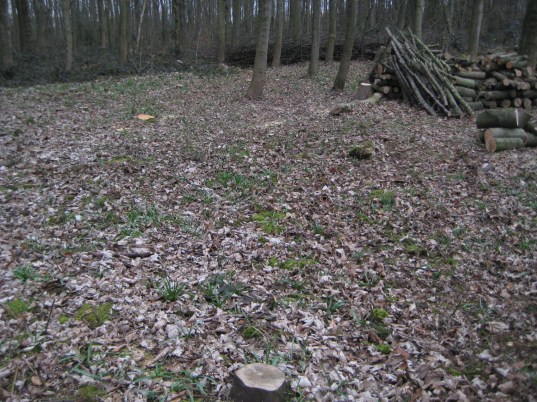
There are still a few thin tree trunks lying around that need to be cut up into logs but the whole area is looking quite tidy and ready for some new planting. The log pile has grown considerably too and will need splitting and restacking to dry out and season. That’s a job for spring, which is not far away now.

IMG_6057

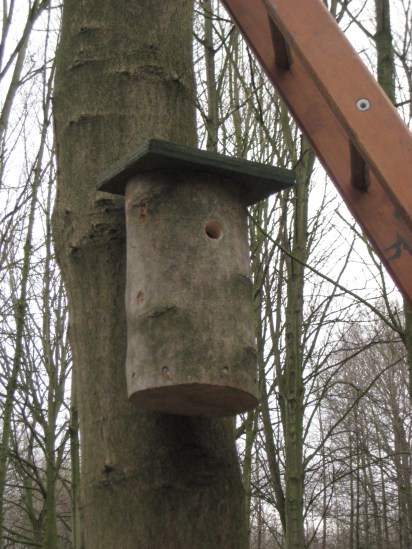
I made another bird nest box from a sycamore log. It’s an easy method if you can get the log to split where you want it and it fits in with the woodland in a natural looking way. Basically you take a freshy cut log about one foot long and 8 inches diameter. You split it lengthwise four times to create four sides and a square section left over from the middle. You then saw a piece off the bottom of the square about 2 inches thick. If you were successful in getting the side pieces to split think enough, you can then put them back together along with the bottom slice and nail it up, re-creating your log but with a hollow square section inside. Drill an entrance hole in the front and a screw hole in the back for mounting and some drainage holes in the bottom. I cut the top with a slope and made a roof from some exterior plywood and Bob’s your uncle, a nest box. Allow it to dry out a little before putting it up. It might be a bit late in the season now for birds to adopt it but we’ll see.

IMG_6054

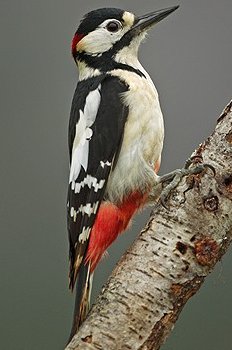
During my lunch break I sat where the bird feeders are and noticed a lot of activity. Earlier I had seen two buzzards overhead. I was rewarded with a new sighting – a greater spotted woodpecker. I had my binocs so got a good look as it worked it’s way up a tree, pecking at insects. The black and white plummage with a crimson red rump is absolutley stunning to see. Here’s a stock photo of one, I couldn’t get close enough to photograph it myself but who knows, in the future I might catch one with the trail cam. Until then – over and out.

great-spotted-male


Leave a comment

Sunny winter’s day and some tree felling

It’s been three weeks since the last visit. We had a holiday abroad for some winter sun and came back with the nastiest chesty cough and flu-like symptoms I’ve had for many years. My energy levels are just coming back and yesterday the weather was looking great for a visit. I desperately wanted to finish the felling of the sycamore in the N.E. corner where I am going to replant with oak saplings. First job though, was to finish preparing the Little Owl nest box I erected a few months ago. It needed a ring of tippex painting around the hole (I think this is so you can see if birds are using it withoug opening the box – they will wear it away quickly). Also it needed a layer of wood shavings placing inside. I was wondering if squirrels might have used it. No sign of them but there were numerous small bird droppings on the floor. Something small has been sheltering in it at night. I wonder what?

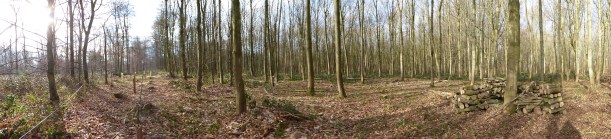
I have a new camera which has the facility to take panoramic shots. I took some on holiday and I love this feature so was keen to take some in the woods. This picture is taken from the NE corner where I have been doing the felling and shows the border with my next door’s plot on the left and pans right to show the area being thinned and the log pile from it.

002.JPG

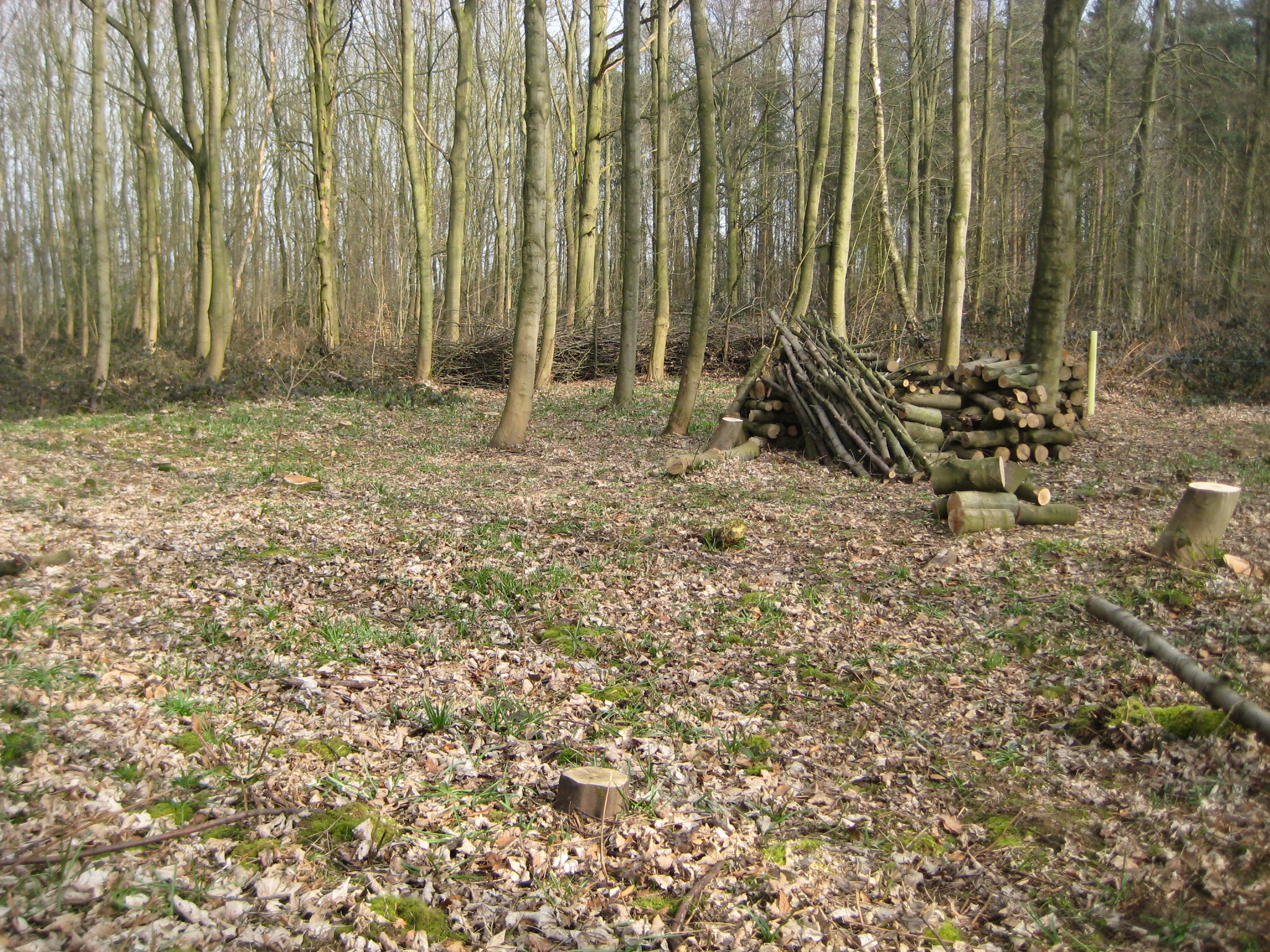
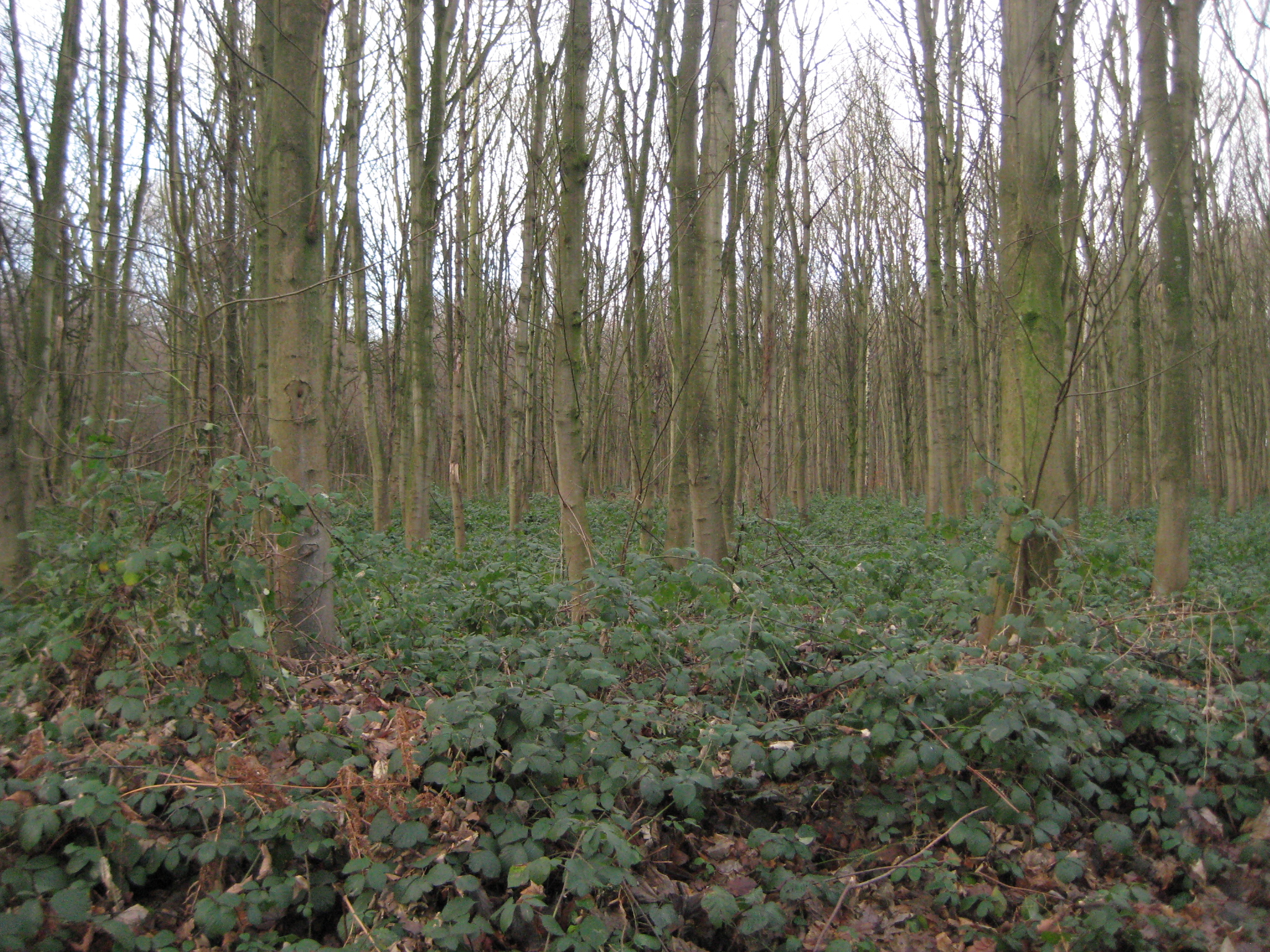
So to explain the reason for this work – why cut down healthy trees to plant some more? What you can see is a plantation of several hundreds of tall thin sycamore trees about 40-50 years old. This takes up approx 2/5ths of my woodland and is fairly boring. The dense canopy of sycamore excludes most of the light from the floor and so little else grows beneath it in the way of understory (small trees and shrubs) or ground cover plants (except bramble and moss and a few ferns). It was planted as a timber crop but has been neglected. Many of the trees are of bad form – stunted, forked, squirrel damaged etc and will never make good timber. So my aim is to gradually thin out the poor trees which will give the better ones more light and nutrition and so improve their growth rate. Then introduce some different species to add diversity and interest. So I picked this corner to start with. It already receives a lot of light from the east (left of the picture) which is thinly stocked, so I can take advantage of that by cutting into the edge of my plantation to open up a small coupe to be replanted. I have some oak saplings I grew from acorns two years ago and a few other assorted ones. They will need the extra light I have provided by felling and the ground cover plants should start to recover, having cut back the dense bramble. It will be interesting to see what colonises it this summer.

There was one large tree to fell that I have been holding back on. I was a bit scared of doing it on my own. I’m still a novice with the chainsaw and  I was going to ask someone to help me with it. Well I can’t wait much longer so I bit the bullet and cut it down on myself. It was always going to have to fall part way into the plot next door but there was a slot where no trees are growing, just bramble so I little damage likely if I could hit it. I’ve already successfully felled smaller ones into that area and the plan was for this one to go there too. The weight distribution of the tree was hard to assess as it had a forked trunk about half way up. I made my cuts where I thought they needed to be and it came down perfectly. Wow what a rush you get when that happens. There were three other trees to fell and only one got hung up in another tree. Not bad three out of four!

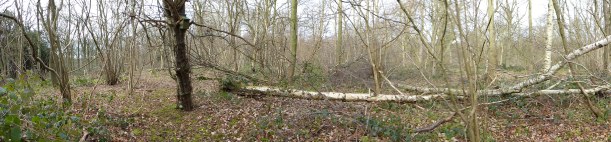
This is another panorama shot from the lower end of the sycamore plantation looking back up to the felled area at the very far end where you can see a V shaped gap in the tree-line.

006.JPG

The weather was fantastic, sunny and hardly a whisper of a breeze. I sat on my newly felled tree trunk to eat my lunch.  A pair of robins appeared, one perched on a twig where the sunlight hitting it’s red breast made it appear to be on fire! What a fantastic sight. They were exploring my new brash hedge, hopefully looking for a nesting place. Nice to see my work being utilised by the wildlife. For a while I was literally in heaven. What could be more perfect than that moment, sitting in my woods on the tree I had conquered my fear with, watching the wildlife with the sun on me. Man, I wish you could bottle that.

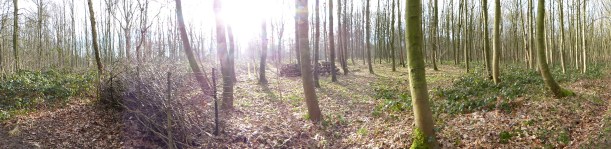
So the rest of my time was mostly spent cutting up the trees and stacking the logs. Still a fair bit of tidying to do, then start planting. A walk with my new camera resulted in some more nice panoramic shots which I’ll leave you with.

011

001


Leave a comment

Dealing with brash

Bluebell leaves poking through

Bluebell leaves poking through

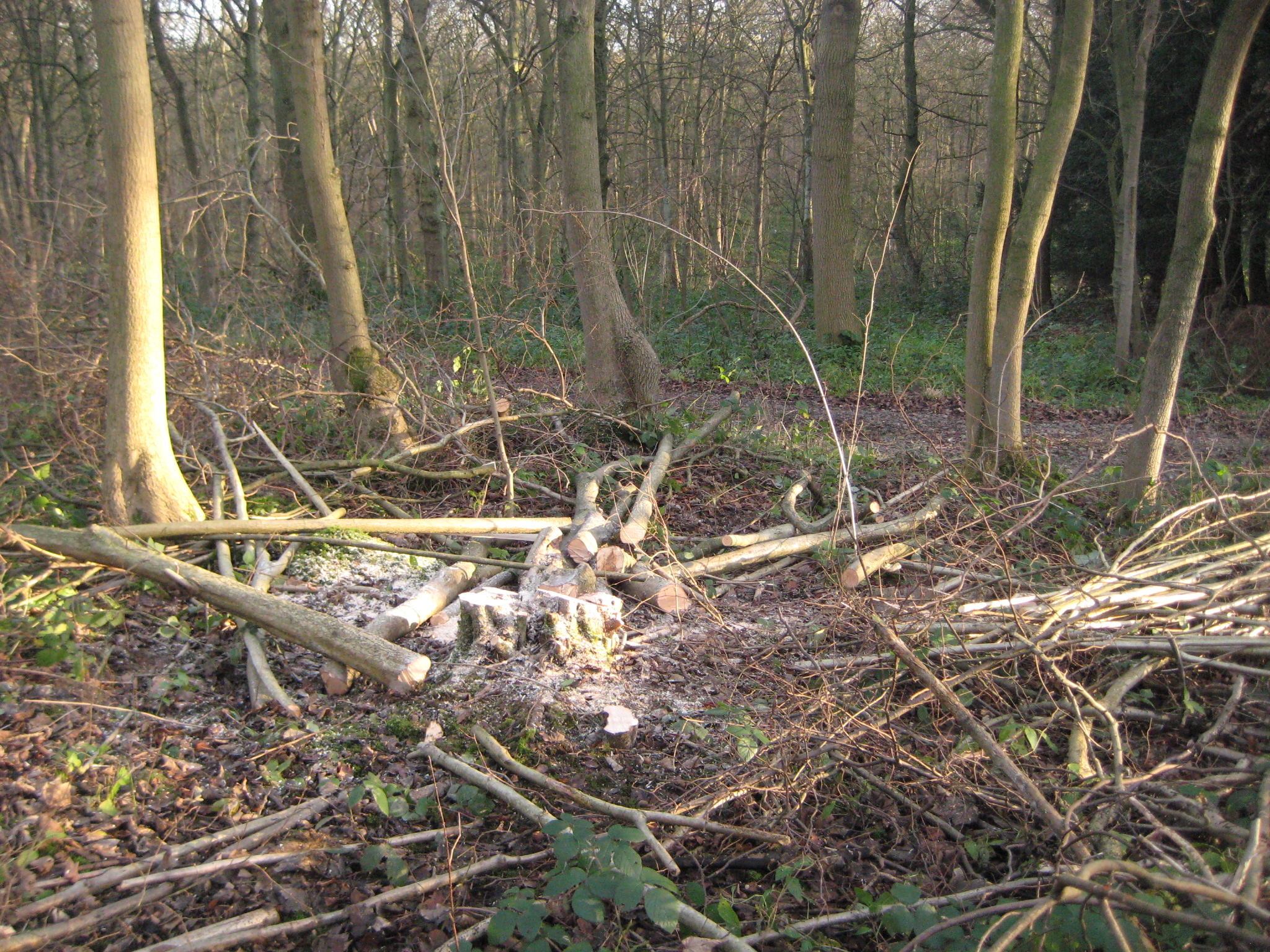
It’s been a poor winter so far for visits to the woods due to all the storms. So I’m behind in my plans for coppicing and thinning and was raring to get in there and do some work. Yesterday was the tail-end of storm Henry but the forecast looked mainly dry so I headed off nice and early. The tall plantation trees were clapping about in the wind which is a bit unnerving. Early signs of spring are all around and the bluebells are poking through nicely. I decided to try to finish off the thinning necessary in the S.W. corner for the newly coppiced hazel and clear up some of the big piles of brash I had left. There were three small sycamore and one ash tree to fell. I am pleased to say all four fell where I wanted them to with little damage to other nearby trees. This small coppiced area looked like a bomb site with logs and branches strewn everywhere so what to do with it?

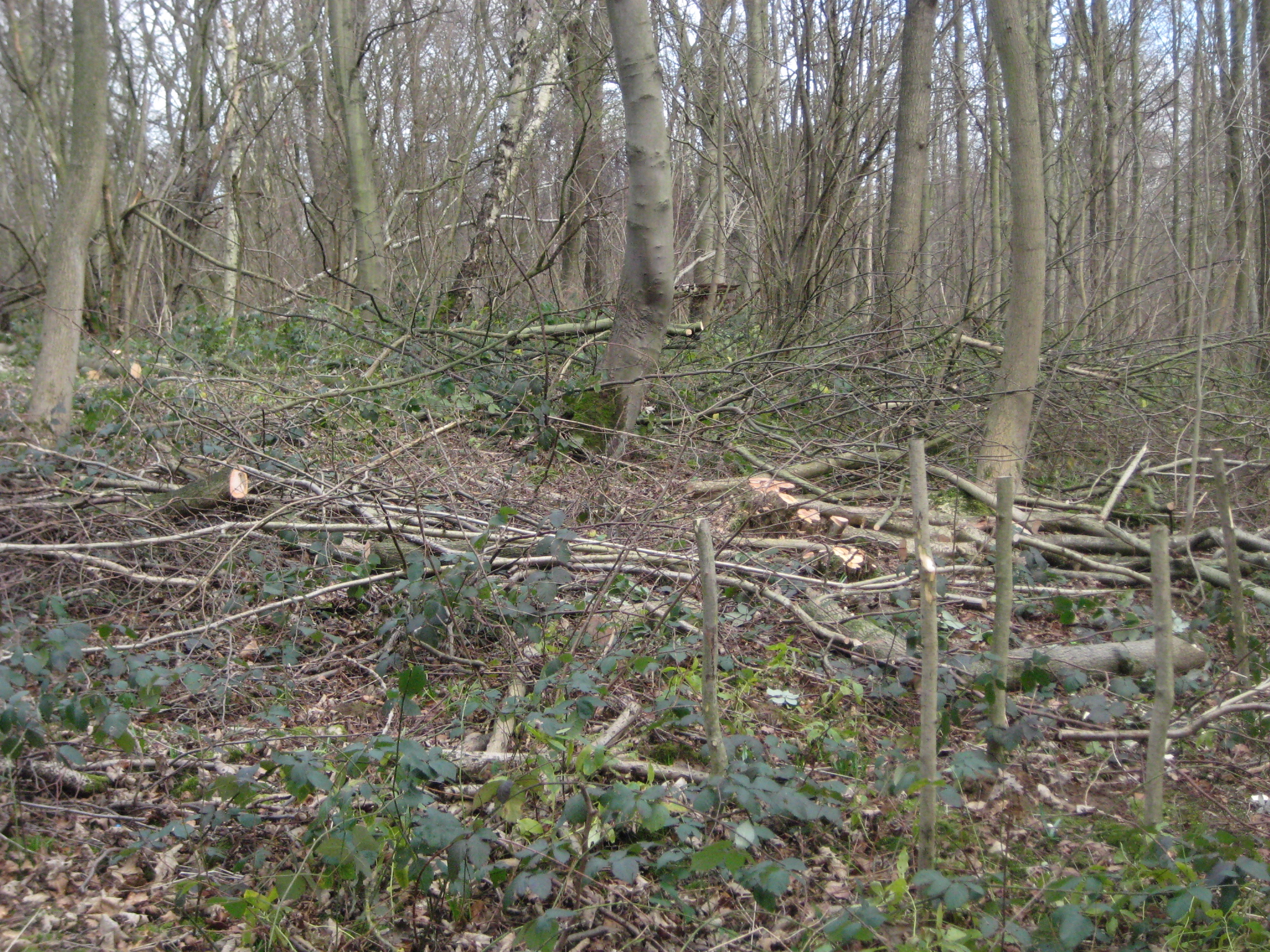
Brash remaining from coppicing and thinning

Brash remaining from coppicing and thinning

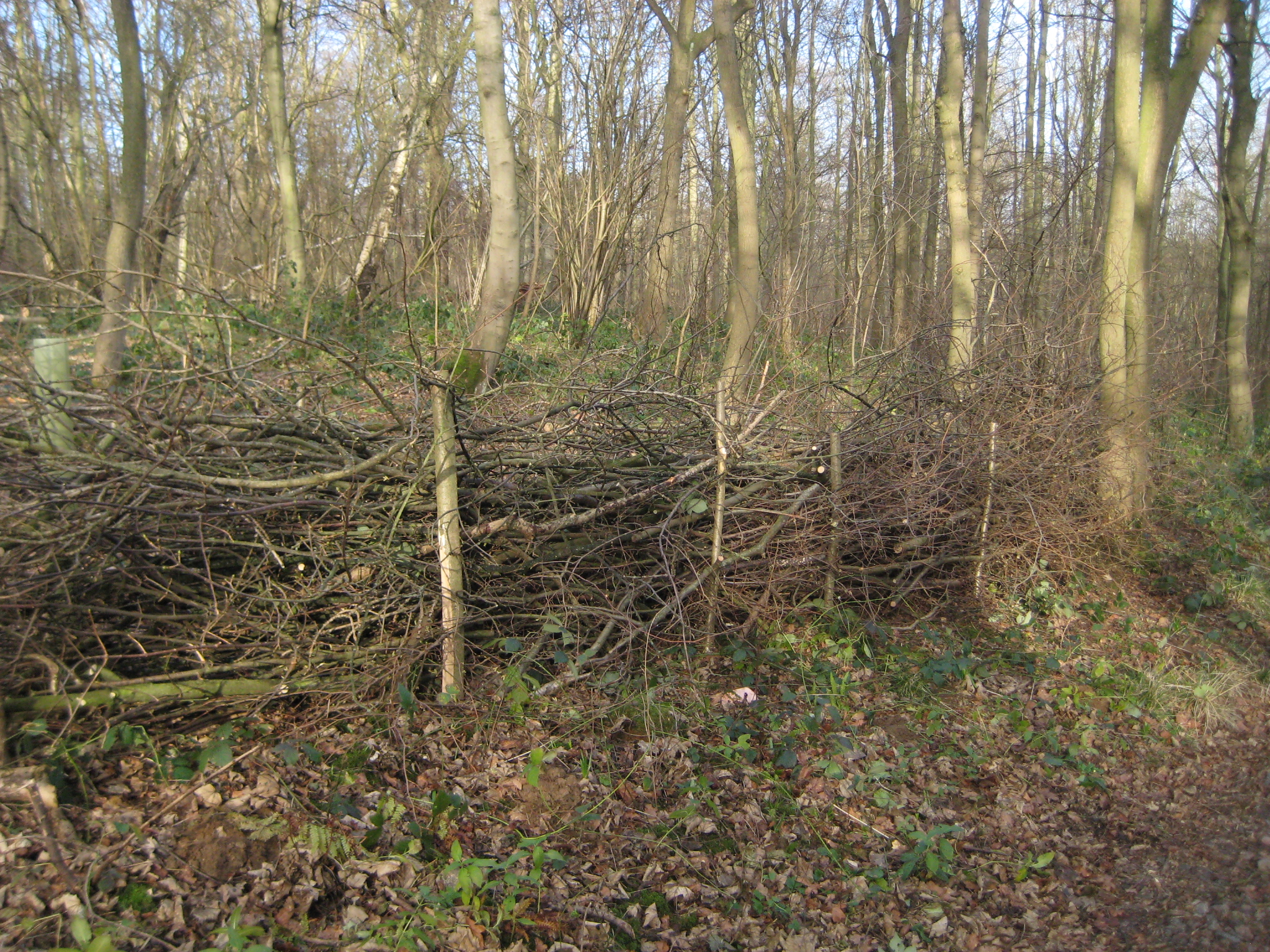
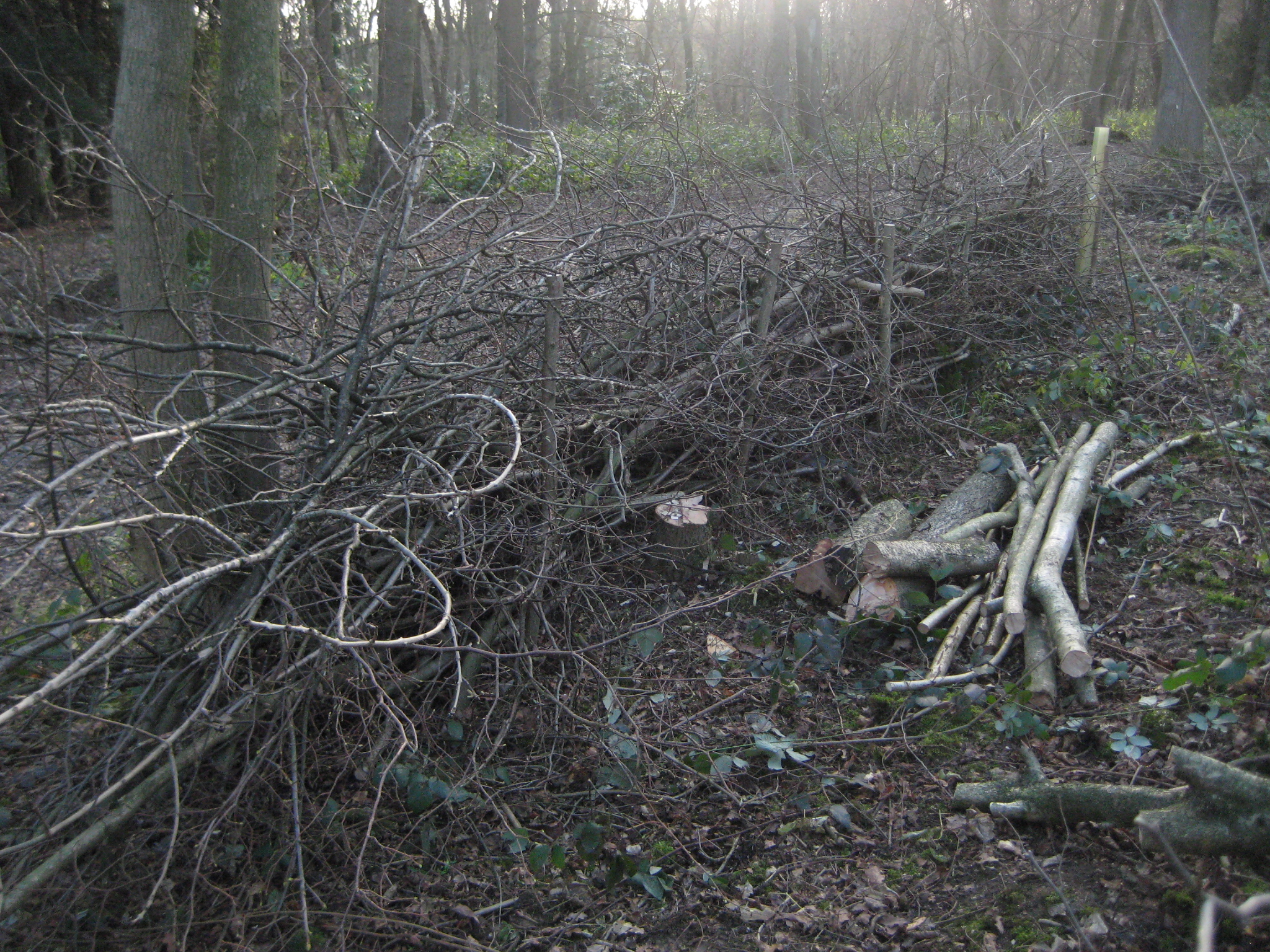
Traditionally it would have been burnt but I’m not keen to do that. The branches are still green so would either need to stand several months to dry out, or require a big hot fire to drive out the moisture. The consequences of that are masses of smoke and damage to the ground underneath. So my solution is to use it to make brash or “dead” hedges. I’ve mentioned these before and there are several benefits. It creates an interesting feature which provides a home and cover for many different forms of wildlife. A robin kept me company while I was making it and might even use it for nesting with a bit of luck. It was hard physical work for my old body but hugely satisfying. I love throwing logs around and pushing and tugging at awkward straggly branches and organising them into some sort of rough order that can be seen as visual evidence of your hard work.

The result of my hard work - the dead hedge

The result of my hard work – the dead hedge

View from the inside

View from the inside

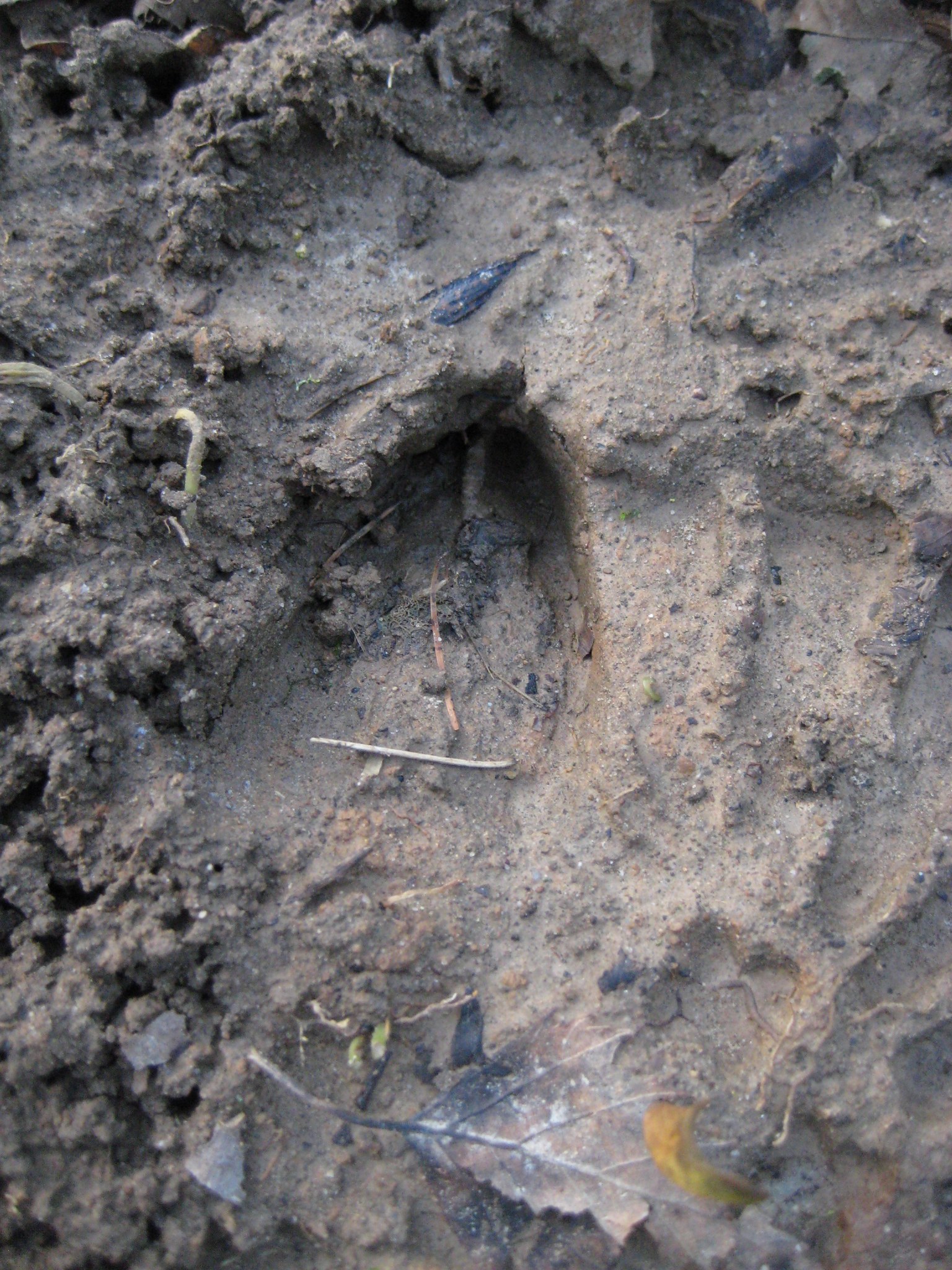
So most of the day was spent this way with a little leisure time in between to wander around, formulate future plans, see what’s been happening since last time etc. I spotted a very clear roe deer footprint. It was on an old mole hill that I had stepped on last time and my footprint was still visible. Quite an odd but nice feeling to know that the deer had stepped in exactly the same spot as me. Yeah it sounds a bit sentimental and soppy but really it’s more about feeling that connection with nature. I keep saying this to people who ask “well what do you do in the woods and why did you want one?” When you switch on your senses and really open yourself up to the natural surroundings, observing the signs of other life forms, you start to feel that connection. We are not apart from nature – we are a part of nature and we share it with all living things and that’s why we have to look after our planet and this is a small part I can play in that process. To be the guardian of that small piece of wildlife is incredibly rewarding as a human being. I hope that what I do there during my time will improve it in some small measure. Until next time here are a few more photos.

Roe deer print on top of mine.

Roe deer print on top of mine.

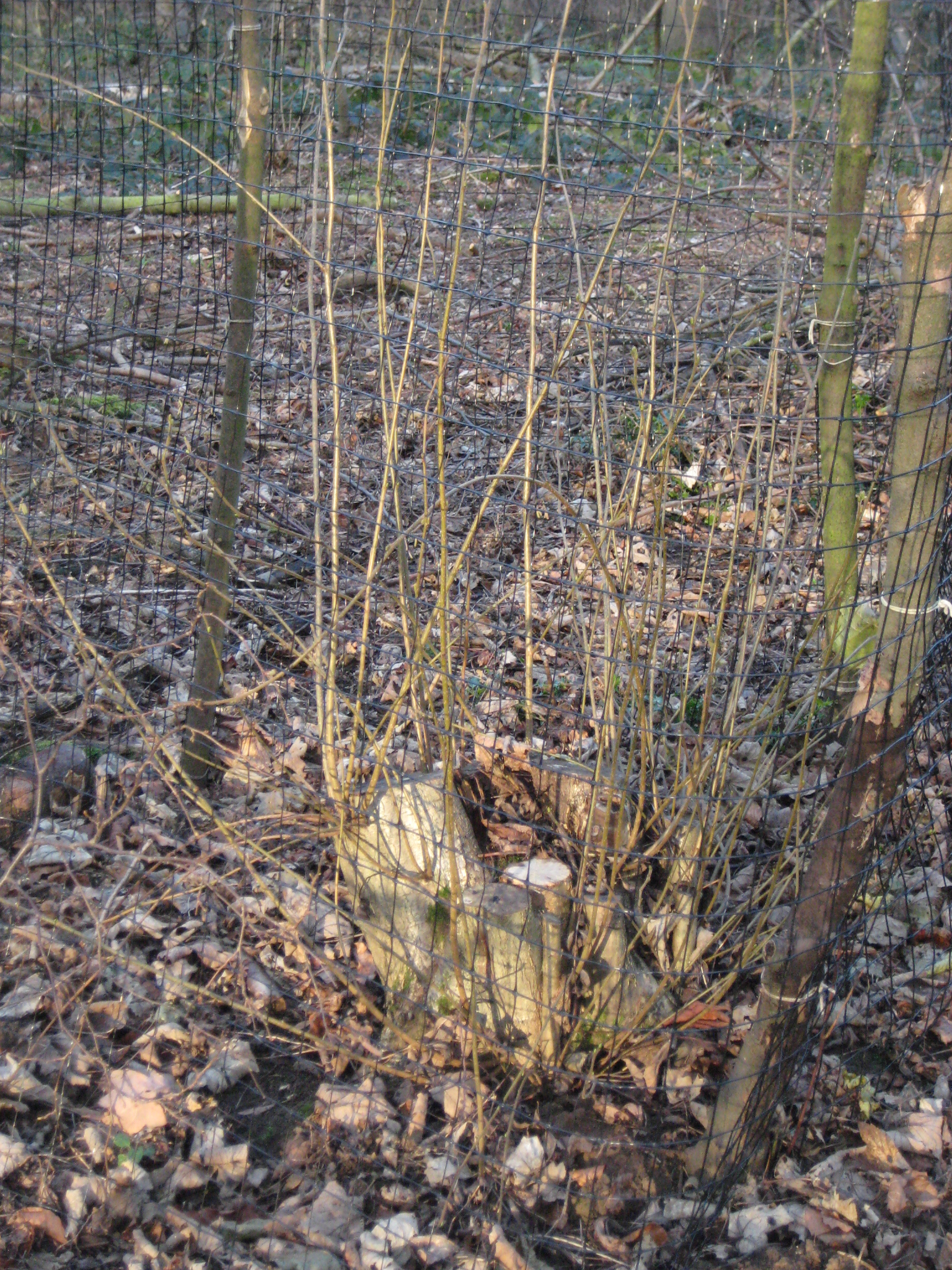
Regrowth from last year's hazel coppicing

Regrowth from last year’s hazel coppicing

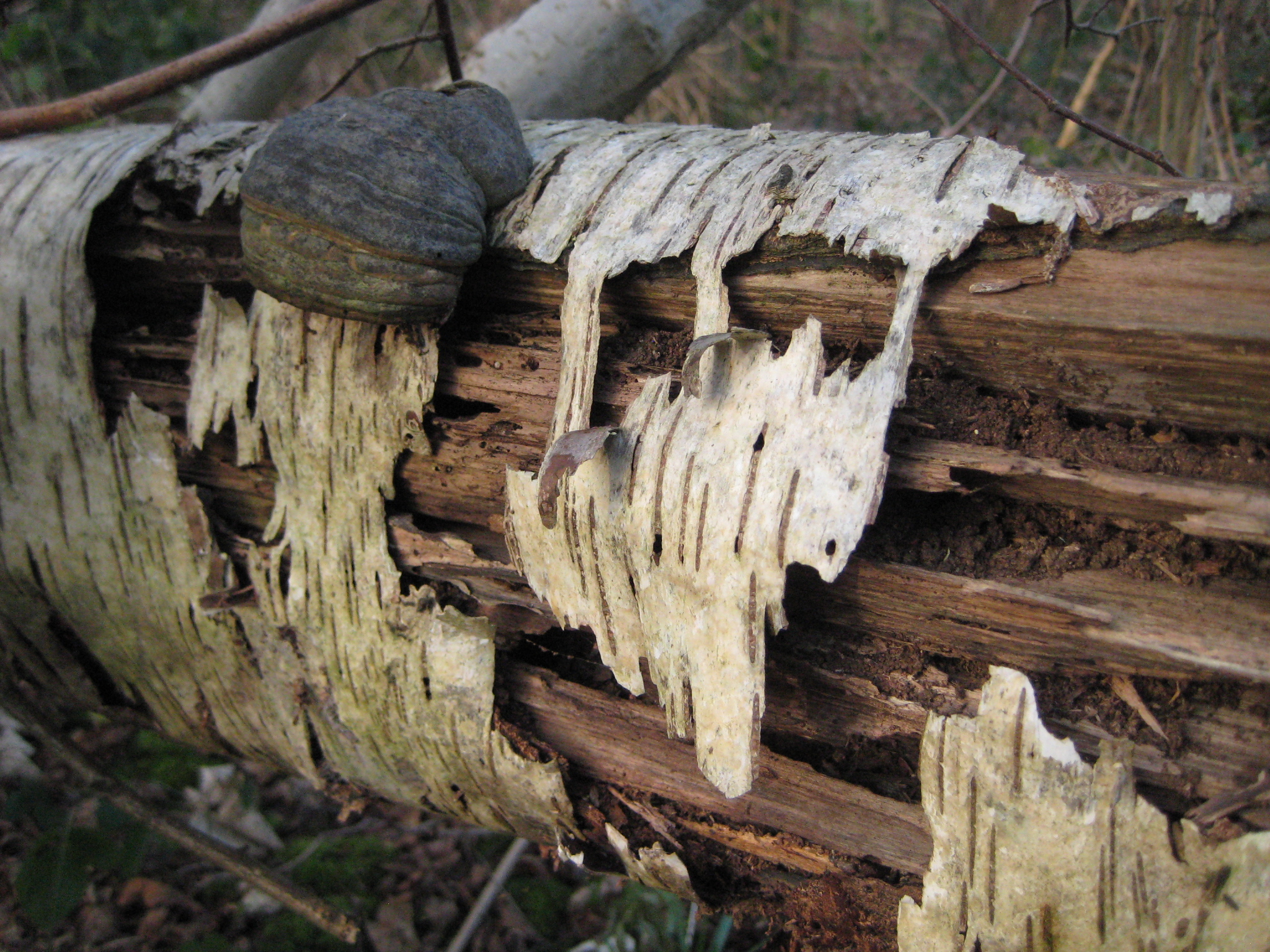
A horse-hoof fungus finds new life on a well rotted birch tree trunk

A horse-hoof fungus finds new life on a well rotted birch tree trunk


Leave a comment

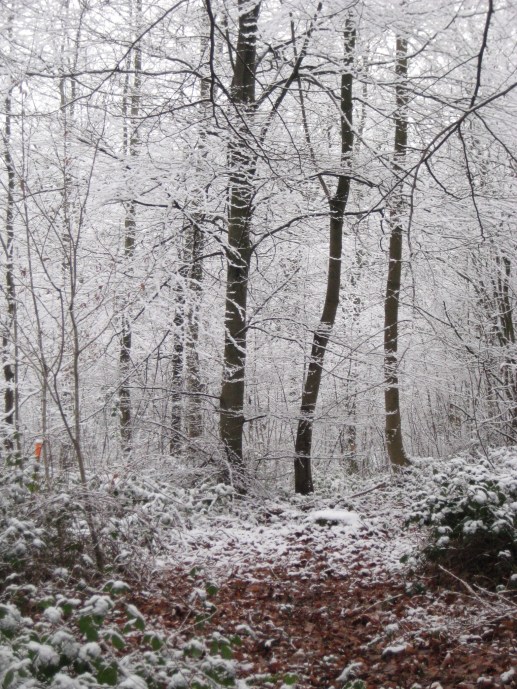
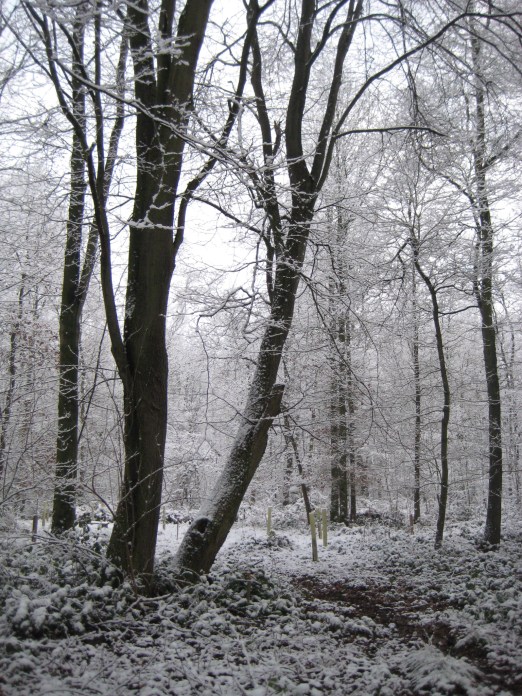
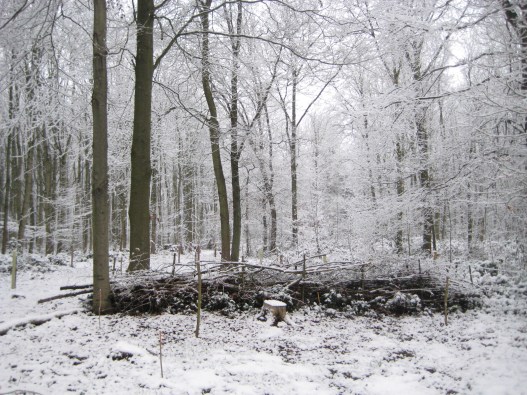
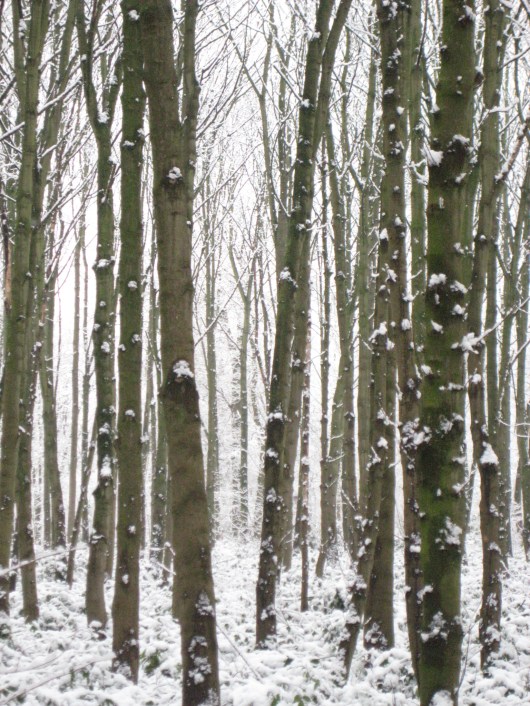
First snow this year

IMG_5811

The forecast  for the weekend was looking good but I was surprised when it started snowing on Saturday night. The prospects of seeing my wood under snow had me excited like a little kid. We had a little bit last year but I was keen to see it freshly laid with the hope of finding some animal tracks. As I arrived I disturbed a buzzard on the ground again. Must be a favourite spot for it. The snow was already starting to melt and was continually falling in large flakes from the branches as if it was actually still snowing, which gave it a magical atmosphere. The various small birds seemed to be very excited, flitting about in the branches and chasing each other. I spent a good hour just looking and taking photos. I was disappointed with my tracking results. Just some squirrel prints and evidence that they had managed to prize open the lid on my peanut bird feeder.

IMG_5770

I heard a chainsaw going so had a walk around to see who was about. It was a neighbour I have only briefly met once before. He kindly showed me around his plot which has an old small quarry which he is busy making into some sort of base for activities by adding a roof and sides to enclose it. He is also a falconer and owns numerous birds of prey which he sometimes brings to the woods. I am excited by the prospect of seeing some in the future. So after a leisurely morning just enjoying seeing the woods in it’s winter coat, I got stuck into some hard work. Continuing my hazel coppicing in the S.W. corner, I cut back three or four small stools then felled some small sycamore to increase light levels. The area is looking like a bomb site now with fallen branches all over it. Lack of time means I have to prioritise my work and the important element of cutting back and felling need to be done before spring growth starts. Tidying up can come later and much of the brash will be used in making another small dead hedge. Small birds like wrens and robins love them, so it provides food from small insects that live on the decaying matter, shelter from predators and possible nesting sites. Here’s the one I built last year.

IMG_5776

One of the felled sycamore was quite large so I decided to cut the trunk into log sized lengths, wheelbarrow them back to the log-shed where I could split and stack them too. My book of Norwegian methods has taught me that cutting and splitting as soon as you can, is the best way for seasoning logs and it’s certainly easier when the wood is still fresh and green. So half the afternoon was a back-breaking session which resulted in a very satisfying new stack of logs. By the end of the day most of the snow had melted but I have some nice memories and photos of seeing it how it should look in winter. These opportunities are rare.

IMG_5832

IMG_5800

IMG_5817


Leave a comment

First visit of 2016

With the persistent wet weather, Christmas etc, I haven’t been to the woods for over a month and I am desperate to get some hazel coppicing done as they are starting to grow already. The weather forecast was good even though it was sleeting and raining hard before setting off. Half way on my journey and the clouds miraculously cleared and a weak sun peeped through. As I drove up the ride alongside my wood, a large bird took off from the ground and landed on a branch – pretty sure it was a buzzard. I saw one a while later circling above too. I stopped the car, wound down the window to watch for a while. The wood was positively alive with birds undisturbed by my presence – blackbirds and robins bobbing around the ground and a flock of long tailed tits flitting about in the tall trees. “Wow” went my thoughts “what a fantastic greeting. How I’ve missed this place and I’m here now to do some good honest toil and enjoy a day in my woods. How good is that?”

First job, fill up the bird feeders. Next I needed to heel in a large bare-rooted English Oak sapling that my daughters had bought me at Christmas. It was their tribute to my mum, their grandma who passed away in November. The area where I will plant it still needs some nearby felling done which could fall onto it if planted in it’s permanent position now. Next, cut down the remaining birch trunk that had snapped off in the gales a few months ago. I’m interested to see if it will sprout any new shoots from the base. I cut, chopped and stacked the logs in the shed to dry. It’s a very satisfying feeling. Next job, was most important. Last time I rough cut by hand, two overgrown hazel stools but needed the chainsaw to trim down the stumps of the larger pieces. Also two more stools nearby were on my list to cut this year in order to enlarge the small area I started last year.

The two neglected hazels before coppicing

The two neglected hazels before coppicing

Now they don’t look very big on the photo but it’s surprising how long some of the branches are, maybe 20 feet or more which is a lot of weight and when they come down, the weight tends to split the branch before you can cut right through. The branch inevitable gets hung up in a nearby tree still partly attached to the lower section. So it requires a lot of cutting here and there to release it and often the branch twists trapping the saw blade. At one point my chainsaw was well and truly gripped by a twisted cut and I had to leave it hanging by it’s chain like a Christmas tree decoration while I went for my silky saw to cut it free. These neglected hazel branches are the most labour intensive and difficult to deal with. Anyway I battled on and got the pair of them cut back but time ran out before I could tidy all the branches and brash away. A job for the next visit.

The two hazel stools after coppicing

The two hazel stools after coppicing


The same two from a different angle, messy at the moment but a good job done.

The same two from a different angle, messy at the moment but a good job done.

Socialising has become another enjoyable part of my woodland trips and it was good to meet up with neighbouring friends from three different plots and swap notes and ideas. I’m still trying to determine the best place for a permanent shelter and I think I might have found it. It lies on the edge of my camping area and there are two large straight sycamore trees that will form the corner posts for the ridge pole. I’ll need to do some more heavy bramble-bashing to clear the area first so that could be on my list of priority jobs. The short daylight hours soon wizz by when you’re busy and before long it was time to pack up and go.

Possible site for my permanent shelter between the two sycamore trees.

Possible site for my permanent shelter between the two sycamore trees.