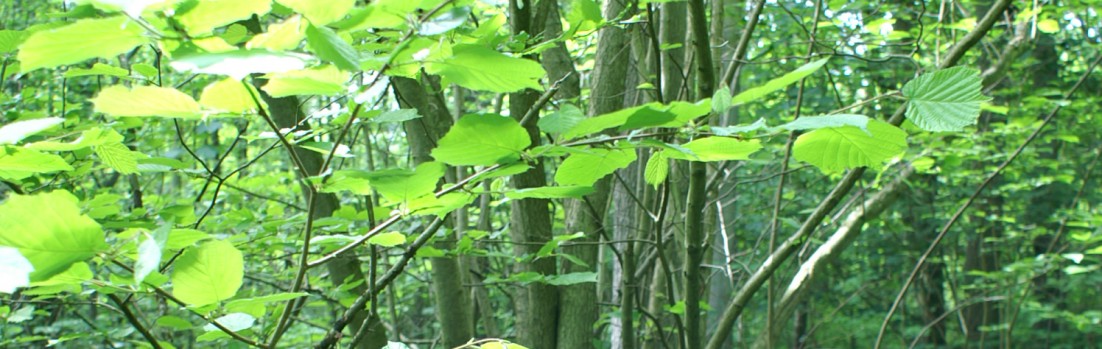
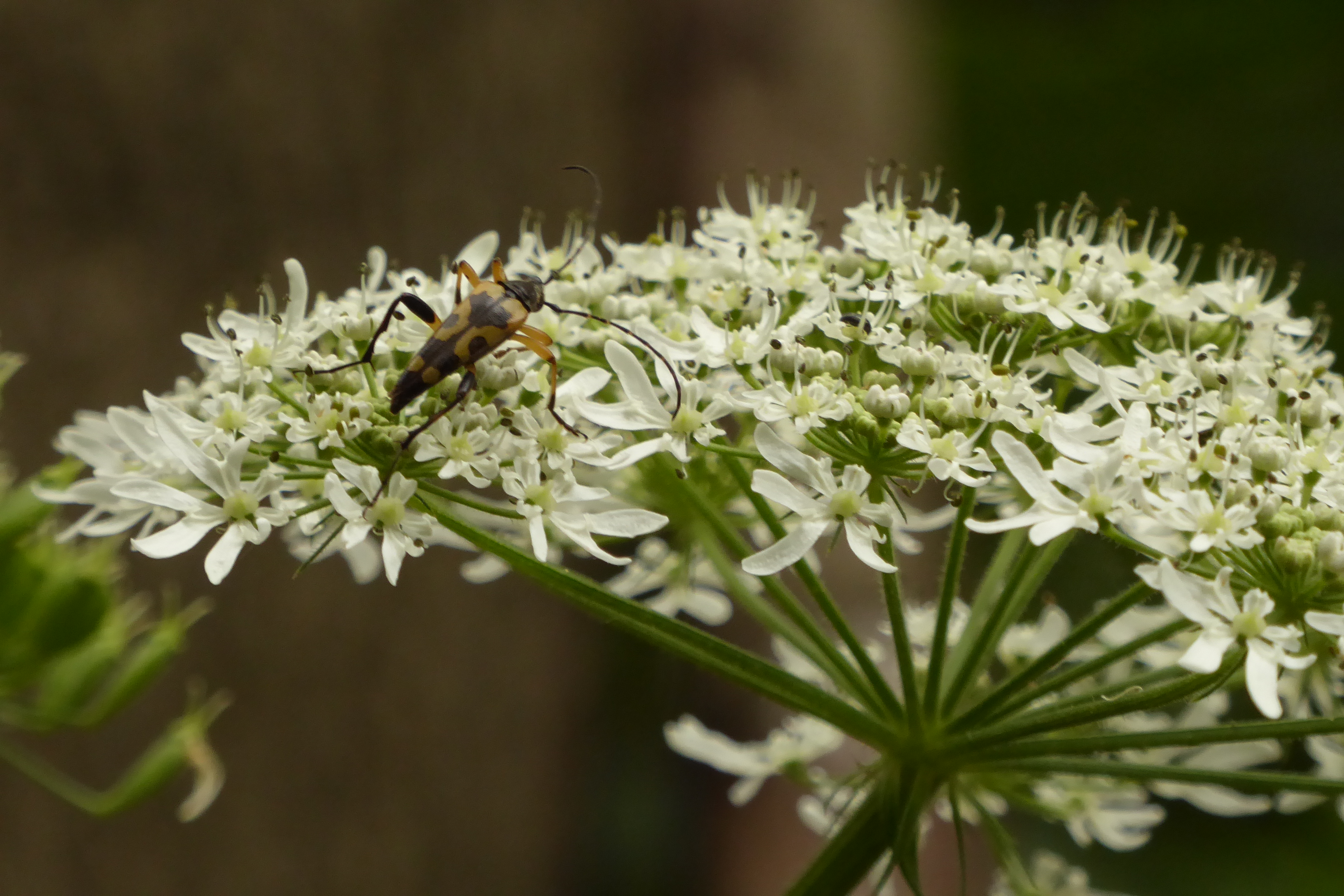
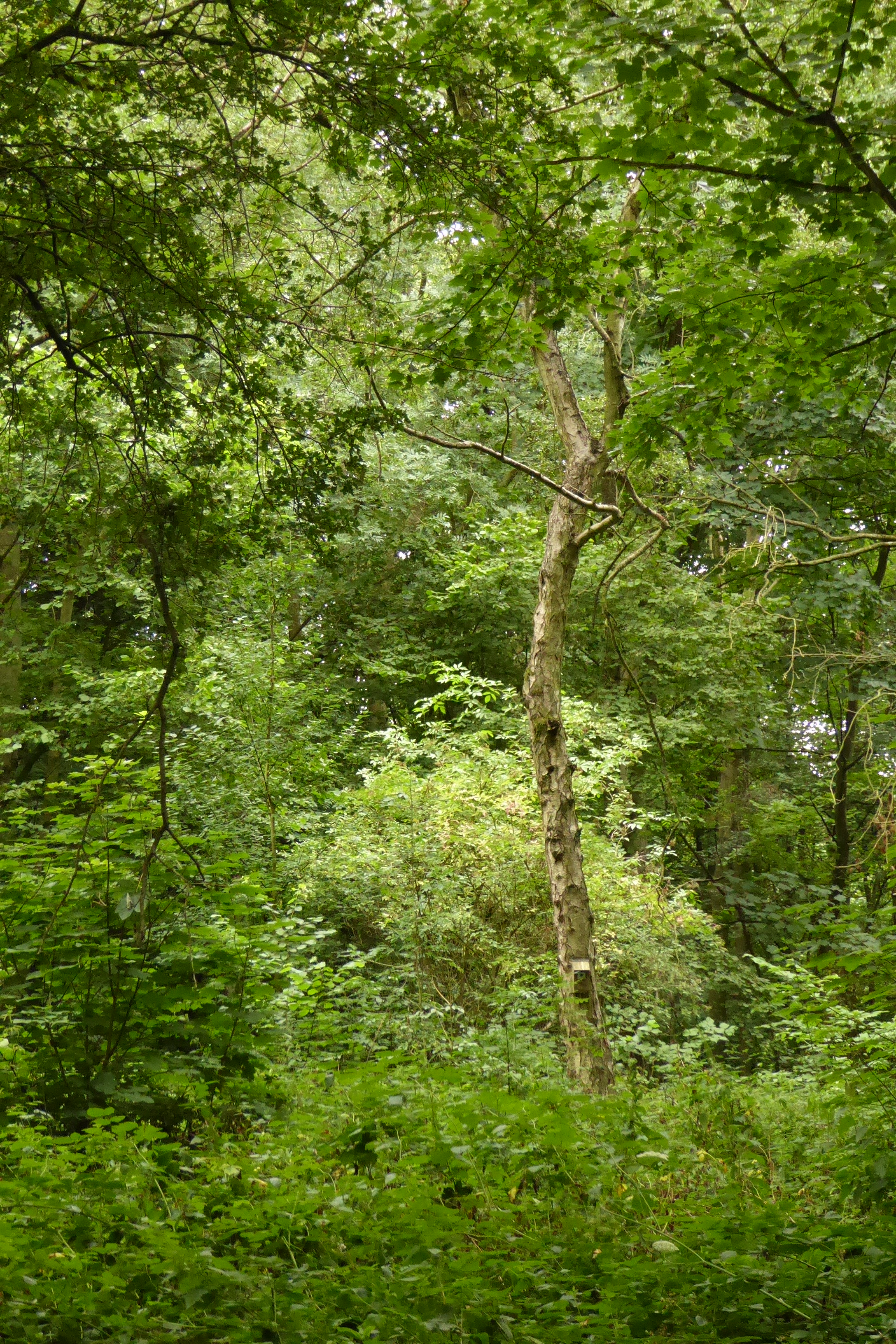
Intriguing title eh? I’ll come to that in a while. It was a very still and quiet woods when I arrived. Quite surreal, hardly a bird sound and even the noise of traffic on the A1 a few miles away, which can often be heard, seemed absent. It’s rare in our modern lives to be anywhere where there is no sound at all and apart from the occasional wood pigeon cooing, you could have thought you had gone deaf! There was no whisper of a breeze even, to set the leaves rustling and I sat for a while just enjoying being there in the moment on my own (apart from the millions of other little lives that surrounded me and some of which enjoyed a free meal on me).
I was pleased to get several visits from an adult robin. Could it be Bertie, the one I had feeding off my hand? I don’t think it was but I didn’t try offering food and simply left some on a tree stump next to my chair to get it accustomed to the idea.
So what about the treasure? For a while I have toyed with the idea of getting a cheap metal detector to investigate what is under the surface. Small pieces of metallic scrap are always turning up on the surface on my walks but the area in and around the woodlands has a long history of occupation – medieval, Roman and Bronze Age. After losing my knife a couple of times I started looking into it. Turns out that any new machine under £100 is a waste of money, so I ended up buying a decent second hand, entry level machine. Having no garden at home to try it on and finding out that metal detecting on public land is banned by the metropolitan councils, I was really keen to have a go with it at the woods.
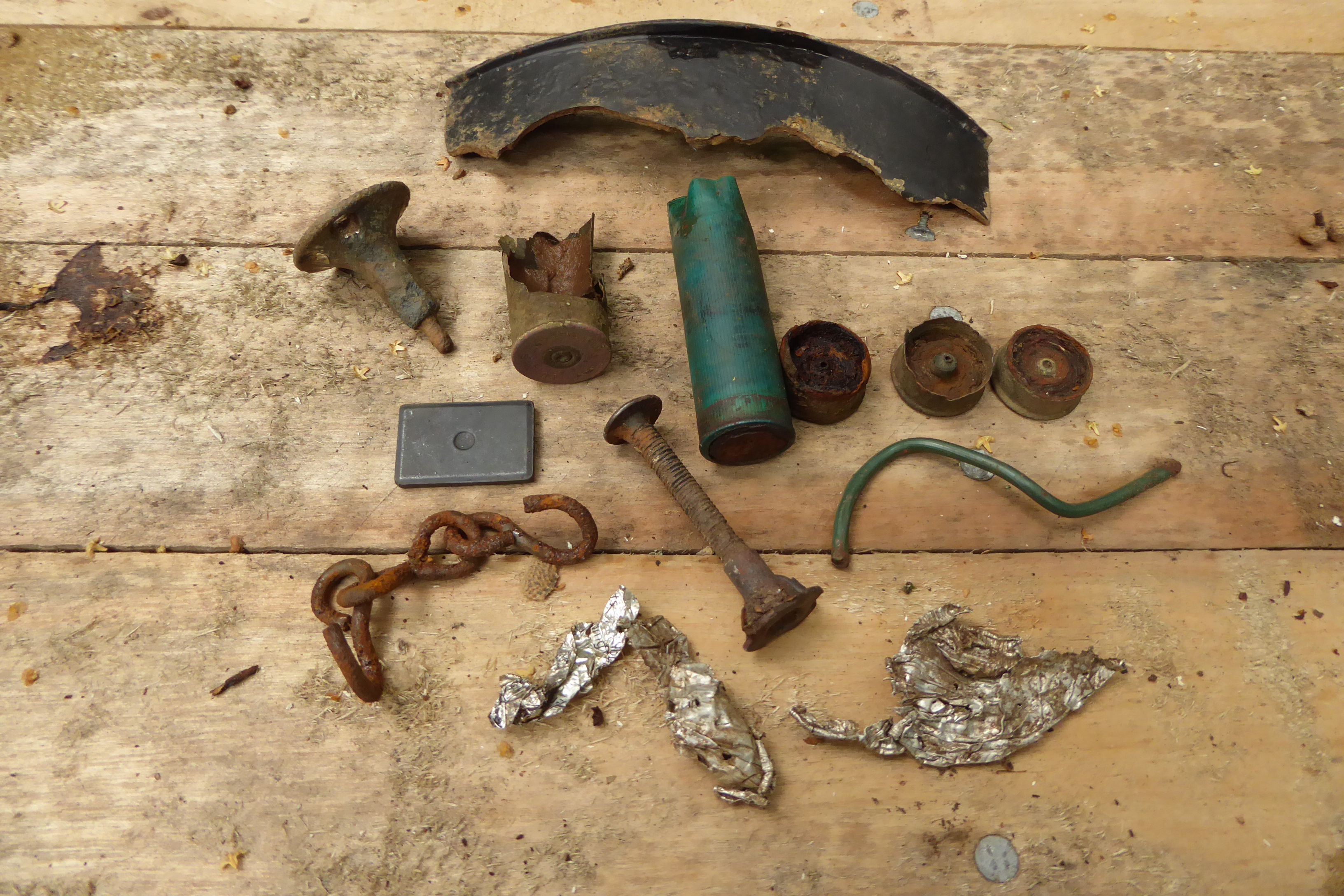
There’s a big learning curve to become proficient but I picked up a few lessons. A casual sweep around brought dozens of beeps ringing out of the machine. It didn’t surprise me at all as that area was used for pheasant rearing and shooting before I bought the woods and I am always finding spent gun cartridges and random bits of wire. What I did learn was that digging in woodlands is hard work due to all the roots (actually I knew that from planting saplings). Also that the machine doesn’t lie. I almost gave up on finding anything in some holes but after persisting and actually finding small pieces of aluminium foil a few times, realised that for every bleep, there is something metallic there. There must be hundreds scattered around and I know I shall only dig a small percentage. Anyway here’s a photo of what I found, all of it trash but there was something exciting about finding them.
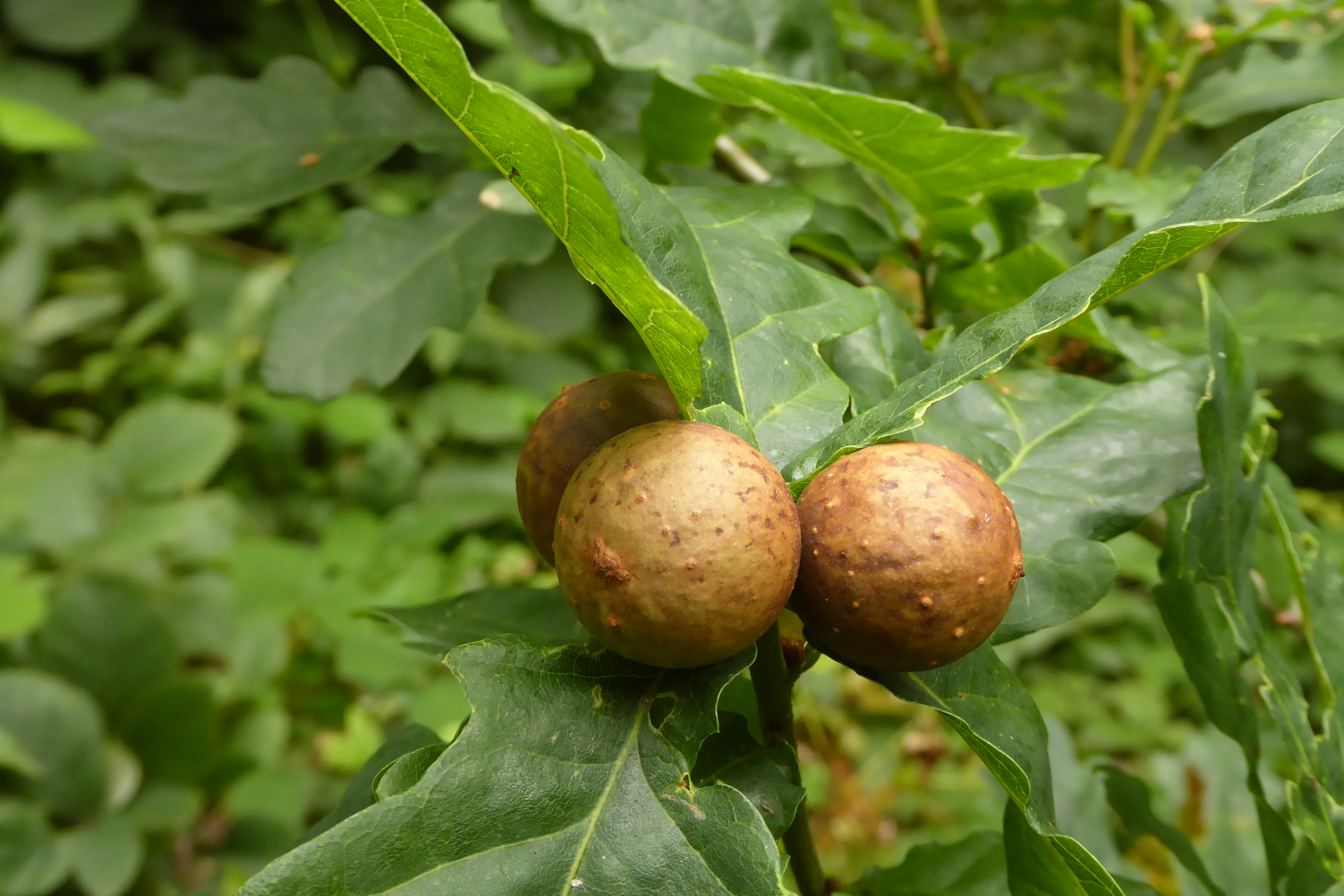
That wasn’t the only “treasure” I found though. Recently I have been looking for Oak galls, sometimes known as Oak apples. They are caused by a small parasitic wasp which lays an egg on a leaf or stalk. It causes the tree to grow a round ball of plant tissue around it. The egg hatches and the grub feeds on the plant, protected until it reaches maturity, then bites a hole in the gall and escapes. The next interesting fact is that the “spent” galls were used to make ink and many of the old historical documents were written with it. The process involves crushing the shells and soaking them to release the oak tannin, then adding ferrous sulphate (rusty nails will do it) and then reducing it down and filtering it. It produces a very dark brown/blackish ink. Being the type of person I am, I’d like to have a go at making some. I have found quite a few tiny ones but whilst walking around yesterday, I found these newly formed ones. They are huge compared to most I’ve seen. They are still young and I will have to wait till Autumn when the wasps have escaped and the galls dry up before I can pick and use them. So that was the real treasure find!
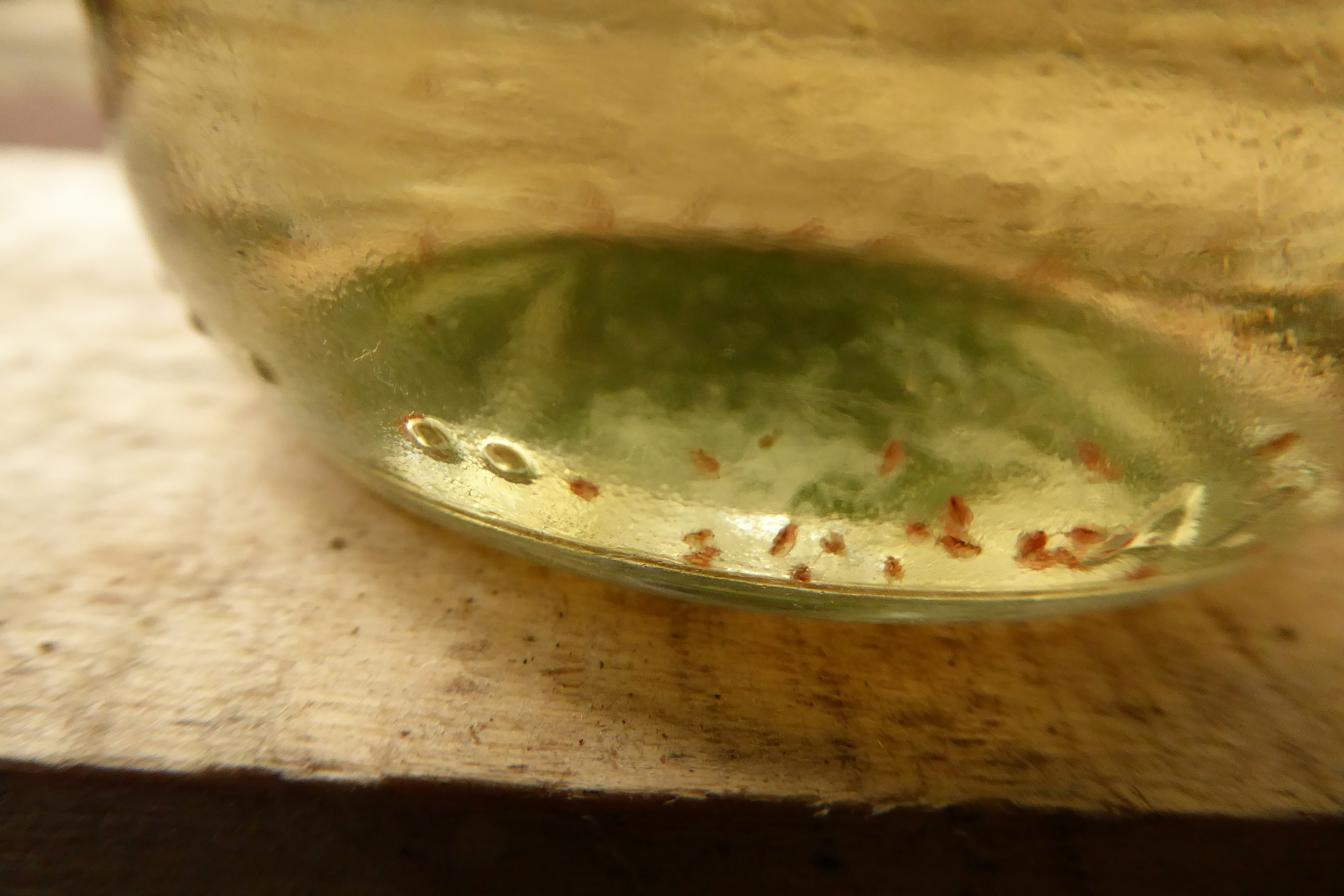
The final bit of treasure, if you can call it that, was finding thousands of Daphnia in my pond. Also known as water fleas because when magnified they resemble fleas. In fact they are microscopic crustaceans, pink in colour. Tropical aquarium buffs will know them because you can buy them in pet shops to feed the fish. I read that they also help keep algae down in your ponds and keep the water clear. So I took a jam jar and brought some home for my small garden pond. I left the unopened jar in the pond overnight to equalise the water temperature so they wouldn’t experience thermal shock when released. Let’s see how they fare in their new home.