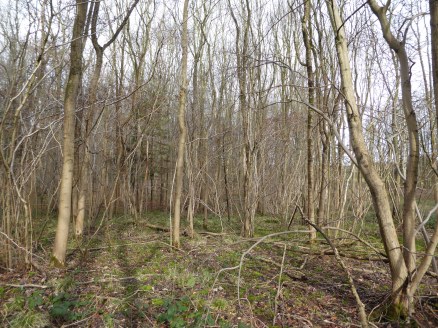
Diary of a man and his woodland

A blog about a man's dream to own a small woodland.


Leave a comment

My piece of heaven


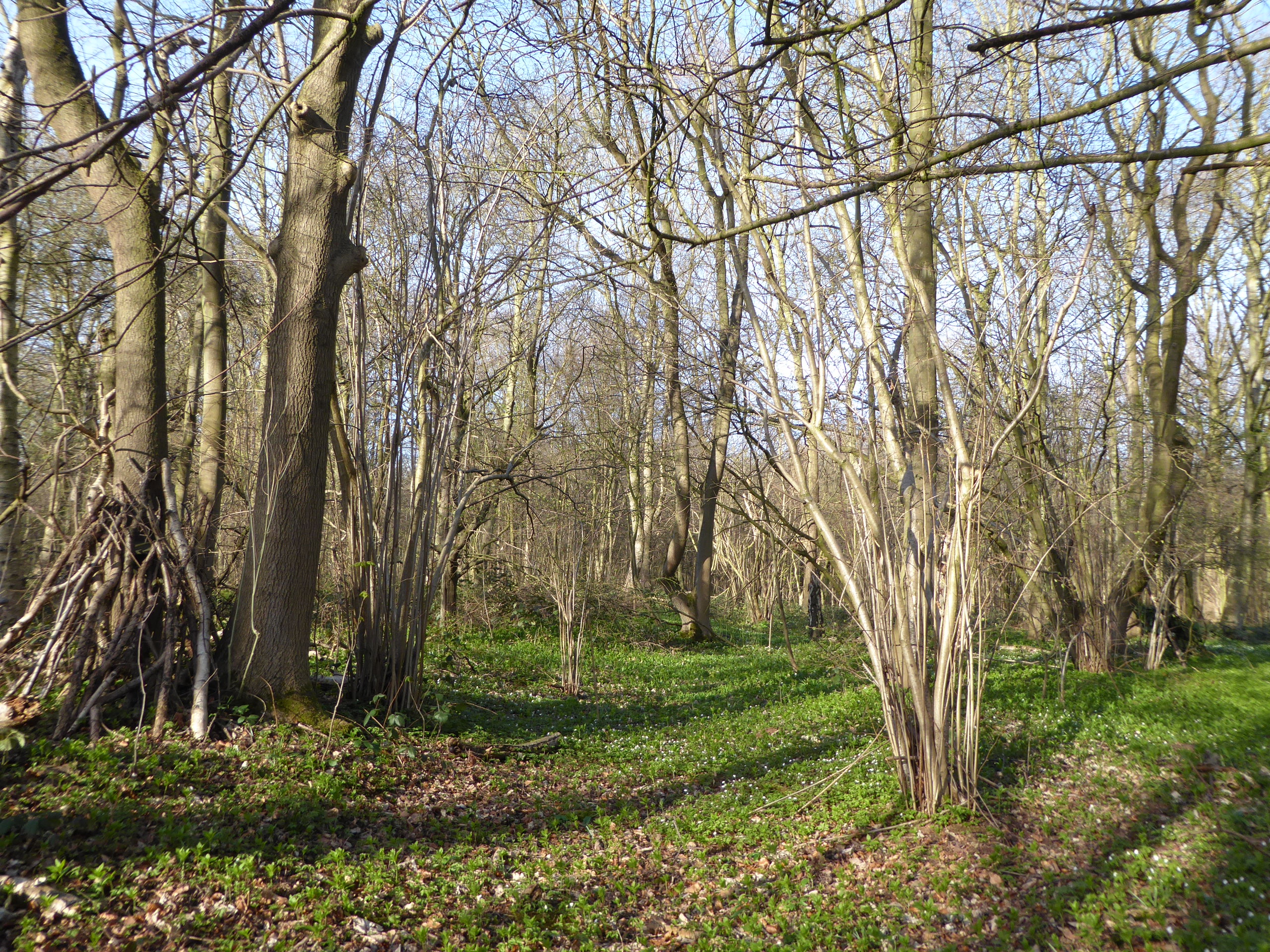
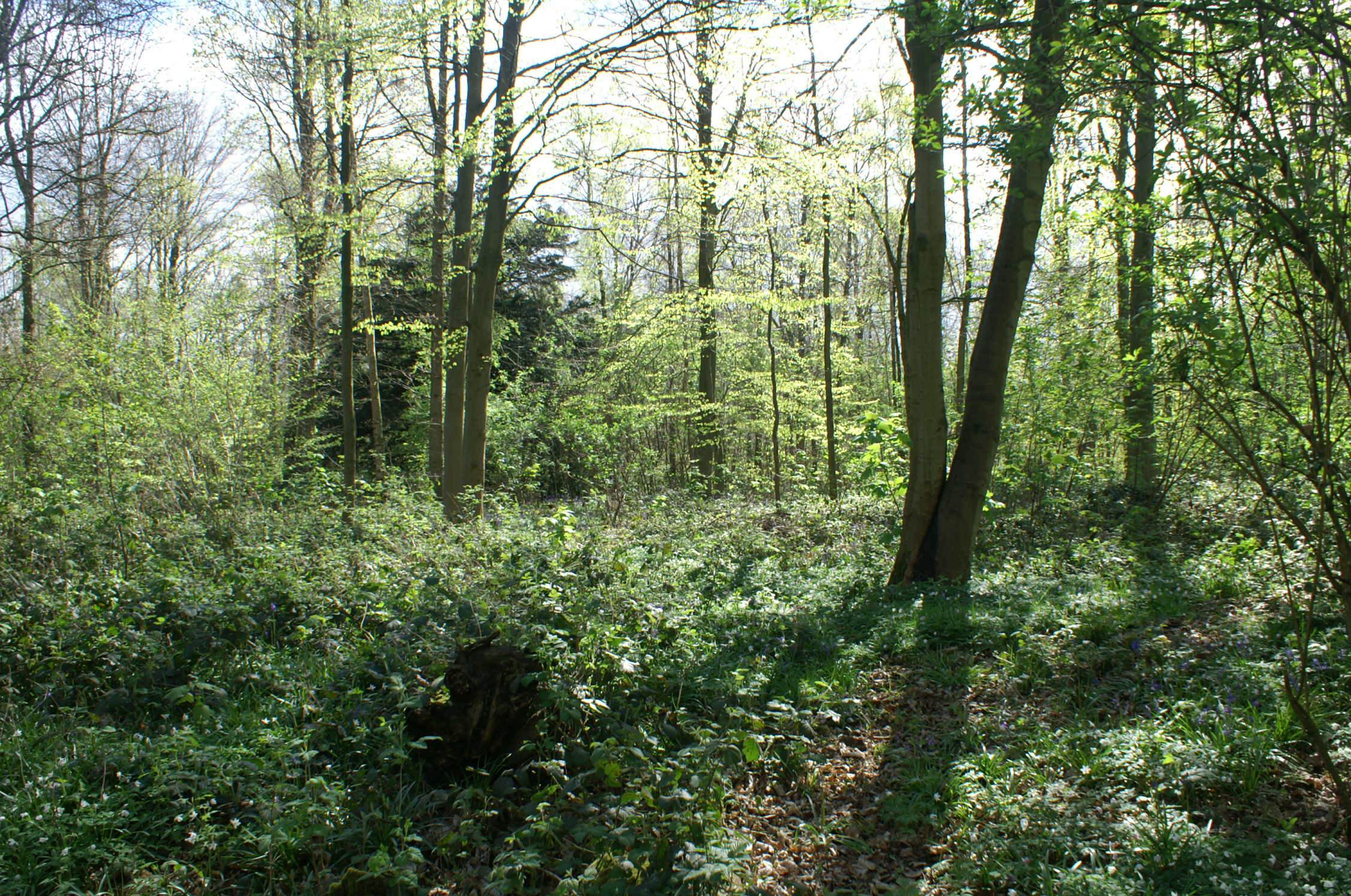
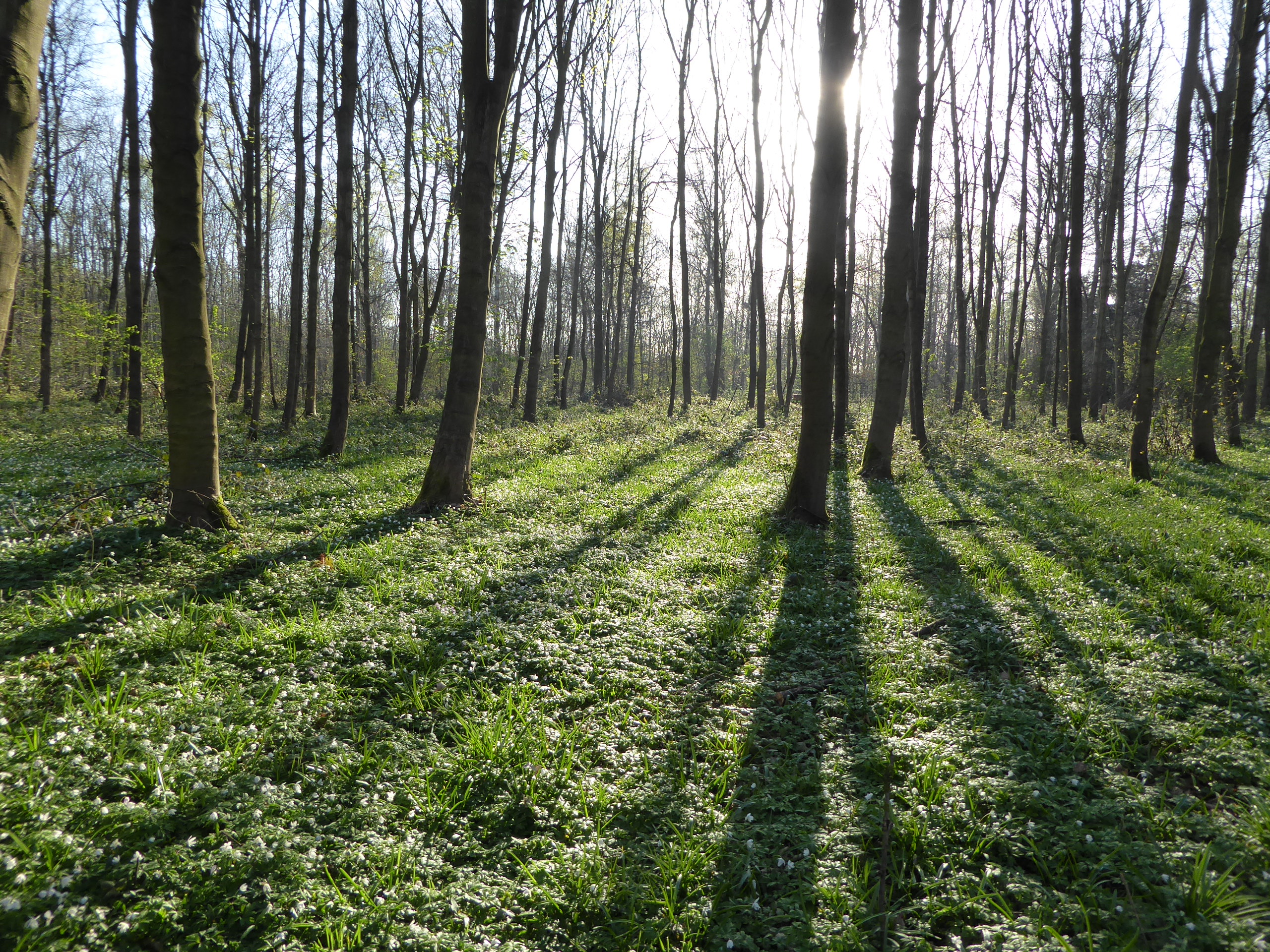
I’m planning a family day at the woods in a few days time, so wanted to get a couple of things done and sussed beforehand. Now the big sycamore is down, I thought I’d better continue to cut it into moveable logs. As often the case, some of my plans don’t happen. It was a glorious dry morning and it felt like I’d entered my piece heaven. Lots of fresh new growth springing up and some tree leaves opening, birds singing and no-one else there but me. I like socialising but I also love the head space of being alone in a beautiful setting like that. I spent a good hour and a half walking around, drinking coffee in my shelter whilst watching the birds, before doing anything that resembled work. After a heavy winter schedule of felling etc it was just nice to be able to savour the experience of just being in the moment and taking it all in. There’s a (slightly cheesy) expression being used for the health giving and de-stressing qualities of being among trees – “forest bathing”. It pretty much describes the feeling though.

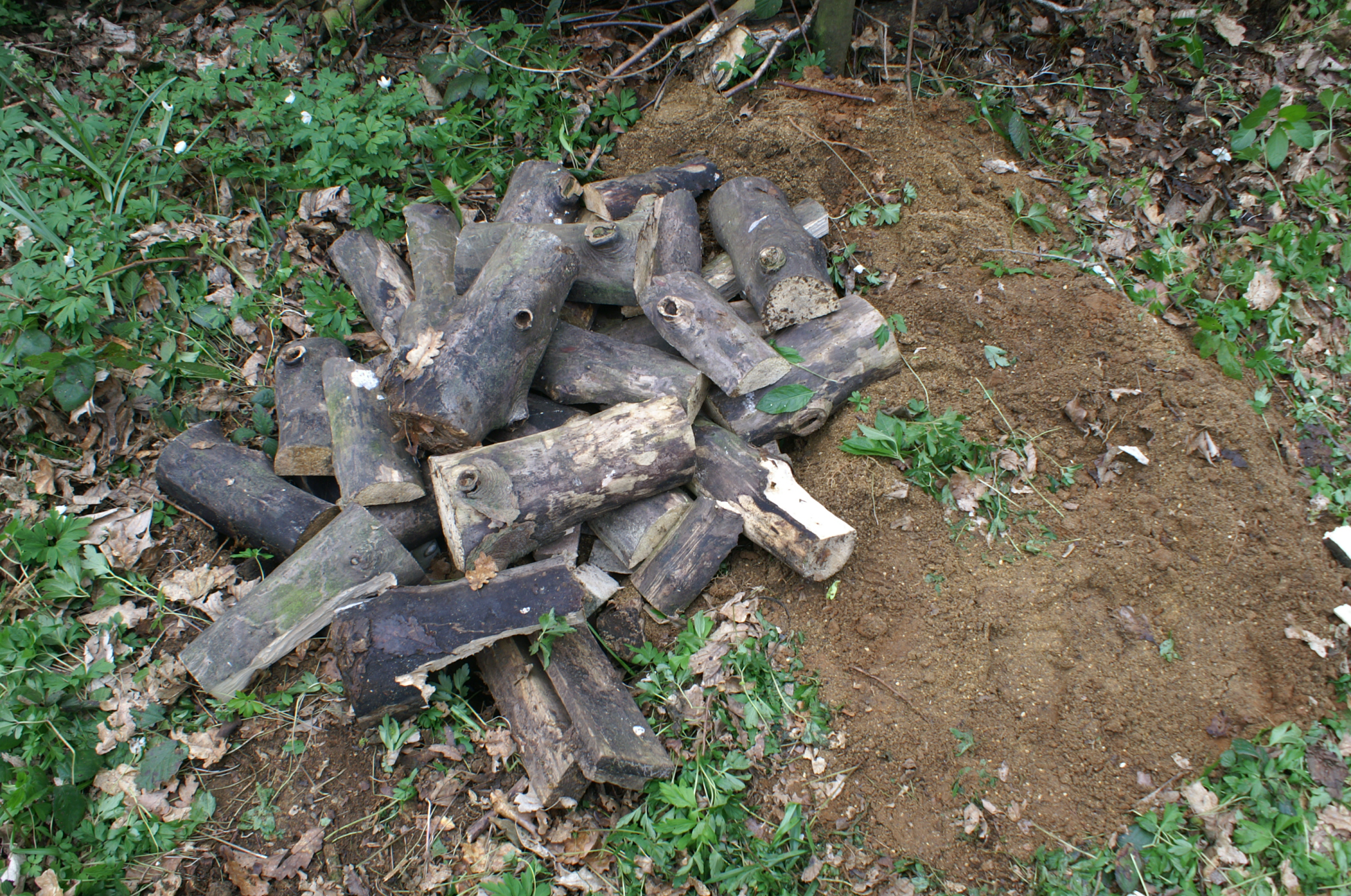
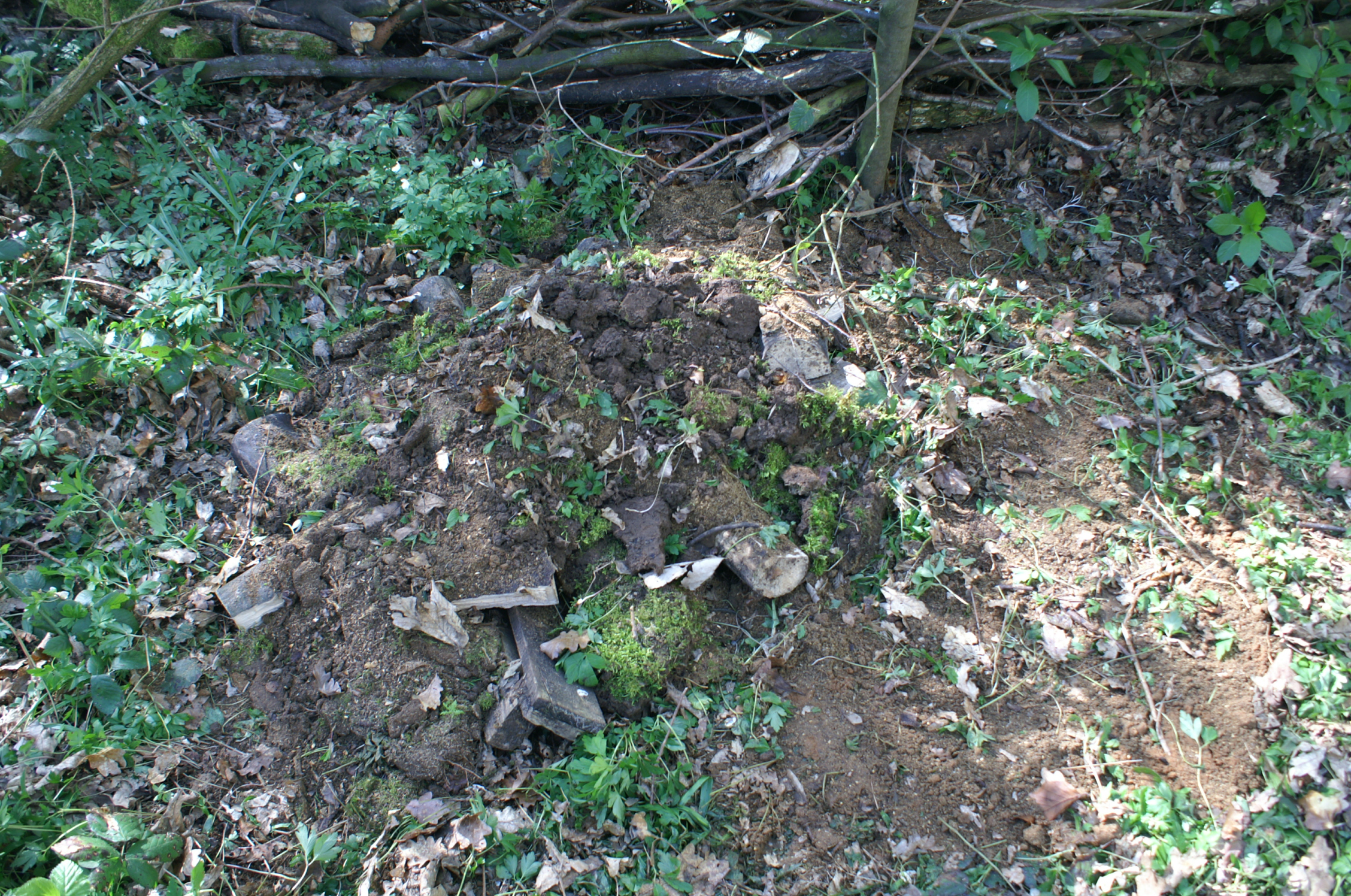
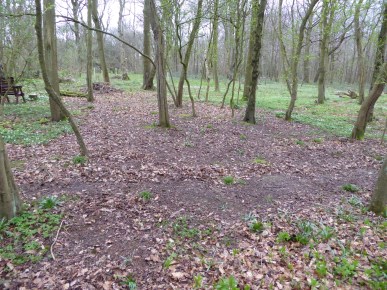
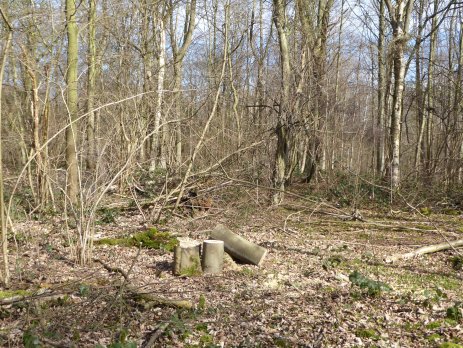
Some time ago I buried a big metal box in the ground to secretly store some tools. It was a pain to access it, so I decided to dig it up. Rather than just fill the hole with earth, I wanted to make it into a sort of “critter hotel”. The idea is to fill it with loose rubble and small logs to create a labyrinth of small spaces for things like toads, rodents, insects etc to shelter or hibernate in. So the next photos show the process.
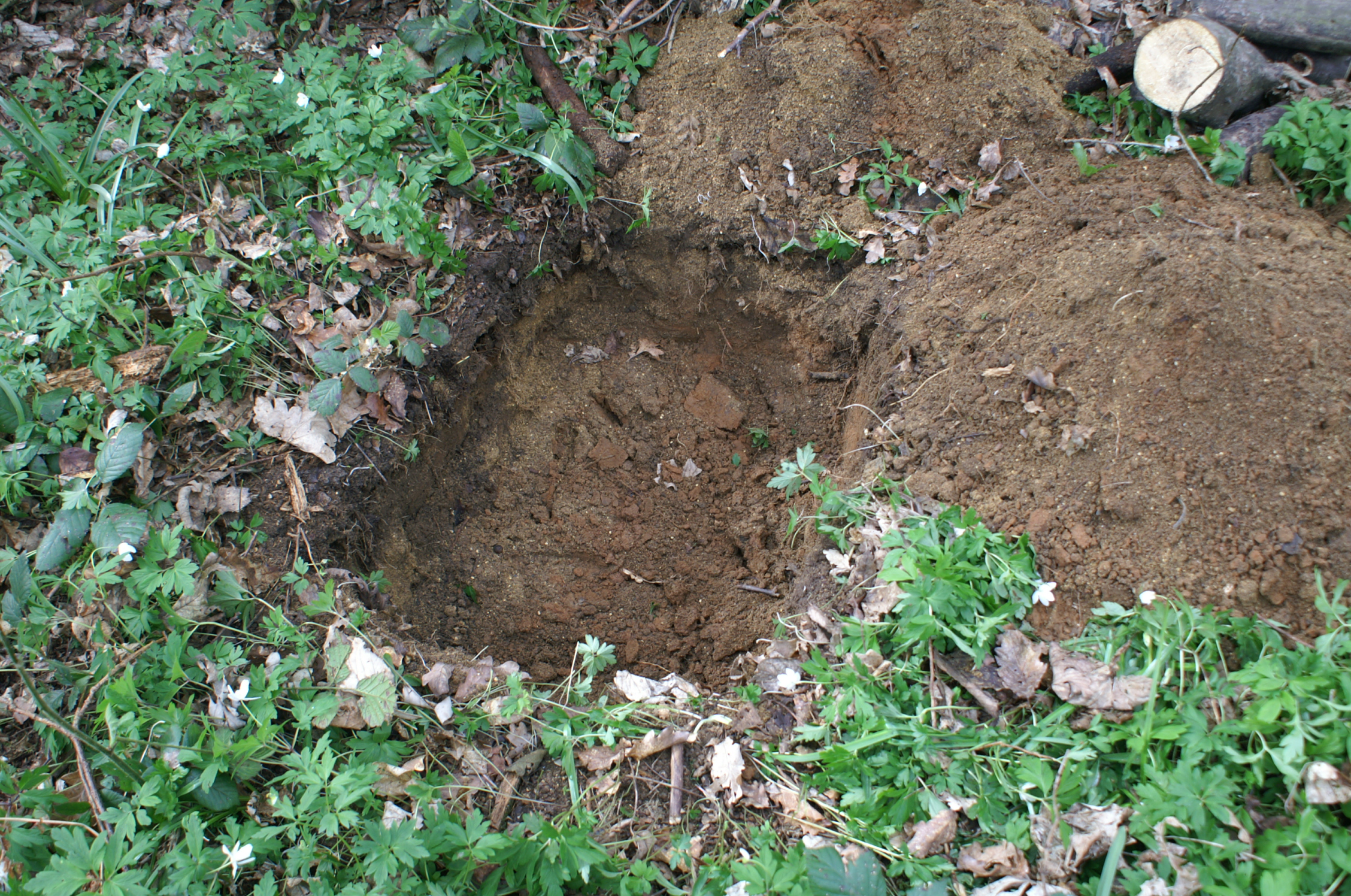
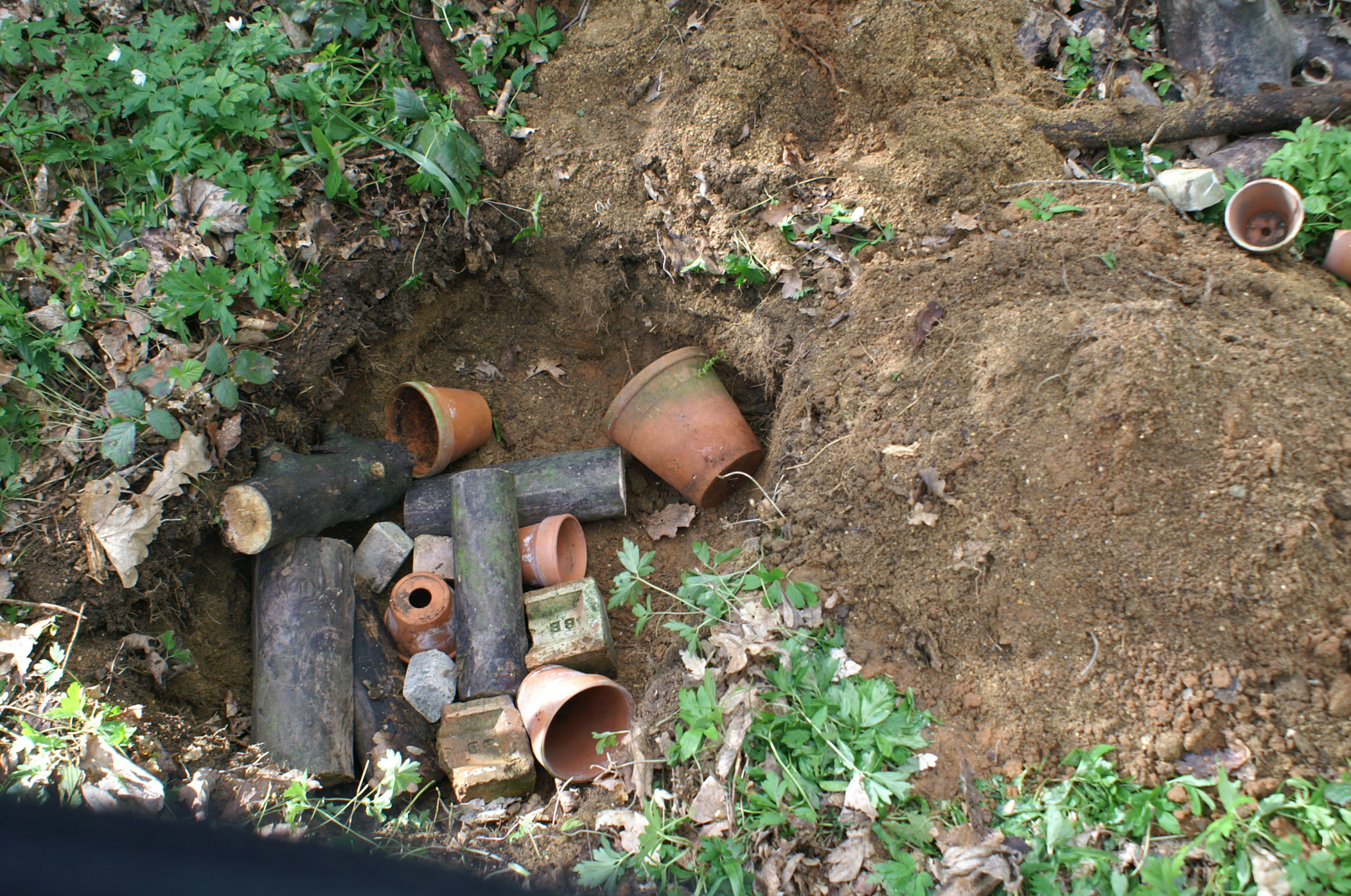
Covered back over with a small layer of earth and leaving some “doorways” should make a nice home for the “little ones”.

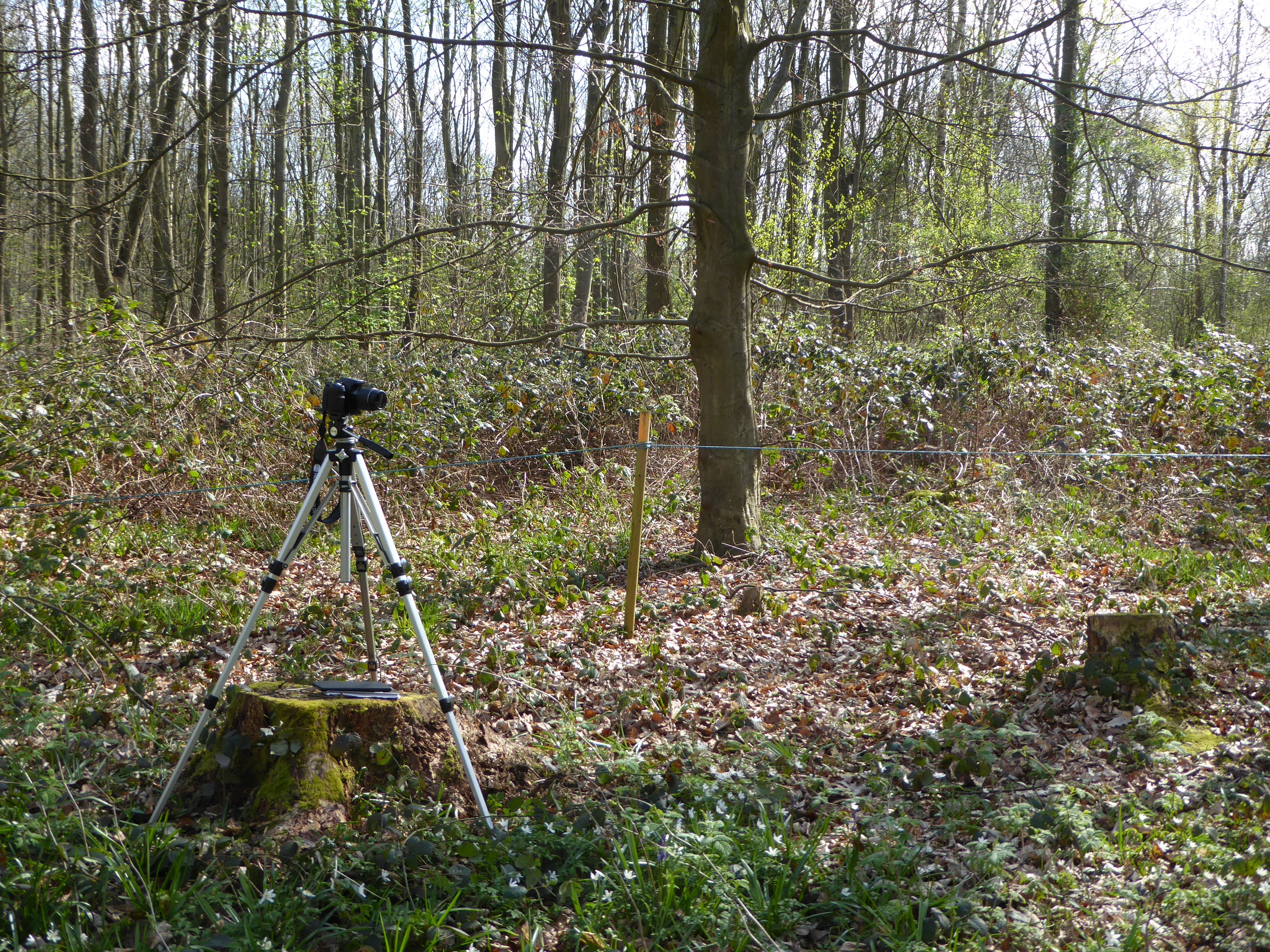
You’ll remember on my last visit, I spent a lot of time on the W.T. photography project and almost lost all my photos when the memory card threw a wobbly. I needed to retake a few so that was the next task which I can happily say are safely on my P.C. now.

My composting toilet has very little privacy – I ran out of materials for the wicker walls and they have shrunk down too. Now that I have neighbours and the toilet is close to their border, I need to provide more screening. The idea of using hazel rods from coppicing isn’t going to work because I just don’t have enough. So plan B is to build walls around it in a similar way to a log cabin. It will provide a good shield and last a long time. I need them to be about nine feet long and as I had brought the chainsaw, it was a spur of the monent decision to fell a few of the tall scraggy sycamore that need thinning anyway. After doing the big ones recently, it was a breeze to take four down and cut them up. Not such a breeze to lug them all back to the logshed for future processing! They were only a few inches diameter but when full of sap, they are a fair old weight.

The last little job was to transplant a few ferns. They are just emerging and I read that it’s a good time to split them. I want to increase  ground cover diversity in one area. I tried with one but think I messed up with the splitting and ended up with two sad looking, curly stalks. I planted them anyway and moved a complete one so we’ll see how they fair over the new season. More woodland tales to tell next week.
Leave a comment

Another one bites the dust

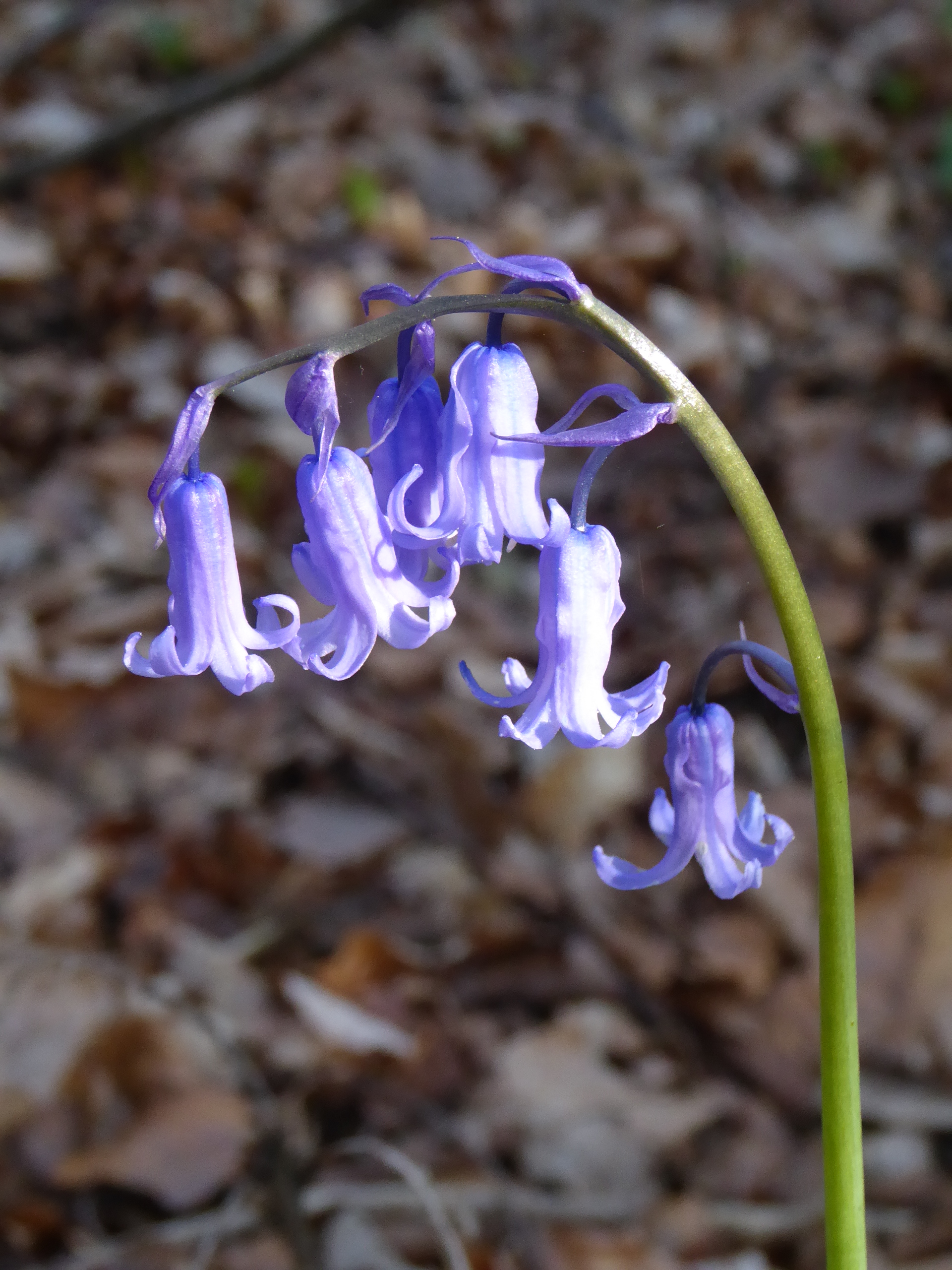
Yet another glorious, sunny spring day at my woods last thursday. Just got back from a nice caravan break in the Lake District and it’s noticeable how much the plant life has grown in such a short time. The bluebells are just starting to open here and there now.

I had three objectives. To meet Robin who had offered to help fell the last of the three big sycamores; transplant four hazel trees that had been given to me and were just heeled in, waiting to go in the coppice area once those big trees were down and take some more photos for the W.T. fixed point project. The hazel were going in an area away from the proposed drop-zone of the sycamore, so it was safe to put them in. I spotted a small frog, tried to take a photo but it just kept hopping away (as they do). I often wonder where they breed because there are very few permanent ponds in the woods.

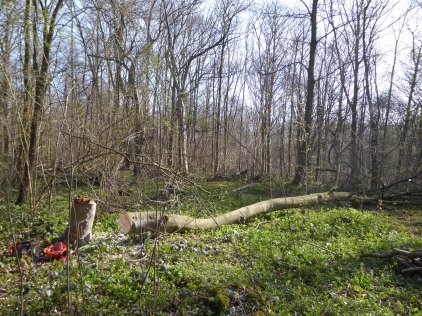
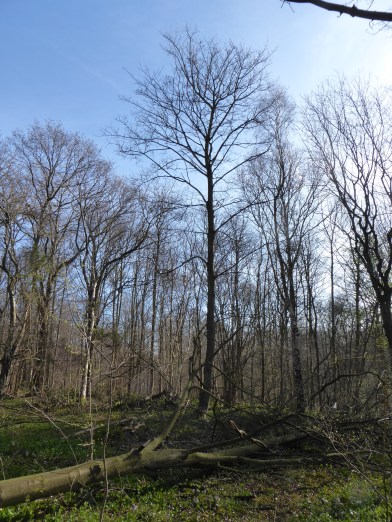
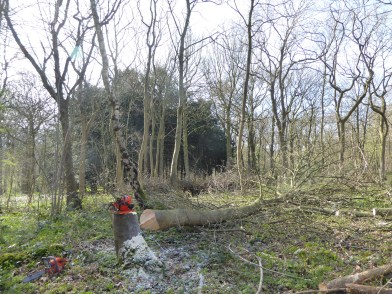
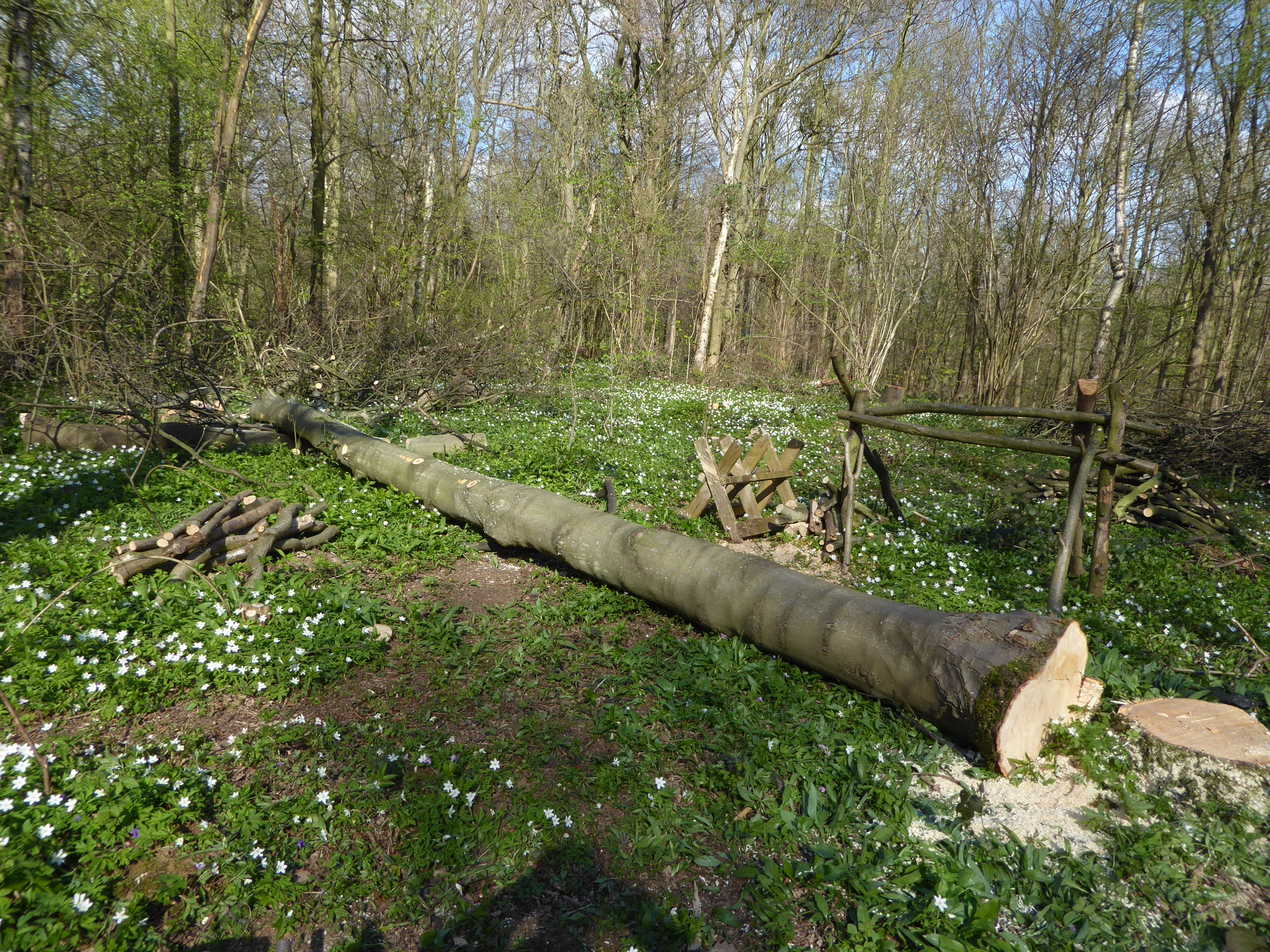
When Robin arrived he wasted no time before getting stuck into felling the big tree. He used to work in some woods near Nottinghamshire and his confidence showed, slicing through the big base at ground level. He didn’t bother with the usual “bird’s beak” method of taking out a wedge on the side you want it to fall. We just wedged the back cut to stop it falling back, then used a felling bar to lever it when it was about ready to fall. We were slightly off target and the top of it crashed into a tall hawthorn but you always have to expect some collateral damage when felling in an overgrown woodland. Robin was visibly buzzing with adrenaline and said he’d really enjoyed using the chainsaw again. I was enormously relieved to have it down safely. It just remains to be cut up and processed. Now the coppice area is looking very light an airy ready for the new season’s growth.

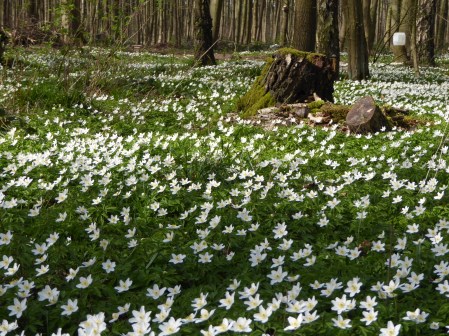
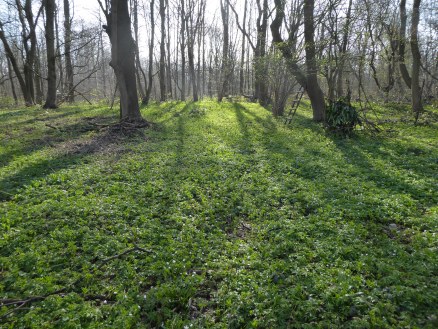
Where I brush-cut the overgrown bramble in the sycamore plantation last autumn, the wood anemonies have enjoyed the extra light and are at their very best. For now they are surpressing the bramble but once they die back in a few weeks, I’m sure the thugs will be back.

So taking a break from the chainsaw, I set about re-taking the fixed point photographs that mainly failed at the last attempt. It’s turning out to be more challenging than I first thought. Fighting with difficult lighting, remembering exactly what I took the first time and keeping the tripod level have all been issues I needed to solve. I bought a small bubble level for the tripod, made some wide feet to slip onto the tripod and brought my tablet with the orignal photos on to compare and compose my new shots. I took my time because I really want to nail it this time. What could go wrong? I had about eighty shots taken, all previewed to make sure they were good and only nine more to do. Well, my camera memory card throwing a wobbly was what could go wrong! The memory card looked full but I couldn’t see any files on it when I tried to download them. You can imagine the expletives going through my head. Fortunately after many hours of faffing about with my computer and using some flash card recovery software, I managed to retrive most of my shots. The files were not in an orderly list anymore, so trying to identify each shot was a nightmare. Still I enjoy a challenge as long as it has a potentially positive outcome and I am just treating it as a learning curve and brushing up my photography and IT skills at the same time. Technology huh!


Leave a comment

Photography and some heavy work.

Yesterday’s visit seems close on the heels of the last one but time and spring is moving so fast now that I need to get some work done with urgency. I had intended felling the third big sycamore but I have an offer of help with it next week and there was plenty of other tasks to complete. A woodland neighbour had offered me a small yew tree to transplant from their plot and it is getting late for that, so that was the first job.

The priority task was to take some more fixed point photos for the Woodland Trust volunteer role. We have earmarked six locations – three in my woods and three in neighbours. These are areas where restoration work is, or will be active. The idea being to take the same shots four times a year to monitor progress and how the surrounding area changes. It’s more challenging than it first seems. Lighting is tricky with high contrast from dark woodland floor and tree trunks, to bright skies above, or it’s just flat and gloomy. The main problem is composing the new shots to be as near perfect replicas of the original ones. I have the positions marked for the tripod but as I’m taking multiple shots in a 360 degree arc, the starting points for each shot need to be the same. I thought I had sussed that by copying the originals onto my tablet for comparison but guess what? I forgot to take it with me! I had made rough notes previously and did my best from memory but I’ve got a lot of them wrong. It’s frustrating for a perfectionist but I like new challenges and it’s making me think harder about my photographic techniques.

I took my DSLR for these shots rather than my usual compact camera so the only photos I took were for the WT project. These are very large file sizes and not suitable for this blog so unfortunately I can’t post any interesting photos this time. I have had some feedback from a regular reader (you know who you are J.) that the blog posts have lost the facility to click on photos to see an enlarged version. I wasn’t aware of that because – well I don’t need to do that do I? I think the reason is that WordPress have introduced a newer “dashboard” for writing and editing and I’ve been using that. Uploading photos is done differently now so that might be the reason. I’m using the old dashboard for this one and will post a photo as a test.

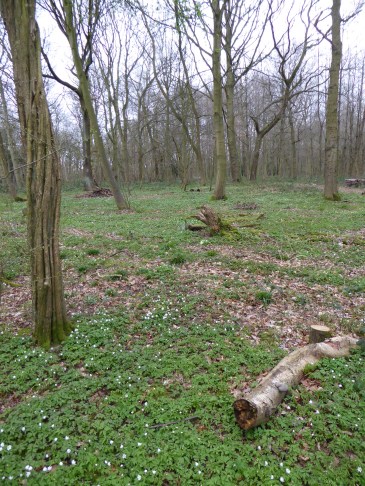
So most of the morning was photography but I wanted to get some work done. Not very interesting to write about but necessary. The afternoon was spent cutting up the felled trunks and wheel-barrowing them back to the logshed and dumping them in a heap ready for chopping and stacking. In between trips I rested and took in the beauty of the woods. They really are coming into their best now. The wood anemonies are a joy to see, a carpet of green and white. The very first bluebells are just opening, so are celandine, violets and wild cherry blossom. Hazel and hawthorn leaves are opening and the very first sycamore here and there. I filled up the bird feeders and sat still in my shelter. In a short while a spotted woodpecker landed on the feeder followed by numerous small birds – bluetits, great tits, coal tits and chaffinches. A robin flew into my shelter and quickly departed after seeing me. These simple experiences are what bring joy.


Leave a comment

Two down one to go

109

Yesterday was glorious and the wood anemonies have enjoyed the better weather. Sunny and mild and the woodland was alive with birdsong. A pair of nuthatches are taking up residence in the dead birch tree that the woodpeckers nested in last year. I was hoping they would nest there again but I’m happy with the new folks. My main remit mainly involved chainsaw work. I wanted to remove some small stumps to allow my car to go further down the track where I shall try the car camping again later. It’ll also make it easier for loading logs and tools. The big job was to try to tackle one or more of the “big three”. These are three sycamore in the hazel coppice which I had identified as “victims” of my chainsaw. Sycamore are very shade-heavy and the hazel needs as much light as it can get to thrive. I always feel a little sad and guilty taking down big trees but it’s for the greater good and in fact the stumps will sprout again and form coppice-like trees which can be cut again and again for firewood in future. These three are the biggest I have tackled so far. Not the tallest but the widest and therefor scariest. I had been offered some help but that plan fell through and it’s been nagging me that they need to come down now before the regowth starts. If left till next next winter, the new hazel growth will be in danger of damage when they are felled. So it was with some trepidation I decided to bite the bullet and have a go at one or two. Tree felling of this nature, on your own is really not recommended but neither is trying to land on the moon!

086

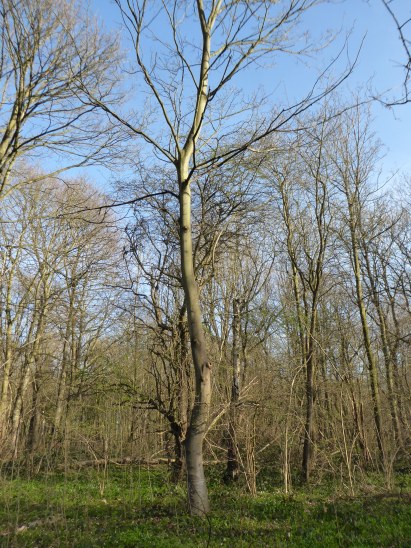
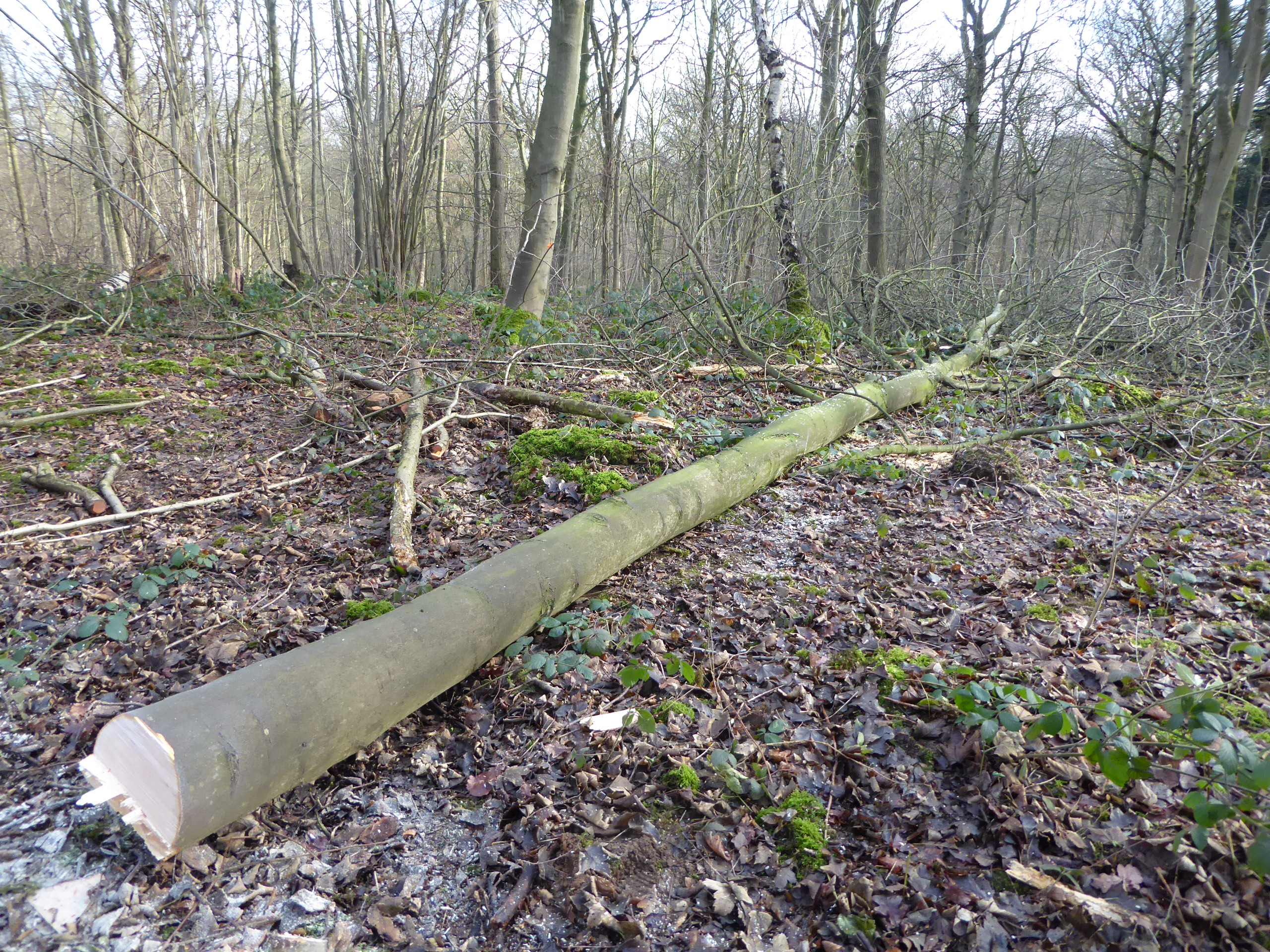
This photo doesn’t convey the actual size and weight of the first tree. In fact it looks quite puny but the base was about fifteen inches in diameter – slightly wider than the length of my chainsaw blade. The curvey nature of the trunk made it hard to guage where the main weight would be – which is where the tree would “want” to fall when cut. You need to work with this natural balance but at the same time try to cut it so that it falls where you want it to. i.e. in a gap or where it will do least damage to neighbouring trees. I took my time and it landed perfectly where I planned it.

096

Feeling my confidence growing I set about the second one. Slightly bigger and straighter but in a trickier position to get it to fall into the gap I wanted. If it fell a little too much to the left it could get hung up in another big tree and that would have been a nightmare to release being such a heavy tree. Slightly to the right and it would wreck my cleaving brake and hit another biggie. No big deal but I preferred not to. It’s the big one centre of the photo and I wanted it to fall to the right. The bend at the base suggested it might. So that’s where I aimed it. It went with a creak and a huge thump, right where I wanted it. I was shaking with adrenalin but hugely relieved.

098

101

I decided two out of three was enough for one day and started the big task of cutting it up and dealing with all the brash. I got the brash cleared which took most of the day but there’s still a lot of cutting and chopping to do. I felt very pleased with what I achieved on my own and the experience has boosted my confidence, that I might tackle the third one later this week.
It was a real joy to be in the woods on such a lovely day even though I was very busy, I still got enough time to take in the beauty of it as it comes back to life for another year.

093.JPG

083


Leave a comment

Under the weather – in need of a tonic

003

I’ve had a nasty, chesty cough and head cold all week which has sapped my energy levels. Having spent most of the time indoors, I desperately needed a day at the woods as a tonic. It would be foolish to attempt any strenuous jobs, so I made a list of small things that would be useful but not too tiring. I have several ideas that need a little planning and forethought; a new car-camping area, a small pond, a new tarp shelter by the logshed etc.

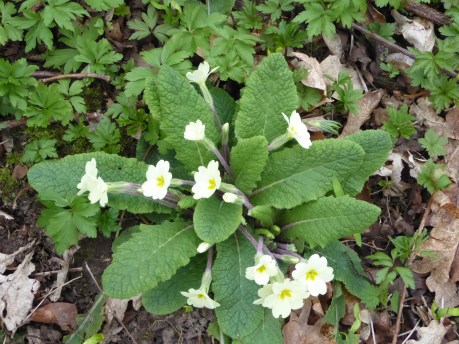
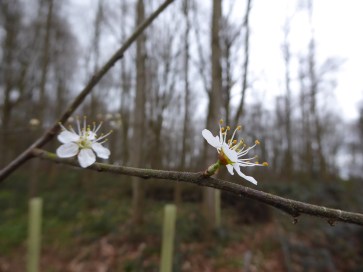
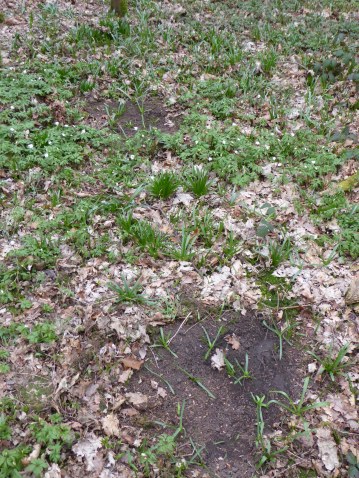
I had a really good look around, amazed at how much has changed since last visit only ten days ago. The wood anemones are in abundance and lots of flowers opening now. Leaf buds are bursting on the elder, hawthorn, cherry, and hazel and primroses in flower. This must be the first significant turning point from winter to spring in my woods. The floor has turned from a dull brown to bright green. My blackthorn shrubs planted two years ago, have their first tiny and beautiful flowers.

002

033

I watched a buzzard overhead, circling the perimeter of my patch and spotted deer tracks and badger scrapings.

004

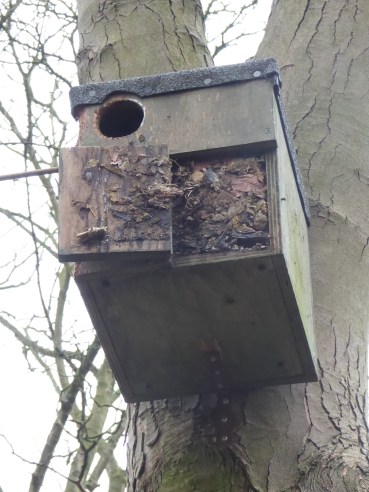
Then I put the ladder up to the Little Owl nest box I installed eithteen months ago. Nothing nested in it as far as I know but I needed to check that it was clean and ready for occupation. There were signs of something nibbling around the hole and edge of the box. There’s a door on the front which I gently opened. Something had clearly made a home there at some point. It was crammed with old leaves. There were abundant creepy crawlies and I suspected it was an old nest but what creature had made it? A squirrel or a woodpecker maybe?

016

I decided to clear it out but carefully in case it was still in use, so I took a large trug up to put the material in. After removing the outer layer blocking the opening, I could see the inside was not as full and slowly proceeded to pull the rest out. That’s when I noticed a movement in the debris. Had I imagined it? Was it a large beetle? No the shuffling was something larger. Whatever it was, it was obviously unhappy with my interference. I watched for a short while but didn’t see the actual animal. I am guessing it was a mouse of some sort and I stuffed the dead leaves back in a closed the door. It will have a bit of housekeeping to do but should be OK. If Little Owls do decide to nest there later, they might find a ready meal waiting in the larder.

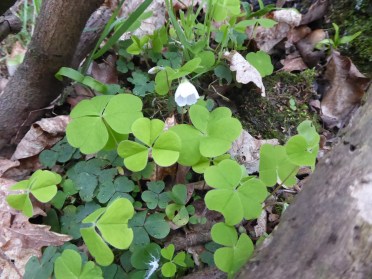
I was pleased to see that some of my groundcover transplantings last year have survived. I have one patch of wood sorrel only but the wild garlic and some primroses are looking good. I’m going to try splitting some ferns and replanting in other areas this year. Wood sorrel, below, tastes like cooking apples. Also it’s what the Irish call Shamrock. Popular at the moment with poncey London chef’s who add the leaves to salads. It contains oxalic acid which is not good for us in large quantities but ok in small doses.

019

I found a possible spot for a small pond, a natural hollow which always seems damp. My woods are very well drained and have no natural water courses, so it’s going to be a struggle to keep a pond supplied with water. I’d like to have one though, mainly for the birds and animals to drink from. A source of water is very important for birds to digest their food. It’s going to be an experiment for later in the year.

Another plan I wanted to investigate is to find a better position for my car when I try the overnight car-camping idea I had last year. One of the problems I had was being underneath some large sycamore tress. The the tarp I slung over to give me some privacy and shelter, got covered in the sticky goo that aphids produce. Also it was a bit too close to the ride to feel any sense of privacy if anyone should be taking an early morning walk. I figured out a much improved position just a few metres further into the wood from my car track. If I remove a dead tree stump and a couple of very small hathorn stems, there’s a nice area just big enough for the car, that is surrounded by tall hawthorn trees which form a canopy. That feels much more cosy and shouldn’t be bothered by aphid goo. The trees are nicely spaced to anchor my ridgeline for the tarp and it’s also next to the logshed and work area, making it easier in future for loading up logs to take home. Until next time, thanks for reading.

040


Leave a comment

Spring stirrings

004

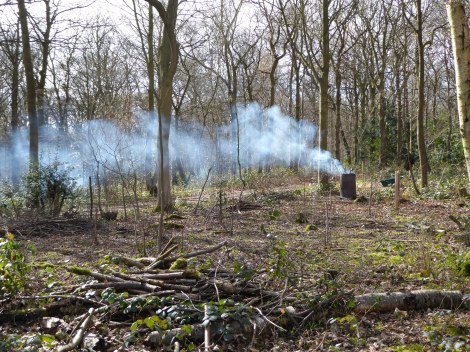
Quick on the heels of Saturday’s coppicing course, I visited again yesterday. The weather was fantastic, sunny and there was a definite feeling of spring stirring. The wood anemone leaves are starting to push through and I even noticed an odd flower on one or two. The bluebell leaves are fattening up and it looks like there will be many. I haven’t done any work there for about three weeks and I’m keen to get the hazel coppice area sorted out before the regrowth starts. I still have three largish sycamores to fell but I need help on those. What badly needed doing was clearing away some of the brash that has been left from the previous two winter sessions. Although the bulk of it went into the dead hedge, there were still piles here and there that were causing trip hazards and also taking up space where I want to do a bit more planting. So my first job was to roll my neighbour’s old oil drum, that they use to burn brash, down to my coppice. I set it up on the edge so as not to damage useful planting areas. It seemed like a nice steady-away job but it was hectic work. A lot of walking around with bundles of dead sticks and branches that behaved in erratic ways as I carried then across the the drum. Sort of like carrying an armful of octopi. That took up most of the morning.

003

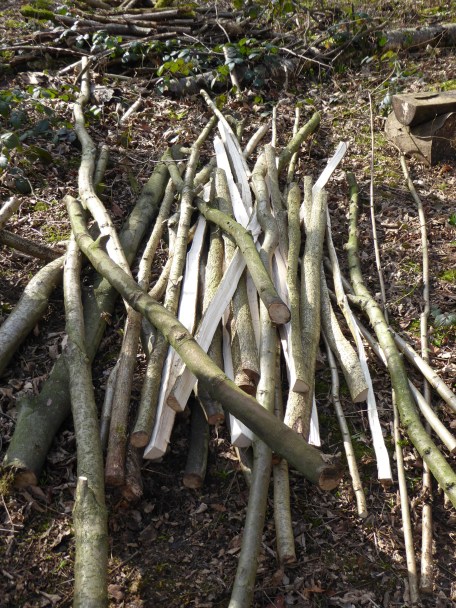
The other main job was to move the poles that I had stacked on my cleaving brake. These are what I kept as potential stakes to support netting around the newly coppiced plants to prevent the deer chewing the tops off, which is what happened last year. Some of the poles were quite thick and if split, would make two or even four stakes. I put my newly learned skills from Saturday, into practise. Using a froe and the cleaving brake (a sort of frame that acts like a vice) I managed to successfuly split, or cleave, several of them down. You can see them on the ground here.

002.JPG

My neighbours arrived later in the morning and started to do a bit of felling. A small diameter larch but around forty feet tall. It looked like a wimp amongst some of the others but it proved to be a very tricky one. The nearby trees were close and full of high-up branches. There was no truly clear gaps to aim it at. The tree twisted as they cut it and trapped the chainsaw. It’s then a case of trying to open the cut with wedges to release it. We cut the remaining part by hand and it started to fall, as predicted straight into the next tree. Much pulling on a rope and levering wouldn’t dislodge it. My last remaining solution was to undercut it about four feet up so that the main stem would drop and hopefully release itself. It’s a tricky technique and dangerous as you are close up to it when it drops and with no sure knowledge of how it will behave. Well it took two or three cuts like that and a hefty pull and shove to get it down. Some of the smaller trees are the hardest because they don’t have the upper weight of the big boys to crash through the nearby branches.

The nights are getting lighter and the woodland is starting to wake up from it’s winter hibernation. I can’t wait to see things growing again but at the same time, wish I had a few more weeks to get some jobs done first. People often ask “What do you do all day at the woods?” As if  ownership is just a case of walking around or sitting and looking at things. Well the day just isn’t long enough to do as much as I’d like!


Leave a comment

100th post and surprise visitor

I was wondering what to use as my title for yesterday’s visit and noticed I had 99 posts so the 100th post seemed significant (but nothing at all to do with what I am going to write about). It’s a while since I was at the woods, having had a long weekend in “that” London as my Northern mate once described it. Last weekend was scuppered due to a central heating leak which needed my attention for almost four days. Yesterday was a coppice training day, organised by the Woodland Trust and one of the other owners (Andy) who has lots and lots of neglected hazel he wants to restore. He has very little knowledge of woodland management, so booked a professional coppice worker for the day (Alistair Hayhurst) and invited anyone else at the woods to attend.

008

We were lucky with dry weather and I arrived early to try to get a few small jobs done first. After storm Doris a couple of weeks ago, I wanted to see if there were any trees down. I only found two, very rotten ones had gone. My shelter was looking a little worse for wear, I need to make a better roof and add some more logs to the walls. A job for summer time. I measured up for a potential extra shelter – just a simple plastic tarp strung up near the logshed to give some more cover for logs and my workspace when log splitting and maybe doing a bit of woodcraft.

It was soon time to collect some gear and walk down the long ride to Andy’s wood where the training was happening. Alistair makes a living as a coppice worker in Derbyshire. He makes all sorts of products from hazel and willow. Few coppice workers have their own supply of rods to harvest and have to buy it. How it works basically is that when a woodland owner has an area ready for cutting (usually every 7-10 years) workers interested in buying the harvest put in a bid, the highest is the winner. They then go in and coppice (cut it down to ground level) deal with the brash and take the wood away to be worked into their products, such as hurdles, fences, garden furniture, bean poles etc. An acre of hazel can cost £1000. Alistair also travels around giving demonstrations.

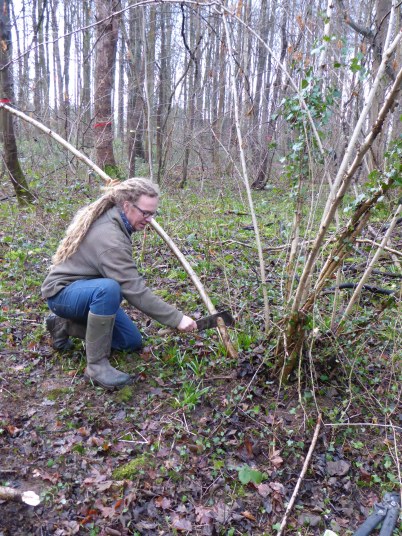
We were a small but enthusiastic group and the plan was for Alistair to demonstrate the cutting and layering of the hazel rods. We would then all muck in and “attack” an area, practising the techniques and clearing under his supervision. Here he is explaining how to layer a rod using a traditional tool – a billhook.

004

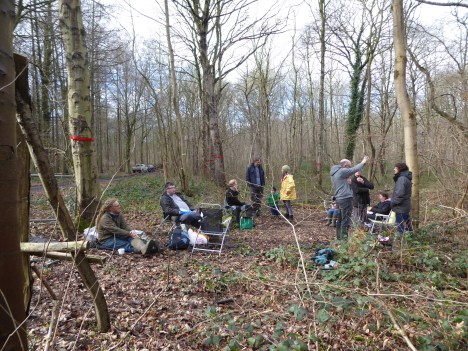
Layering is a way of producing new plants and increasing the stocking density of the area. You select a long straight rod, around an inch in diameter and partly slice through, near ground level until the rod falls to the ground but still attached to the base. The rod is pegged to the ground about six feet from the plant which will send new roots down. After a few years, the rod will have rotted away, leaving a new young hazel tree. The parent tree will have sprouted new growth ready for the next cutting. We had a break for lunch and sat in the winter sun, chatting and realaxing for a while.

007

After lunch we did some more coppicing, then a demonstration of how to split the rods using a tool called a froe and a sort of wooden frame called a cleaving brake which acts as a sort of vice to wedge the rods whilst you work on them. The reason for splitting them is to create more material for your products out of the rods you have cut. It’s a tricky technique and one that requires plenty of practice and patience. I learned a lot and really enjoyed the communal atmosphere of working together in the woods.

What about the surprise visitor? Earlier in the week, Andy had spotted something unusual lurking in my neighbours plot and posted it on our Facebook page. It was a Rhea. It’s like a small ostrich, native to S. America. It was bedding down for the night. It seemed it might have escaped from a nearby house where they were bred. The house owners said they hadn’t had any for over two years so has it been on the loose all that time, wandering the area and managing to feed istelf? Neither the police nor the RSPCA were interested in doing anything about catching and re-homing it, so it is till resident for the time being. I couldn’t find it but I’m hoping to see it next time if it’s still around. Andy tried to catch it but failed. The story continues.


Leave a comment

Some play and lots of work

046.JPG067

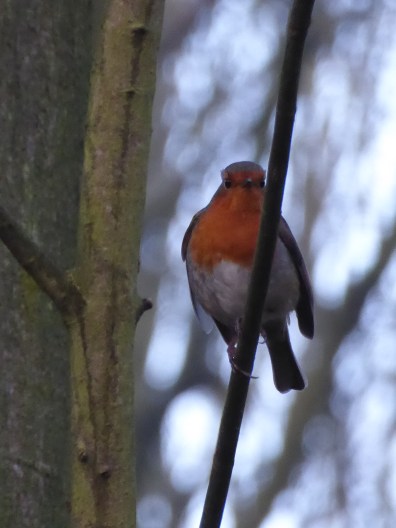
I’m still focussed on getting a lot of work done before spring. Mainly thinning and coppicing but there are lots of other jobs, so I try to do a bit of them all. Not necessarily a good mode of work but one that satisfies. It was a lovely sunny morning, though slightly misty yesterday. Lots of birds calling as I stepped out of my car into my woodland paradise. That’s how it feels to me. A woodpecker was calling nearby, it’s unmistakeable sound like a machine gun being fired. I spent a good hour just walking the woods, observing with camera in hand. I stopped at the bird feeding station and immediately a robin arrived, obviously waiting for me to refill them. It hopped from branch to branch, a few feet from me as if to hurry me along. As soon as I filled them it was joined by several blue and great tits, previously unseen by me. It’s just another soul-inspiring aspect of owning a woodland and being able to take my time to enjoy it. Feeling that I am a component part of this incredible matrix of nature.

059

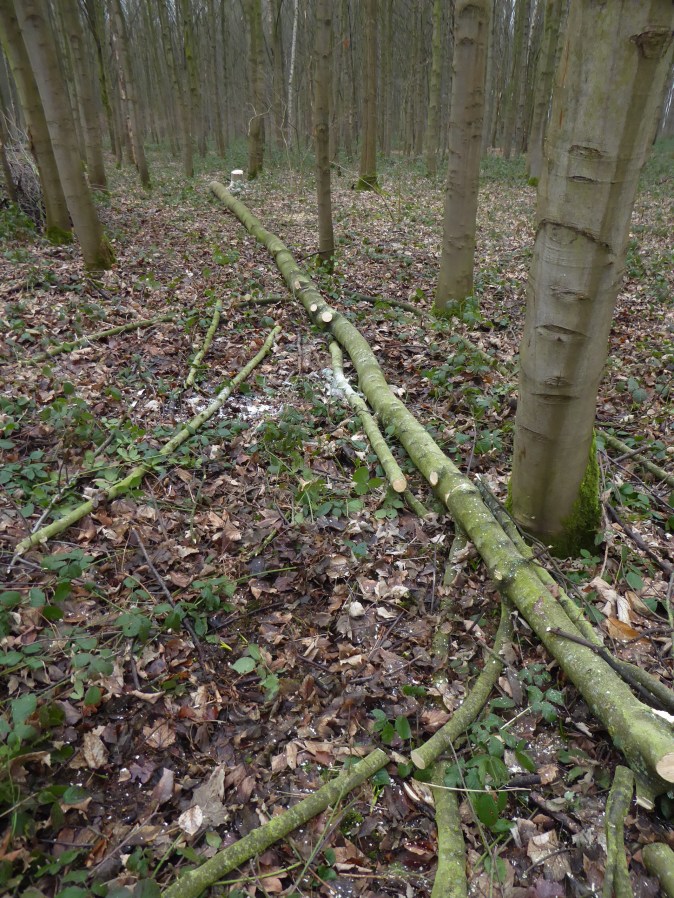
Time to get busy. There was still the felled tree to deal with. First cutting it into log sizes, wheel barrowing them back to the logshed and clearing brash. I have shoved most of it into the dead-hedge I started last year. It’s now incredibly dense and hopefully a source of protection for small birds to nest in this year. Maybe some of my robin friends will like it. After that I decided to have a crack at felling an incredibly tall sycamore. It was standing next to an oak tree that needs more light and space. It was recommended to me that I “halo thin” around it. The aim is to take down neighbouring trees until a halo of sky can be seen around it’s crown. This will “release the crown” and allow it to grow more rapidly as it is being supressed by the sycamore. The oak being more valuable than sycamore, it gets priority in my management of the woods. That particular area was planted with sycamore about 50 years ago and it needs thinning anyway. I’d already removed about four smaller ones but that hadn’t had the desired effect. There were three large ones that need to come down. These are some of the biggest I have tackled so far, so I was a bit daunted by the prospect of doing it on my own. As it started to topple, of course it got immediately hung up in the one next to it. Such a tall and heavy tree, there was no way I could shake it loose. I had to use wedges, hammered into the saw cut and carefully nibble away at the remaining hinge of wood that was still attached. I saw it start to move and backed off to see it crash it’s way through and hit the ground with an almighty thump. The surrounding trees were sent into a manic dance as it bounced them around. I kept my distance until they had all settled down again, relived to have felled this giant. I always feel a little sad to have cut down a tree and this one was a really nice staright stemmed tree. But for the good of it’s neighbours, I had to make that decision. The photo does not really give you a good idea of it’s size. It must be around 50 feet long.

071.JPG

I finished the day with some bramble pulling in an area of ash saplings that I fenced off two years. It was to protect them form deer browsing and it has paid off. They are looking pretty good but it remains to see if the dreaded ash-dieback disease eventually claims them. So far it has not reached the woods here. I headed home very tired but happy.


Leave a comment

Signs of spring but lots to do first

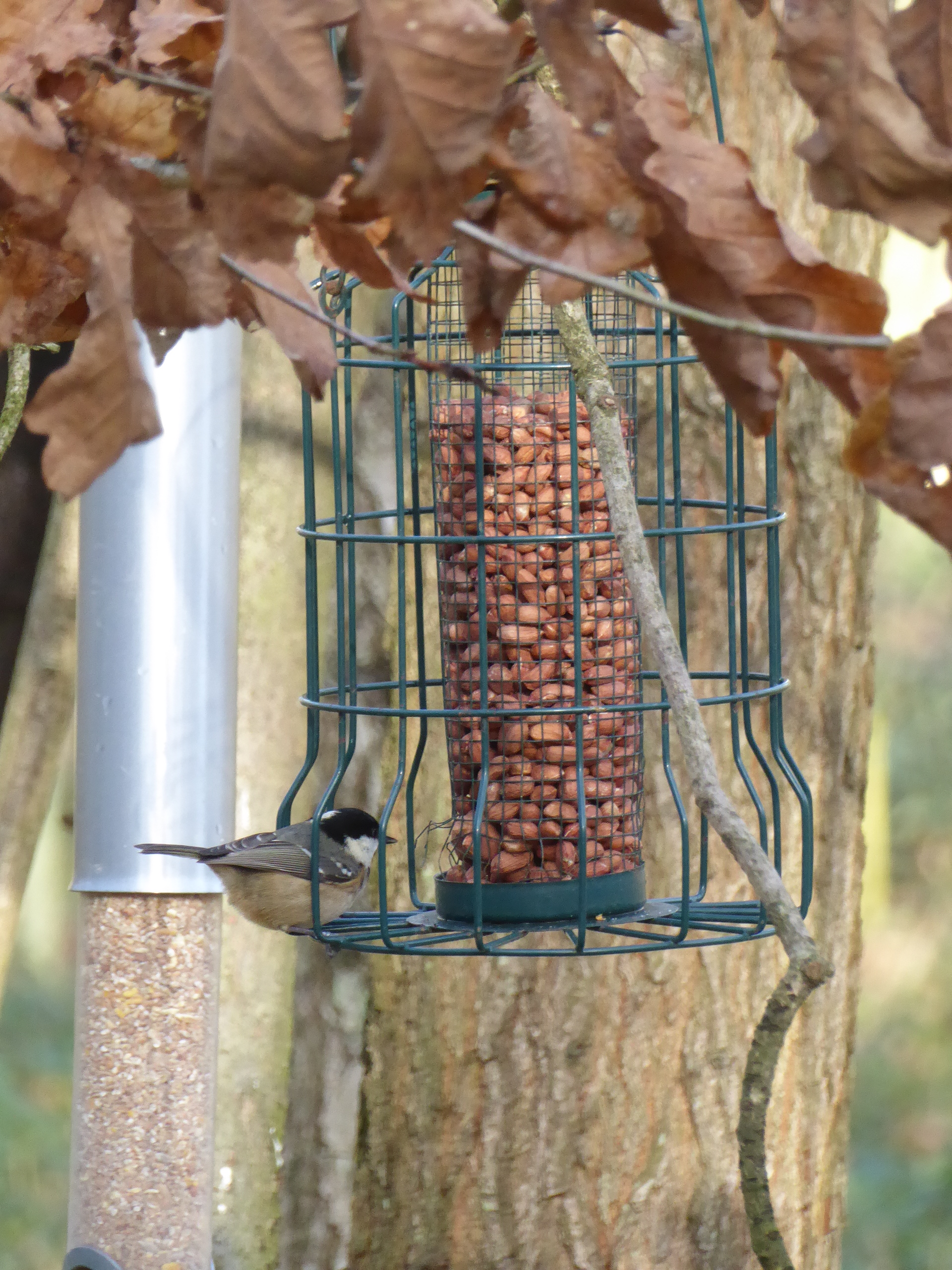
Coal tit on peanuts

Coal tit on peanuts

Saturday was almost like spring in the woods. The extra shelter from the trees meant it was perfectly still and the gentle sun warmed the air. The birds were getting the spring vibe too. Lots of calling here and there and they were queueing up at the food dispensers as I filled them. An important time now to keep them well fed. Not so much around for then to forage for and they need to be fighting fit for breeding soon. There are bluebell leaves starting to poke through now. These have come through since I planted the hazel a couple of weeks ago. Lords and Ladies and some dock leaves were peeping through too.

Bluebell leaves pushing through

Bluebell leaves pushing through.

It’s a race before spring to get more jobs done. I worked most of the day wheel-barrowing the cut logs from a few weeks ago, back to my work area where I split and stacked them into crates for seasoning. In the hazel coppice I have earmarked four decent sized sycamore for felling before the new growth comes on the hazel. To be honest I am  nervous of these, as my experience is still limited and working on my own in these situations is a little bit scary (yet exciting too). I picked the easiest one, a fairly straight stemmed tree and worked out where my cuts should be to drop it neatly down the side of the coppice area, away from any saplings or new growth that would get crushed otherwise. There’s more to this than meets the untrained eye. The tree will have a natural weighting to one side and that is where gravity will pull it if you were able to quickly slice it off at the base. To calculate this you look at which way it is naturally leaning. Then look up and see where the upper branches are. How heavy are they? Are there more on this side than that? Does the stem have a bend in the opposite direction etc? You have to make a mental judgement on these factors, trying to find how they will influence the drop, then decide where you actually want it to go. You’ll pick a place not far from where your calculations take you but there might be something obstructing it, preferably to be avoided. So you can make your cuts slightly off to one side, which if done correctly, will steer it slightly that way.

There’s a moment when cutting, when you see a slight movement in the trunk in front of you. The cut is opening up. Thank God you got that bit right. If it doesn’t, you’re in trouble. Your calculations were wrong and the tree can start to come back to you, trapping the chainsaw blade and you’re gonna have a helluva job getting it out. The tree starts to tilt but you don’t have time to look up to see what’s happening, you cross your fingers and trust to luck that you got it right. Pull the saw out and step back to one side. No turning back now. A loud thump confirms it’s down and if you’re quick enough to turn your head, you might see it actually hit the earth with a shudder and to see twigs and branches flying here and there. A wave of relief comes over you and if you did get it right, relief turns to mild euphoria. On this occasion I’m glad to say I got it just right. Now the hard work comes, processing and clearing it all up.

016

It’s a shame I had to fell this one as it’s a lovely long, straight stem but sacrifices have to be made for the good of the dozens of hazel bushes that will benefit from the extra light and nutrients. Some consolation is that the sycamore is not dead. It will send new shoots and become a coppiced plant too. In a few years the new growth can be cut for firewood and the cycle starts again.

My last visit a week or so ago was not recorded here. It was a special visit to start my volunteering role for the Woodland Trust. You might remember me saying I was going to be taking fixed point photographs four times a year. It will be in areas where restoration is taking place or may be in the near future. Over a few years it will provide a visual record of new growth and how the woodland adjusts and responds to thinning and replanting or natural regeneration. I met with the Project Officer and we pinpointed six positions. Some in my patch and some in nearby neighbours. I have to say it is more challenging than I expected. We planned to do some 360 degree shots from my tripod. It was a sunny day and at this time of year, the sun is low giving very contrasty lighting conditions. Trying to take 360 shots means that some will face straight into the sun and be unusable. Still it is a learning curve for me and making me think more about my photography techniques too.

002

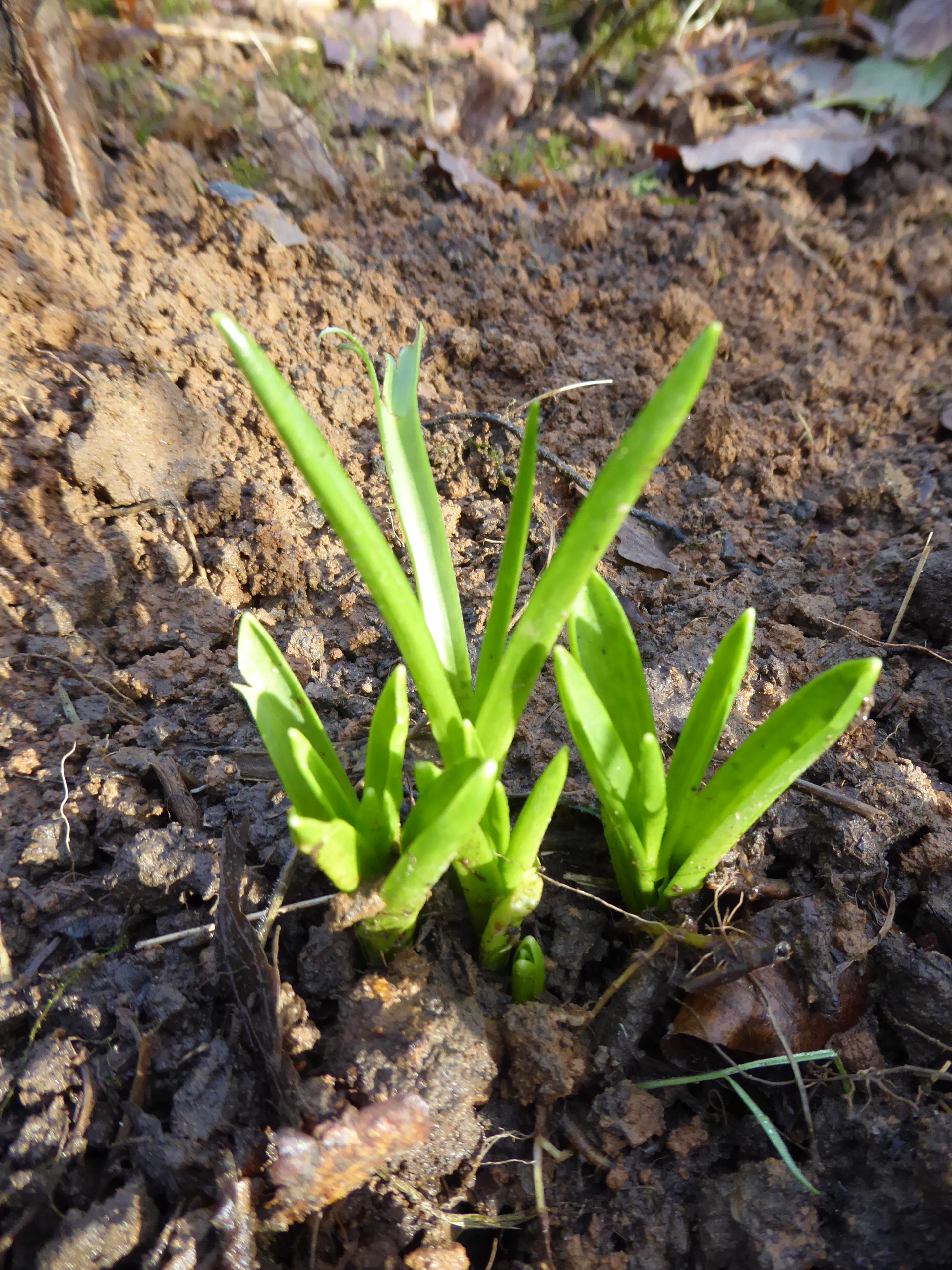
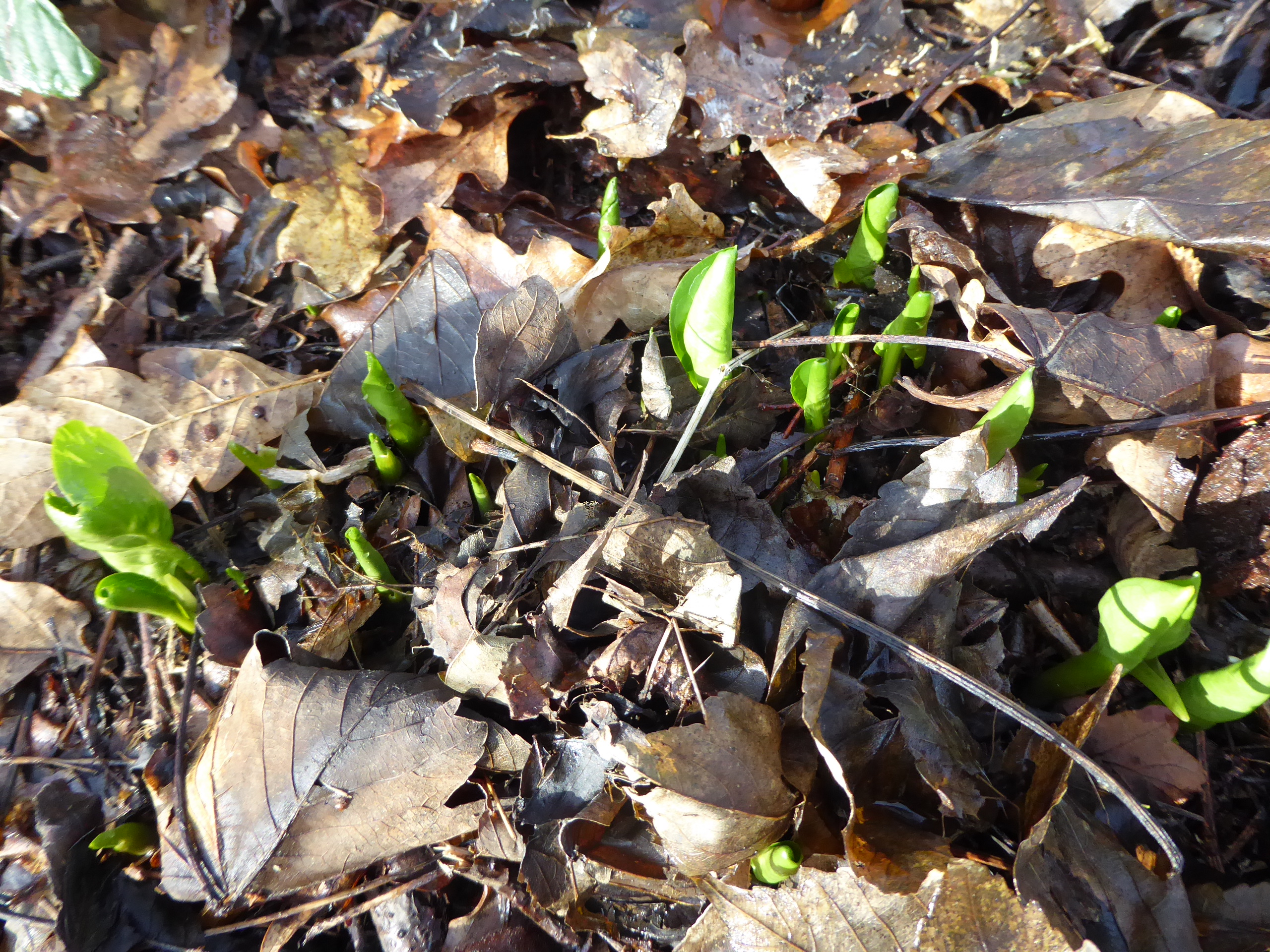
Lords and Ladies pushing through. Latin name Arum maculatum it has numerous common names – snakeshead, adder’s root, arum, wild arum, arum lily, lords-and-ladies, devils and angels, cows and bulls, cuckoo-pint, Adam and Eve, bobbins, naked girls, naked boys, starch-root, wake robin, friar’s cowl, and jack in the pulpit.


Leave a comment

Buried treasure

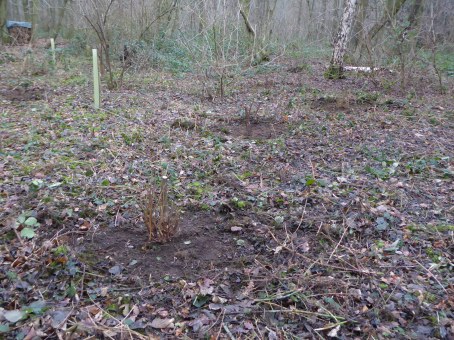
A dull but mainly fine Saturday. A good friend of mine had given me sixteen hazel plants that had been planted a few years ago as a screen in his partner’s garden. I guess they had grown too big so she had them dug up and was looking for a new home for them. “I  know a man with some woods” he must have said and so they came my way – thanks to Jane. They are quite sturdy plants, though obviously have lost a lot of root but hazel are very resilient, so I am confident that with a bit of TLC they will put down new ones this year and pick up nicely in a year or two. Rather than cut them right down to normal coppice height, I’ve left some of the stems on, about 30 cm in order to preserve some of the latent energy in them which should help them recover. I have a fairly open and bare area with plenty of light where I have recently cut back the dense bramble. I’ve planted ten of them here which should eventually become a nice new hazel coppice area. Three more were planted near my camp area which left three to fill some gaps in the hazel coppice I am working on. Here you can see some of them in the newly planted area.

008

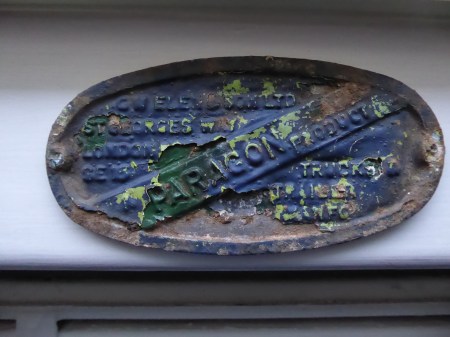
The three remaining ones needed “heeling in” somewhere until I have prepared a space for them. This is when I discovered the buried treasure. It’s an aluminium plate with words stamped on it. It looks like it came off some sort of truck, probably pre 1950s. I’ve tried Googling the company name but failed to find anything about them. An interesting find for my woodland museum though.

001a

Whilst planting, I noticed how the groundcover plants – mainly wood anemone and bluebells, are lurking just below the surface under the dead leaf litter, ready to burst into life again in a couple of months or so. At first glance, the woods look dead at this time of year but closer inspection shows that far from it being in suspended animation, there are stirrings of new life all over. The hazel trees have new catkins already. It’s with that thought that makes me realise I need to keep busy with the coppicing project. I cut back another very old and large hazel that was partly rotten. It will be interesting to see if it either kills or revitalises it.  I had identified three small to medium sycamore that were in this area that could be felled to open it up to more light. The hazel really needs plenty in order to grown vigorously. The result of felling them leaves this area looking quite denuded but I have the longer term vision in my head, of a lovely vibrant area of fresh green hazel bushes. A haven for wildlife and a small coupe back “in cycle” in a few year time.

011