Diary of a man and his woodland

A blog about a man's dream to own a small woodland.


Leave a comment

Bushcraft and camping – part 2

Oh you came back for more eh? Welcome. Day One of my bushcraft/camping adventure.

When I bought my wood a year ago, one of the main motives was to be able to get back to nature for a while, watch nature unfold and go about it’s daily business and learn some basic survival skills first hand. I’d been reading and watching bushcraft books and videos for a while but my first year of being a woodlander, was mainly focussing on getting some essential jobs done there. I wanted to try my hand at them and ultimately, spend a whole day and night there. Having done plenty of camping in my past, it was the obvious way to do it but this time, there would be no luxuries like shower blocks, electric hook-ups, lighting and take-away food. Everything would be down to what I could take, find or manufacture. The challenge was something I felt I had to do for my own personal satisfaction. A lot of thought went into the planning of the trip and this was going to be a challenge on various fronts. Arriving around 9.30 I set about clearing the ground for my tent. The area had been overgown with bramble and bracken last year but I cut it all back during winter. Of course it had started to spring up again and this is what it looked like when I arrived.
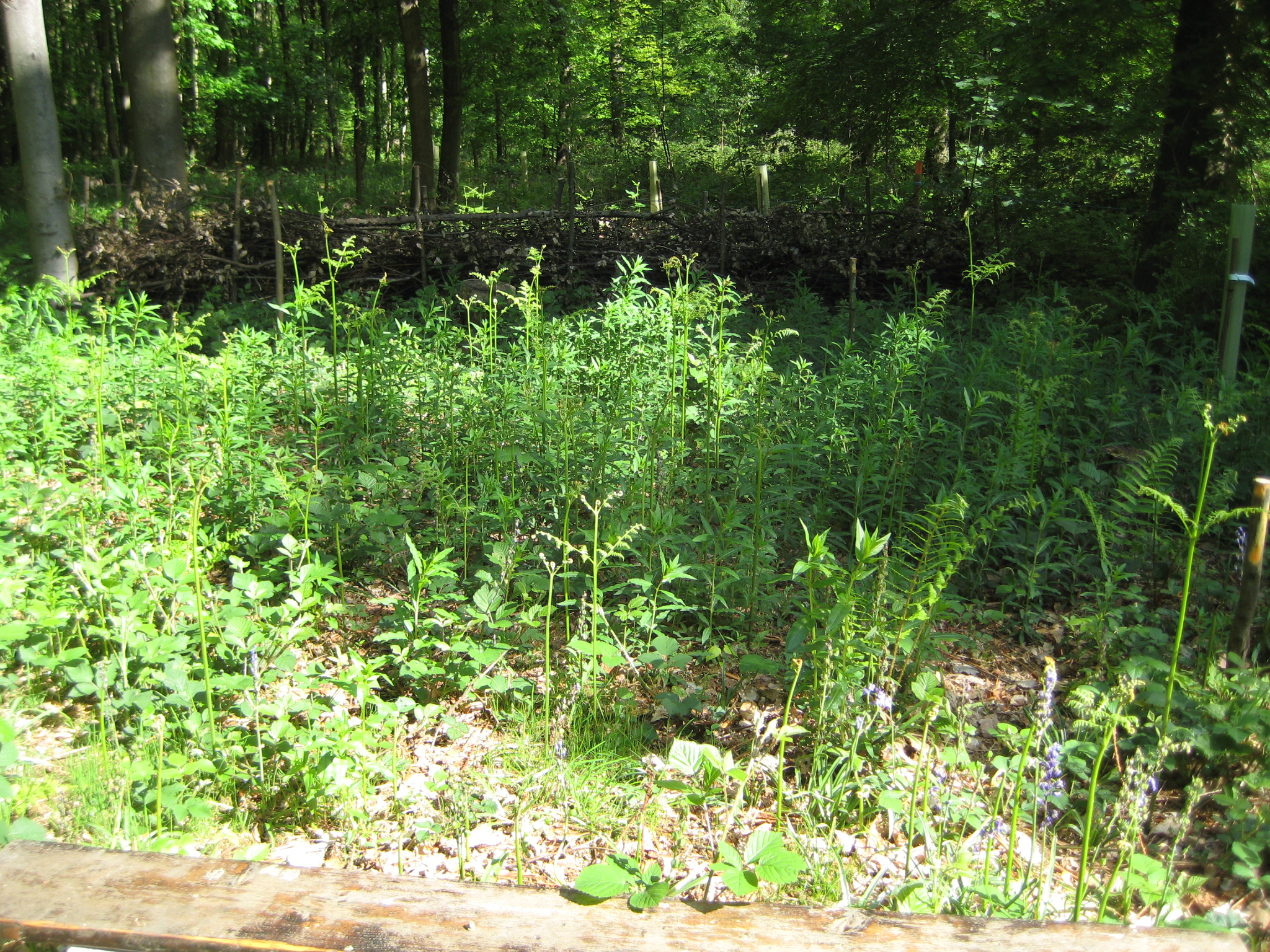
Camping area when I arrived

Camping area when I arrived

I set to with machete and rake and levelled the vegetation as best I could. The brash hedge would provide some element of screening. By the way, I found a blackbird nest in it but there were no eggs. Either they abandoned it or the young had flown. I added some more tree prunings to give extra height and put up the tent. That was the morning gone.
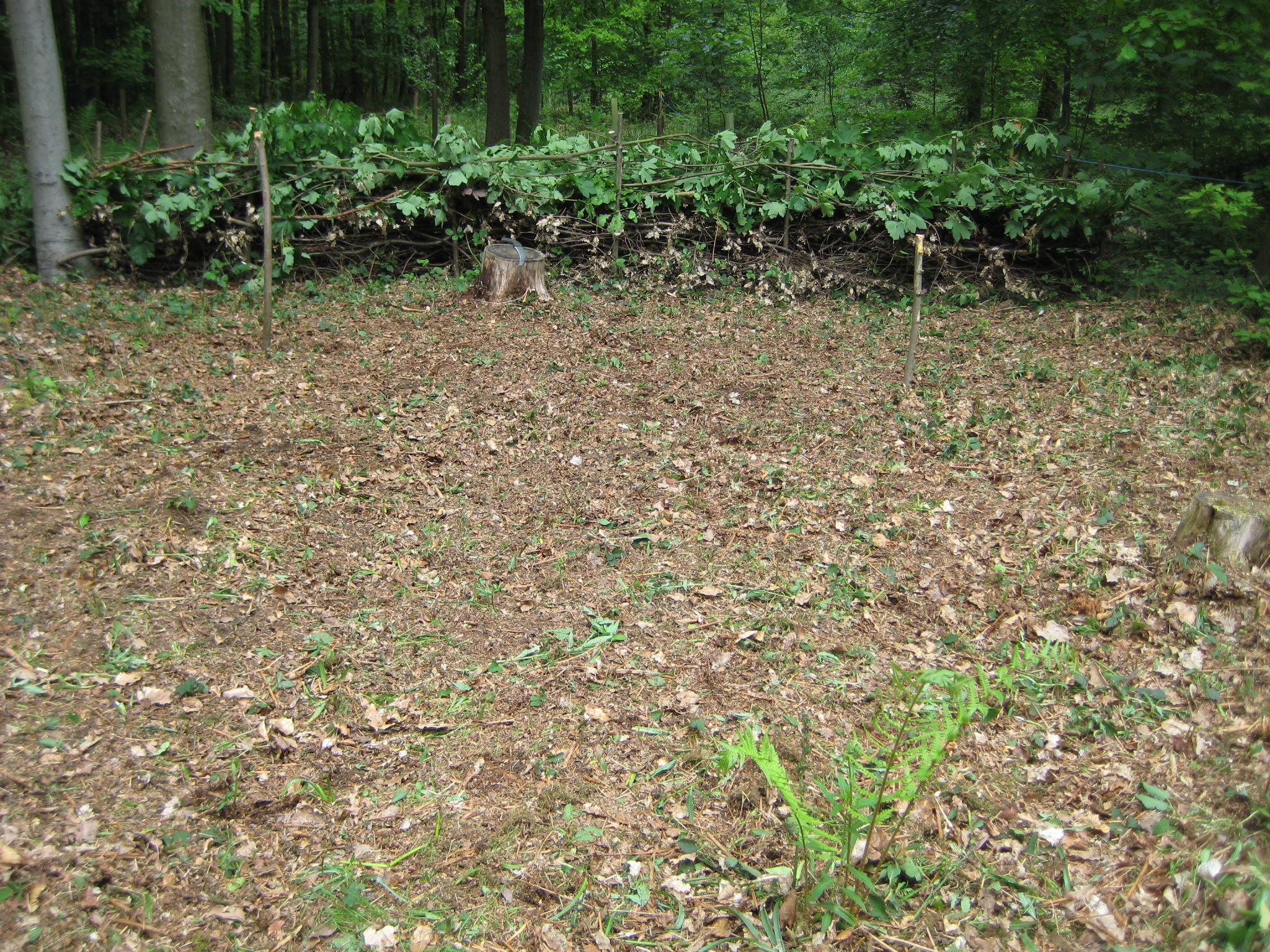
The camp area after clearing and ready for the tent.
The camp area after clearing and ready for the tent.

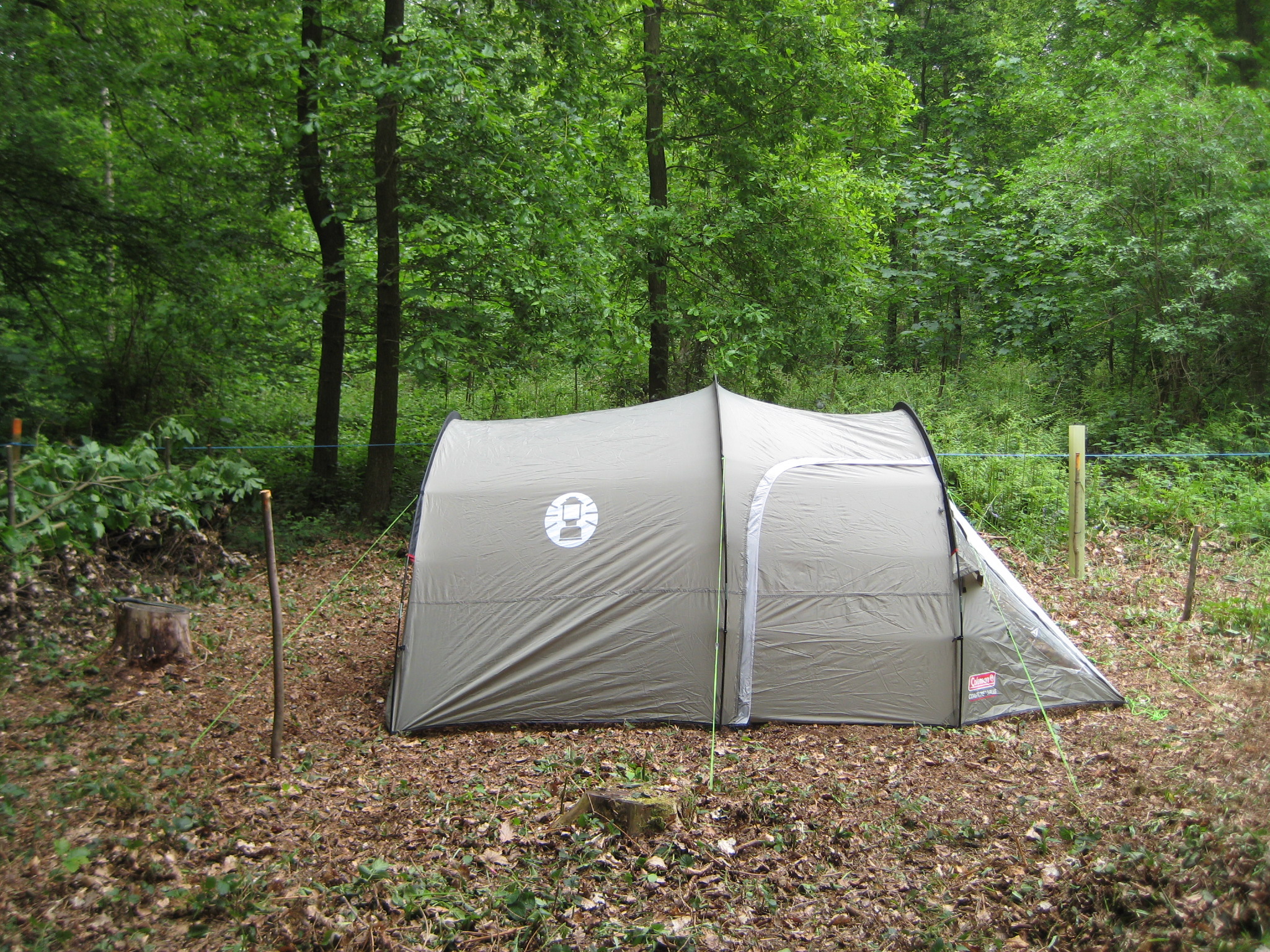
Tent up and ready for the coming night. The porch area at the front was full of flies of every decription within minutes.

Tent up and ready for the coming night. The porch area at the front was full of flies of every decription within minutes.

Lunch was sandwiches I’d brought with me. No it wasn’t cheating, it was a time saver. I needed to get lots of jobs done before nightfall. Now to build a few luxuries we all take for granted, a toilet and somewhere to cook. I made a composting toilet (basically a wooden box with a hole in the top which you place over a small pit. I made one at home from external plywood and an old toilet seat. The materials were salvaged so cost nothing apart from the preservative. I found a nice secluded area in the wood, cleared the way and dug a hole about a foot deep, placing the box over it and wedging it in place with some hazel poles. The idea is that after using it for (you know what) you throw a bit of soil, wood ash or dead leaves over it and the waste will eventually compost down.
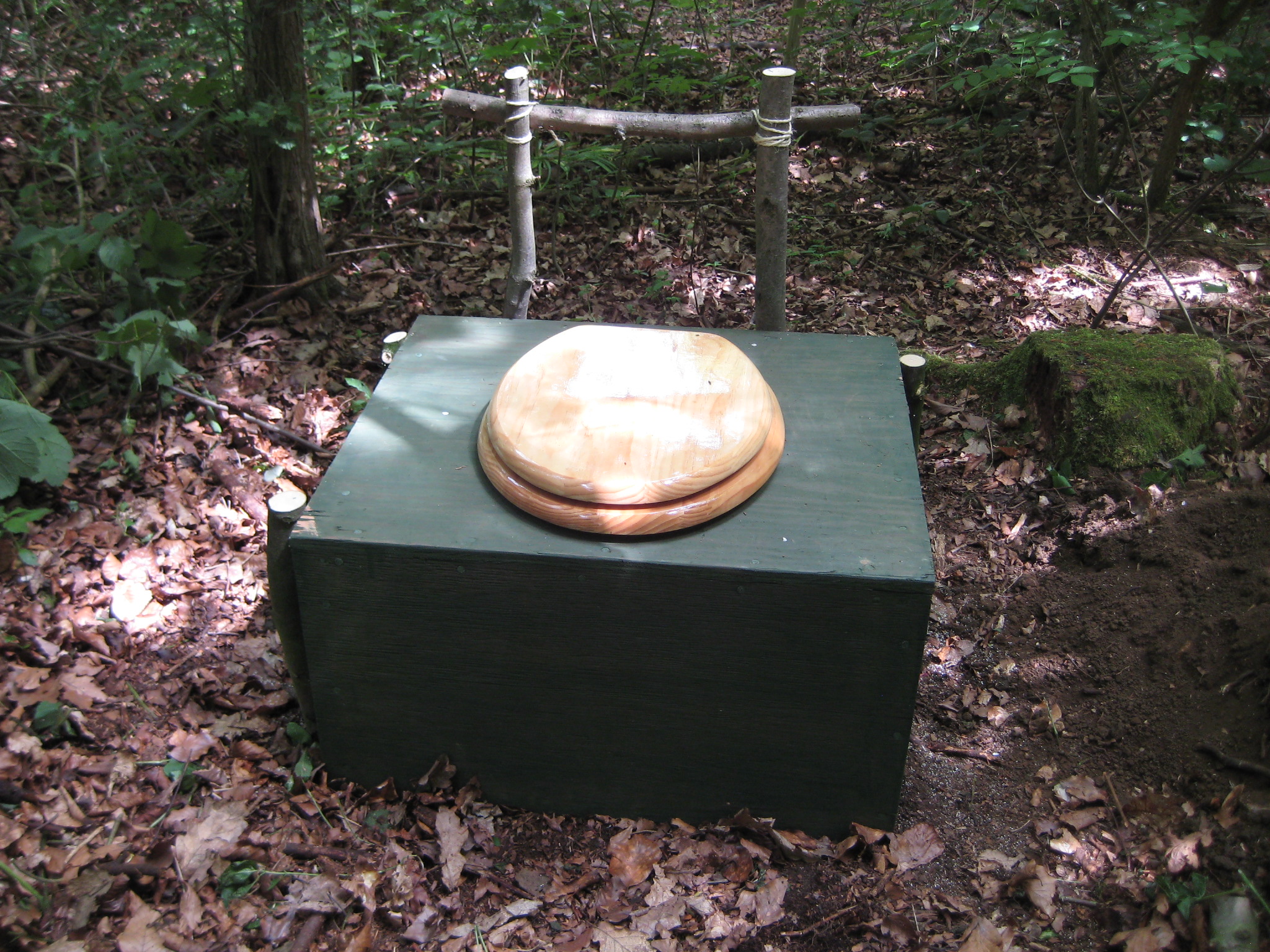
First luxury - like a home from home

First luxury – like a home from home

Next job – make a firepit and a tripod to hang my billy can and kettle on. This was very satisfying as up until now, I haven’t actually built a fire. I have used a small wood burning camping stove to brew drinks with. It was getting close to making my evening meal. I planned a simple vegetable and Quorn stew with bannock twists. I foraged some honeysuckle bark for tinder and some dry dead wood and lit a fire, hung my billy can from the tripod and started the stew. Bannock is a simple unleavened bread probably originating from Scotland. You mix flour, dried milk powder, baking powder and a pinch of salt in small zip-lock plastic bag. You add water and squish the bag about with your fingers until it’s mixed into a sloppy dough. One method of cooking is to wind a sausage shape of the dough around a fresh cut stick and hold it close to the fire to cook it. Well the doaugh has the consistency of melting chewing gum. Making a sausage shape wasn’t an option. I smeared a big untidy blob around the end and started to cook it. At one point I needed to put more sticks on the fire, so stuck my bannock stick in the ground. When I got back to it, the dough had slithered off and lay in an unattractive blob covered in debris. try as I may, I could not get it to stay on the stick so eventually gave up and threw it all on the fire. Stew without bannock is fine but it dented my confidence in fending for myself!
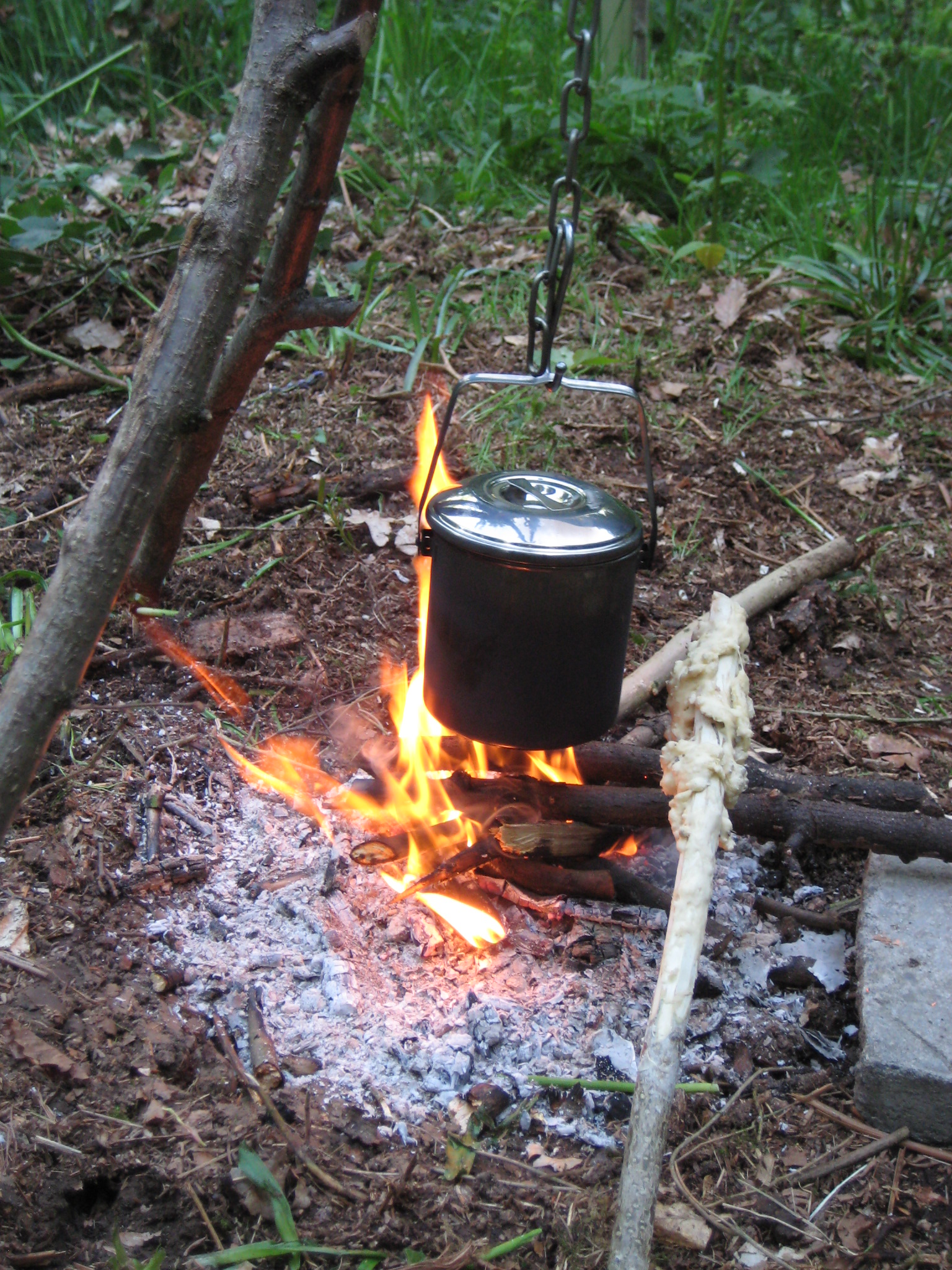
My Zebra billy can full of stew and my err - um bannock disaster

My Zebra billy can full of stew and my err – um bannock disaster

The rest of the evening consisted of pottering around, sitting and watching the birds (a very busy Great Tit back and forth feeding it’s young in one of my nest boxes nearby) and wondering what the hell I was doing there. Yes despite my enthusiasm for a Neanderthal lifestyle and reclaiming my hunter gatherer roots, slobbing on the sofa watching telly does have some attraction to it after a days hard graft. I watched the sun go down through the trees and knew the biggest adventure yet was to come. A night in the woods on my own, sleeping under a stretched piece of nylon. There were midges, mosquitos and flies of every species lurking between the inner and outer tent. Fortunately the inner tent is critter-proof and I’d kept it fully zippered up until bedtime. One last walk around the rides before light faded was very peaceful. I sat for a few minutes looking at the half moon over my trees and watching a small bat flitting around. “Eat as many flies as you like” I thought. I had no fear surprisingly but I wondered how the night would transpire and tucked myself into my sleeping bag.
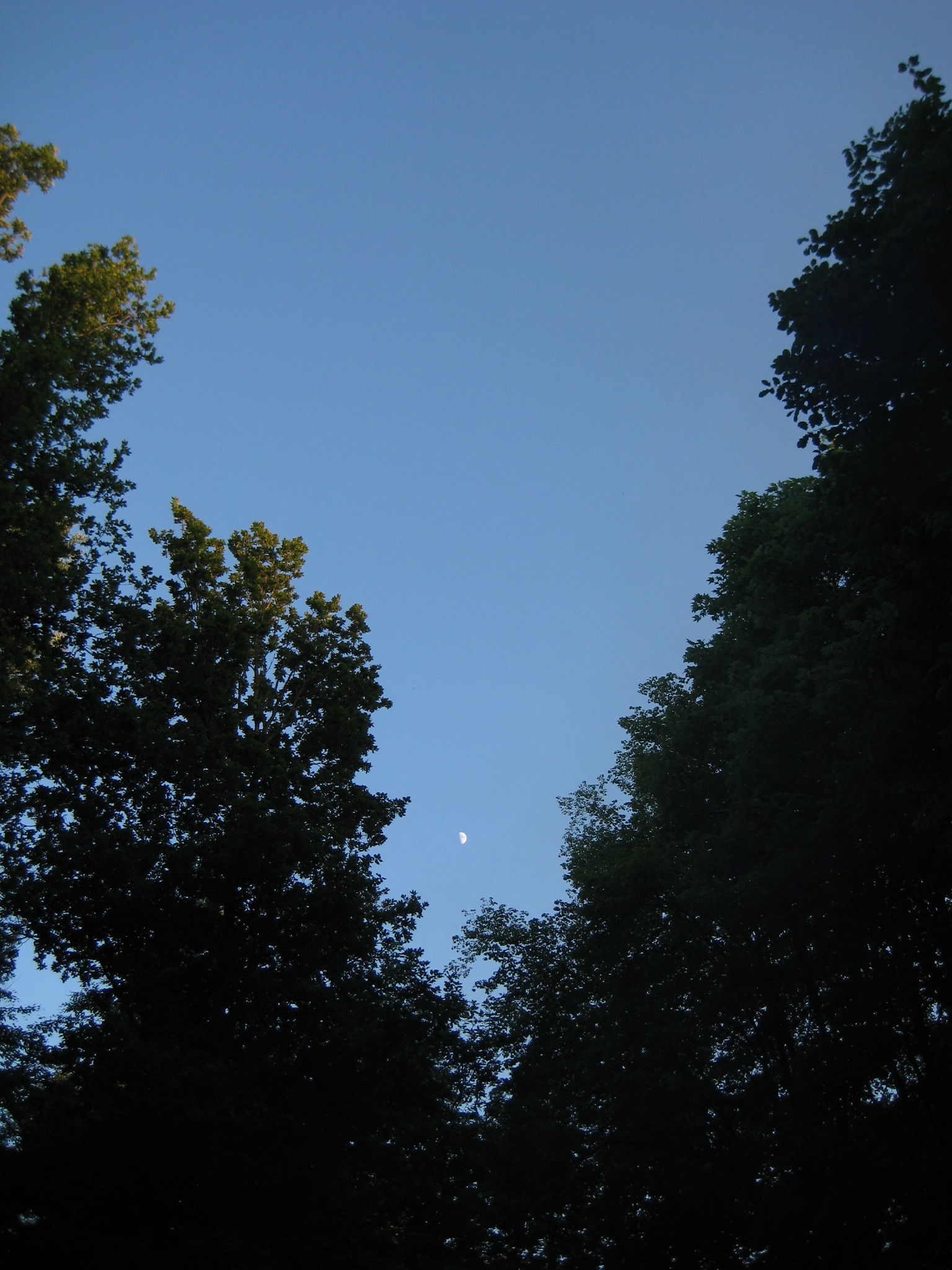
Nightfall in my woods

Nightfall in my woods

It was pretty quiet and peaceful but try as I may, I could not relax enough to drop off to sleep. Some part of my brain was on alert and every time I started to go, I came around again. The next few hours consisted of drifting, turning over, and over, and over to find that illusive comfy spot. I still hadn’t fallen asleep when the first bird started singing. Within minutes, there was a full choir. I resigned myself to just lying there and listening to the beautiful sounds of these little creatures. Unlike your city birds, they have an amazing variety of songs. Eventually I fell into an uneasy sleep and dream for a couple of hours. See you in part three.
Leave a comment

Bushcraft and camping – part 1

Lots to tell, so rather than one long post that you might get tired of, I’m splitting it into three parts. So firstly, what’s all this bushcraft stuff you might ask? It’s really a word that has been used to encompass a whole host of activities that folk like me might want to engage in. It might include foraging, fire lighting and cooking over it, wild camping, hunting, making useful or decorative items from natural materials, wildlife watching and so on. Strictly speaking bushcraft is what native indigenous people like aboriginals, Inuit, Amazonians, African and native American tribes do but they won’t call it bushcraft, they just call it living and surviving! So it’s probably an inappropriate word but it’s what is being adopted by modern day man to describe activities that are more in line with a more natural, low tech way of living that we have mostly lost.

One of my reasons for wanting to buy a wood, was to be able to practice some of these activities, as it’s very difficult to get permission to do it in privately owned woodland and against by-laws in publicly owned woods 9in the UK at least). Why do folks want to do it? Well, in our present day high-tech lifestyle we have moved so far away from our ability to work with nature and the natural world and to be able to perform basic survival tasks, that some of us now feel disassociated with our ability to provide for ourselves using our own skills and knowledge. Let’s take a basic task like making a hot drink and a meal. Mostly we fill the kettle, plug it in, put some instant coffee in a cup and pour the boiling water. Take a look at what’s in the freezer that we bought from the huge supermarket and stick a premade meal in the microwave. Bob’s your uncle done, no thought or skills required. Some might be a bit more adventurous and buy whole coffee beans, grind them up and put them in a cafetiere, grow their own vegetables and cook a meal from scratch on their gas or electric state of the art cooker.

Not that long ago, before the industrial revolution, things were much more basic and living was harder. Most folks, even in the west, were able to do a whole host of crafts and skills that were essential to everyday living and in fact their survival – grow or forage for food, make fire for warmth and cooking, make clothing and tools etc. But since then we have grown further and further away from our natural heritage and become more and more reliant on huge industries who do all this for us. Once we lived in harmony with our natural world and lived off it with direct contact. We knew what type of wood made the best fuel and light a fire, what was safe to eat from the hedgerow, how to skin an animal and cook it, how to adapt and improvise tools and small luxuries using our hands and natural materials. We are still part of nature but we have become apart from nature. That goes against the grain with many people. We have given up and lost our ability to support ourselves and with that, if you think sensitively about it, there is a sterility in our lives now and a feeling of helplessness and loss of power to be able to look after ourselves if push comes to shove and we find ourselves needing to support our lives directly from that which is growing around us.

There are a growing number of people, men and women, who want to reclaim some of that power. To learn some basic survival skills and be able to say they could sustain themselves using those skills and knowledge. It is also very satisfying to know you can do it and often the quality of life actually increases on a personal level, even though the lifestyle might be a regression to the way people lived hundreds, thousands of years ago, rather than the 21st century. Not many of us want to actually live like Neanderthals, but perhaps want to feel they have some of those skills under their belts. So now you know the motivation for living in the woods for a day or two where you can forage for fuel, light a fire for warmth and cooking, maybe find something edible and take a dump in a hole in the ground! And if you can’t see the reason for wanting to do that, then you’re probably already dead because however you do it now, it’s still an everyday requirement of being an animal – sorry human. See you in part two for my first 24 hours in a wood.


Leave a comment

Spring and new life

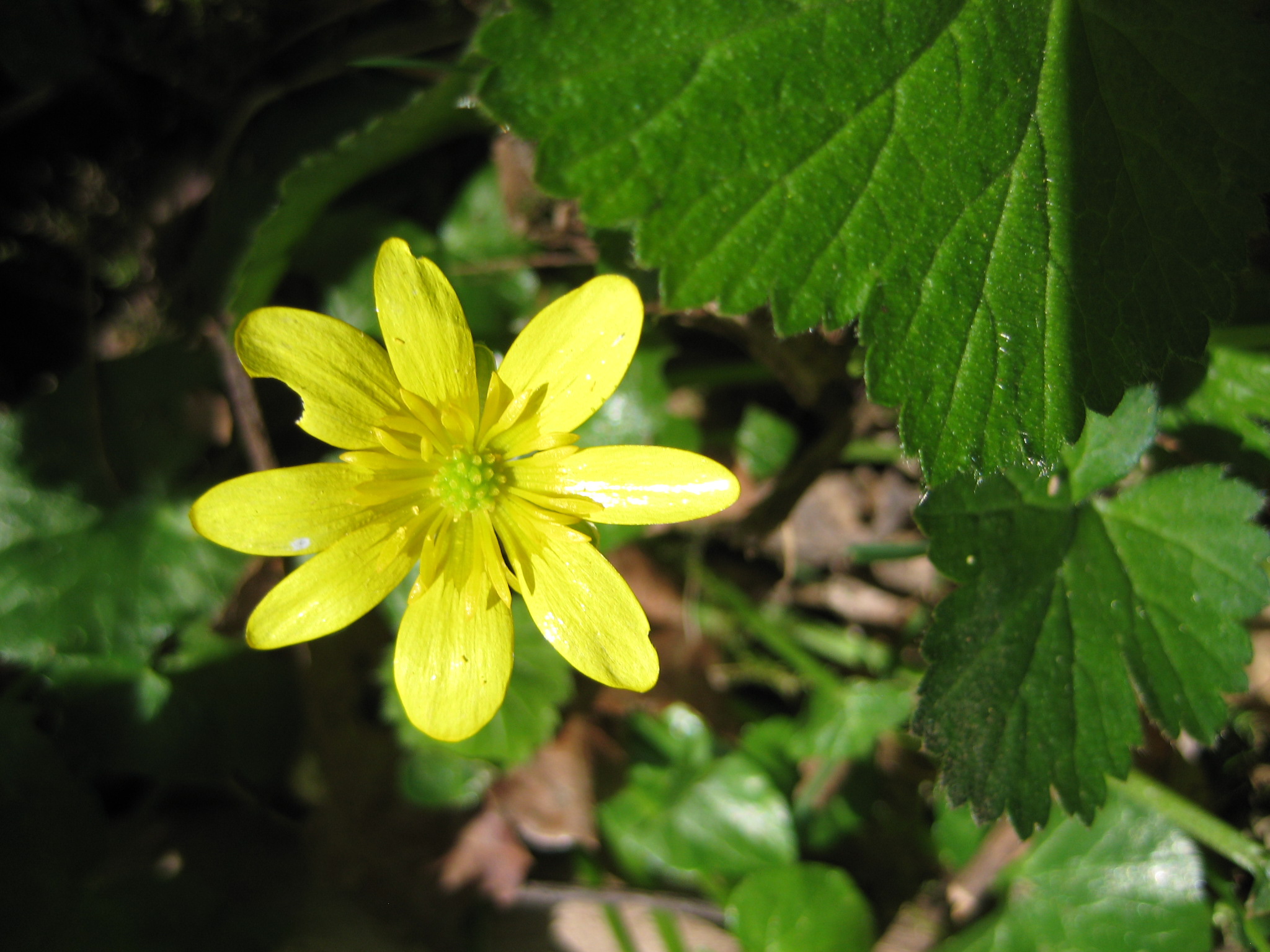
Lesser celandine flower

Lesser celandine flower

It’s just a year since I first went to view the wood and decided to buy it. I was caught by it’s beauty which was probably the best time of year to see it and yesterday confirmed that belief. I was overwhelmed by the sheer freshness and vivid greens all around. Almost everything has now got new leaves which are bright and lush and in good health. Over the next few weeks and months, that freshness will deteriorate as the plants mature, insects, fungi, diseases and small animals will eat the leaves. It seems a shame but you have to realise that it is natural and that the trees and plants are just part of the whole ecology of a wood and that all these things are simply feeding and surviving through this process. The trees and plants are the main food source, sort of the “supermarket” for all the other forms of life.

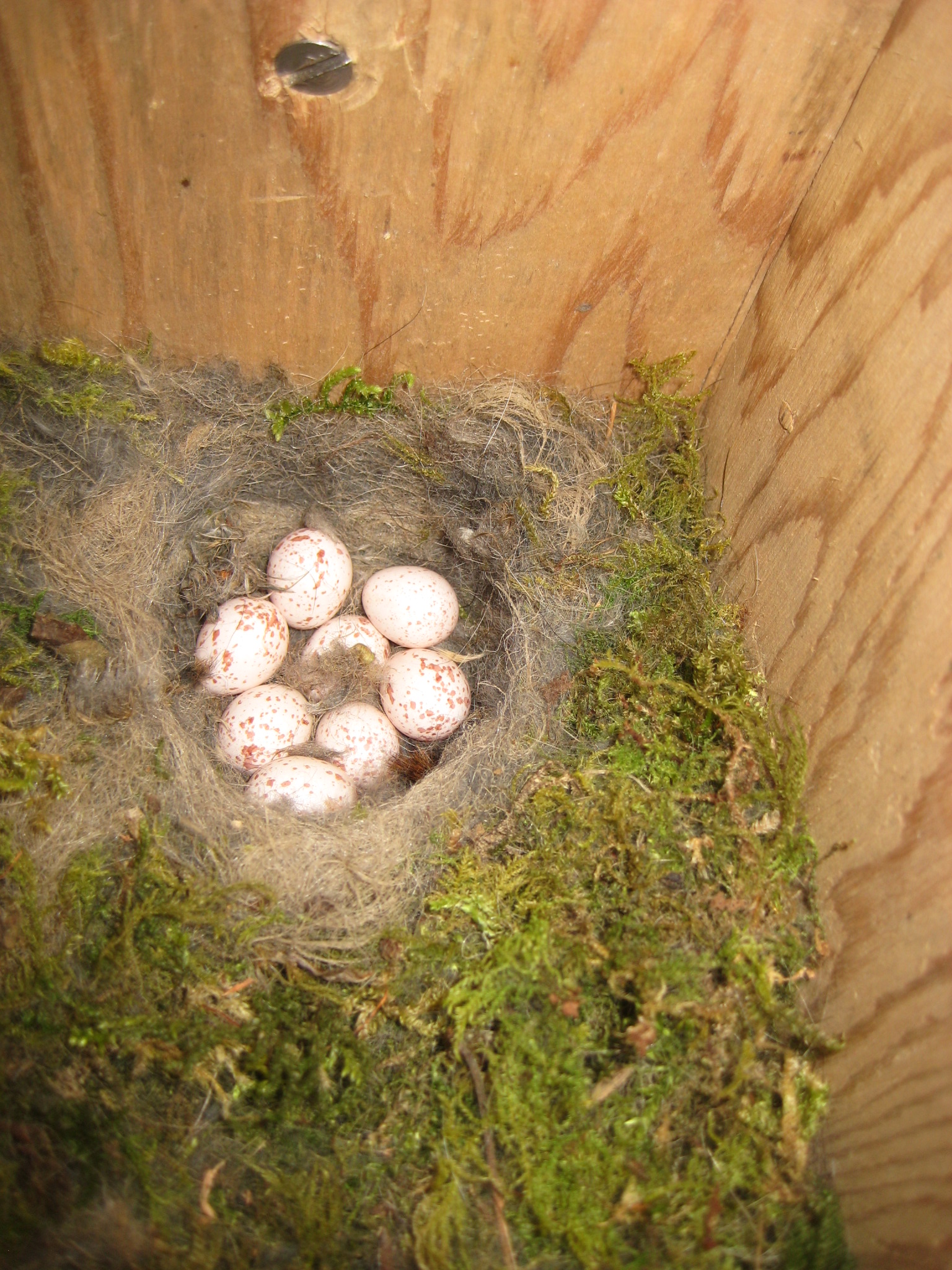
The day started dull but soon the sun came through to provide yet another glorious day for me. I have installed 9 different birds’ nest boxes and was curious to know if any of them have been taken up yet. There are three types – the conventional box with a small hole for blue tits and coal tits, similar ones with larger holes for great tits and nuthatches and letterbox style openings for wrens and robins which are placed lower to the ground. I inspected only 4 boxes (they aren’t all easy to get into without disturbing them too much.) Two were empty. One had eight eggs in it which I think was a blue tit, although the tit family eggs are all pretty similar, and one of the robin boxes had a bird sitting on her eggs but it wasn’t a wren or robin. I suspect it was a coal tit. I put the lid down as soon as I saw it but I noticed the black head.

Blue tit eggs?

Blue tit eggs?

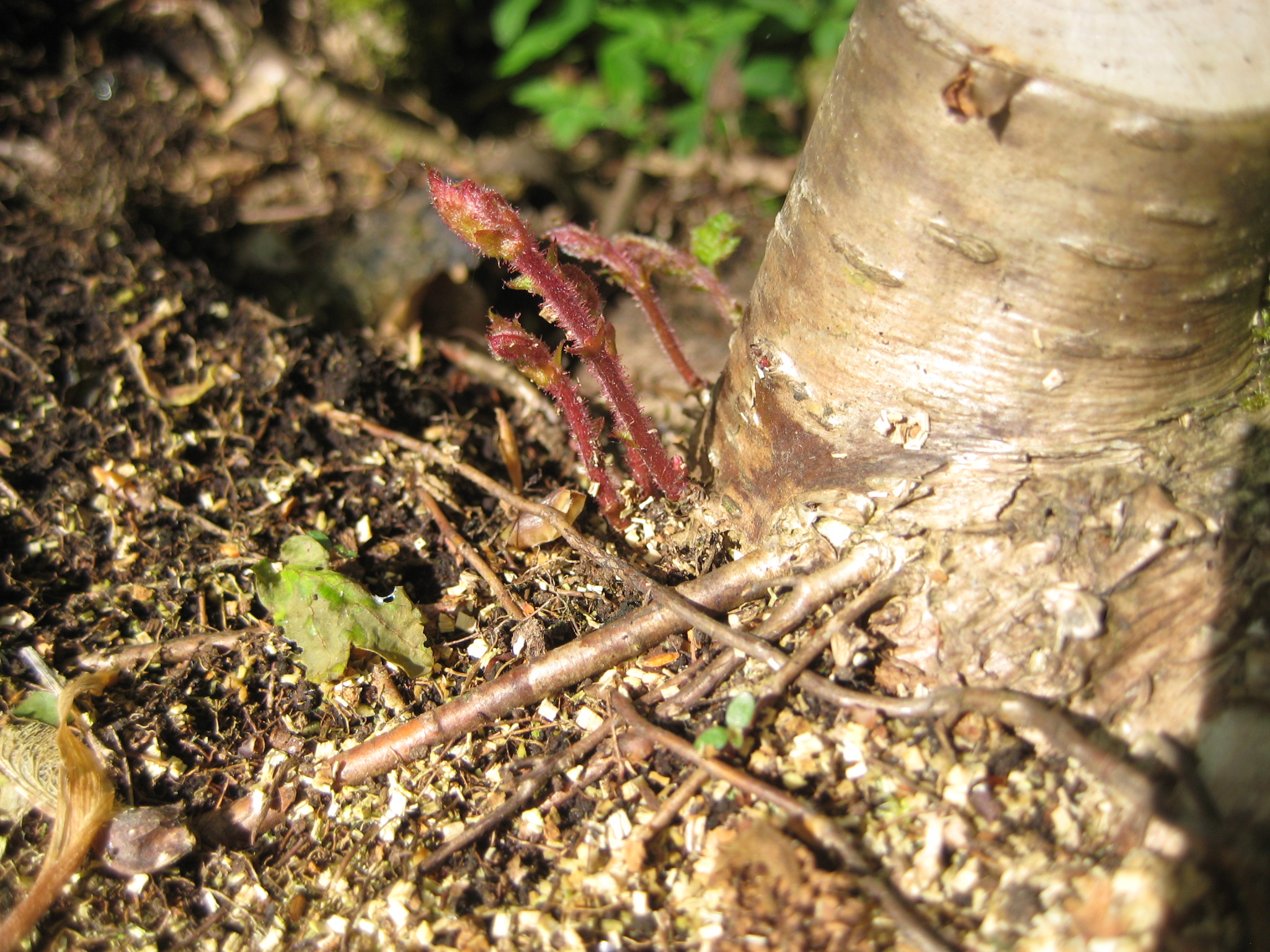
After a leisurely hour or so of observations it was time to do some work. I’ve been dragging my heels over erecting the deer netting around the hazel coppice, as it’s pretty hard work selecting suitable posts and hammering them into the ground to support the net. Until now, there were no new shoots to protect from the nibblers. Close inspection showed several baby shoots sprouting from the cut stumps. Time to get busy.

New hazel coppice shoots

New hazel coppice shoots

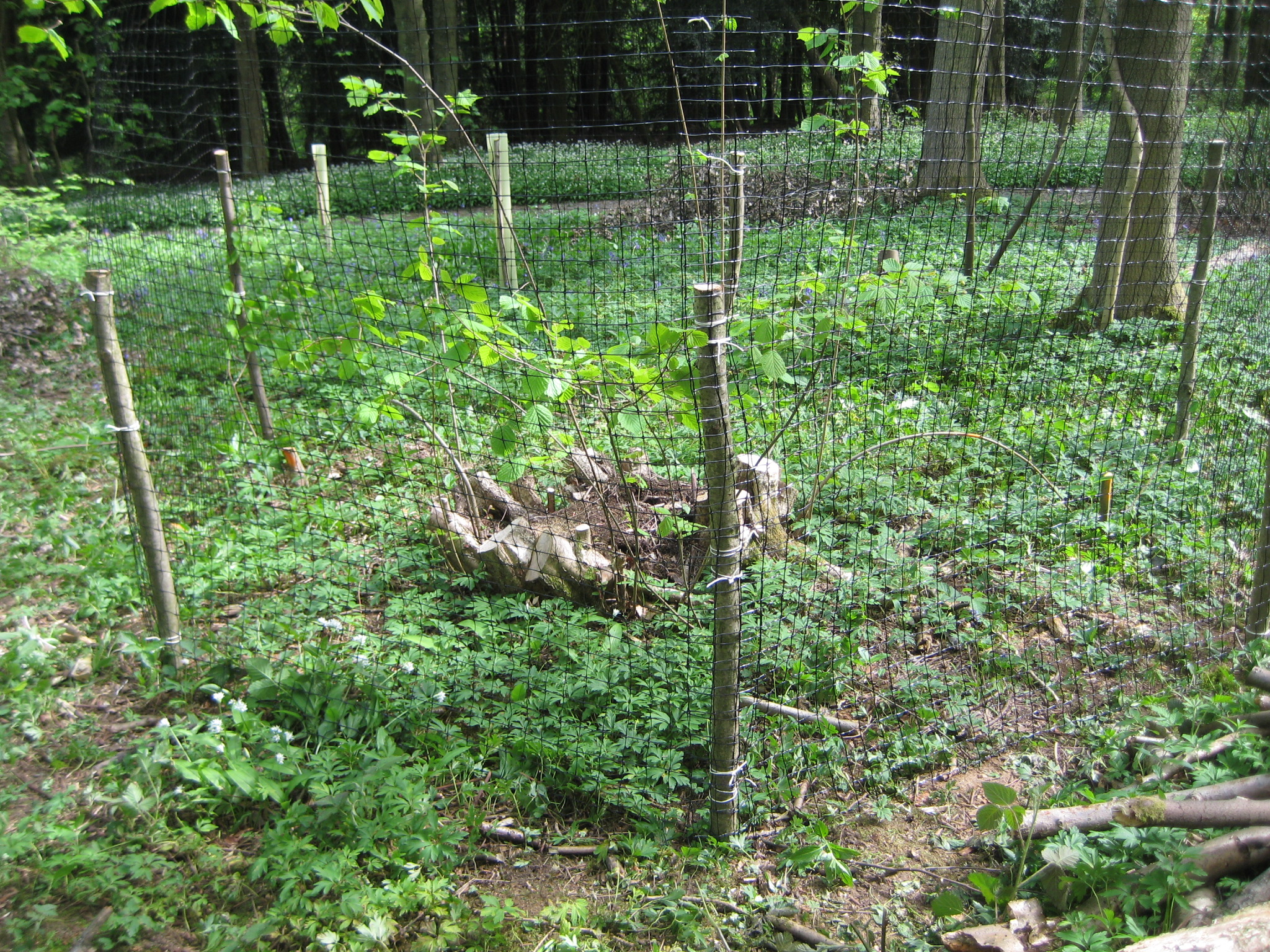
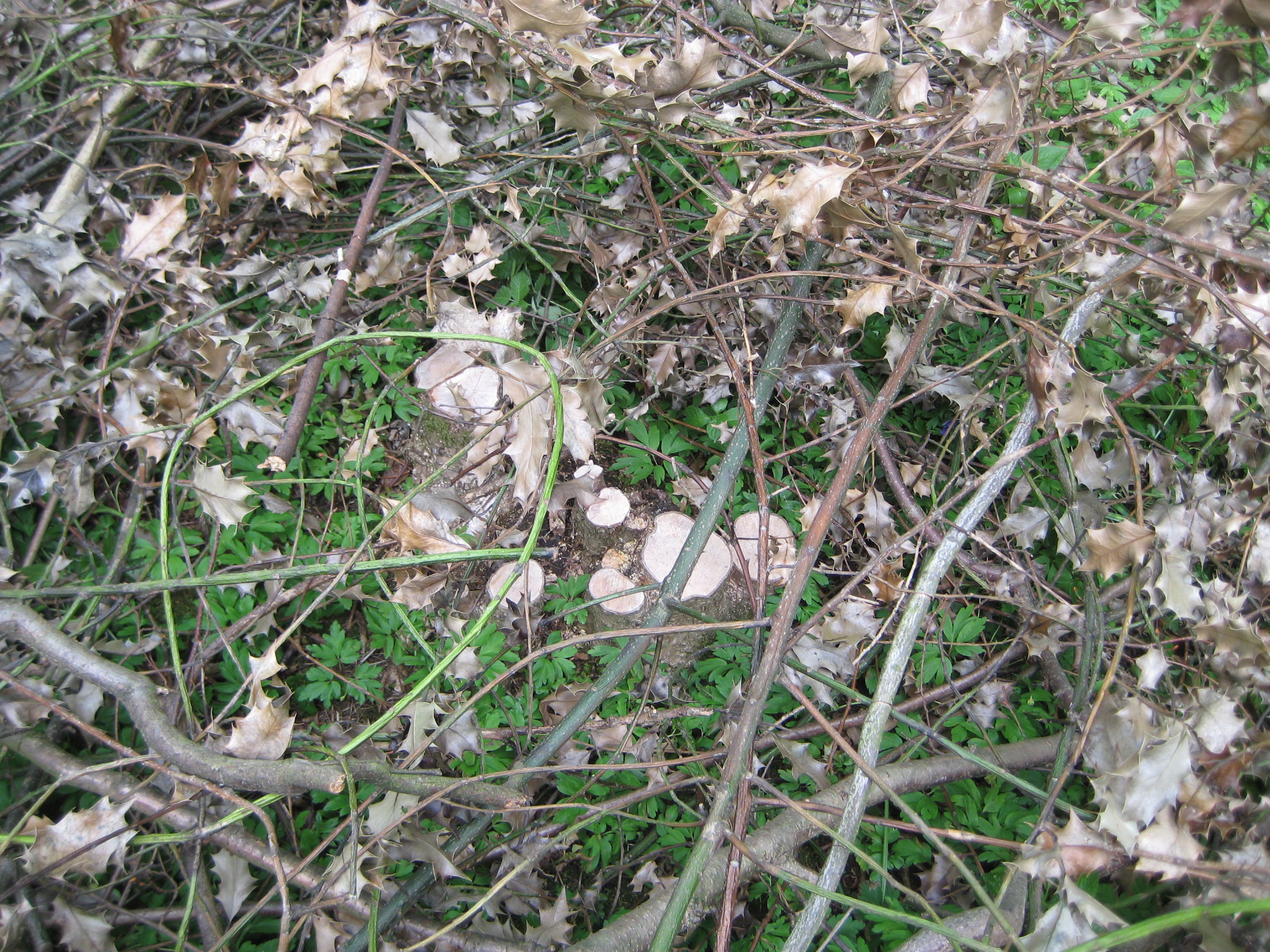
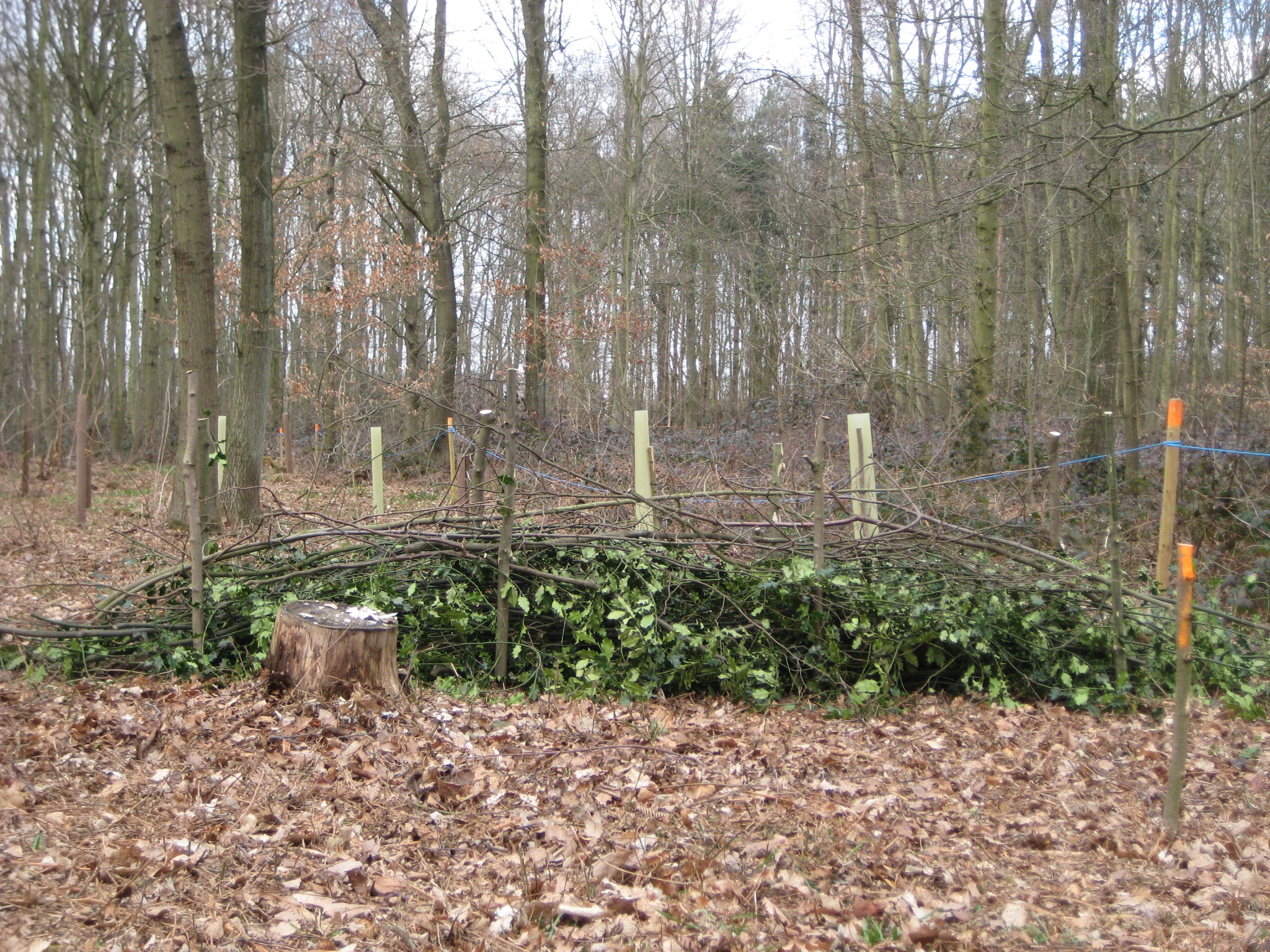
Initially I had planned to section a whole area off, containing several stumps but I realised that it would need about fifty posts to do that! That’s a lot of posts and a lot of hammering. So my compromise is to net off the two biggest hazel clumps (called stools) and put brash around the others. It’s also an experiment to see if the last method is effective. For now it will be as the shoots are low down but as they grow up they will be in reach of the long necks of the deer and may get nibbled. I shall add more brash as they start to shoot up but there’s a limit as to how high I can go. I know this area of my wood is visited by deer so it’s a good test.

Deer netting around new hazel coppice

Deer netting around new hazel coppice

Brash around hazel coppice

Brash around hazel coppice

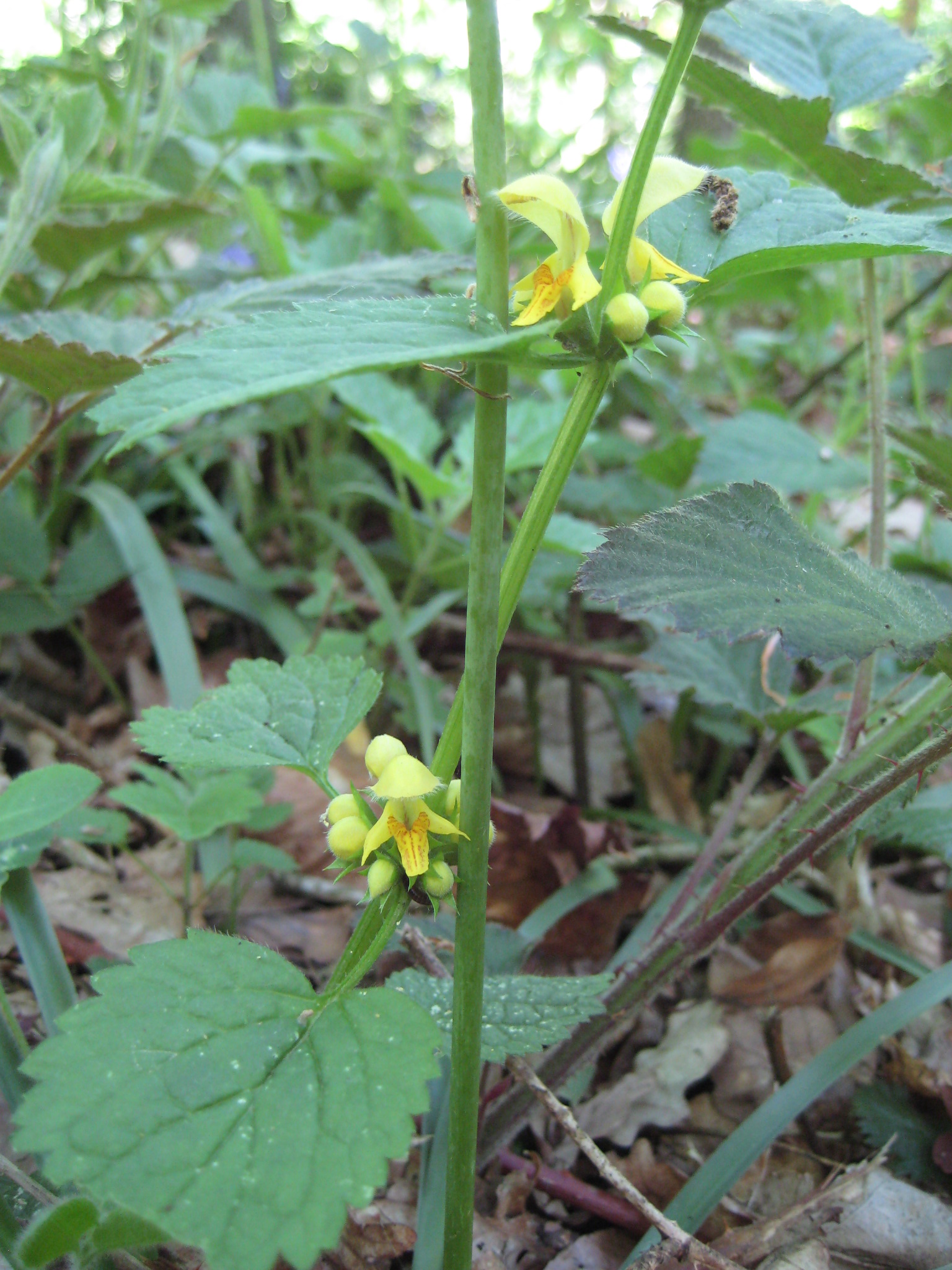
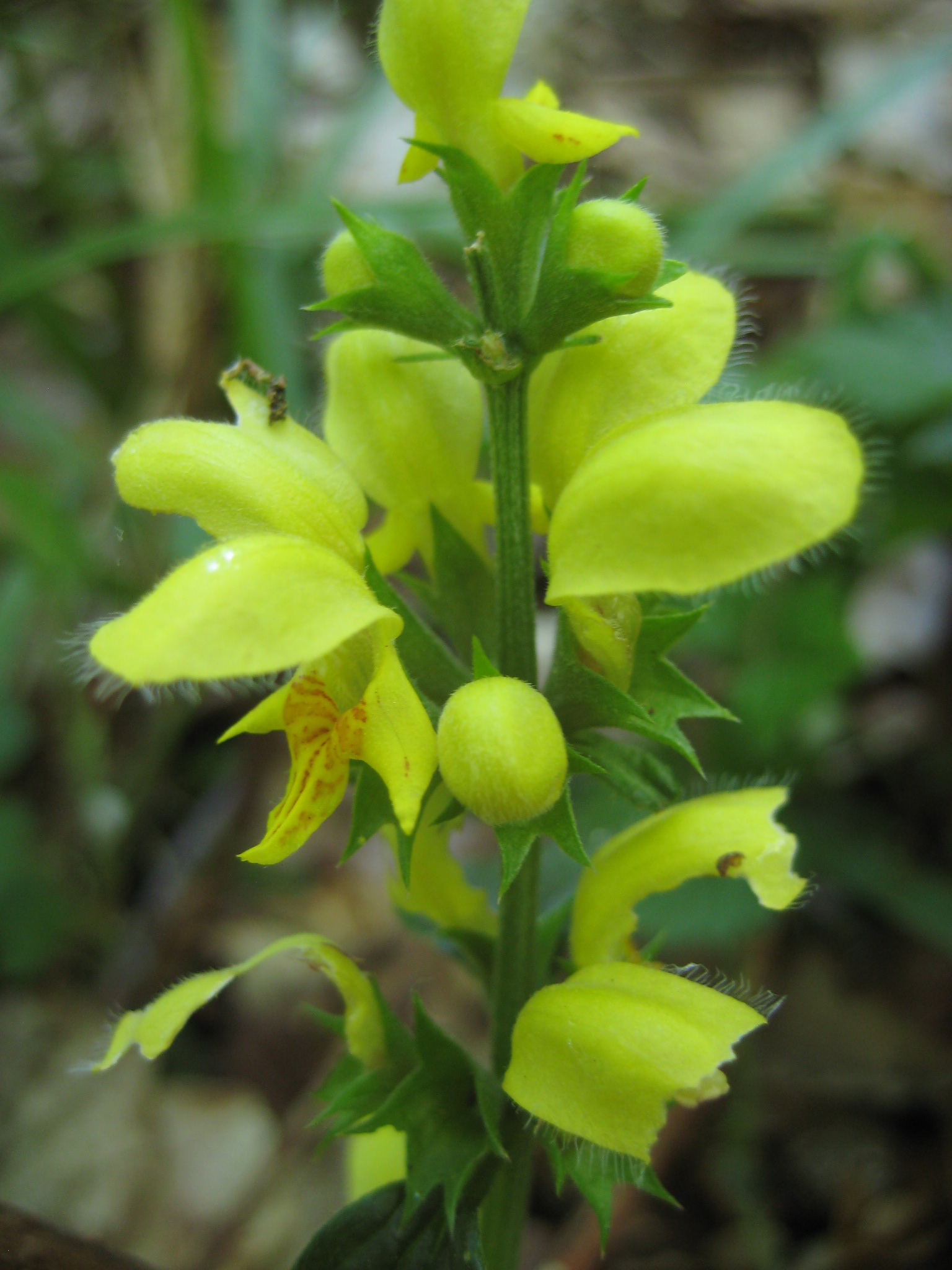
During my wanderings with camera yesterday, I was really pleased to find a couple of Yellow Archangel plants. I photographed one last year but at the time didn’t know what it was. I thought it was a white Dead Nettle but it the flowers were yellow rather than white. When I got home and tried to ID the photograph, it looked like Yellow Archangel. I have since found out that it is one of the ancient woodland indicator species. It is an incredibly pretty flower, the open ones are almost orchid-like but it is actually a member of the mint family along with the various nettles. you can see in the photos that the little nibblers have been at them!

Yellow Archangel

Yellow Archangel

Yellow Archangel flower

Yellow Archangel flower

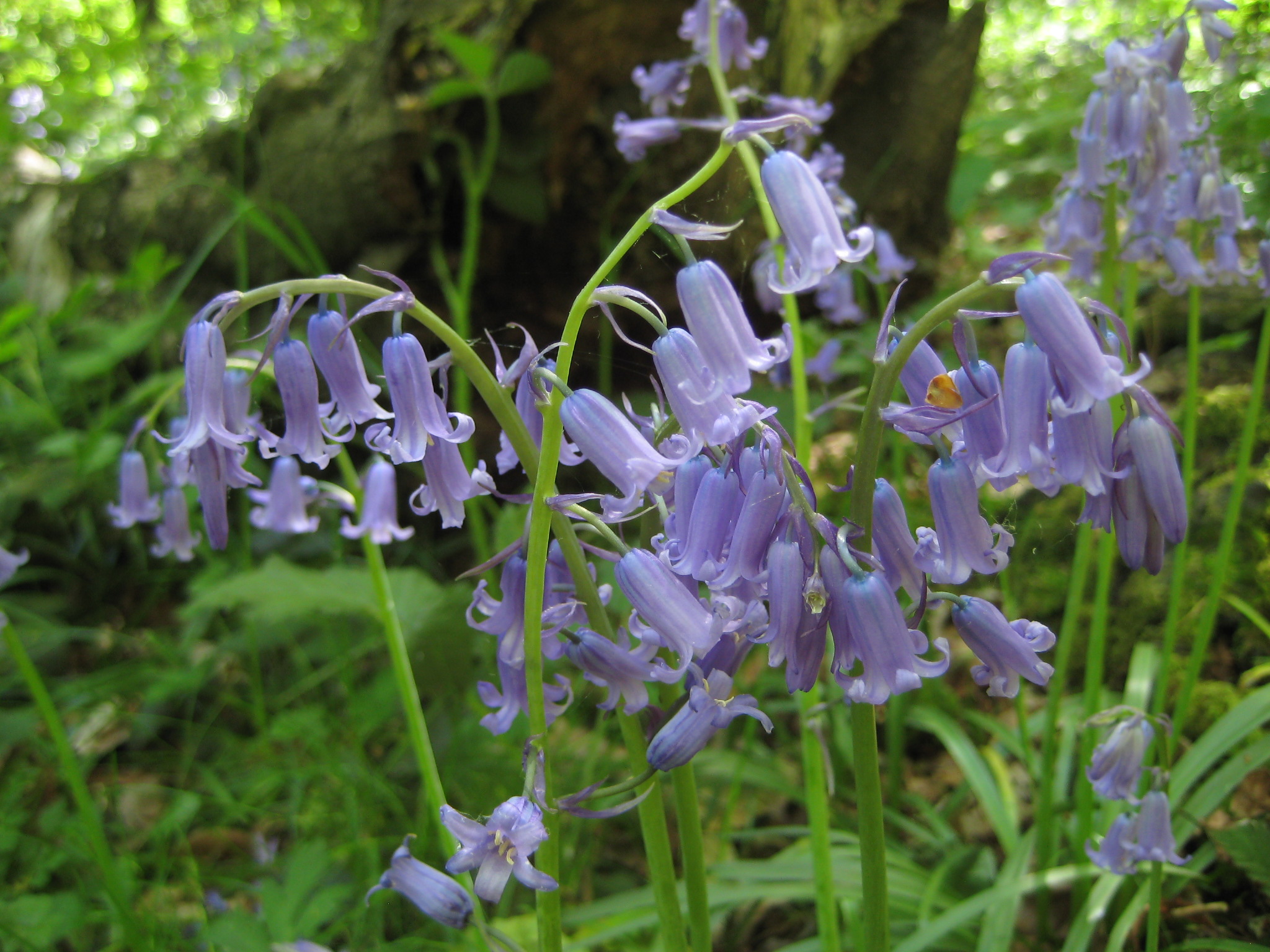
Other plants in full flower now are the bluebells and ramsons (wild garlic). The wood anemonies have finished and the leaves are starting to die back. In a few weeks there will be no sign of them. They emerge early in the year before the trees leaf up, grow and flower as quickly as they can before the tree canopy shades them out.

Bluebells in flower

Bluebells in flower

On Saturday, the Woodland Trust have organised a follow-up day of talks on ancient woodland for us, followed by a walkabout with the local Natural History Society expert. Apparently they did a preparatory walk a few weeks ago and identified twenty eight ancient woodland indicator species. Wow, looking forward to that. Hope the weather is kind!


Leave a comment

Smelling the roses – a family day out

Last saturday’s visit was a long awaited event. My wife and youngest daughter hadn’t yet seen the woods. Various reasons which I won’t bore you with. So we headed off, my head buzzing with what I wanted to show them, too much information would kill it, so I needed to find a happy medium between fun, interest and education. I wanted to make it a special day for them to remember with fondness. Often, it hinges around one element – the weather. I was hoping for a sunny day – I’ve been lucky to have plenty so far but it wasn’t to be. It was cold and overcast.

First we had a walk around half my wood which extended to a round trip of neighbouring plots. It was interesting for me too, to see how other plot owners were developing their woods. Then back to base for coffee and sandwiches by which time, it started to rain. So our planned leisurely picnic was a hurried one sat in the car. I spotted some new plants since the last visit – Yellow Archangel (what a beautiful name) and what I think is Bugle (once considered as a natural medicinal cure-all). We followed lunch with a few small jobs (putting up my new squirrel proof bird feeders I was given for my birthday) and cutting some hazel rods to make some bow drills (fire-lighting kit). My daughter loved using my Silky Zubat pruning saw. Another walk around neighbouring plots then a trip to the nearby riverside which is navigable, once transporting coal and other industrial materials but now mainly a place for leisure boats.

All in all it was a successful and satisfying trip and for once, I wasn’t focussed on doing jobs. I was able to just take the time to “smell the roses” which we need to do from time to time. I think that advice is wisdom for life in general. One thing I’ve learned is that life throws us difficulties, problems and heartaches on a regular basis which can drag you down but there are good times to be had in between. The important thing is to recognise the good times when they arrive. I will always remember something my old uncle said to me when he was nearing the end of his life and he was housebound and suffering various health issues. He was such a positive man. He was remembering our good times and said to me “We’ve had some good times haven’t we ? And we’re still having good times and …. we haven’t finished yet” For various personal reasons, this visit was special to me and although not particularly interesting for you the reader perhaps, I want to record it on this blog. If you own a wood yourself, or whatever your busy activities take up your time, take time out from the jobs now and then and just enjoy doing nothing much other than savouring the pleasant experiences that surround you here and now. “Smell the roses”.


Leave a comment

What a difference two weeks makes

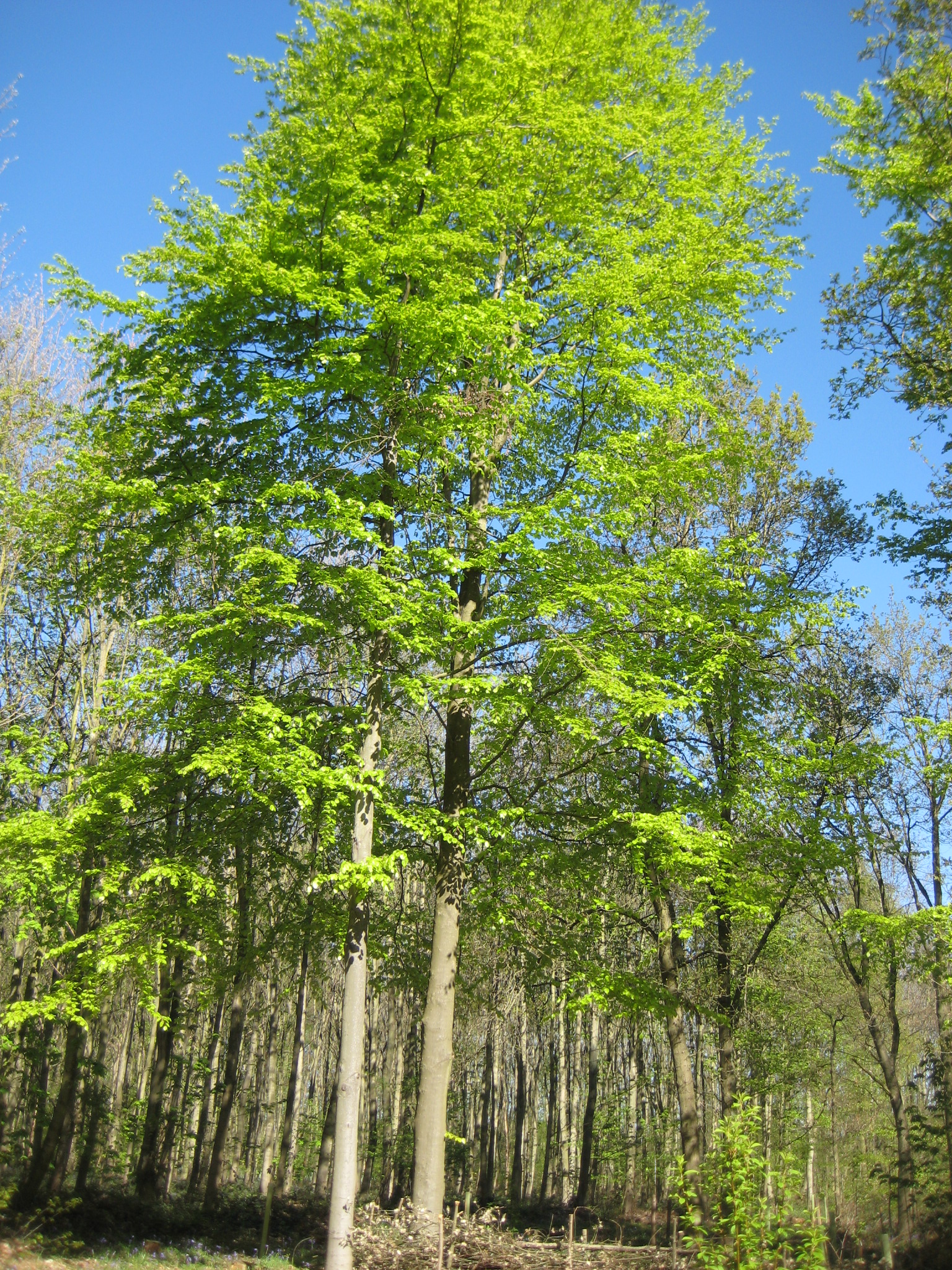
It was about two weeks since I last went due to a holiday in between. I am amazed at how much the wood has changed since then. In fact I almost felt like I was in someone else’s wood. I had a strange feeling of almost being a stranger to it. I tried to analyse why and figured that over winter I have become ultra familiar with the wood, feeling that I knew it very well. Of course it doesn’t change all that much for several months so when spring starts to kick in and everything comes back to life, it is totally transformed. It felt like it was having a party whilst I was away. I took an extra long and leisurely wander around to see just what was growing now. At least half the trees are leafing up, notably the beech, hawthorn, elder, hazel and sycamore. Oak and ash are always the last ones to break bud but there are signs of that happening too. Interestingly, the ash saplings are well ahead of the big mature ash trees. I guess that’s youth for you!

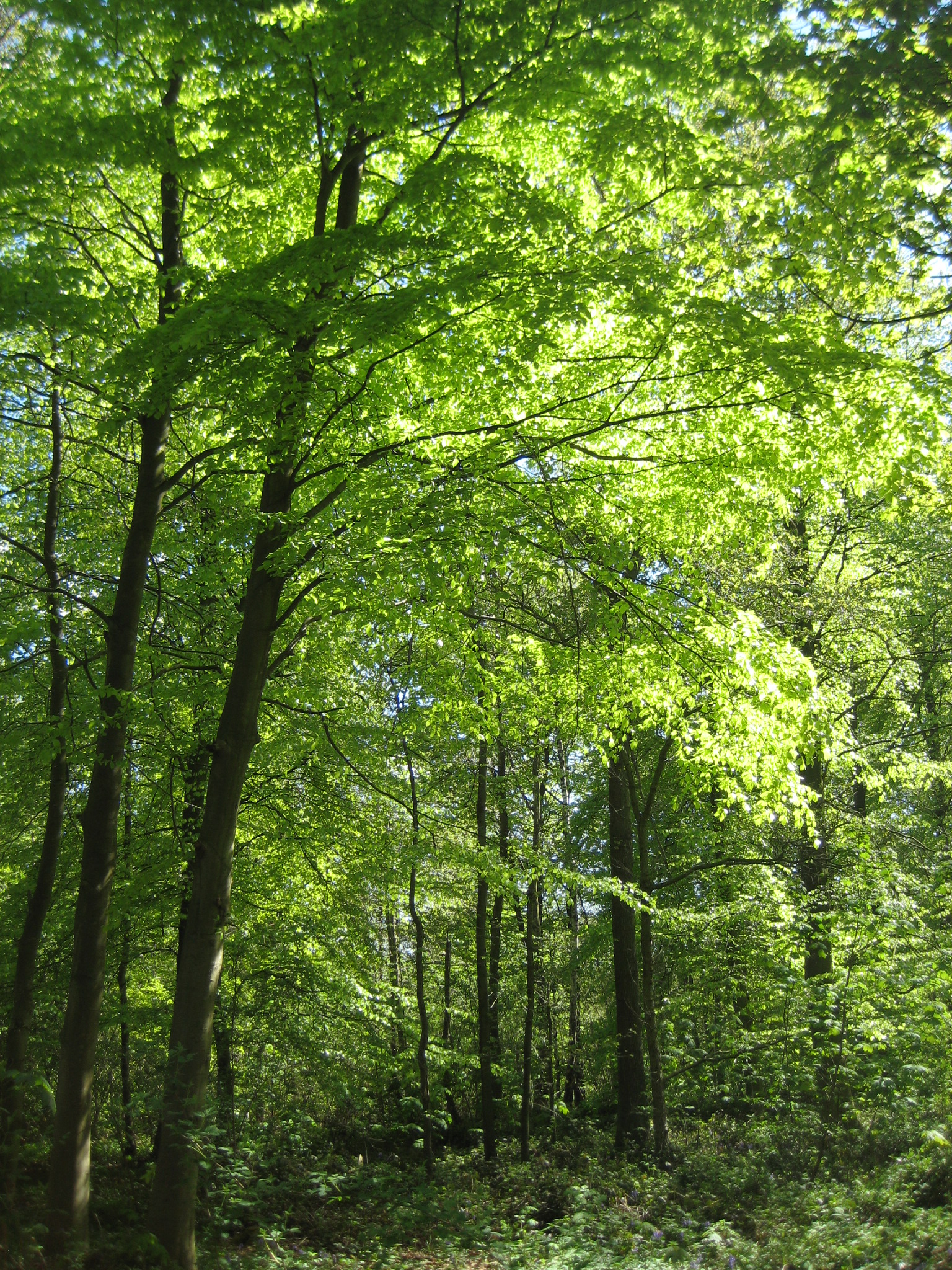
Some of the beautiful new leaves on the beech trees

Some of the beautiful new leaves on the beech trees

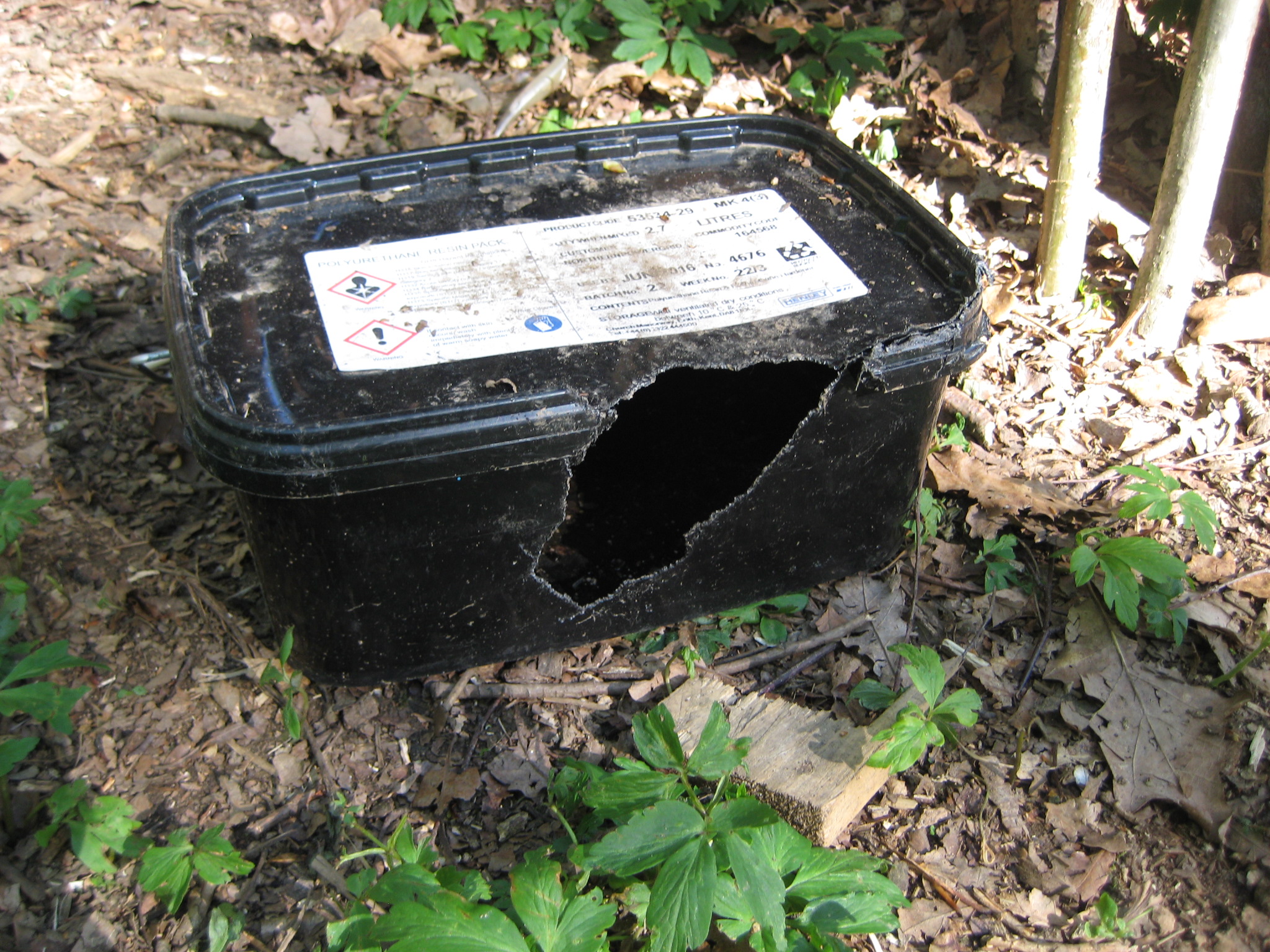
The sun was out again and I was happy just to do a few jobs and enjoy a more leisurely day than usual. I was surprised on my arrival to see a number of items strewn on the ground that were previously tucked away in my logshed, a plastic basket and the sealed tub I keep bird seed in. Had someone been trespassing? A closer look and it became clear. The “bovver boys” (aka grey squirrels) had been having the party. How did they know there was food in that tub and how did they manage to drag it out from it’s hiding place? A trail camera would have made very interesting viewing!

Someone had a party whilst I was away.

Someone had a party whilst I was away.

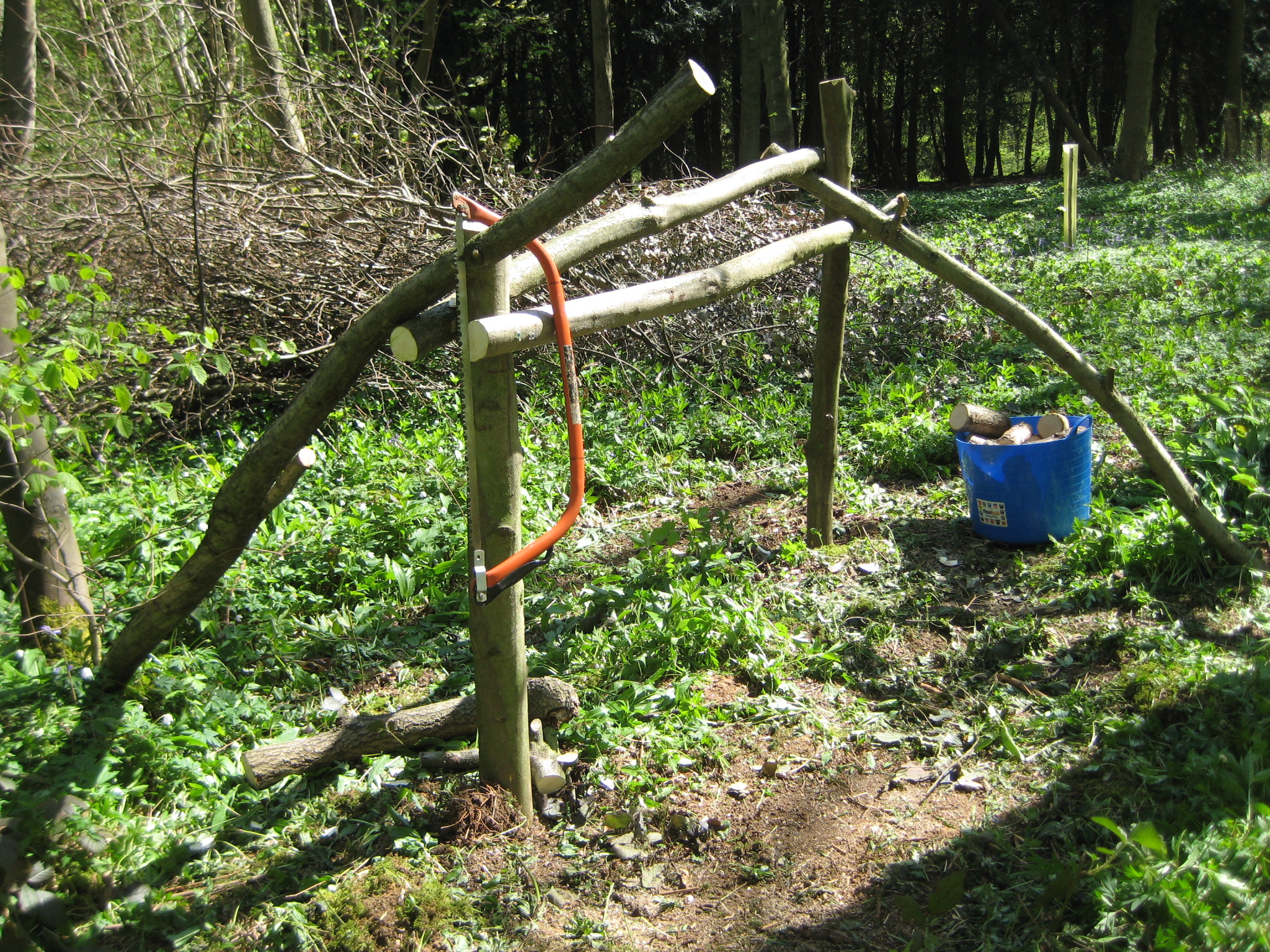
My main job was to make something called a cleaving or riving brake. It’s a wooden frame that allows you to wedge a hazel pole between two horizontal bars by applying pressure. The pole is gripped so that you can then work on it with a froe or billhook to split or “cleave” it. It’s a traditional method which the old woodlanders used to split larger hazel rods down to make wattle for fences and other useful crafts. I have some large poles that I am hoping to split into two pieces so I can make fencing posts to support deer netting and my brash hedges. I had a go with two of them and although I was successful (and it’s not easy) I was surprised and a bit disappointed to find that the split poles are now twisted and not straight. Then I remembered reading that the fibres in trees do actually spiral as the tree grows. In hazel it seems to be quite pronounced. So I’m not sure my plan to use them as posts is going to work. Anyway here’s a picture of the riving brake I made. It’s also useful for holding long longs while you saw them down. I used it to cut up some fallen ash for firewood and it was very effective.

Cleaving or riving brake

Cleaving or riving brake

I was pleased to find lots more of the tiny wood violas growing along the ride edges and the area I cleared of bramble is starting to green up with new grasses, willowherb, speedwell and of course new bramble and bracken because I haven’t removed the roots. The plan is to keep hacking the new growth down before it gets established and hope that eventually they die back. I sat on my homemade plank-bench with my coffee for while in this area with two beautiful beech trees close by, just enjoying the sun, the peace and quiet and the peacock butterflies that were flirting with each other. It doesn’t get much better that that does it?

The beech trees in my sunny glade

The beech trees in my sunny glade


1 Comment

An amazing spring sight

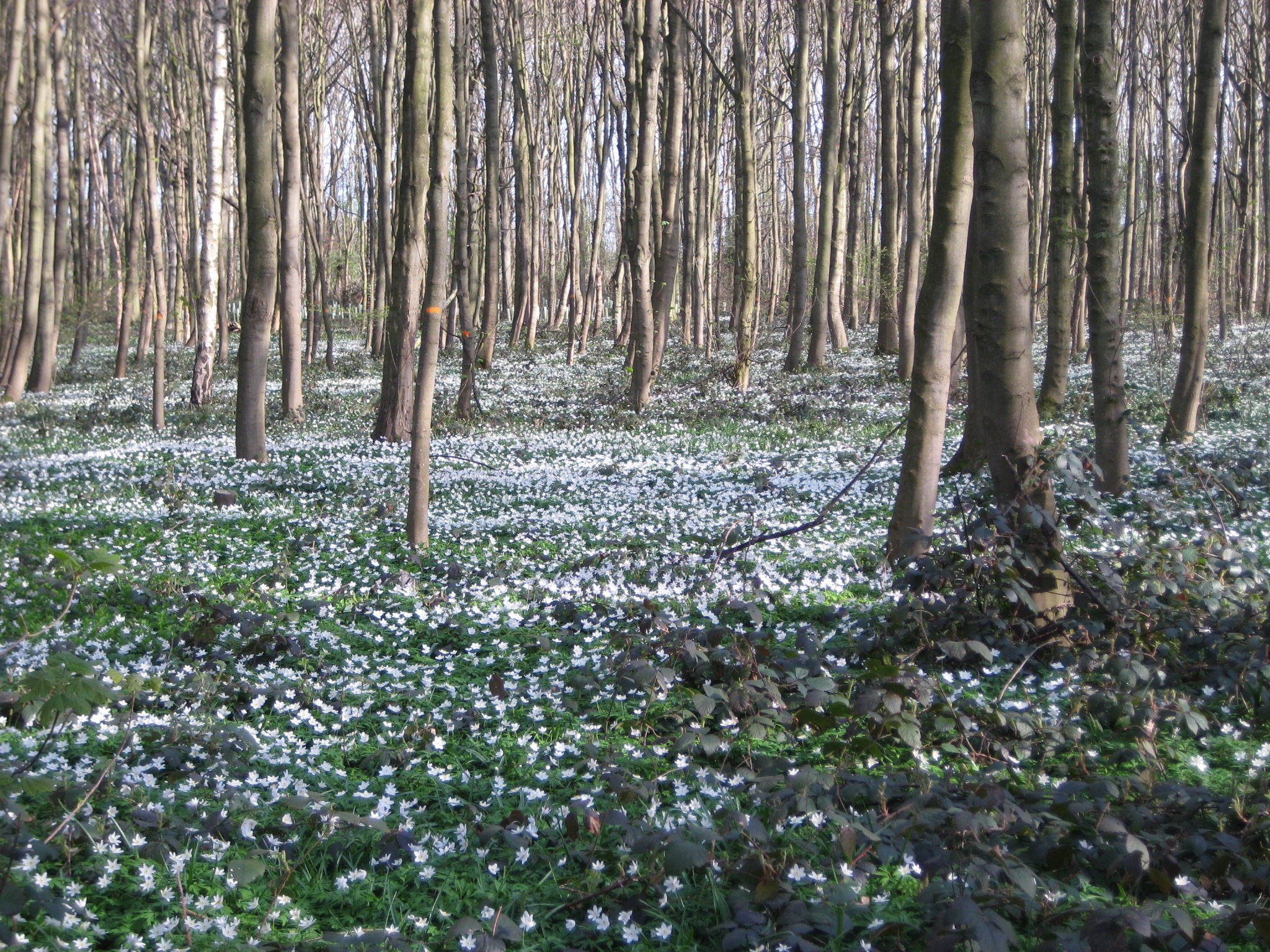
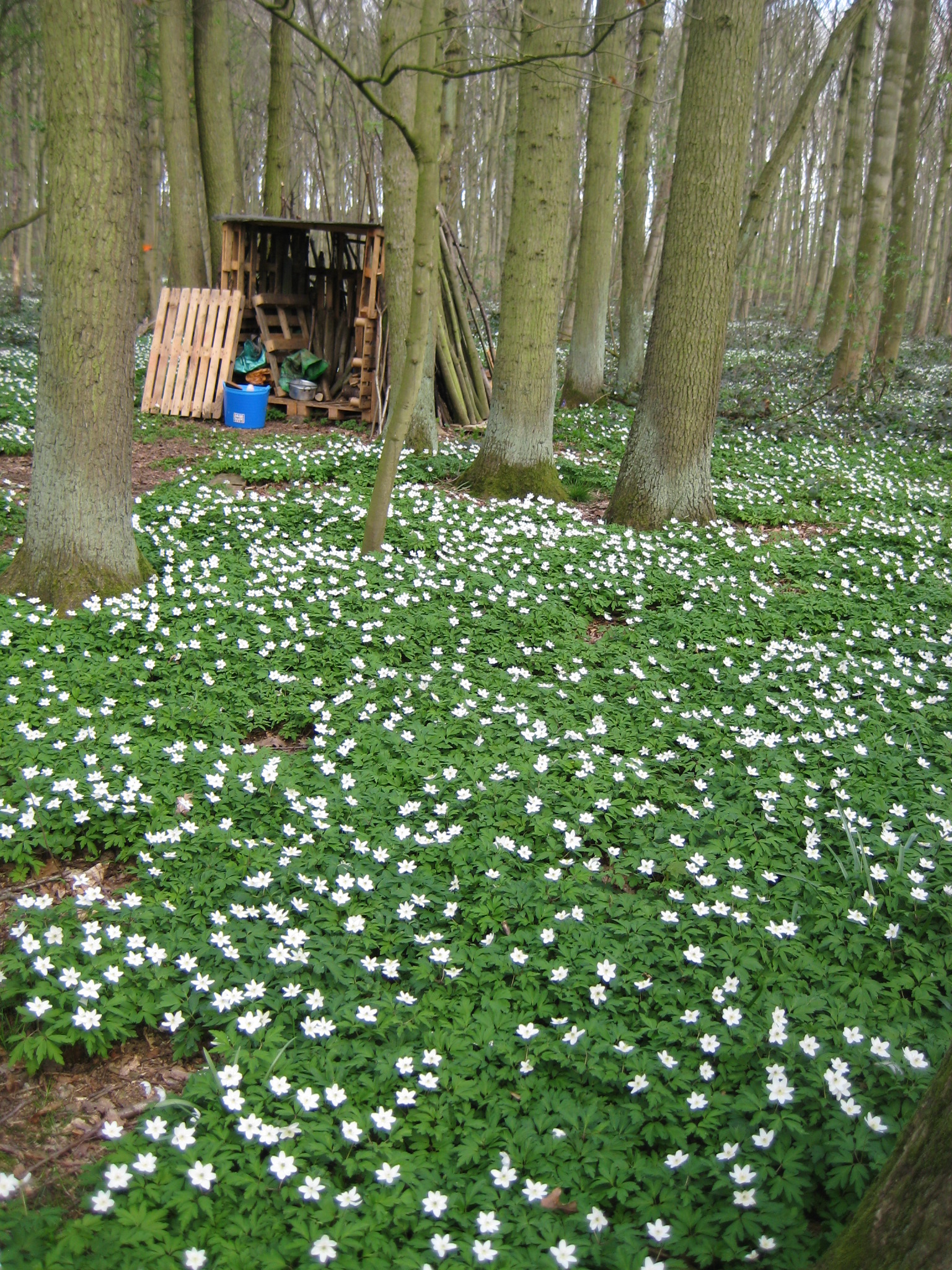
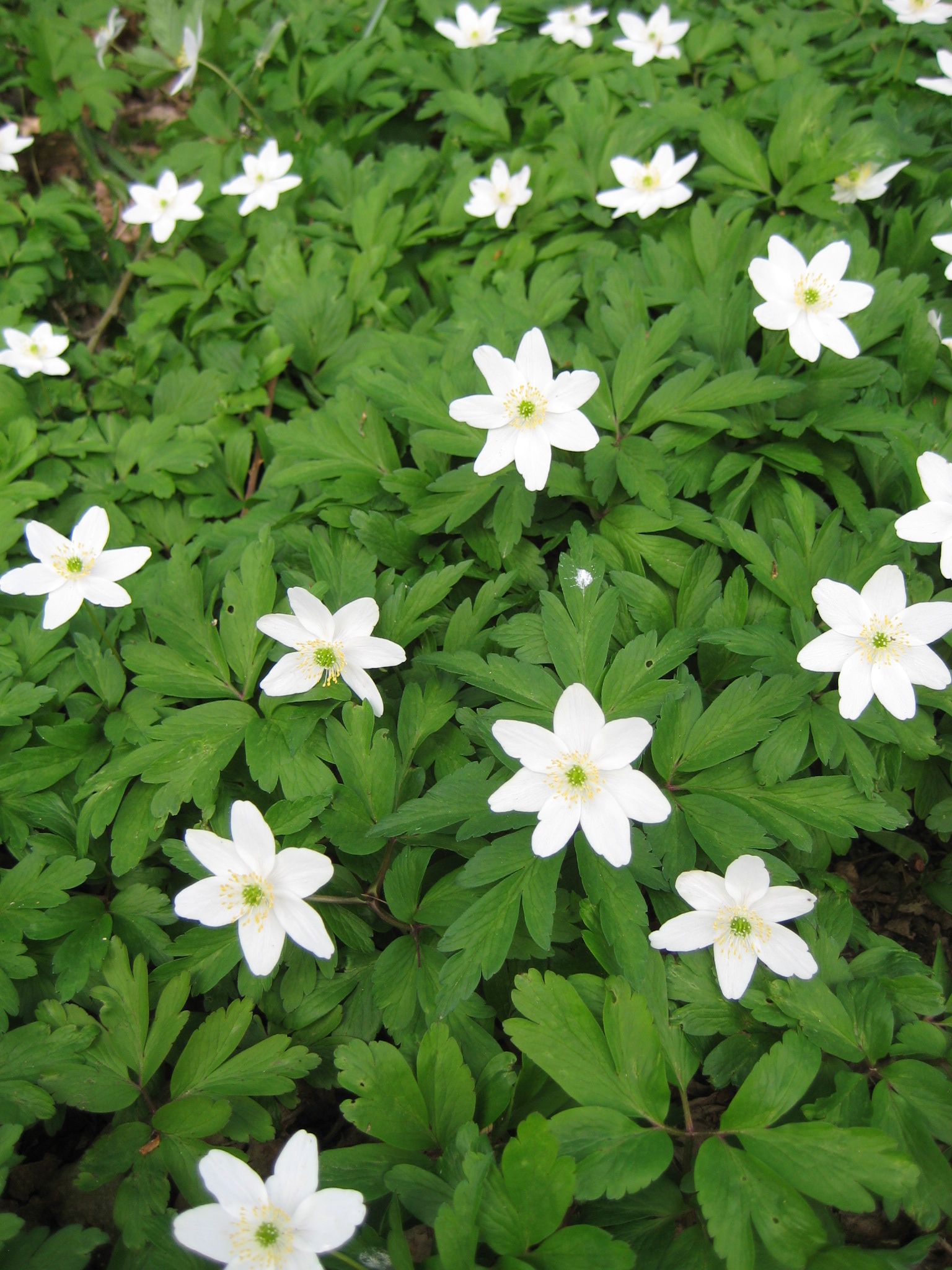
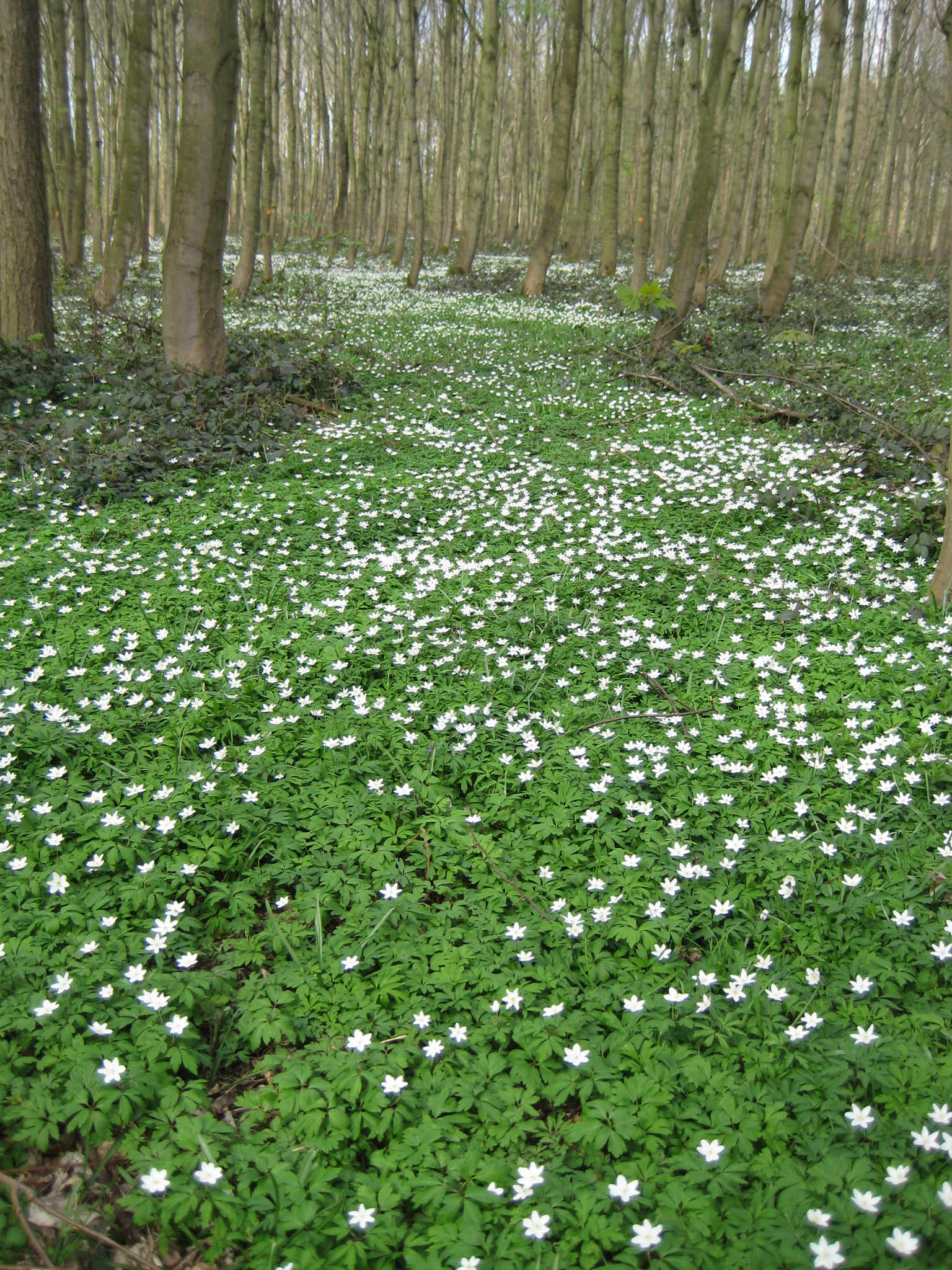
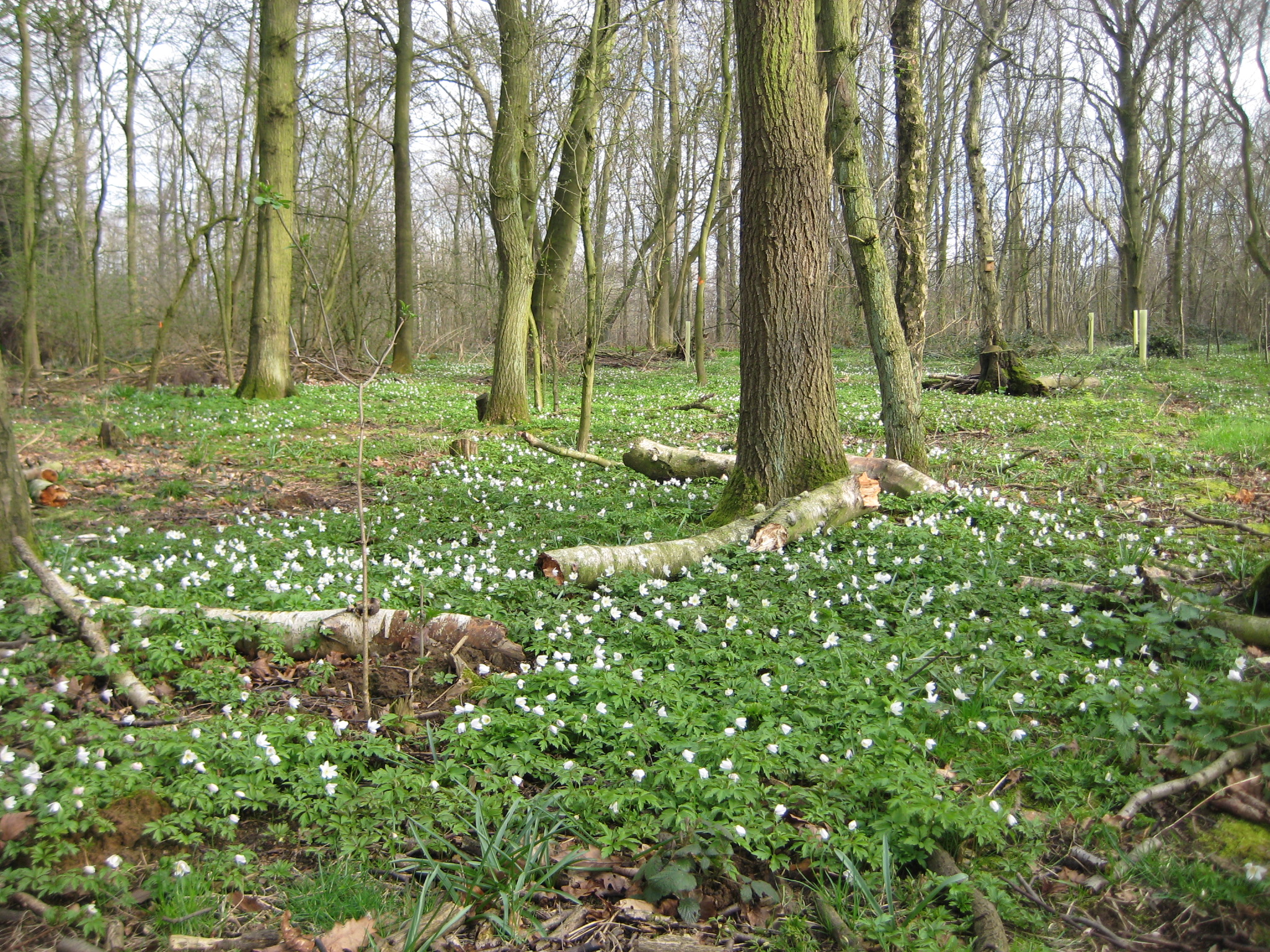
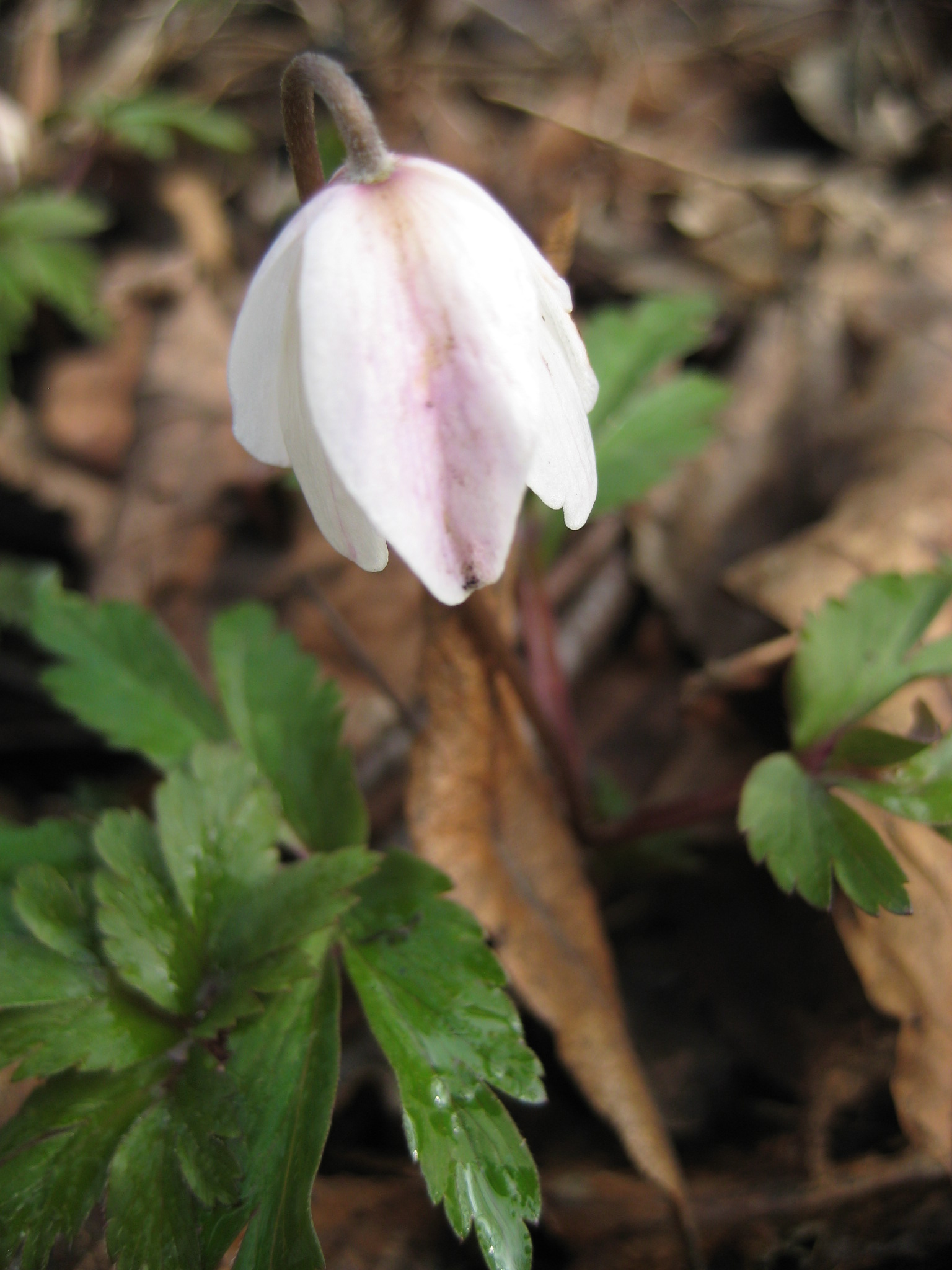
An amazing sight of wood anemonies greeted me today

An amazing sight of wood anemonies greeted me today

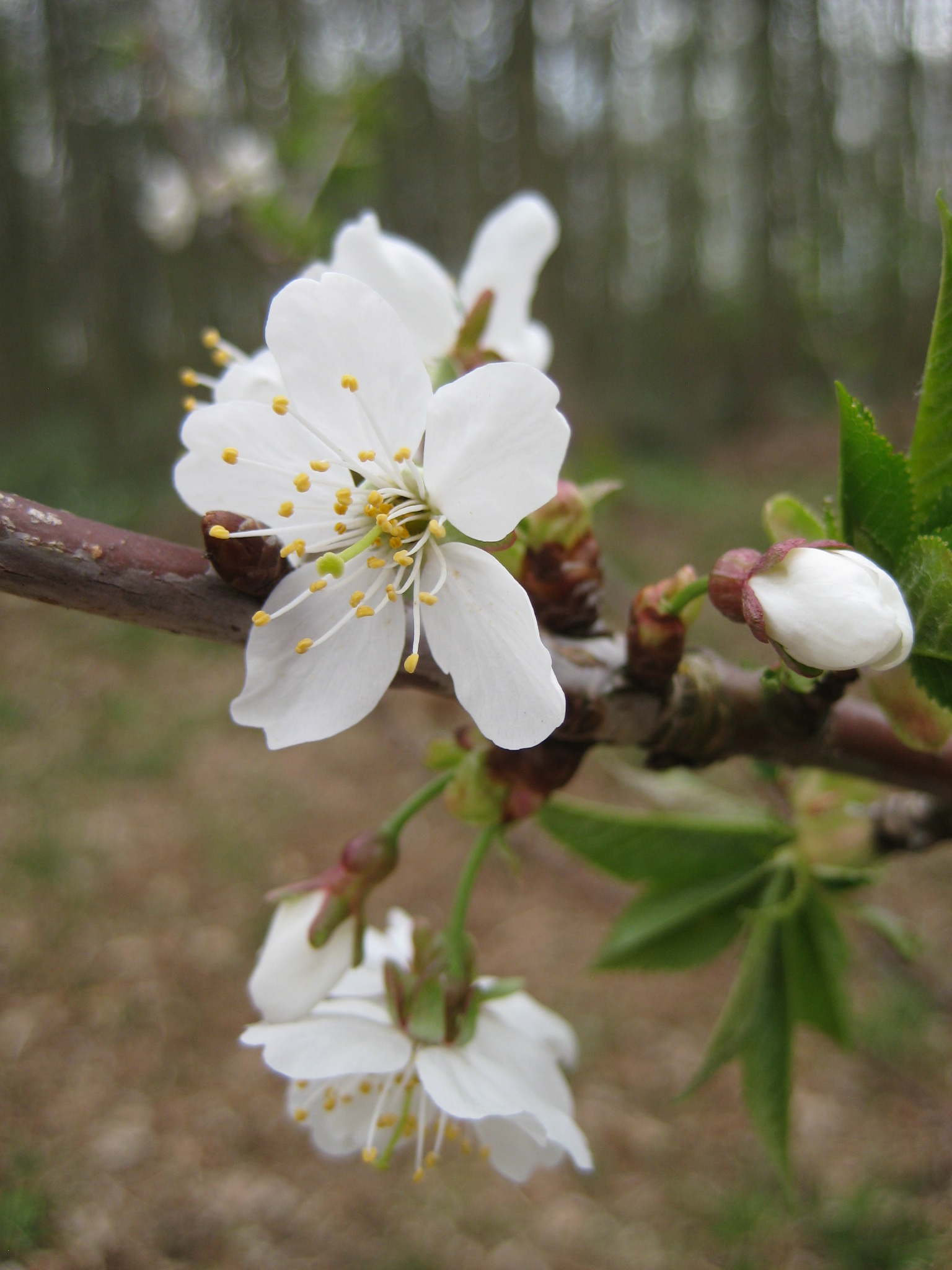
This was the sight that greeted me when I arrived yesterday. The wood anemonies are in full flower looking like it had snowed overnight. The sun was out, the temperature rising and the wood is flourishing. I had planned to do lots of jobs but just had to take the time to have a slow wander around, take lots of photos and some video. This has to be one of the most beautiful times of the year in the woods and has to be savoured. In a few weeks all these anemonies will have disappeared, including the leaves. A few bluebells are starting to flower too and I found a small area where wood violas were showing. My newly planted wild cherry are bursting bud and also showing some beautiful flowers. This is what I’ve been looking forward to all winter,

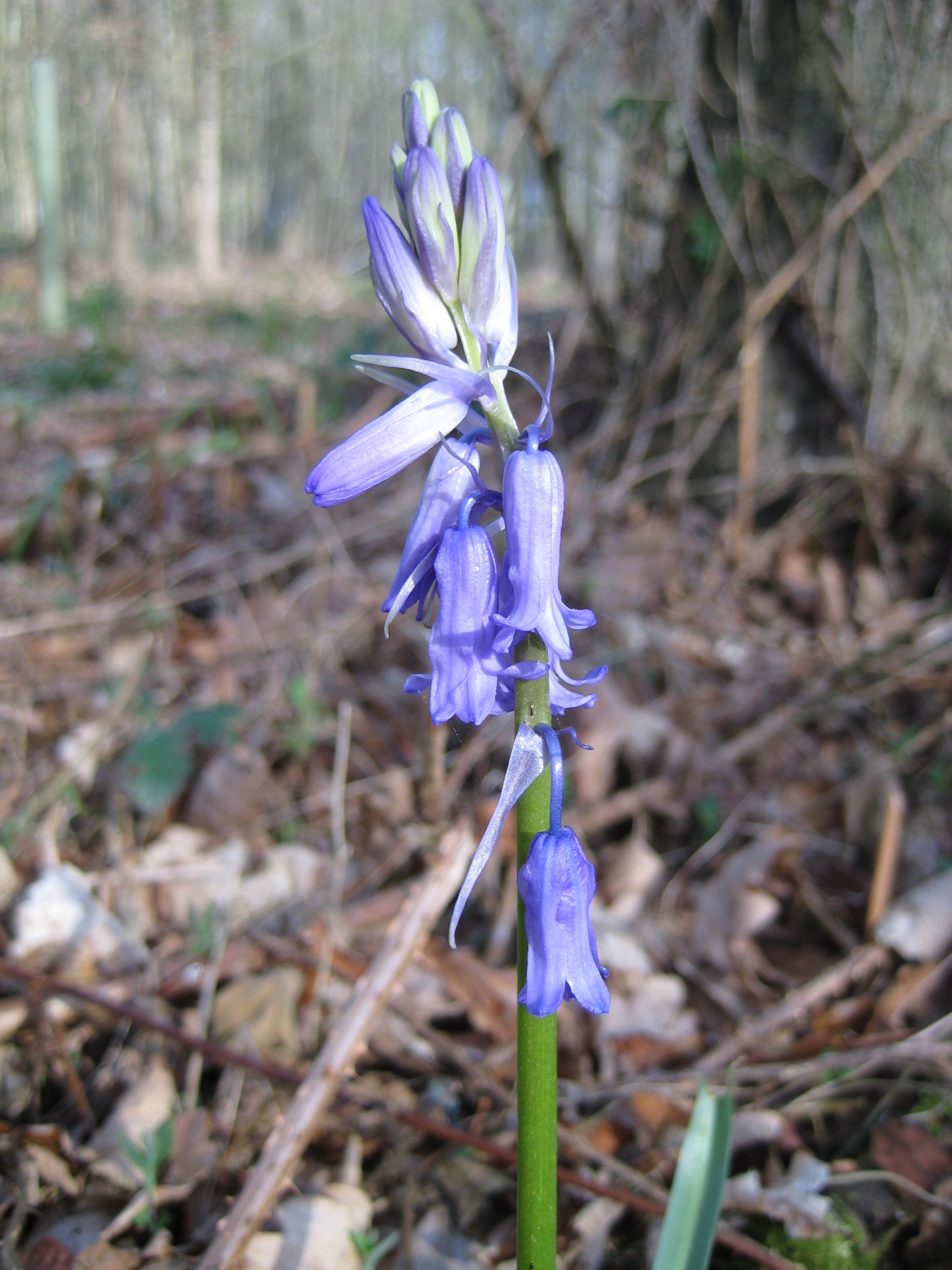
One of the first bluebells to flower

One of the first bluebells to flower

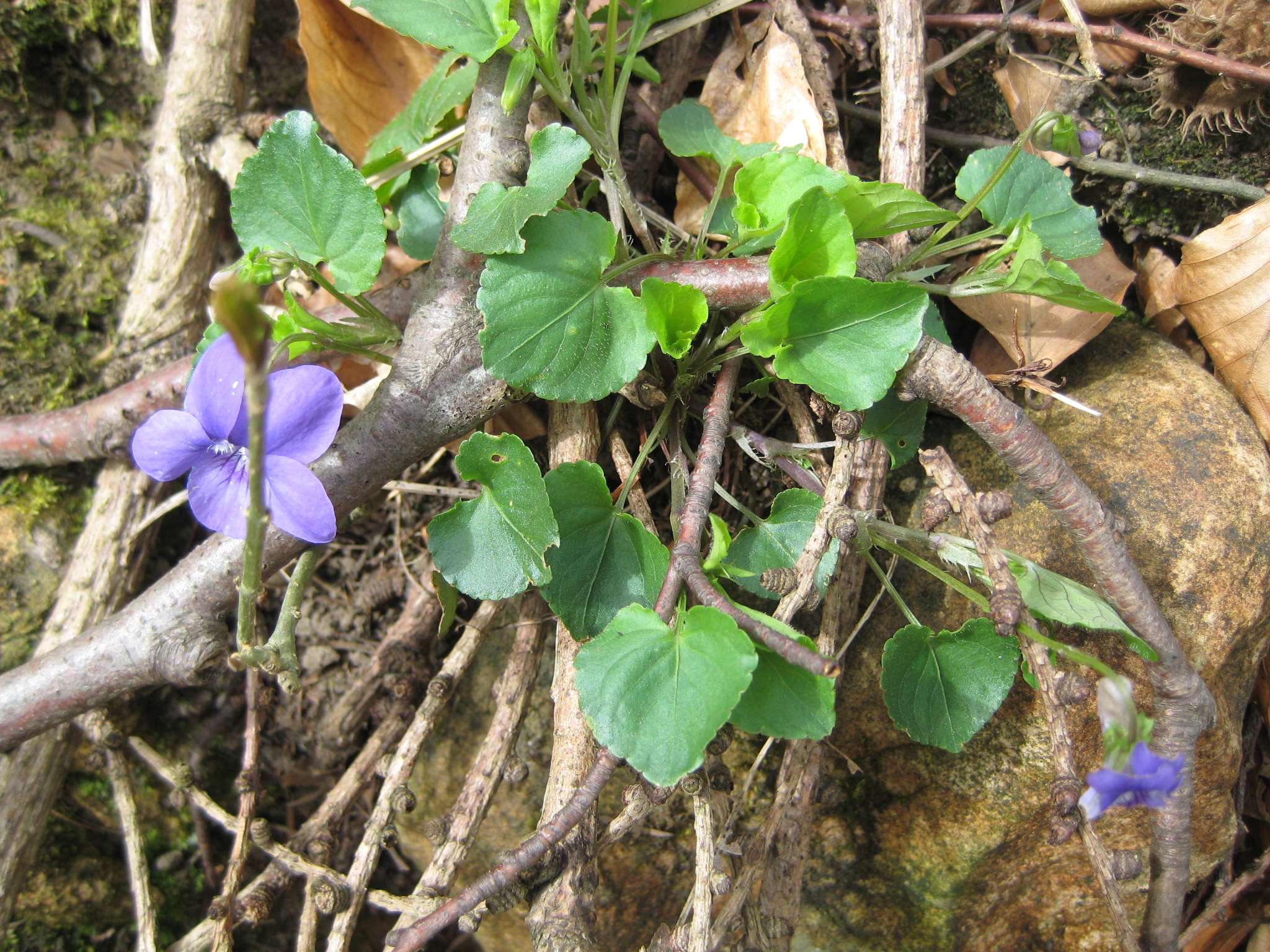
Tiny wood viola in flower

Tiny wood viola in flower

Newly planted wild cherry in flower

Newly planted wild cherry in flower

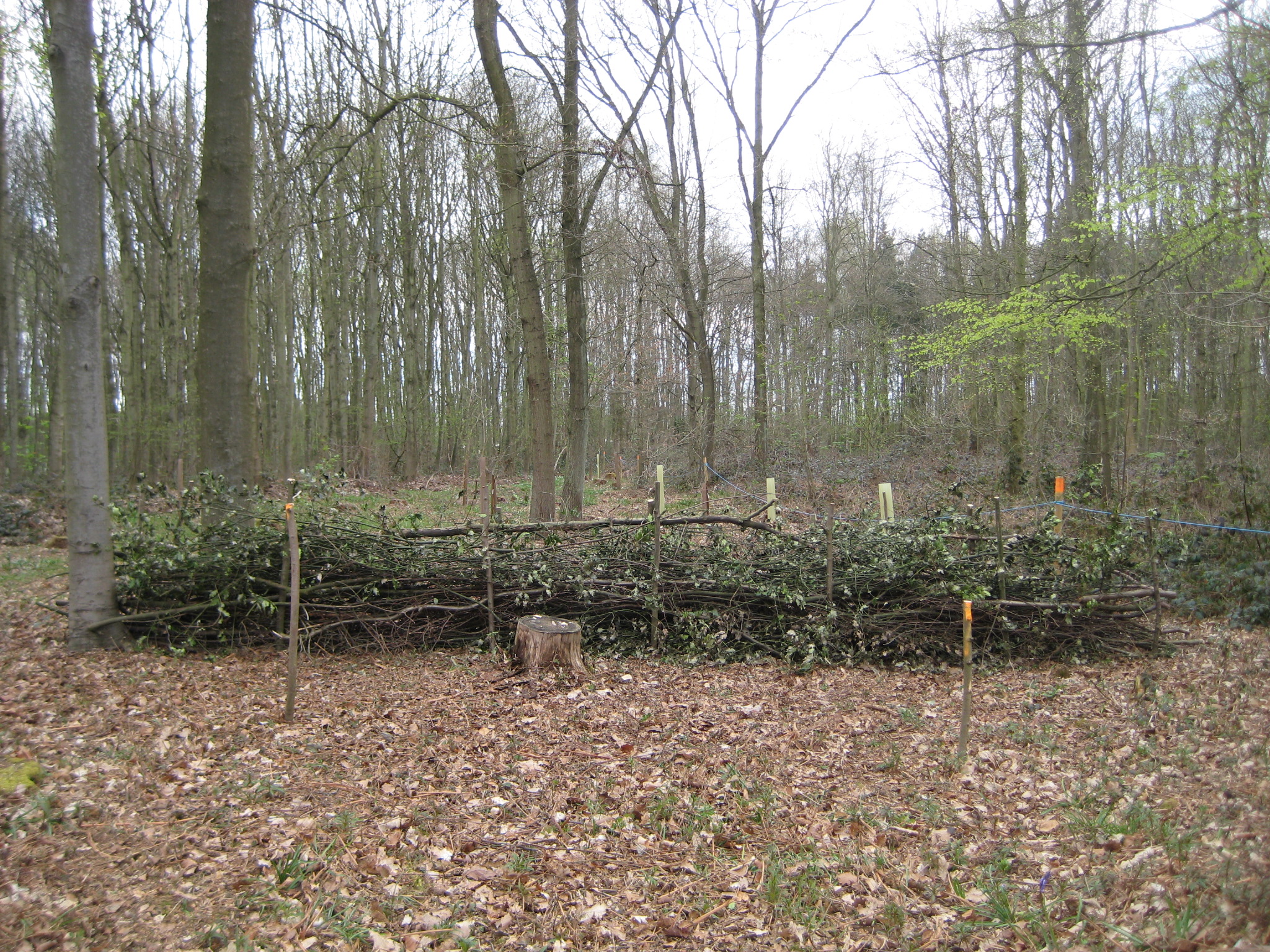
So after a leisurely walk around I got stuck into some productive work. I wanted to clear more of the huge brash pile I ended up with after coppicing and start fencing the area off from deer browsing. I don’t want to burn the brash and have started to build a dead hedge from it. So before I could move it, I needed to hammer some more posts into the ground to support it. Having done that it was a labourious and tiring job, dragging the dead brash branches half the length of the wood and weaving it into the hedge. I told myself not to panic over getting the deer netting up as there are no new shoots showing yet and this job needed doing. The result is looking quite pleasing, adding some interest to the newly cleared and rather bare looking area. This is where I hope to do some overnight camping. Although it looks bare now, the bramble is already starting to spring up again and will look completely different by summer. Here’s the hedge so far. It will settle and shrink and need topping up occasionally. I eventually plan to make another two sides of hedge to create a sheltered and more private camping area.

The brash dead hedge

The brash dead hedge

Other jobs included cutting some dead logs and collecting honeysuckle bark. Why? Well I attended a one day bushcraft course at the weekend and we covered fire-lighting using fire-steels and bow drills. One of the best tinders for your initial flame is honeysuckle bark. It sheds it’s bark when it gets old and you strip small pieces off and roll them into a ball between your palms. I found loads of it in my woods. I know some bushcrafters will be envious. It’s a precious material when trying to create fire with natural “found” materials. I succeeded in making a glowing ember with a bow drill on the course. Really hard work but immensely satisfying to know I can do it. So now I want to make my own bow drill, hence the need for some dead and seasoned logs.

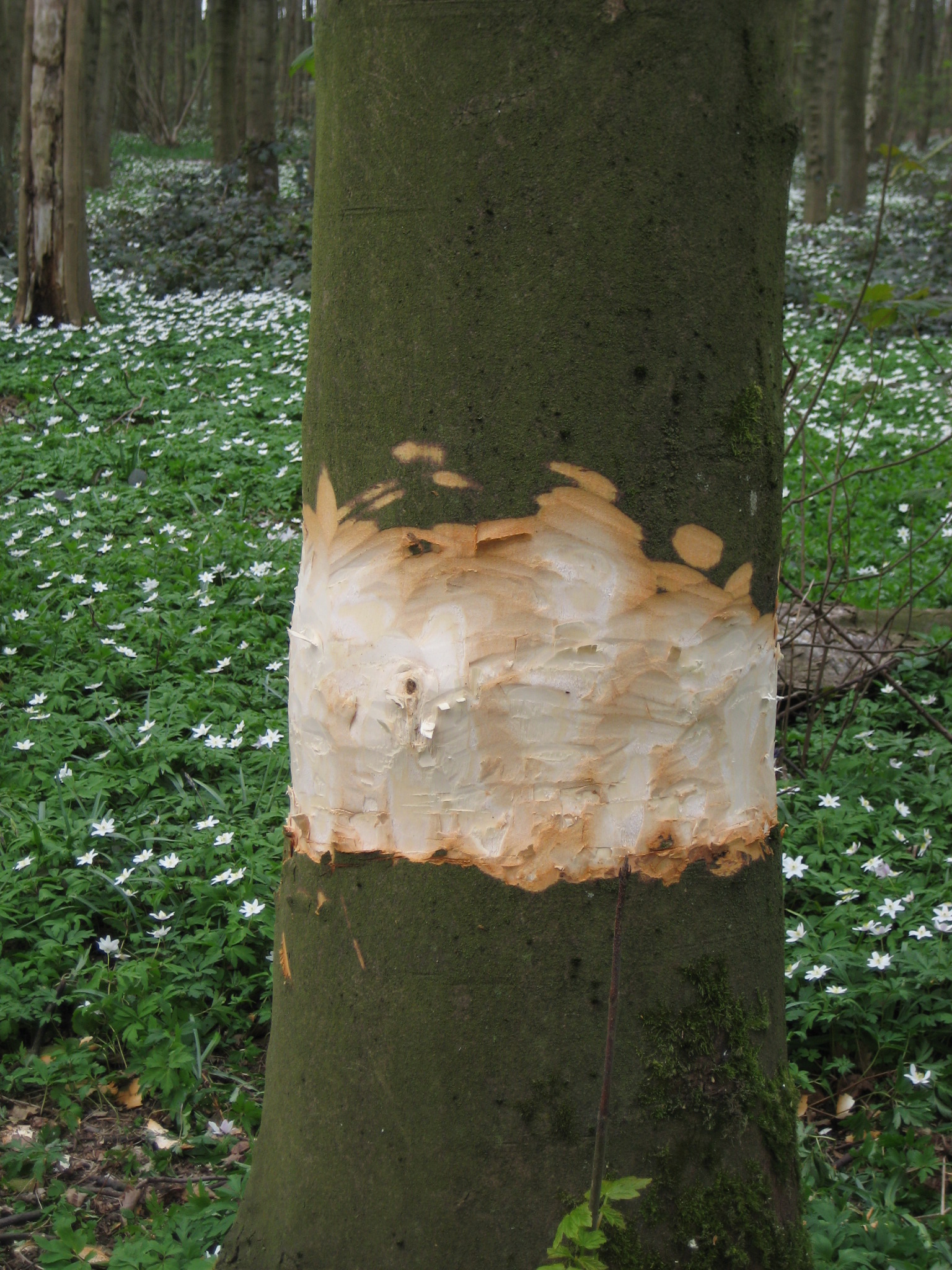
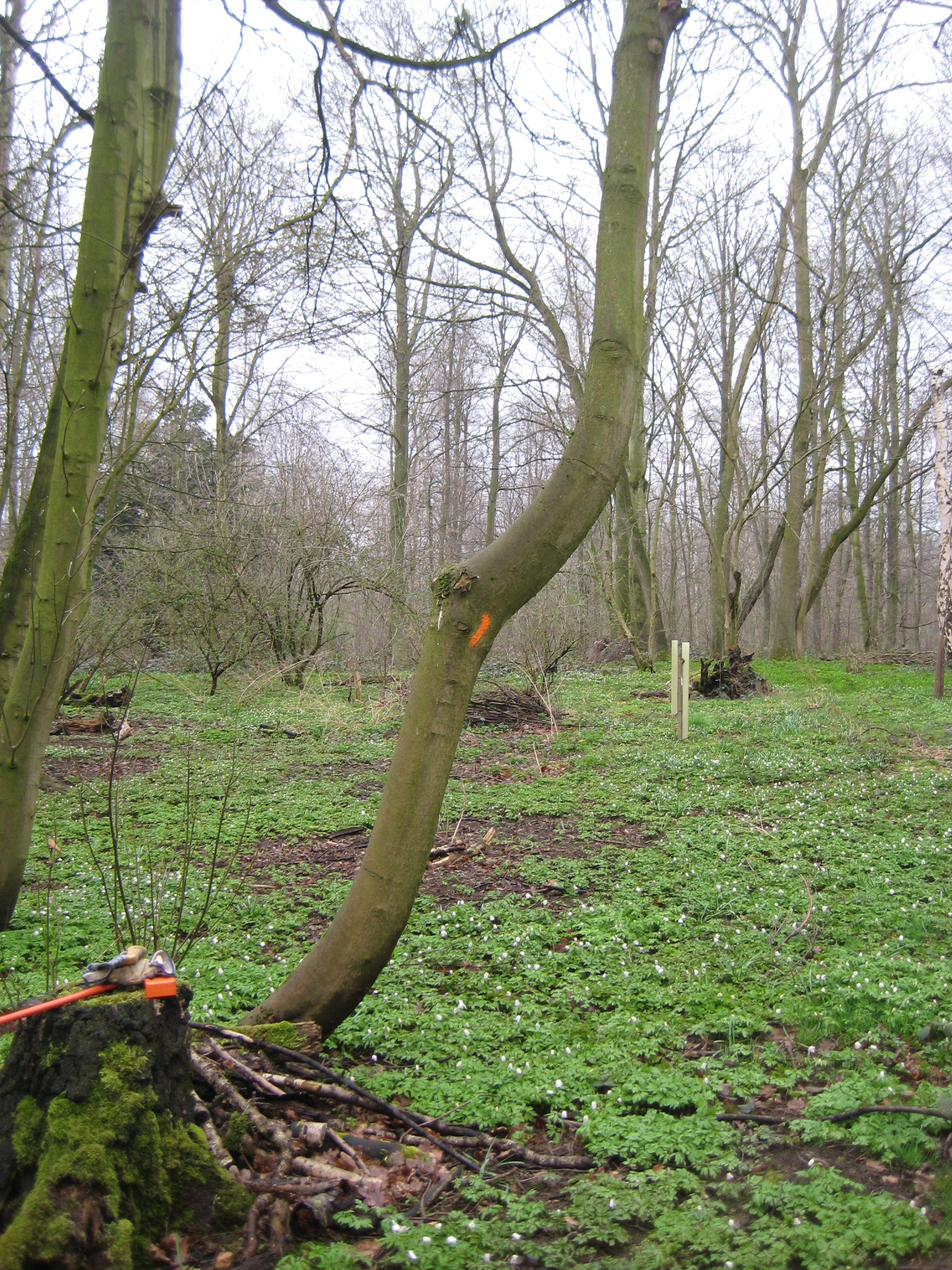
Another job which I wanted to do was ring bark a very large and badly damaged sycamore tree. It has suffered two huge injuries in the past. The top half has been blown so badly by the wind that it completely snapped off. Further down there is a huge scar where a massive limb had also been broken off. The tree was sending up new shoots but it needs to come down for two good reasons. It will never make a good specimen for future timber, only good enough for firewood and secondly, I need to thin some of the sycamore anyway to let more light in. Rather than cut it down for firewood, I decided the least invasive action was to ring bark it so that the top part will die off. The resulting dead tree will slowly decay creating a home for all sorts of other life – fungi, insects and birds that eat them etc. It’s very important to have all types of dead wood around for the ecology of the other species, so this way it benefits the wood as a whole. So it was with a slightly heavy heart I made a mental apology to the tree and hacked a ring of bark from the base. The tree may well sprout again from below the ring so it may not be entirely dead.
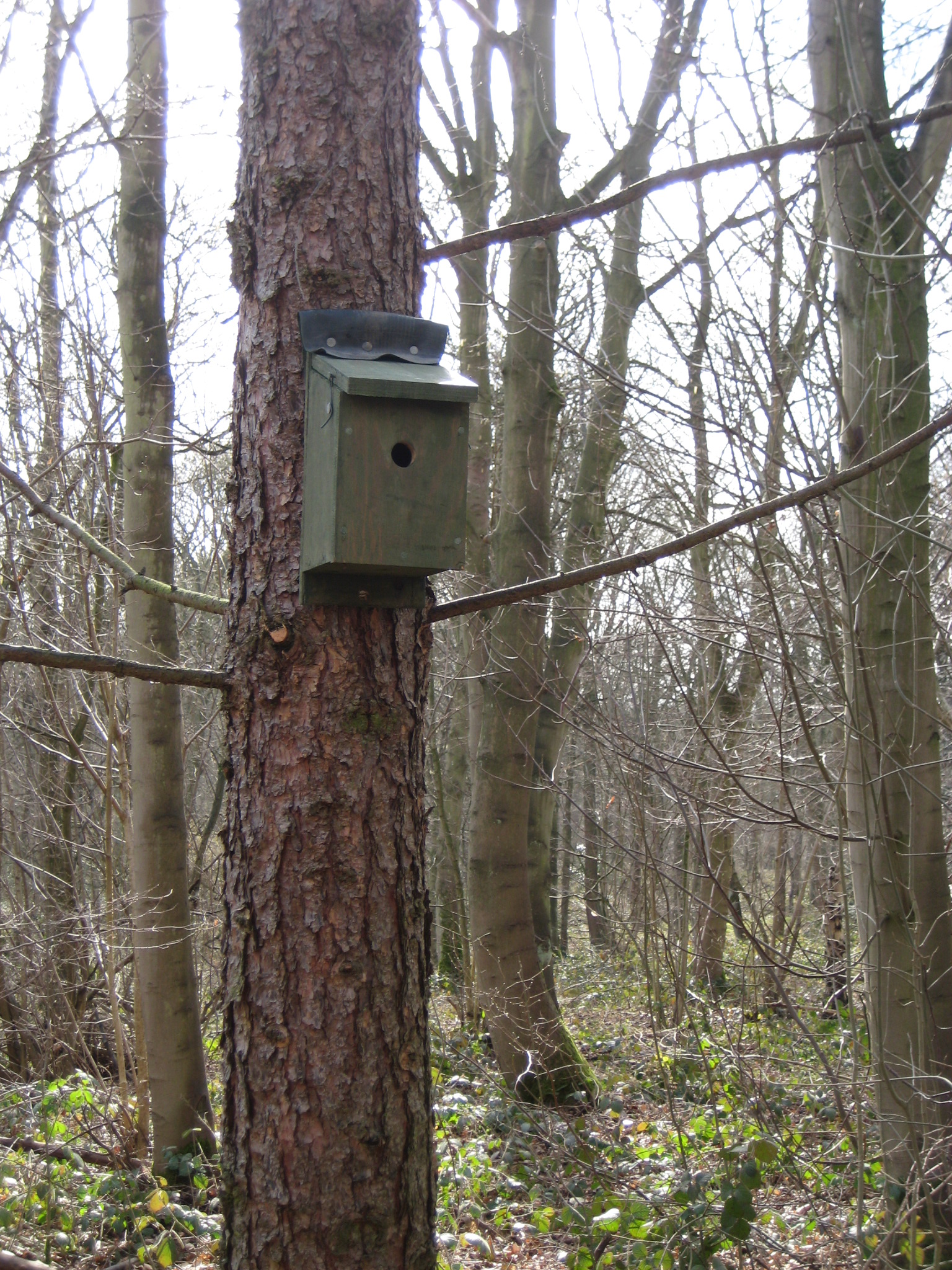
Huge ring barked sycamore

Huge ring barked sycamore

So another great day in my woods (one of the best). I’ll leave you with some more wood anemonies and if there is an old woodland near you, get off your backside and have a walk through it over the next few weeks. This is the best time of the year to be there.

2015-04-14 10.55.26
2015-04-14 10.55.40
2015-04-14 15.52.58


Leave a comment

Deer fencing

Yesterday I had intended to clear some of my brash away and continue to build my brash hedge with it and get the newly coppiced area ready for the deer fencing before the new shoots start. As I was taking my roll of netting anyway, I thought I’d do another job first which might take an hour. How wrong that was! There’s an area where dozens, maybe hundreds of ash saplings have sprouted. They’re about a foot high and doing very nicely. I’m guessing they are only a year or two old, and so far have escaped the attention of browsing deer. My plan was to fence off an area around them with the netting to protect them. They can either be a nursery to be transplanted to another spot later or left to grow as a small closely planted grove which would produce lots of tall straight thin stems which could be cut as poles, rather like coppicing. Either way I want to keep the munching deer off them. So that was going to be my first job but it took all day.

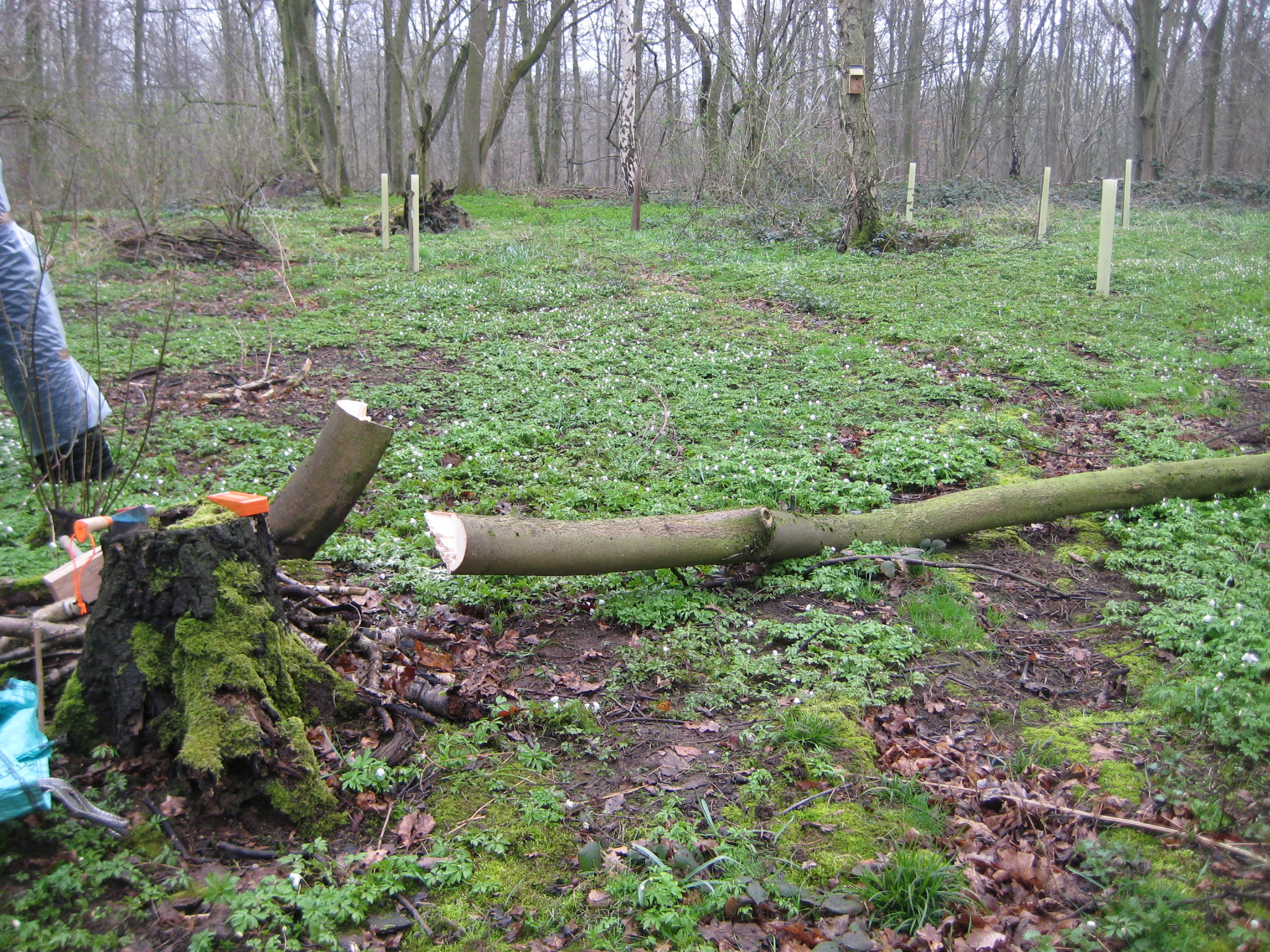
There were three small sycamore trees earmarked for felling. They were poor specimens and removing them will allow more light in to help natural regeneration of ground cover. When felling, you need to assess which way they will naturally fall due to any lean or imbalance of weight and aim to drop them roughly in that direction. They were all in danger of hitting the area to be fenced so they needed to come down first. I’m still using hand saws rather than chainsaws for these small jobs so not a quick, easy job. So once down, they needed clearing away. It’s a case of removing the small side branches from the bigger limbs (called snedding – what a great word) and cutting the limbs into more manageable sizes. So more hand-sawing needed. Some of the straight boughs could be used for the fencing posts along with some hazel previously felled. My aim is to try to use as much material already in the woods, rather than buying posts etc. Still more prep work to do. The area was infested with brambles and although quite low at the moment, they are raring to go again. So it was a case of carefully slashing them at ground level, pulling and tugging at the long leaders without damaging the saplings.

small sycamore before felling

small sycamore before felling

and after....

and after….

So by this time half the day was gone. A break for lunch (goats cheese and beetroot sarnies). At this point I tell myself I should have a good sit down and rest to regain my energy but you know what? – it’s impossible. If I’m not working hard, then the other occupation is give myself the luxury or a leisurely walk around to see what’s new and interesting. I so lunch time lasted about 15 minutes max. I checked down all the tree guards to see how my newly planted babies were doing. Some are still asleep but many are waking up to spring and showing nice fat buds ready to burst open or already open like the hazel, birch and cherry.

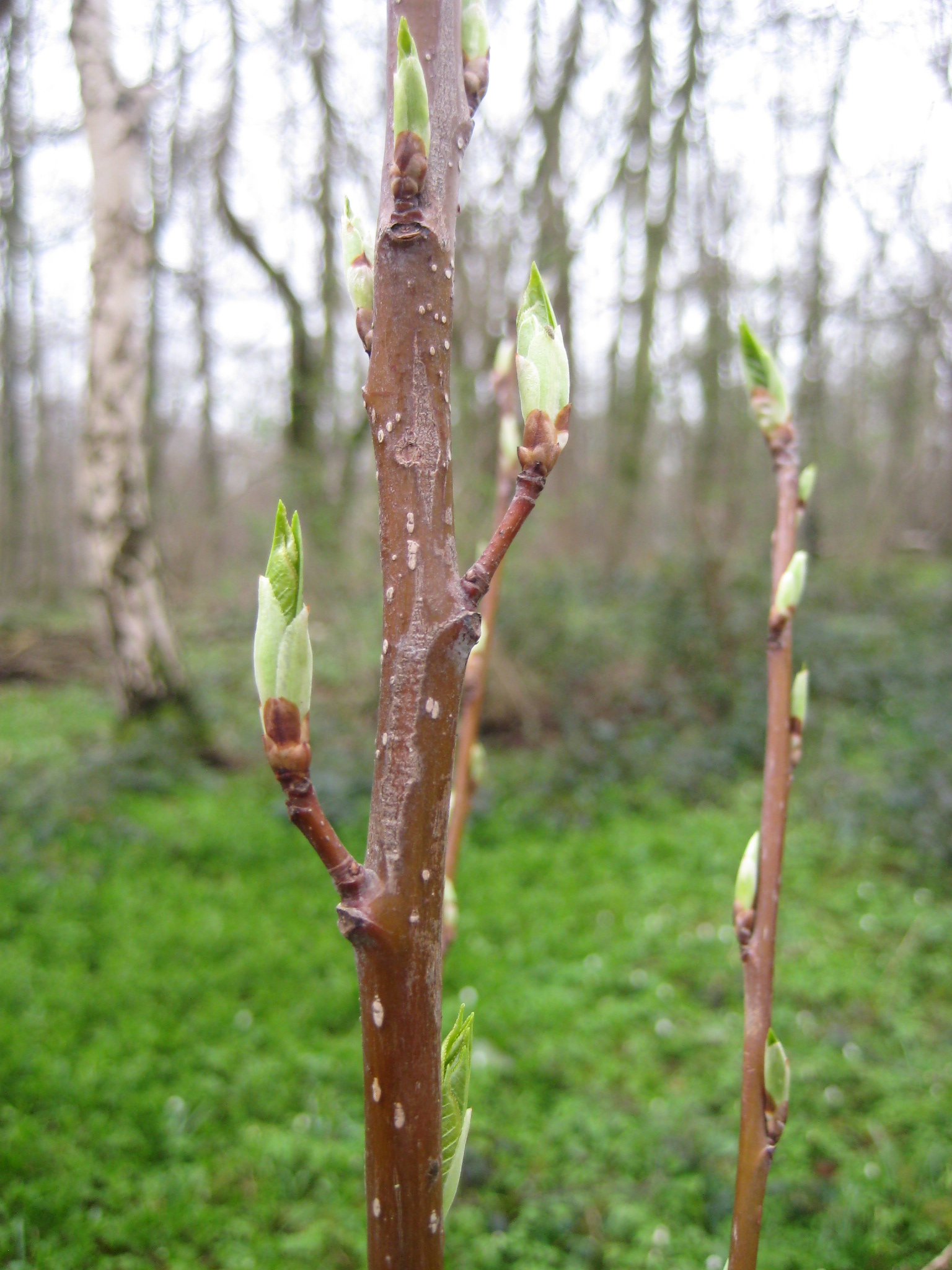
wild cherry or bird cherry (not sure which as I write) just about to break bud.

wild cherry or bird cherry (not sure which as I write) just about to break bud.

The wood is really starting to look pretty now. Most areas are carpeted with a covering of green. Mostly wood anemonies, wild garlic, lords and ladies, mosses and grasses. The anemonies are particularly abundant and flowering now adding a touch of pure magic.

Wood anemonies in flower

Wood anemonies in flower

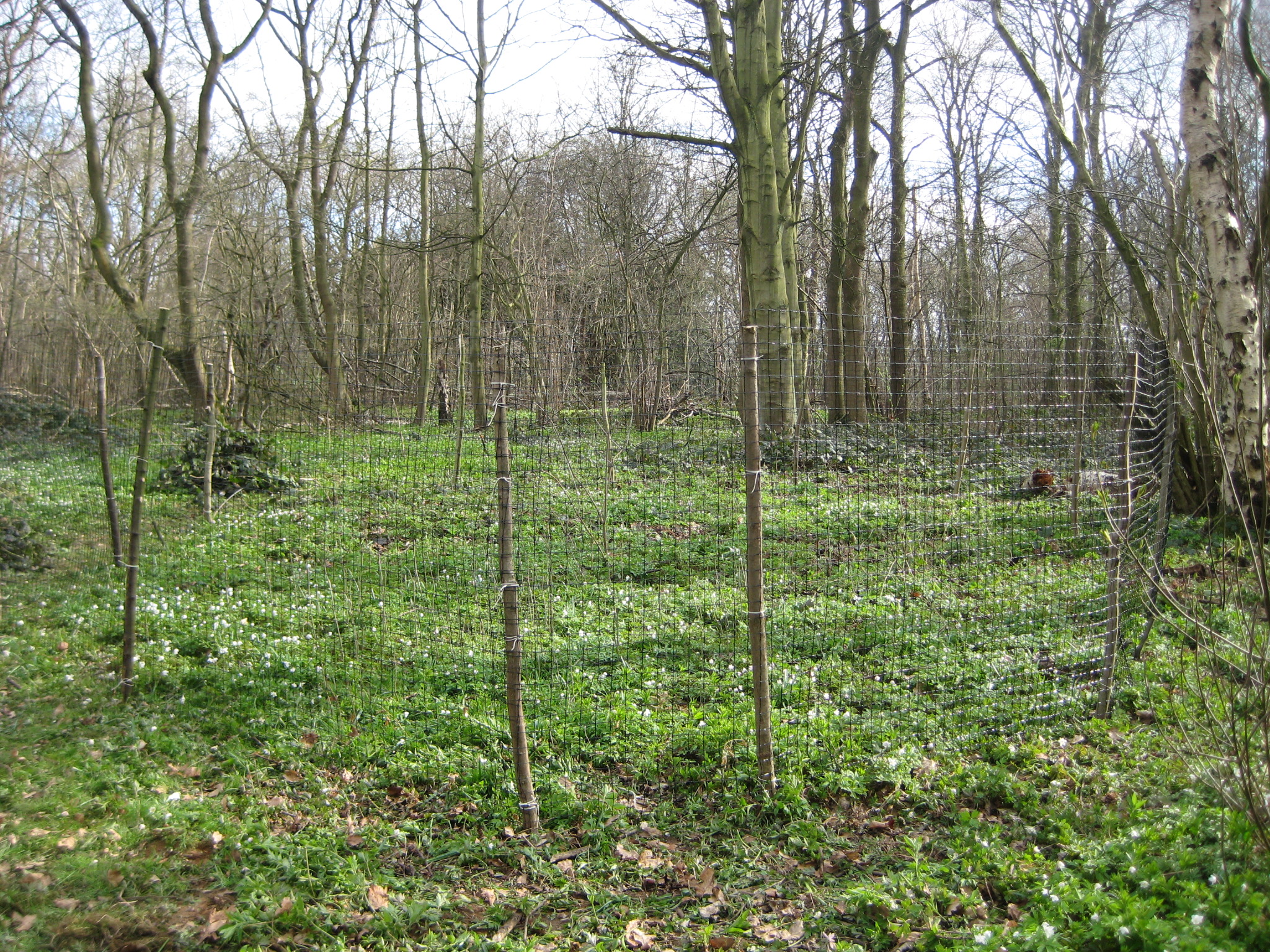
The rest of the day was spent hammering posts into the ground (nice and soft) and tying the netting to them. I made a circular area about 10 metres in diameter. It didn’t enclose all the saplings but would have needed to be twice the size and just not doable in the time I had. The ones outside the enclosure will have to take their chance with the deer and it will be interesting to see how they compare at the end of the year.

At one point I heard a nearby bird calling, not one I could recognise. It was incredibly loud, insistent and quite complex. I couldn’t see it but tried to record some of it on my phone. I omly managed a few seconds, not much to work on. I looked through my bird app on my phone for birds likely to be a woodland and of a reasonable size. The closest I found was a green woodpecker but at this point I can’t be sure. I have only once seen one in my life and it was very fleeting so I’d love to see one in my wood. I’ll keep you posted on that one.

My newly erected deer netted enclosure protecting my ash saplings

My newly erected deer netted enclosure protecting my ash saplings


Leave a comment

A new animal in the woods

I was awake early as usual but yesterday I was keen to get out of bed. I was going to the woods to meet up with Robin from The Woodland Trust for a review so I would combine that with some more work clearing the coppiced area ready for the deer netting to go up. The sun was out, a good weather forecast and I wasn’t to be disappointed by it. I arrived pretty early and as usual I spent some time just walking around and observing, always keen to see what has changed since last time. Nothing much new yet but the wood anemones are flowering nicely and there’s a fine green carpet covering most of the wood.

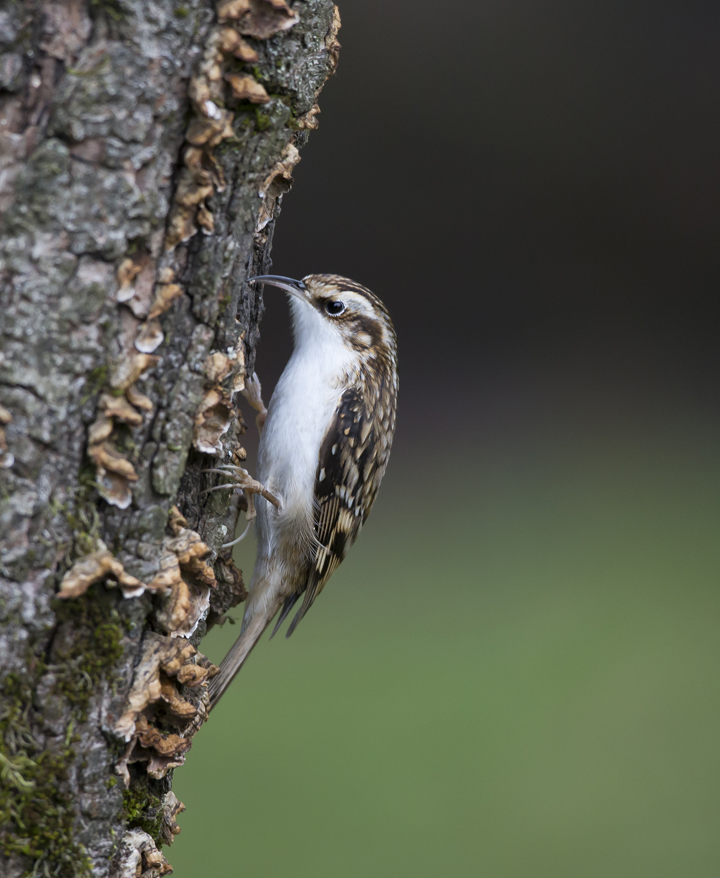
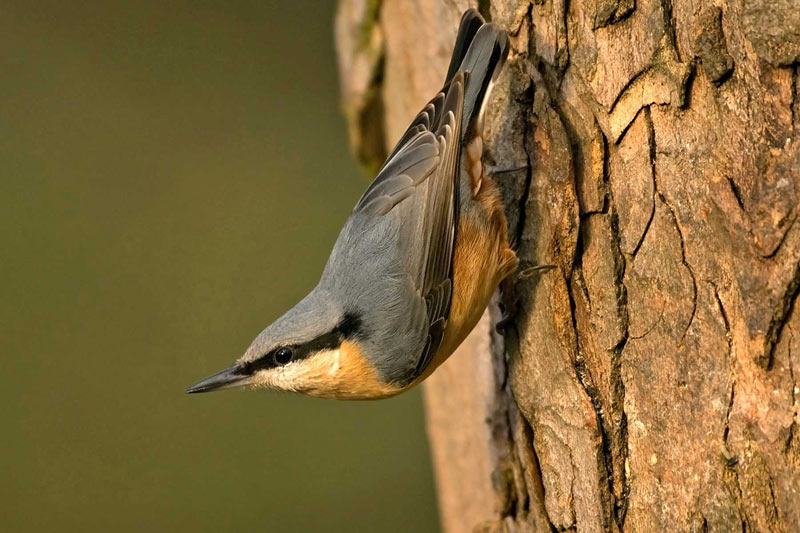
I am particularly interested in birdlife but not an expert spotter. I’d seen what I thought was a treecreeper on a few occasions but this time I had my binocs and got a good long look at one as it walked up a tree examining the nooks and crannies for insects. I was surprised how small they are, no bigger then a bluetit but the tail makes it look longer. Apparently they make their nest in small crevices under dead bark. From a distance they can be confused with nuthatches but creepers only go up the tree, then fly to the base of another and climb again, whereas nuthatches can walk down trees as well as up. I kept hearing a bird call in a nearby tree. I couldn’t ID it then (turned out to be a nuthatch) but it consisted of two or three long, straight whistles rising in frequency (like you might call a dog with). I tried my best to imitate it and sure enough it answered back. No coincidence, it called back numerous times right after I whistled. Eventually it stopped, either it sussed my amateurish nuthatch call or it was so good that it figured me to be the dominant male and decided to find another patch. Maybe I said something rude to it in nuthatch-talk and offended it. These are Google images of the two birds

Treecreeper (not my photo though)

Treecreeper (not my photo though)

nuthatch (again not my photo)

nuthatch (again not my photo)

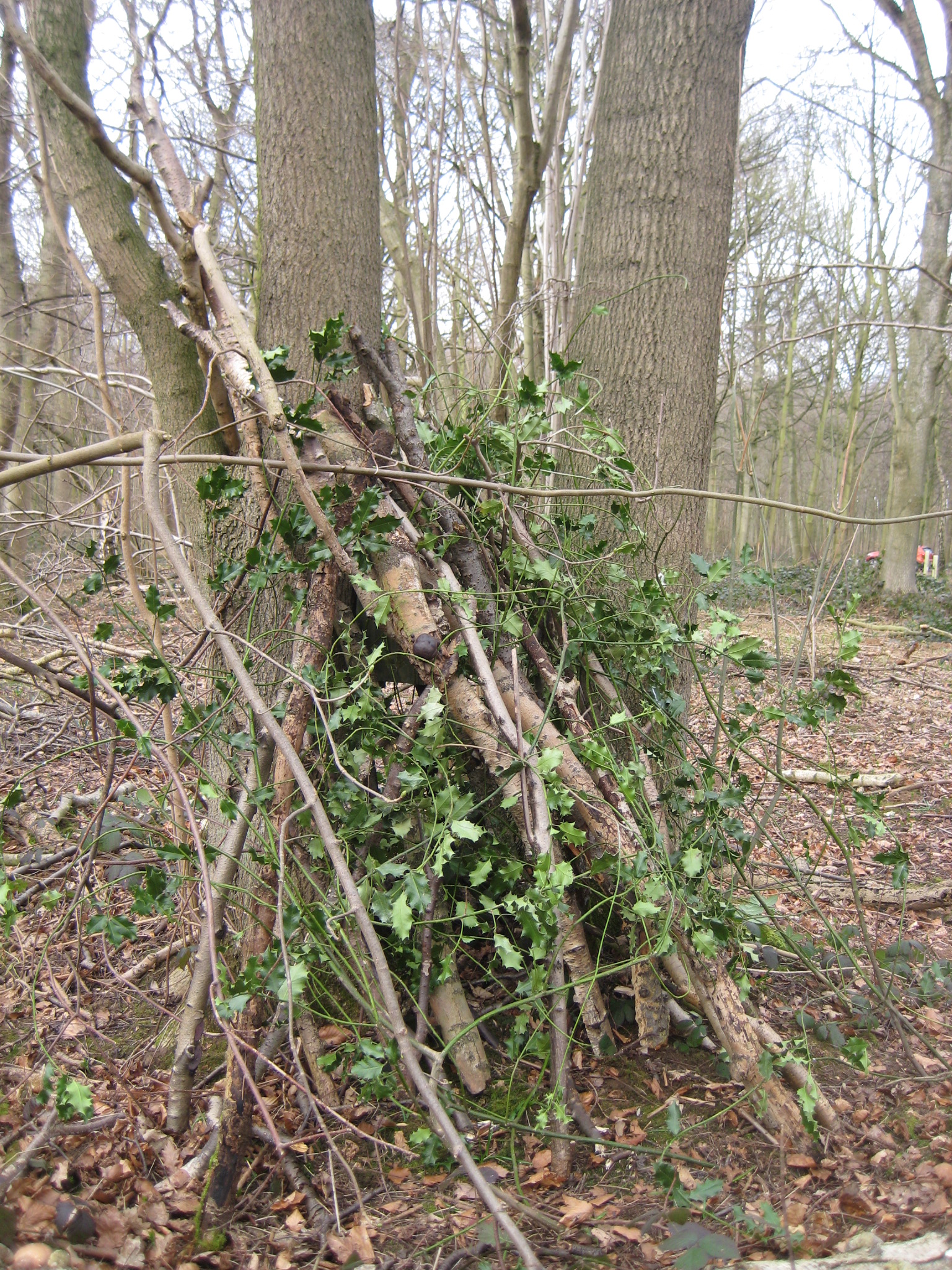
I also spotted a buzzard overhead and heard a tawny owl again. Would love to see the owl. I had a really relaxed session, took plenty of photos then got stuck into some graft, felling another two small trees and clearing the timber. I’m starting to get a huge pile of brash (the small branches and leaves after cutting the trunks into logs). Traditionally woodsmen burnt it but I have ideas to make brash hedges eventually. That way I don’t damage the earth with the fire and it will provide habitat for lots of creatures and birds. I didn’t intend to start that yet but as the pile is getting large and might supress ground cover underneath, decided I should start moving it. I have an area earmarked for a tent and thought a hedge around it would be good. So I started dragging the holly brash through the woods and commenced the hedge. It’s not much to look at yet but at least I’ve started it.

start of my brash hedge using holly

start of my brash hedge using holly

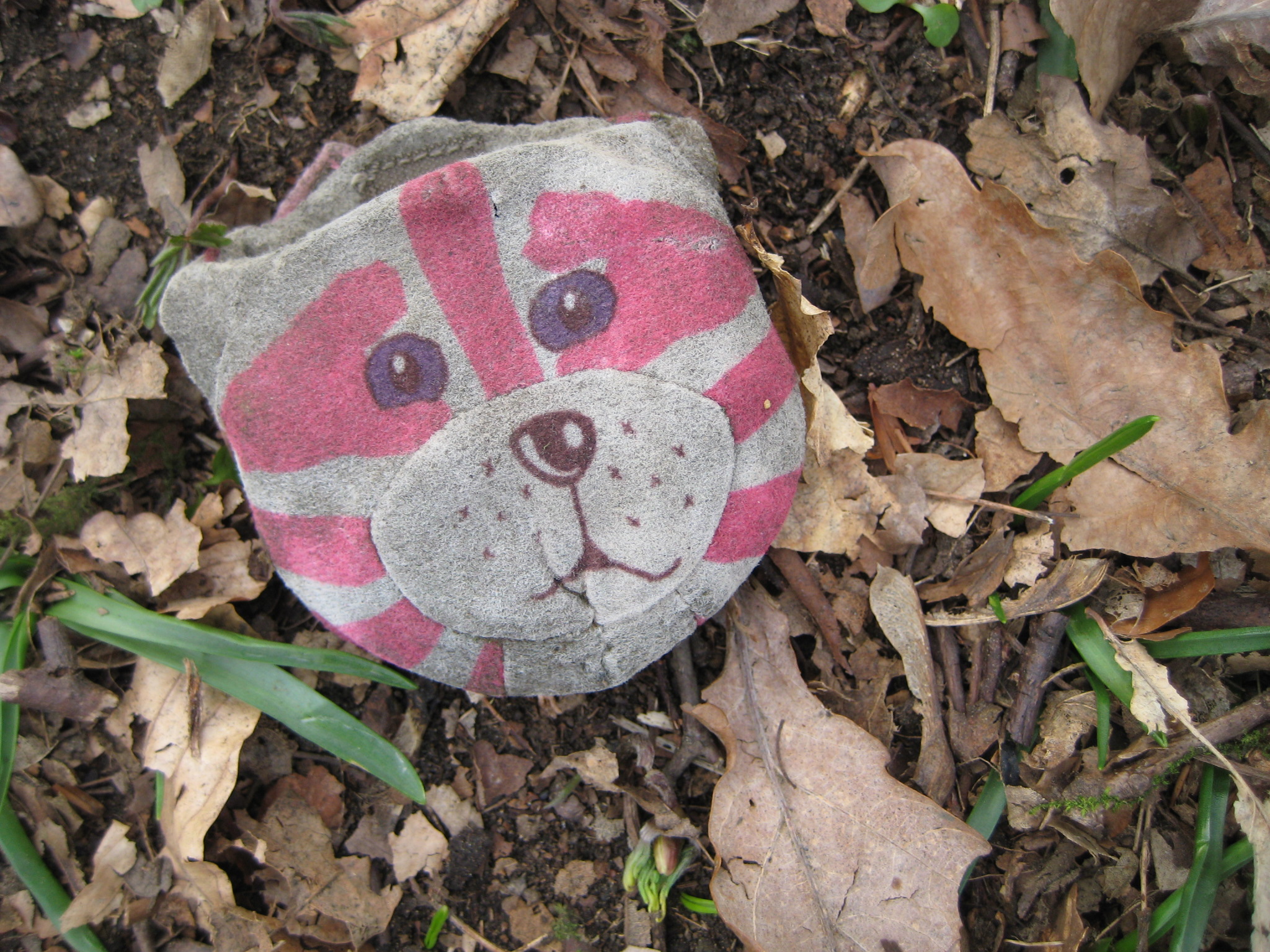
So what about the new animal in the woods? Well on my rounds I found the head of an unidentified animal. I can’t find it in any of my nature books. I showed my wife the picture and I think she correctly ID’d it as Felis Saccus which roughly translates to the English as “Bagpuss”. I wonder if reintroducing them would keep the grey squirrels at bay?

Felis Saccus?

Felis Saccus?


Leave a comment

More trees planted, more felling

Yesterday was another early start. Weather fine and bright. I had a list of jobs to aim for. I always have more than I know I can achieve in a day but you have to aim high. I’d bought five blackthorn saplings for £6.00 at a local nursery. A bargain I couldn’t resist. More flowering trees to brighten the woods and eventually I hope to get some sloes from them to make sloe gin or vodka. So that was the first job, all of them planted down in the open cleared area along the border.

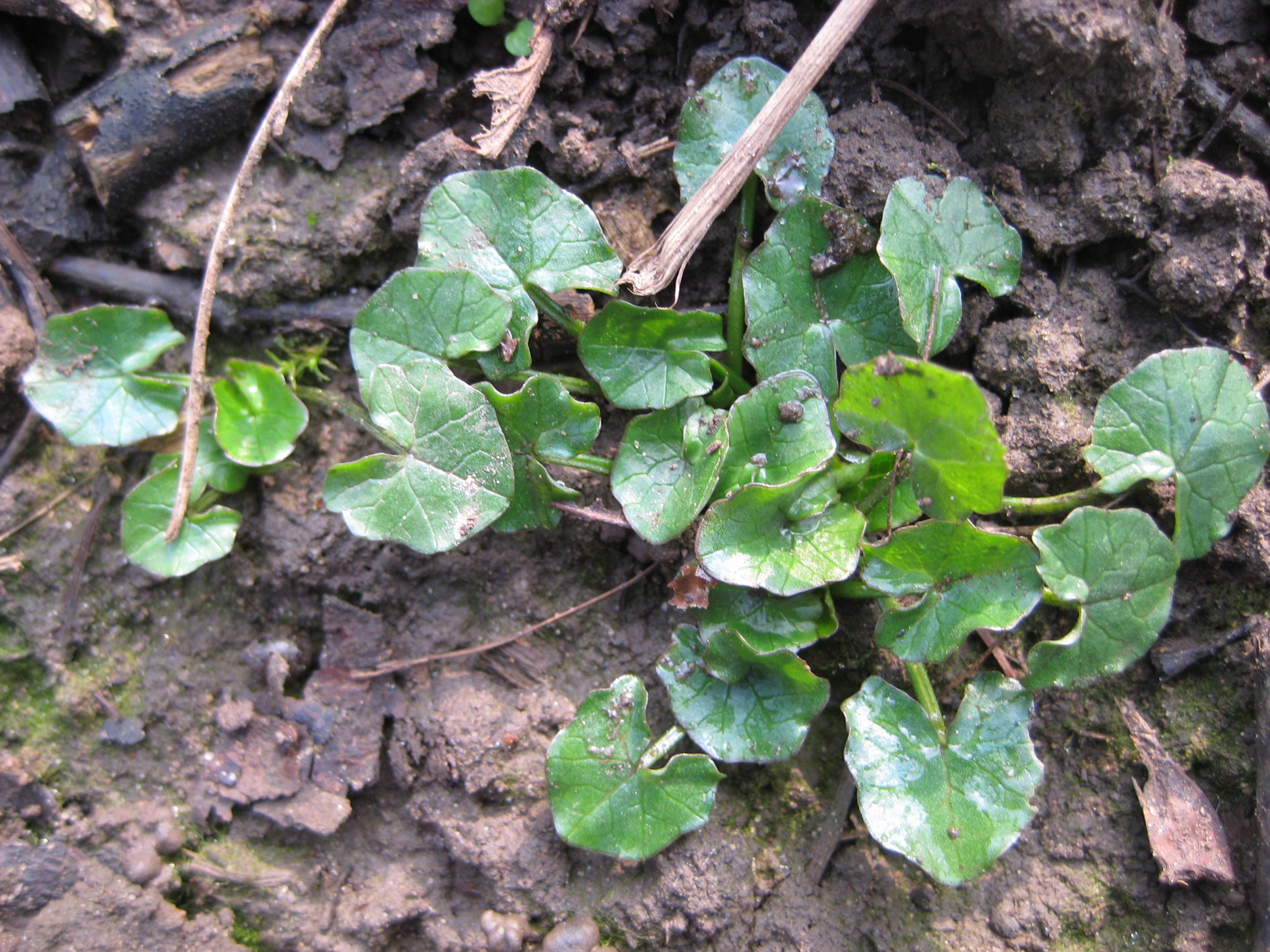
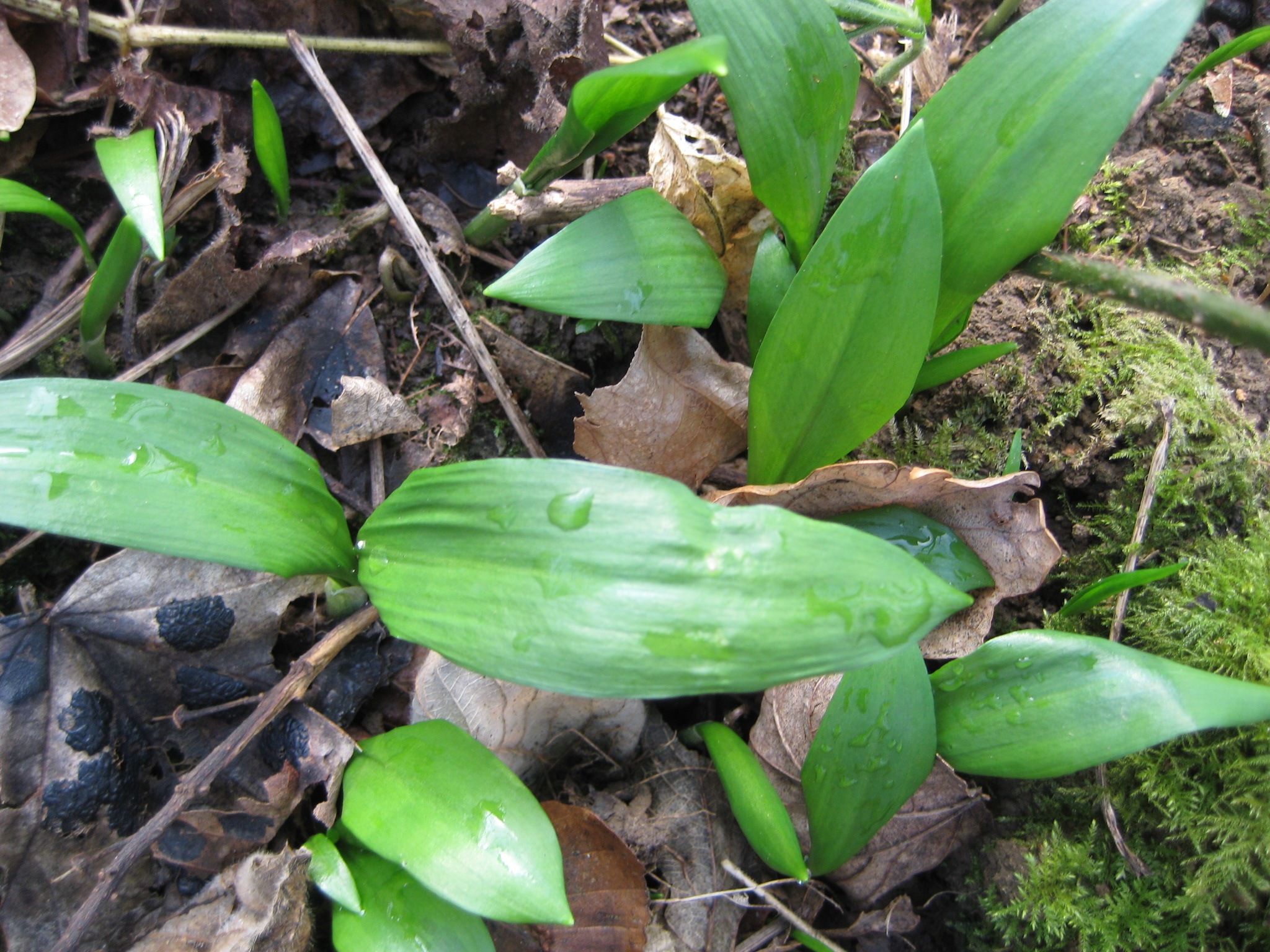
I’m trying to increase the plant diversity, particularly in the area where game birds were kept which is fairly sparse. I’d already transplanted a few clumps of Lords & Ladies but during a walkabout through a vacant, unsold plot, I noticed quite a few clumps of wild primrose. I haven’t seen any in my plot and was a little naughty and lifted a few pieces (all for the sake of the wider wood of course). So I planted these up in various places, marking them with a coloured stick so I can find them again and monitor their progress. I took the time to have a good look at what is starting to grow now. To add to my list since last time, I noticed some early wood anemone flowers, clumps of lesser celandine and ramsons (wild garlic). There were other fresh plants but as yet haven’t identified them.

An early wood anemone in flower

An early wood anemone in flower

lesser celandine leaves

lesser celandine leaves

ramson or wild garlic leaves

ramson or wild garlic leaves

After filling up the bird feeders, it was lunch time. I made a coffee on my little stove and sat watching for the birds. Not many around but I saw a small bird walking up a tree. It was either a nuthatch or more likely a tree creeper. It was very pale underneath and looked brown on it’s back. Somewhere in another plot I heard a tawny owl.

I have been trying to map the woods since I got it. It’s a low priority job and time consuming. I have a rough map but some of the reference locations don’t seem right and I wanted to record roughly where I have planted trees and other things. So I spent some time taking some measurements and making rough notes. I spent several hours back home trying to decipher my notes and make sense of them on my map. It’s surprising how easily you forget why you made certain marks on your notes so the lesson is to be methodical and clear. I’m slowly getting there.

By now it was mid afternoon and I wanted to do some more thinning where the hazel is being coppiced. There’s a huge holly tree on the corner which will block out a lot of light. When I say huge, it stood about ten metres high at least. It’s multi-branched so needed to be cut in several places. I’ve taken about 2/3 of it down now but time was getting short and so was my energy. I decided to pack up and head home again.


Leave a comment

A few more jobs before spring comes

Spring is definitely around the corner. When I arrived yesterday, lots of small birds were flitting around in the tree tops, looking for mates and exploring nooks and crannies. I spotted one tree which was earmarked for felling, had a couple of small holes in the trunk high up and a bluetit was busy peering into them. I’ll have to leave that one alone now!

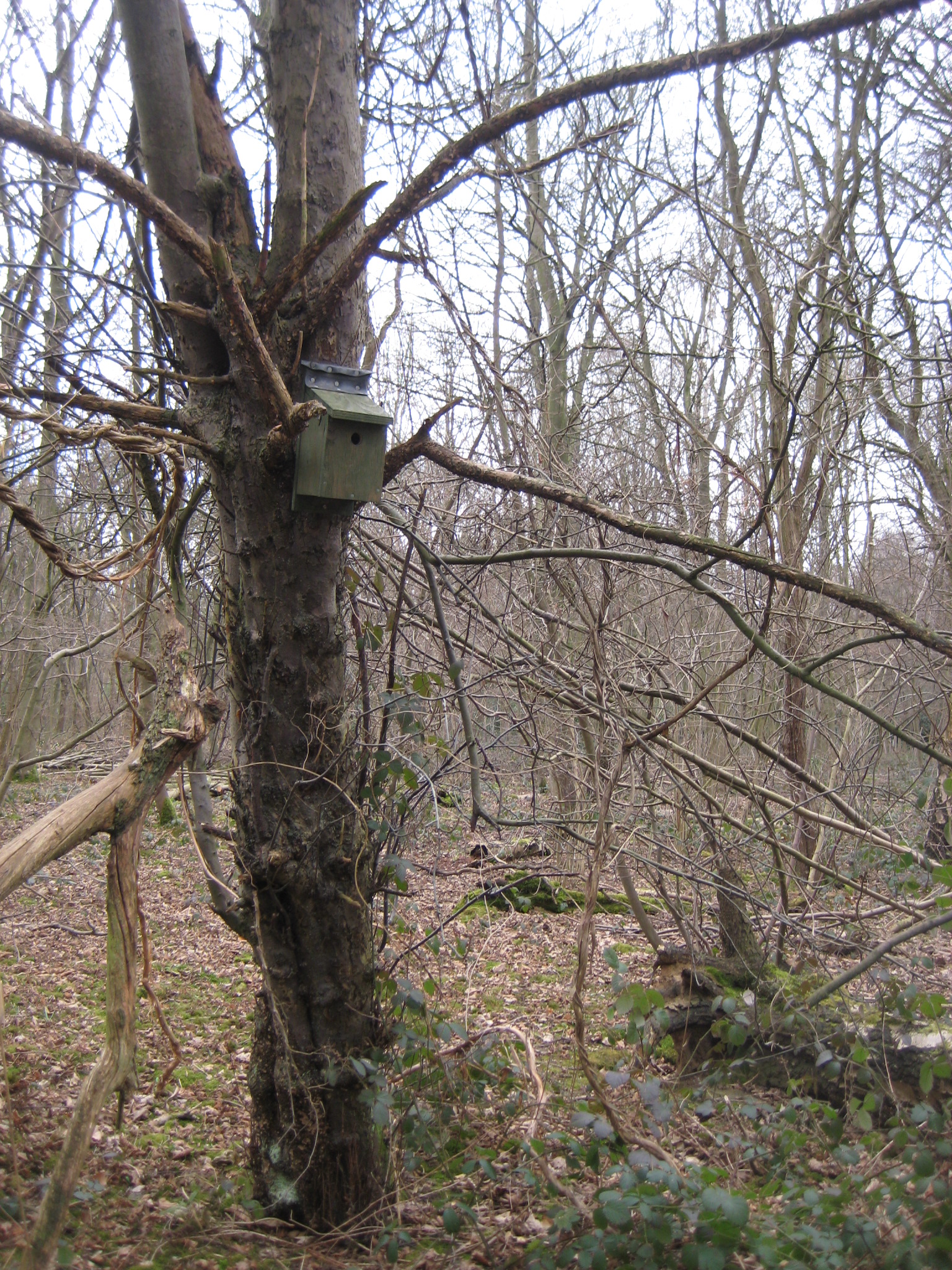
Fifth bird box located on an old crab apple tree

Fifth bird box located on an old crab apple tree

Sixth bird box for wrens and robins, well hidden and low down between the two trees. Hope the birds find it.

Sixth bird box for wrens and robins, well hidden and low down between the two trees. Hope the birds find it.

Bird box number seven is for great tits attached to a larch tree

Bird box number seven is for great tits attached to a larch tree

It was yet another gloriously sunny and mild day. I got an early start and fitted three new bird nest boxes. Two for great tits and one for wrens and robins. It might be too late in the year for birds to adopt them as they usually need to get used to them being there. But fingers crossed. I carried on clearing away the limbs of hazel that I had cut down last time and felled two more young sycamore to bring in more light to the area. Still a bit more clearing to do there before erecting the deer netting around it.

There’s an area in the woods that is lacking groundcover where pheasants had been reared. Eventually I shall fell some of the poor trees there to bring light in and hope for natural regeneration of plants. In the meantime, I’m going to start transplanting a few from other areas. So yesterday I divided some clumps of Lords and Ladies and replanted five pieces and marked them with a colours stick so I can monitor their progress through the season. I shall try to gather seeds of other plants during summer and propagate more plants this way. A slow process but I’d prefer to keep the plant inventory to the natural ones that are already growing, just want more of them and maybe some that are present in other people’s woods but lacking in mine.

All in all it was a satisfying and productive day. Plenty of time to enjoy the experience of being there and getting useful jobs done. I love that place.